
PRIMARIA_C2_N1_24_T20B
** 24_T20B_风/Fēng/El viento/The Wind **
** 额外内容/Contenido adicional/Additional Content **
** 扩大和替换/Kuòdà hé tìhuàn/Ampliar y sustituir/Expand and substitute. **
风/viento/wind
好奇的风/el viento curioso/the curious wind
只有风最好奇了。/Solo el viento era el más curioso./Only the wind was the most curious.
笑/reír/laugh
笑得喘不过气来/reírse hasta quedarse sin aliento/laugh until out of breath
他们呼呼地笑得喘不过气来。/Se reían, ¡fiu, fiu!, hasta quedarse sin aliento./They laughed – whoosh, whoosh – until they were out of breath.
--------------------------------------------------------------------------------
寒风、凉风、暖风、热风/viento helado, fresco, cálido, caliente/icy, cool, warm, hot wind
微风、狂风、台风、风暴/brisa, vendaval, tifón, tormenta/breeze, gale, typhoon, storm
和风细雨、风和日丽、云淡风轻/brisa y llovizna, día apacible, nubes ligeras y brisa suave/gentle breeze and rain, sunny and calm, light clouds and breeze
风平浪静、风起云涌、风调雨顺/calma total, agitación, clima favorable/calm seas, a rising storm, favourable weather
--------------------------------------------------------------------------------
爸爸的/de papá/Dad's
· 上衣跟裤子/chaqueta y pantalones./jacket and trousers.
妈妈的/de mamá/Mum's
· 衬衫跟裙子/blusa y falda./blouse and skirt.
弟弟的/de mi hermano/my brother's
· 制服跟鞋子/uniforme y zapatos./uniform and shoes.
妹妹的/de mi hermana/my sister's
· 圆帽子/gorro redondo./round hat.
** 想一想, 说一说/Xiǎng yi xiǎng, shuō yi shuō/Piensa y responde/Think and answer the following questions **
--------------------------------------------------------------------------------
你觉得课文中的风好玩吗?/¿Te parece divertido el «viento» del texto?/Do you think the “wind” in the text is fun?
生活中,顽皮的风还会做些什么?/En la vida diaria, ¿qué más hace el viento travieso?/In everyday life, what else does the mischievous wind do?
** 家庭/Jiātíng/FAMILIA/FAMILY **
--------------------------------------------------------------------------------
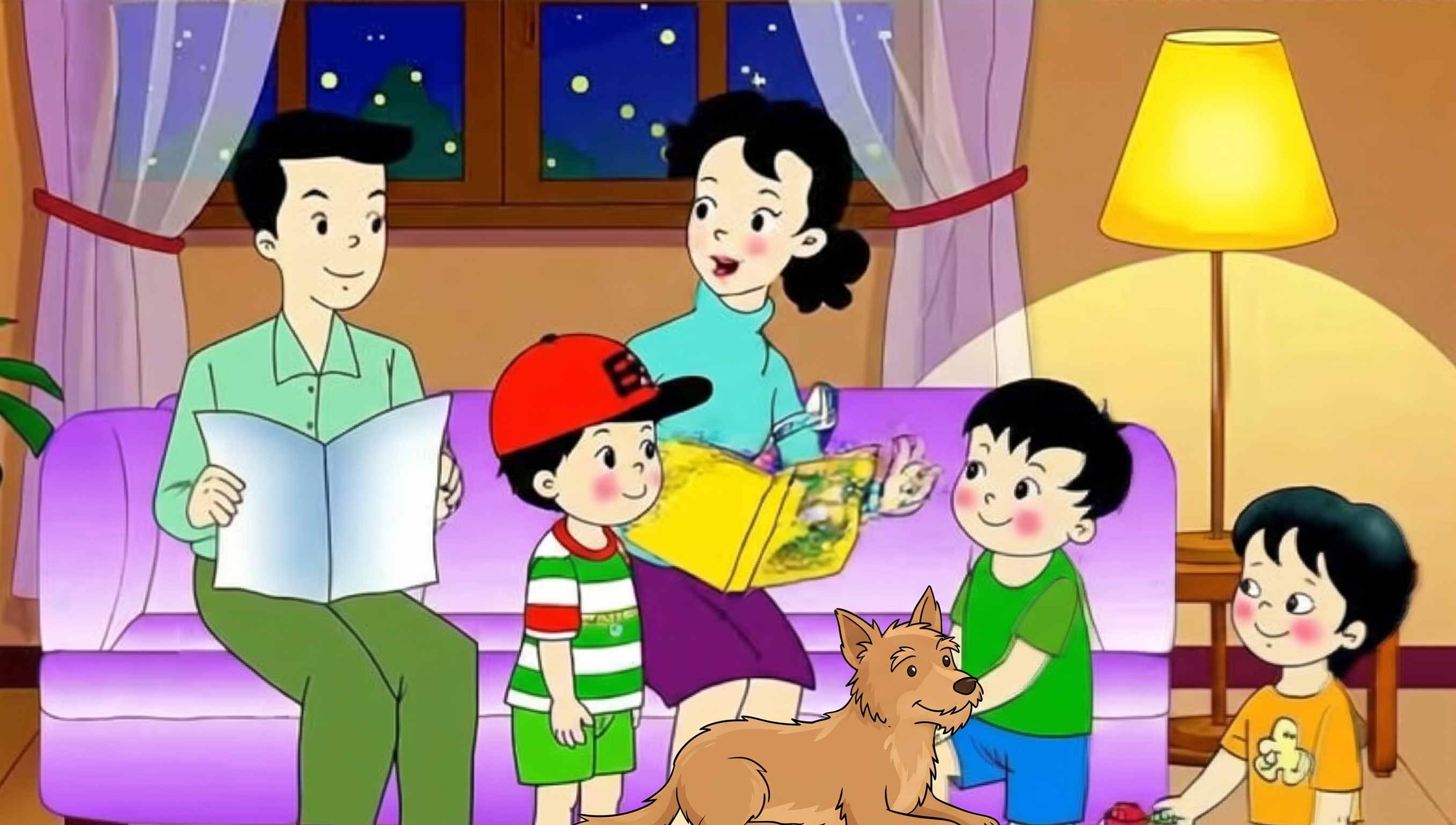
宝宝一家/La familia de Baobao/Baobao's family
爸爸/Papá, padre/Dad, father
妈妈/Mamá, madre/Mum, mother
宝宝/Baobao/Baobao
婷婷/Tíngting/Tíngting
嘟嘟/Dudú/Dudú
洛基/Rocky/Rocky
** 对话/Duìhuà/Diálogo/Dialogue **
--------------------------------------------------------------------------------
婷婷妈妈,风把我的帽子吹跑了!/Tíngting: ¡Mamá, el viento se ha llevado mi gorro!/Tíngting: Mum, the wind has blown my hat away!
妈妈风真顽皮,快去追回来吧。/Mamá: ¡Qué travieso es el viento! Corre a buscarlo./Mum: The wind is so mischievous – quick, go and get it back.
嘟嘟你们看,绳子上的衣服都鼓起来了。/Dudú: Mirad, la ropa de la cuerda se ha hinchado toda./Dudú: Look, the clothes on the line have all puffed up.
宝宝好像风在悄悄地试穿爸爸的衬衫。/Baobao: Parece que el viento se esté probando a escondidas la camisa de papá./Baobao: It's as if the wind is quietly trying on Dad's shirt.
爸爸哈哈,说不定它还在笑我们的怪模样呢!/Papá: ¡Ja, ja! ¡A lo mejor hasta se está riendo de nuestras pintas!/Dad: Ha ha, maybe it's laughing at our funny looks too!
洛基汪汪!/Rocky: ¡Guau!/Rocky: Woof!
▶ 📝 评论 / Comentarios / Comments
风:一首把风写活了的儿童诗:
1. 拟人的写法: 风会“好奇 (hàoqí) ”,会“悄悄地试穿 (qiāoqiāo de shìchuān) ”衣服,还会“笑得喘不过气来 (xiào de chuǎn bu guò qì lái) ”。引导学生找出这些句子,说说风像一个怎样的孩子。
2. 对比: 蜻蜓、蝴蝶、白云“来看看就走了”,只有风最好奇。让学生体会作者用对比突出风的顽皮。
3. 积累词语: 寒风 (hánfēng) 、微风 (wēifēng) 、风和日丽 (fēnghé-rìlì) 、风调雨顺 (fēngtiáo-yǔshùn) 等关于风的词语,可以让学生读一读、记一记,再说说还知道哪些。
1. 拟人的写法: 风会“好奇 (hàoqí) ”,会“悄悄地试穿 (qiāoqiāo de shìchuān) ”衣服,还会“笑得喘不过气来 (xiào de chuǎn bu guò qì lái) ”。引导学生找出这些句子,说说风像一个怎样的孩子。
2. 对比: 蜻蜓、蝴蝶、白云“来看看就走了”,只有风最好奇。让学生体会作者用对比突出风的顽皮。
3. 积累词语: 寒风 (hánfēng) 、微风 (wēifēng) 、风和日丽 (fēnghé-rìlì) 、风调雨顺 (fēngtiáo-yǔshùn) 等关于风的词语,可以让学生读一读、记一记,再说说还知道哪些。
Comentario Pedagógico: El viento: un poema infantil que da vida al viento:
1. La personificación: El viento es “好奇 (hàoqí) ”, “悄悄地试穿 (qiāoqiāo de shìchuān) ” la ropa y “笑得喘不过气来 (xiào de chuǎn bu guò qì lái) ”. Los alumnos buscan estas frases y dicen a qué tipo de niño se parece el viento.
2. El contraste: La libélula, la mariposa y la nube “vienen, miran y se van”; solo el viento es el más curioso. Los alumnos ven cómo el contraste resalta su travesura.
3. Vocabulario del viento: 寒风 (hánfēng) , 微风 (wēifēng) , 风和日丽 (fēnghé-rìlì) y 风调雨顺 (fēngtiáo-yǔshùn) : los alumnos los leen, los memorizan y añaden otros que conozcan.
Pedagogical Commentary: The Wind: a children's poem that brings the wind to life:
1. Personification: The wind is “好奇 (hàoqí) ”, “悄悄地试穿 (qiāoqiāo de shìchuān) ” the clothes and “笑得喘不过气来 (xiào de chuǎn bu guò qì lái) ”. Students find these lines and say what kind of child the wind is like.
2. Contrast: The dragonfly, butterfly and cloud “come, look and leave”; only the wind is the most curious. Students see how the contrast highlights its mischief.
3. Wind vocabulary: 寒风 (hánfēng) , 微风 (wēifēng) , 风和日丽 (fēnghé-rìlì) and 风调雨顺 (fēngtiáo-yǔshùn) : students read and memorise them and add others they know.

主题/Zhǔtí/Tema/Theme

其他/Qítā/Otros/Others.

词汇 Cíhuì/Vocabulario/Vocabulary

PDF与视频/PDF,videos Y Quiz/PDF, Videos and Quiz
