
PRIMARIA_C2_N1_17_T13
** 17_T13_寒号鸟/Hánhào niǎo/El pájaro que grita de frío/The Cold-Crying Bird **
** 额外内容/Contenido adicional/Additional Content **
** 扩大和替换/Kuòdà hé tìhuàn/Ampliar y sustituir/Expand and substitute. **
冻/congelarse/freeze
冻得直打哆嗦/temblar de frío/shiver with cold
热得直冒汗/sudar a chorros de calor/sweat buckets
寒号鸟在崖缝里冻得直打哆嗦。/El pájaro hanhao tiembla de frío en la grieta./The hanhao bird shivers with cold in the crack.
冷/frío/cold
冷得像冰窖/frío como una nevera/as cold as an ice cellar
热得像蒸笼/caliente como una vaporera/as hot as a steamer
崖缝里冷得像冰窖。/En la grieta hace un frío de nevera./The crack is as cold as an ice cellar.
--------------------------------------------------------------------------------
趁天晴,快做窝。现在懒惰,将来难过。/Aprovecha que hace bueno y haz el nido. Si ahora eres perezoso, luego lo pasarás mal./While it's fine, build your nest quickly. Lazy now, sorry later.
--------------------------------------------------------------------------------
喜鹊/la urraca/the magpie
· 东寻西找,忙着做窝/busca por todas partes y hace el nido./searches high and low and builds a nest.
寒号鸟/el pájaro hanhao/the hanhao bird
· 整天出去玩,累了就睡觉/se pasa el día jugando y duerme cuando se cansa./plays all day and sleeps when it's tired.
冬天来了,喜鹊/llega el invierno y la urraca/winter comes, and the magpie
· 住在温暖的窝里/vive en su nido calentito./lives in its warm nest.
冬天来了,寒号鸟/llega el invierno y el hanhao/winter comes, and the hanhao bird
· 冻死了/muere de frío./freezes to death.
** 想一想, 说一说/Xiǎng yi xiǎng, shuō yi shuō/Piensa y responde/Think and answer the following questions **
--------------------------------------------------------------------------------
寒冬腊月,为什么喜鹊能住在温暖的窝里,寒号鸟却冻死了?/En pleno invierno, ¿por qué la urraca vive calentita en su nido y el pájaro hanhao muere de frío?/In the depths of winter, why does the magpie live in a warm nest while the hanhao bird freezes to death?
现在懒惰,将来难过。你能用生活中的例子说一说吗?/«Si ahora eres perezoso, luego lo pasarás mal». ¿Puedes poner un ejemplo de la vida real?/“Lazy now, sorry later.” Can you give an example from everyday life?
** 家庭/Jiātíng/FAMILIA/FAMILY **
--------------------------------------------------------------------------------
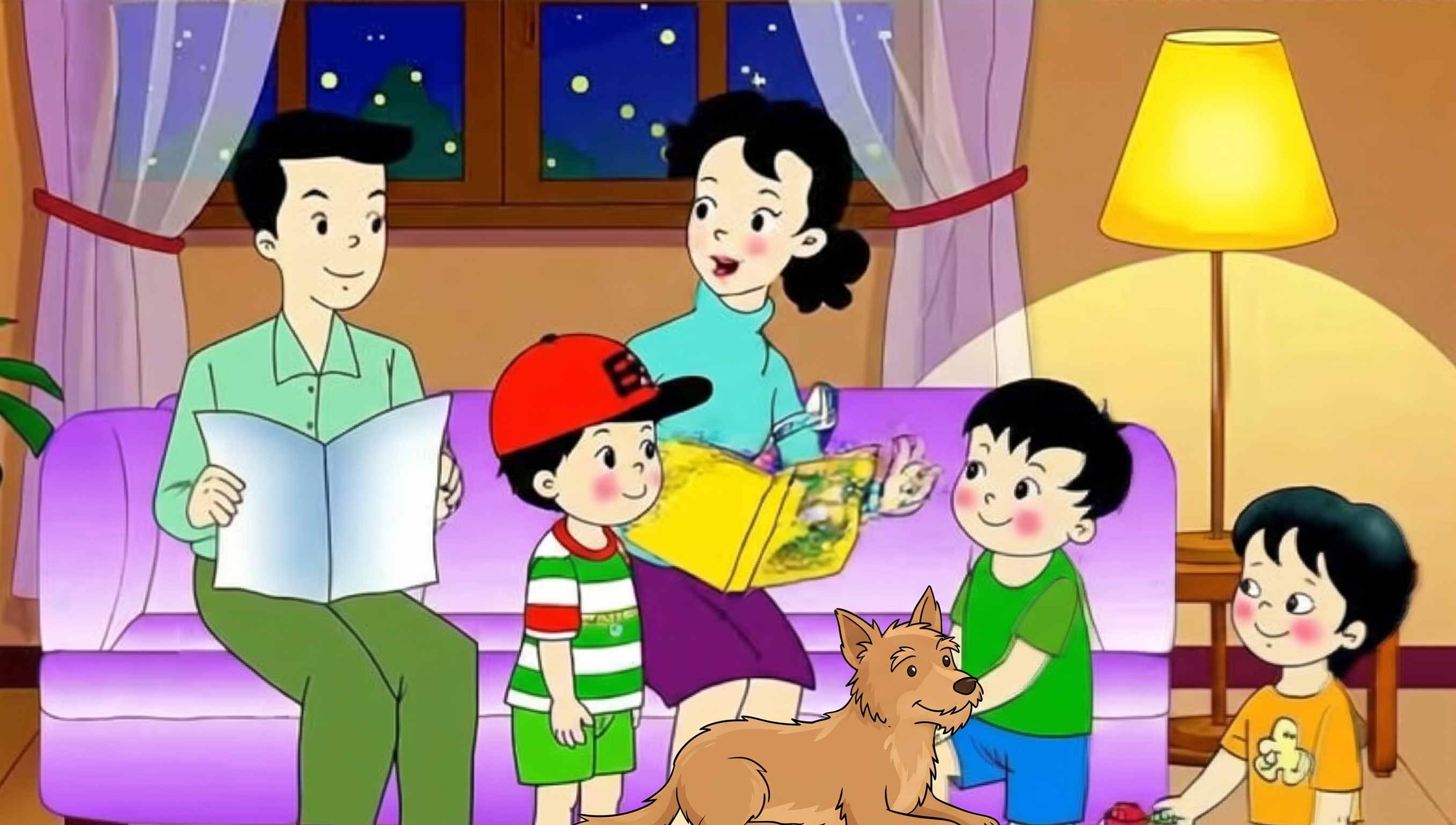
宝宝一家/La familia de Baobao/Baobao's family
爸爸/Papá, padre/Dad, father
妈妈/Mamá, madre/Mum, mother
宝宝/Baobao/Baobao
婷婷/Tíngting/Tíngting
嘟嘟/Dudú/Dudú
洛基/Rocky/Rocky
** 对话/Duìhuà/Diálogo/Dialogue **
--------------------------------------------------------------------------------
宝宝嘟嘟,快写作业吧,明天就要交了。/Baobao: Dudú, haz ya los deberes, que mañana hay que entregarlos./Baobao: Dudú, hurry up and do your homework; it's due tomorrow.
嘟嘟不要吵,我还想玩一会儿。明天再写。/Dudú: No molestes, quiero jugar un rato más. Mañana los hago./Dudú: Stop nagging, I want to play a bit longer. I'll do it tomorrow.
婷婷你怎么像寒号鸟一样?明天就做窝!/Tíngting: ¿Cómo puedes ser como el pájaro hanhao? «¡Mañana haré el nido!»./Tíngting: You're just like the hanhao bird! “I'll build a nest tomorrow!”
妈妈喜鹊趁天晴做窝,冬天住得很温暖。/Mamá: La urraca aprovechó el buen tiempo para hacer el nido y en invierno vivía calentita./Mum: The magpie built its nest while it was fine, so it lived warmly in winter.
爸爸寒号鸟不听劝告,得过且过,最后冻死了。/Papá: El pájaro hanhao no hizo caso, fue tirando y al final murió de frío./Dad: The hanhao bird ignored the advice, just took things as they came and in the end froze to death.
嘟嘟我明白了现在懒惰,将来难过。我马上写!/Dudú: Ya lo entiendo: si ahora soy perezoso, luego lo pasaré mal. ¡Los hago ahora mismo!/Dudú: I get it: lazy now, sorry later. I'll do it right now!
洛基汪汪!/Rocky: ¡Guau!/Rocky: Woof!
▶ 📝 评论 / Comentarios / Comments
寒号鸟:今天的事情今天做:
1. 对比阅读: 课文把 喜鹊 (xǐque) 和 寒号鸟 (hánhàoniǎo) 对比着写:喜鹊“东寻西找”“忙着做窝”,寒号鸟“整天出去玩”“不听劝告”。让学生分角色读,说说寒冬腊月它们的结果为什么不一样。
2. 生动的说法: 冻得直打哆嗦 (dòng de zhí dǎ duōsuo) 、冷得像冰窖 (lěng de xiàng bīngjiào) 写出了天气的寒冷。可以让学生照样子说:“热得直冒汗”“热得像蒸笼”。
3. 明白道理: “现在懒惰,将来难过”告诉我们,做事不能拖拉,不能“得过且过 (déguò-qiěguò) ”。引导学生联系自己的学习和生活说一说。
1. 对比阅读: 课文把 喜鹊 (xǐque) 和 寒号鸟 (hánhàoniǎo) 对比着写:喜鹊“东寻西找”“忙着做窝”,寒号鸟“整天出去玩”“不听劝告”。让学生分角色读,说说寒冬腊月它们的结果为什么不一样。
2. 生动的说法: 冻得直打哆嗦 (dòng de zhí dǎ duōsuo) 、冷得像冰窖 (lěng de xiàng bīngjiào) 写出了天气的寒冷。可以让学生照样子说:“热得直冒汗”“热得像蒸笼”。
3. 明白道理: “现在懒惰,将来难过”告诉我们,做事不能拖拉,不能“得过且过 (déguò-qiěguò) ”。引导学生联系自己的学习和生活说一说。
Comentario Pedagógico: El pájaro que grita de frío: lo de hoy, hazlo hoy:
1. Lectura contrastada: El texto enfrenta a 喜鹊 (xǐque) y a 寒号鸟 (hánhàoniǎo) : la urraca “busca por todas partes” y “se afana en hacer el nido”; el hanhao “se pasa el día jugando” y “no hace caso”. Los alumnos leen por papeles y explican por qué en invierno su suerte es tan distinta.
2. Expresiones vivas: 冻得直打哆嗦 (dòng de zhí dǎ duōsuo) y 冷得像冰窖 (lěng de xiàng bīngjiào) muestran el frío. Los alumnos pueden imitarlas: “热得直冒汗”, “热得像蒸笼”.
3. La moraleja: “现在懒惰,将来难过” nos enseña a no dejar las cosas para mañana ni ir “得过且过 (déguò-qiěguò) ”. Los alumnos lo relacionan con su estudio y su vida.
Pedagogical Commentary: The Cold-Crying Bird: do today's tasks today:
1. Contrastive reading: The text sets 喜鹊 (xǐque) against 寒号鸟 (hánhàoniǎo) : the magpie “searches high and low” and “busily builds its nest”; the hanhao bird “plays all day” and “ignores advice”. Students read in roles and explain why their fates differ in winter.
2. Vivid expressions: 冻得直打哆嗦 (dòng de zhí dǎ duōsuo) and 冷得像冰窖 (lěng de xiàng bīngjiào) show how cold it is. Students can copy them: “热得直冒汗”, “热得像蒸笼”.
3. The moral: “现在懒惰,将来难过” teaches us not to put things off or simply “得过且过 (déguò-qiěguò) ”. Students link it to their own studies and lives.

主题/Zhǔtí/Tema/Theme

其他/Qítā/Otros/Others.

词汇 Cíhuì/Vocabulario/Vocabulary

PDF与视频/PDF,videos Y Quiz/PDF, Videos and Quiz
