
MT
L01
L02
L03
L04
L05
EL1
P01
P02
P13
P03
P04
P07
P08
P09
P10
P11
P12
EP1
P05
P06
P15
P16
P17
P18
EP2
T01
T02
T03
T04
ET1
L06
L07
L08
L09
L10
EL2
T05
T06
T07
T08
ET2
T09
T10
T11
ET3
T12
T13
T14
ET4
PRIMARIA_C1_N1_06_P01

Practica aquí · 在这里练习
--------------------------------------------------------------------------------
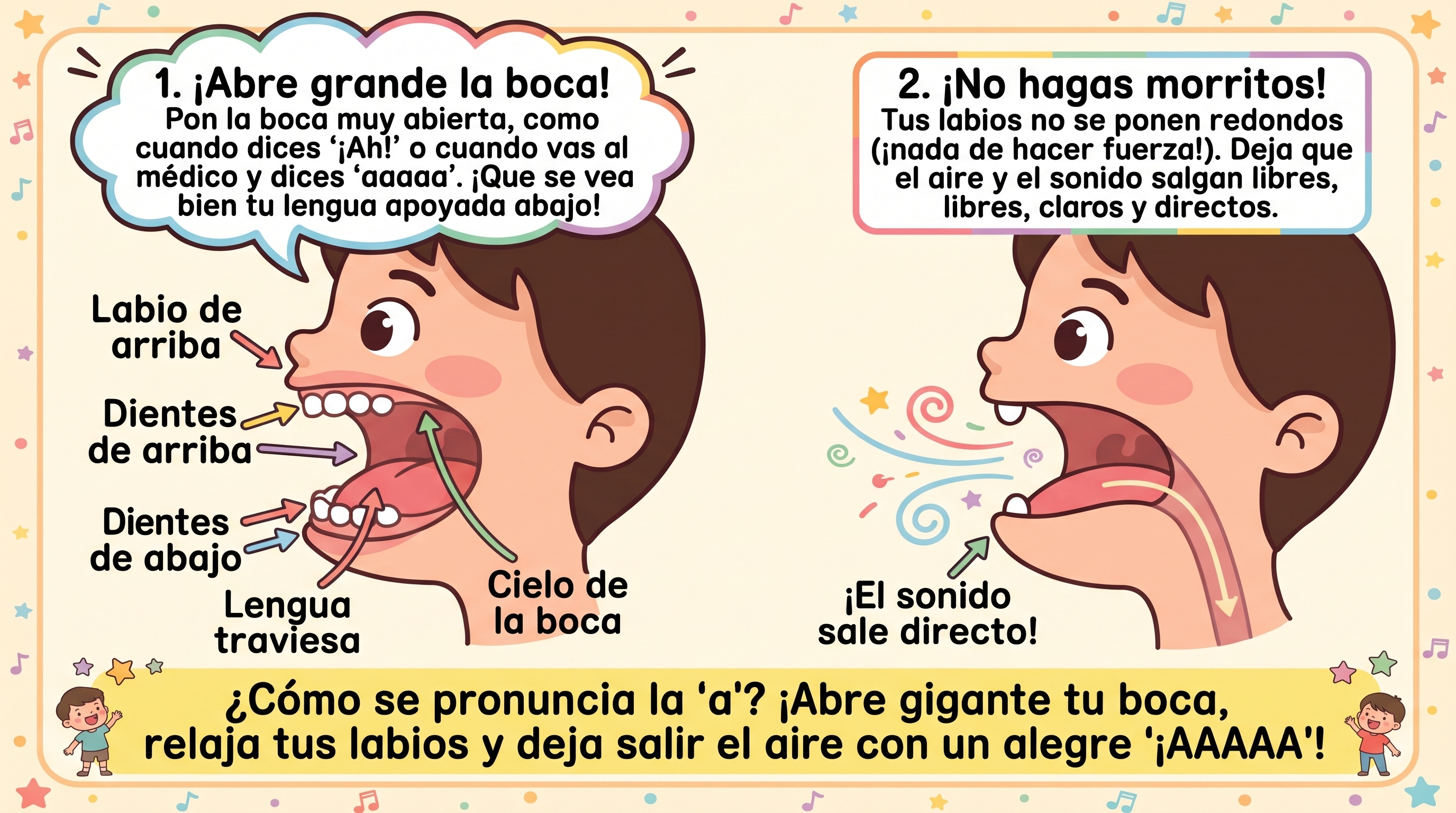
拼音Pīnyīn中zhōng的de“a”是shì一个yígè单韵母dānyùnmǔ,它tā的de发音fāyīn和hé西班牙语Xībānyáyǔ单词dāncí“cama”或huò英语Yīngyǔ单词dāncí“father”中zhōng的de“a”相似xiāngsì。/El sonido «a» en pinyin es una vocal simple que se pronuncia de manera similar a la «a» en la palabra en español «cama» o en la palabra inglesa «father»./The sound “a” in pinyin is a simple vowel, pronounced much like the “a” in the Spanish word “cama” or the English word “father”.
--------------------------------------------------------------------------------
--------------------------------------------------------------------------------
• 发Fā“a”时shí,嘴巴zuǐba张开zhāngkāi,是shì一个yígè开口kāikǒu的de“a”。/La «a» se pronuncia con la boca abierta, como una «a» abierta./The “a” is pronounced with the mouth open, like an open “a”.
• 嘴唇Zuǐchún不要búyào拢圆lǒngyuán,声音shēngyīn清楚qīngchu、直接zhíjiē。/No se redondean los labios, y el sonido es claro y directo./The lips are not rounded, and the sound is clear and direct.
1) 爸bà/papá/dad
2) 妈mā/mamá/mum
3) 茶chá/té/tea
4) 开kāi/abrir/to open
5) 大dà/grande/big
6) 他tā/él/he, him
7) 操cāo/ejercer, practicar/to exercise, to practise
8) 辣là/picante/spicy
9) 那nà/eso, aquel/that
10) 包bāo/bolsa, paquete/bag, parcel
11) 八bā/ocho/eight
12) 马mǎ/caballo/horse
13) 拿ná/coger/to take
14) 沙shā/arena/sand
15) 爬pá/trepar/to climb
--------------------------------------------------------------------------------
在Zài所有suǒyǒu这些zhèxiē例子lìzi中zhōng,“a”的de发音fāyīn清楚qīngchu、口形kǒuxíng张开zhāngkāi,在zài普通话pǔtōnghuà的de很多hěnduō词语cíyǔ里lǐ都dōu很hěn常见chángjiàn。/En todos estos ejemplos, el sonido «a» es claro y abierto, y es común en muchas palabras del chino mandarín./In all these examples, the “a” sound is clear and open, and it is common in many Mandarin Chinese words.
每个Měigè字zì的de声调shēngdiào都dōu可能kěnéng不同bùtóng(比如bǐrú妈mā和hé大dà),声调shēngdiào会huì改变gǎibiàn意思yìsi,所以suǒyǐ要yào注意zhùyì声调shēngdiào。/El tono de cada palabra puede variar (como mā o dà), lo cual cambia su significado, por lo que es importante prestar atención a los tonos./The tone of each word can vary (as in mā or dà), which changes its meaning, so it is important to pay attention to tones.

Practica aquí · 在这里练习
--------------------------------------------------------------------------------
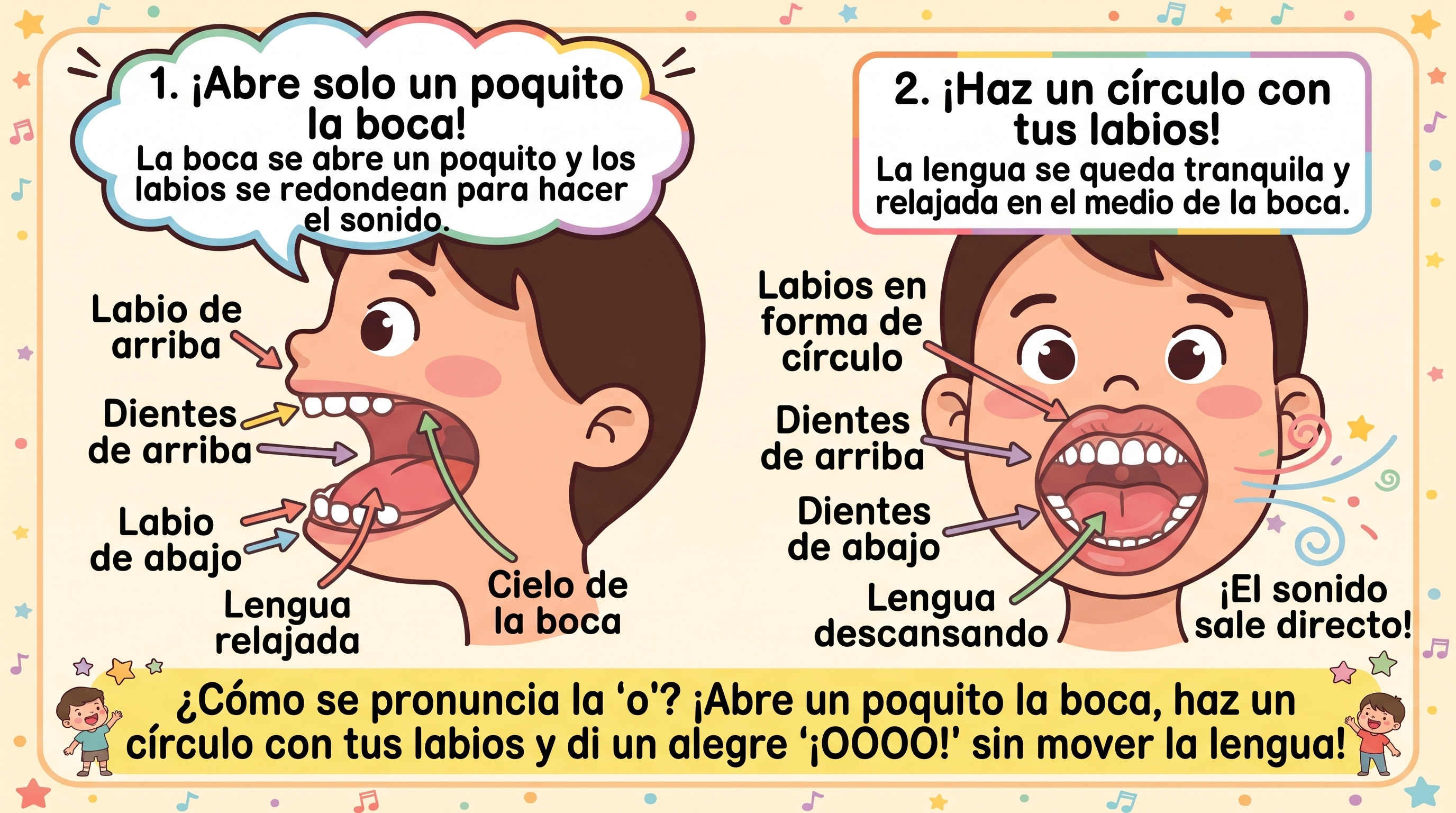
拼音Pīnyīn中zhōng的de“o”的de发音fāyīn和hé西班牙语Xībānyáyǔ单词dāncí“como”或huò英语Yīngyǔ单词dāncí“more”中zhōng的de“o”相似xiāngsì。/El sonido «o» en pinyin se pronuncia de manera similar a la «o» en la palabra en español «como» o en inglés «more»./The sound “o” in pinyin is pronounced much like the “o” in the Spanish word “como” or the English word “more”.
发音Fāyīn时shí,嘴唇zuǐchún拢圆lǒngyuán,嘴巴zuǐba张开zhāngkāi。/Se produce con los labios redondeados y la boca abierta./It is produced with rounded lips and the mouth open.
--------------------------------------------------------------------------------
--------------------------------------------------------------------------------
• 嘴巴Zuǐba稍微shāowēi张开zhāngkāi,嘴唇zuǐchún拢圆lǒngyuán,发出fāchū“o”音yīn。/La boca se abre ligeramente, y los labios se redondean para producir el sonido./The mouth opens slightly, and the lips are rounded to produce the sound.
• 它Tā是shì一个yígè比较bǐjiào闭bì的de元音yuányīn,但dàn没有méiyǒu“u”那么nàme闭bì。/Es una vocal cerrada, pero no tanto como la «u»./It is a closed vowel, but not as closed as “u”.
• 舌头Shétou放fàng在zài口腔kǒuqiāng中间zhōngjiān,保持bǎochí放松fàngsōng。/La lengua se coloca en una posición relajada en la parte media de la boca./The tongue rests in a relaxed position in the middle of the mouth.
• 在Zài“b”“p”“m”“f”后面hòumian,“o”前qián会huì带dài一点儿yìdiǎnr“u”的de音yīn:“bo”听起来tīngqǐlái像xiàng“buo”。/Después de «b», «p», «m» y «f» se oye una ligera «u» delante de la «o»: «bo» suena casi como «buo»./After “b”, “p”, “m” and “f”, a slight “w” glide is heard before the “o”: “bo” sounds rather like “bwo”.
1) 波bō/ola/wave
2) 婆pó/anciana, abuela/old woman, grandmother
3) 摸mō/tocar, palpar/to touch, to feel
4) 佛fó/Buda/Buddha
5) 魔mó/demonio/demon
6) 我wǒ/yo/I, me
7) 多duō/mucho/many, much
8) 坐zuò/sentarse/to sit
9) 破pò/romper/to break
10) 国guó/país/country
11) 喔ō/¡oh!/oh!
12) 播bō/emitir; sembrar/to broadcast; to sow
13) 坡pō/cuesta, ladera/slope
14) 墨mò/tinta china/Chinese ink
15) 泼pō/salpicar, echar (agua)/to splash
--------------------------------------------------------------------------------
在Zài所有suǒyǒu这些zhèxiē例子lìzi中zhōng,“o”的de发音fāyīn基本jīběn不变búbiàn,每个měigè字zì的de声调shēngdiào则zé随suí意思yìsi而ér不同bùtóng。/En todos estos ejemplos, el sonido «o» se mantiene bastante consistente, y el tono de cada palabra varía según el significado./In all these examples, the “o” sound stays fairly consistent, and the tone of each word varies according to its meaning.
要Yào注意zhùyì声调shēngdiào(比如bǐrú波bō和hé破pò),才cái能néng发音fāyīn准确zhǔnquè。/Asegúrate de tener en cuenta los tonos (como en bō o pò) para una pronunciación precisa./Make sure you take the tones into account (as in bō or pò) for accurate pronunciation.

Practica aquí · 在这里练习
--------------------------------------------------------------------------------
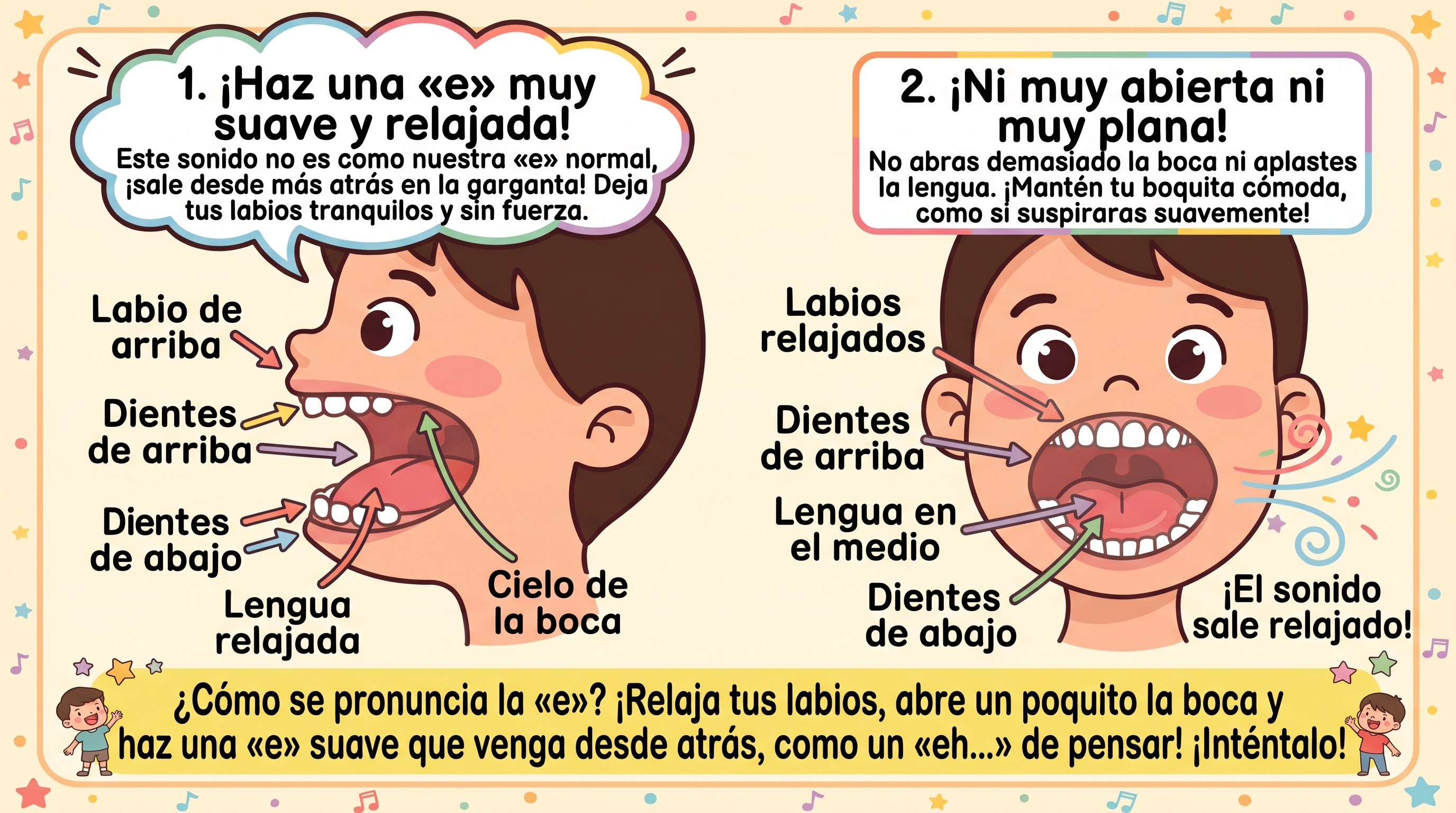
拼音Pīnyīn中zhōng的de“e”和hé西班牙语Xībānyáyǔ单词dāncí“perro”中zhōng的de“e”不一样bùyíyàng,它tā更gèng接近jiējìn英语Yīngyǔ单词dāncí“sofa”中zhōng的de“a”,但dàn发音fāyīn部位bùwèi更gèng靠后kàohòu。/El sonido «e» en pinyin no es como la «e» española de «perro»: se parece más a la «a» de la palabra inglesa «sofa», pero se pronuncia más atrás en la boca./The sound “e” in pinyin is not like the Spanish “e” in “perro”: it is closer to the “a” in the English word “sofa”, but it is pronounced further back in the mouth.
它Tā比bǐ“a”稍shāo闭bì一些yìxiē,发音fāyīn时shí嘴巴zuǐba张开zhāngkāi,但dàn嘴唇zuǐchún不bù拢圆lǒngyuán。/Es una vocal un poco más cerrada que la «a», y se produce con la boca abierta, pero los labios no se redondean./It is a slightly more closed vowel than “a”, produced with the mouth open but without rounding the lips.
--------------------------------------------------------------------------------
--------------------------------------------------------------------------------
• 嘴巴Zuǐba稍微shāowēi张开zhāngkāi,但dàn没有méiyǒu发fā“a”时shí张zhāng得de那么nàme大dà。/La boca se abre ligeramente, pero no tanto como para la «a»./The mouth opens slightly, but not as much as for “a”.
• 声音Shēngyīn像xiàng一个yígè放松fàngsōng的de“e”,发音fāyīn部位bùwèi靠后kàohòu,既jì不太bútài扁biǎn,也yě不太bútài开kāi。/Suena como una «e» suave y relajada, pronunciada más atrás, sin ser completamente plana ni muy abierta./It sounds like a soft, relaxed “e” made further back, neither completely flat nor very open.
• 小窍门Xiǎoqiàomén:舌头shétou的de位置wèizhi和hé发fā“o”时shí一样yíyàng,只是zhǐshì嘴唇zuǐchún不bù拢圆lǒngyuán,嘴角zuǐjiǎo稍shāo向xiàng两边liǎngbiān展开zhǎnkāi。/Truco: coloca la lengua como para la «o», pero sin redondear los labios, estirándolos un poco hacia los lados./Tip: place your tongue as for “o”, but do not round your lips; spread them slightly to the sides instead.
• 在Zài“ie”“üe”和hé“ei”里lǐ,“e”的de发音fāyīn更gèng像xiàng西班牙语Xībānyáyǔ的de“e”。/En «ie», «üe» y «ei», en cambio, la «e» suena más parecida a la «e» española./In “ie”, “üe” and “ei”, however, the “e” sounds more like the “e” in “bed”.
1) 哥gē/hermano mayor/elder brother
2) 饿è/hambriento, tener hambre/hungry
3) 车chē/coche, vehículo/car, vehicle
4) 乐lè/alegría, alegre/joy, happy
5) 得dé/obtener/to obtain, to get
6) 特tè/especial/special
7) 课kè/lección/lesson
8) 的de/partícula posesiva (tono neutro)/possessive particle (neutral tone)
9) 喝hē/beber/to drink
10) 社shè/sociedad/society
11) 鹅é/oca/goose
12) 河hé/río/river
13) 渴kě/tener sed/thirsty
14) 歌gē/canción/song
15) 热rè/caliente/hot
--------------------------------------------------------------------------------
普通话Pǔtōnghuà的de很多hěnduō词语cíyǔ里lǐ都dōu有yǒu“e”音yīn,它tā可以kěyǐ带dài不同bùtóng的de声调shēngdiào,比如bǐrú哥gē和hé饿è,声调shēngdiào不同bùtóng,意思yìsi也yě不同bùtóng。/El sonido «e» se utiliza en muchas palabras del chino mandarín y puede ir acompañado de diferentes tonos, como en gē (hermano mayor) o è (hambriento), que varían el significado./The “e” sound is used in many Mandarin Chinese words and can carry different tones, as in gē (elder brother) or è (hungry), which change the meaning.
āáǎà
ā
á
ǎ
à
ōóǒò
ō
ó
ǒ
ò
ēéěè
ē
é
ě
è

主题/Zhǔtí/Tema/Theme

主题 2/Zhǔtí 2/Tema/Theme 2

词汇 Cíhuì/Vocabulario/Vocabulary

PDF与视频/PDF,videos Y Quiz/PDF, Videos and Quiz

PDF与视频/PDF,videos Y Quiz/PDF, Videos and Quiz
