
PRIMARIA_C2_N1_27_T23
** 27_T23_纸船和风筝/Zhǐchuán hé fēngzheng/El barco de papel y la cometa/The Paper Boat and the Kite **
** 额外内容/Contenido adicional/Additional Content **
** 扩大和替换/Kuòdà hé tìhuàn/Ampliar y sustituir/Expand and substitute. **
纸船漂到了小熊家门口。/El barco de papel llegó a la puerta del osito./The paper boat reached Little Bear's door.
纸船漂哇漂,漂到了小熊家门口。/El barco flotó y flotó hasta llegar a la puerta del osito./The paper boat floated and floated until it reached Little Bear's door.
风筝飘到了松鼠家门口。/La cometa llegó a la puerta de la ardilla./The kite reached Squirrel's door.
风筝飘哇飘,飘到了松鼠家门口。/La cometa voló y voló hasta llegar a la puerta de la ardilla./The kite drifted and drifted until it reached Squirrel's door.
--------------------------------------------------------------------------------
如果你愿意和好,就放一只风筝吧!/Si quieres que hagamos las paces, ¡echa a volar una cometa!/If you'd like to make up, fly a kite!
--------------------------------------------------------------------------------
纸船上/en el barco de papel/on the paper boat
· 祝你快乐/«¡Que seas feliz!»./“Wishing you joy!”
风筝上/en la cometa/on the kite
· 祝你幸福/«¡Que seas dichosa!»./“Wishing you happiness!”
吵架以后/después de pelearse/after the quarrel
· 他们都很难过/los dos están muy tristes./they're both very sad.
最后/al final/in the end
· 他们又和好了/vuelven a hacer las paces./they make up again.
** 想一想, 说一说/Xiǎng yi xiǎng, shuō yi shuō/Piensa y responde/Think and answer the following questions **
--------------------------------------------------------------------------------
纸船和风筝为什么能让松鼠和小熊成为好朋友?/¿Por qué el barco de papel y la cometa hacen amigos a la ardilla y al osito?/Why do the paper boat and the kite make Squirrel and Little Bear good friends?
小熊也想写一张卡片,挂在风筝上送给松鼠,请你替他写一写吧。/El osito también quiere escribir una tarjeta y colgarla en la cometa para la ardilla. Escríbela tú por él./Little Bear also wants to write a card and hang it on the kite for Squirrel. Write it for him.
** 家庭/Jiātíng/FAMILIA/FAMILY **
--------------------------------------------------------------------------------
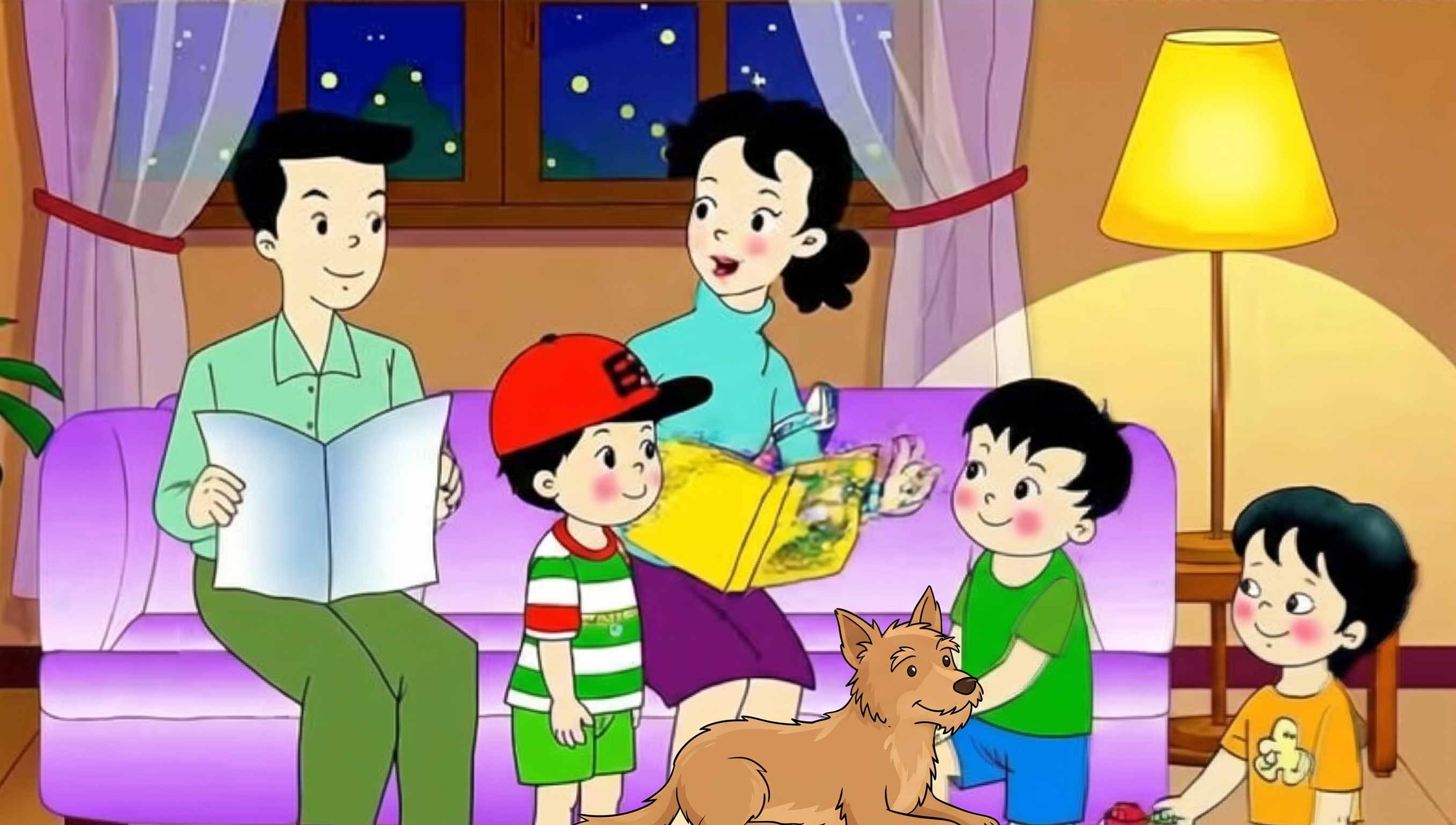
宝宝一家/La familia de Baobao/Baobao's family
爸爸/Papá, padre/Dad, father
妈妈/Mamá, madre/Mum, mother
宝宝/Baobao/Baobao
婷婷/Tíngting/Tíngting
嘟嘟/Dudú/Dudú
洛基/Rocky/Rocky
** 对话/Duìhuà/Diálogo/Dialogue **
--------------------------------------------------------------------------------
婷婷妈妈,我和小丽吵了一架,我很难过。/Tíngting: Mamá, me he peleado con Xiaoli y estoy muy triste./Tíngting: Mum, I've quarrelled with Xiaoli and I'm really sad.
妈妈你还愿意和她做好朋友吗?/Mamá: ¿Todavía quieres ser su amiga?/Mum: Do you still want to be her friend?
婷婷愿意,可是我不好意思先说。/Tíngting: Sí, pero me da vergüenza dar el primer paso./Tíngting: Yes, but I'm too shy to say so first.
宝宝你可以像松鼠一样,给她写一张纸条。/Baobao: Puedes hacer como la ardilla y escribirle una nota./Baobao: You could be like Squirrel and write her a note.
嘟嘟写上如果你愿意和好,就对我笑一笑吧!/Dudú: Pon: «Si quieres que hagamos las paces, ¡sonríeme!»./Dudú: Write: “If you'd like to make up, give me a smile!”
爸爸好主意。朋友之间不要为了一点儿小事吵架。/Papá: Buena idea. Entre amigos no hay que pelearse por tonterías./Dad: Good idea. Friends shouldn't quarrel over little things.
婷婷我现在就去写,再送她一只纸船!/Tíngting: ¡Voy a escribirla ahora mismo y le regalaré un barco de papel!/Tíngting: I'll write it right now, and give her a paper boat too!
洛基汪汪!/Rocky: ¡Guau!/Rocky: Woof!
▶ 📝 评论 / Comentarios / Comments
纸船和风筝:友谊需要珍惜:
1. 抓住线索: 纸船 (zhǐchuán) 和 风筝 (fēngzheng) 是故事的线索:它们让松鼠和小熊成了好朋友,吵架后它们不见了,最后又把两个好朋友连在了一起。让学生按这条线索讲一讲故事,再读一读、比一比“纸船漂到了……”和“纸船漂哇漂 (piāo wa piāo) ,漂到了……”。
2. 体会心情: 收到礼物时“乐坏了 (lè huài le) ”,吵架后“很难过 (hěn nánguò) ”,看到风筝时“高兴得哭了 (gāoxìng de kū le) ”。引导学生找出表示心情的词语,读出松鼠和小熊心情的变化。
3. 联系生活: 和好朋友闹矛盾时,要像松鼠一样主动和好。可以让学生说说自己和朋友和好的经历。
Comentario Pedagógico: El barco de papel y la cometa: hay que cuidar la amistad:
1. El hilo conductor: 纸船 (zhǐchuán) y 风筝 (fēngzheng) guían la historia: hacen amigos a la ardilla y al osito, desaparecen tras la pelea y al final vuelven a unirlos. Los alumnos cuentan la historia siguiendo ese hilo y comparan “纸船漂到了……” con “纸船漂哇漂 (piāo wa piāo) ,漂到了……”.
2. Los sentimientos: Al recibir los regalos están “乐坏了 (lè huài le) ”, tras la pelea “很难过 (hěn nánguò) ” y al ver la cometa la ardilla “高兴得哭了 (gāoxìng de kū le) ”. Los alumnos buscan las palabras de sentimientos y leen reflejando los cambios.
3. Relacionarlo con la vida: Cuando discutimos con un amigo, conviene dar el primer paso como la ardilla. Los alumnos pueden contar cómo han hecho las paces con un amigo.
Pedagogical Commentary: The Paper Boat and the Kite: friendship is worth treasuring:
1. The thread of the story: 纸船 (zhǐchuán) and 风筝 (fēngzheng) carry the story: they make Squirrel and Little Bear friends, disappear after the quarrel and finally bring them together again. Students retell the story following this thread and compare “纸船漂到了……” with “纸船漂哇漂 (piāo wa piāo) ,漂到了……”.
2. Feelings: Receiving the gifts they are “乐坏了 (lè huài le) ”, after the quarrel “很难过 (hěn nánguò) ”, and seeing the kite Squirrel “高兴得哭了 (gāoxìng de kū le) ”. Students find the feeling words and read with the changes in mood.
3. Linking to life: When we fall out with a friend, we should take the first step like Squirrel. Students can share how they have made up with a friend.

主题/Zhǔtí/Tema/Theme

其他/Qítā/Otros/Others.

词汇 Cíhuì/Vocabulario/Vocabulary

PDF与视频/PDF,videos Y Quiz/PDF, Videos and Quiz
