
PRIMARIA_C2_N1_25_T21
** 25_T21_狐假虎威/Hú jiǎ hǔ wēi/El zorro que se aprovecha del tigre/The Fox Borrows the Tiger's Might **
** 额外内容/Contenido adicional/Additional Content **
** 扩大和替换/Kuòdà hé tìhuàn/Ampliar y sustituir/Expand and substitute. **
威风/poder, fama/might
老虎的威风/el poder del tigre/the tiger's might
借着老虎的威风/aprovechándose del poder del tigre/borrowing the tiger's might
狐狸是借着老虎的威风把百兽吓跑的。/El zorro asustó a los animales aprovechándose del poder del tigre./The fox scared the animals away by borrowing the tiger's might.
跑/correr/run
撒腿就跑/salir corriendo/take to one's heels
大大小小的野兽吓得撒腿就跑。/Los animales, grandes y pequeños, salieron corriendo asustados./Beasts big and small took to their heels in fright.
--------------------------------------------------------------------------------
狐狸神气活现,摇头摆尾老虎半信半疑,东张西望。/El zorro iba muy ufano, moviendo la cabeza y la cola; el tigre, medio convencido, miraba a un lado y a otro./The fox strutted along, wagging its head and tail; the tiger, half believing, glanced around.
--------------------------------------------------------------------------------
写狐狸的/describen al zorro/describing the fox
· 神气活现、摇头摆尾、大摇大摆/muy ufano, moviendo cabeza y cola, pavoneándose./full of airs, wagging head and tail, swaggering.
写老虎的/describen al tigre/describing the tiger
· 半信半疑、东张西望/medio convencido, mirando a todas partes./half believing, glancing around.
** 想一想, 说一说/Xiǎng yi xiǎng, shuō yi shuō/Piensa y responde/Think and answer the following questions **
--------------------------------------------------------------------------------
说说狐假虎威的意思。/Explica qué significa «el zorro que se aprovecha del tigre»./Explain what “the fox borrowing the tiger's might” means.
狐狸是怎么骗老虎的?/¿Cómo engaña el zorro al tigre?/How does the fox trick the tiger?
** 家庭/Jiātíng/FAMILIA/FAMILY **
--------------------------------------------------------------------------------
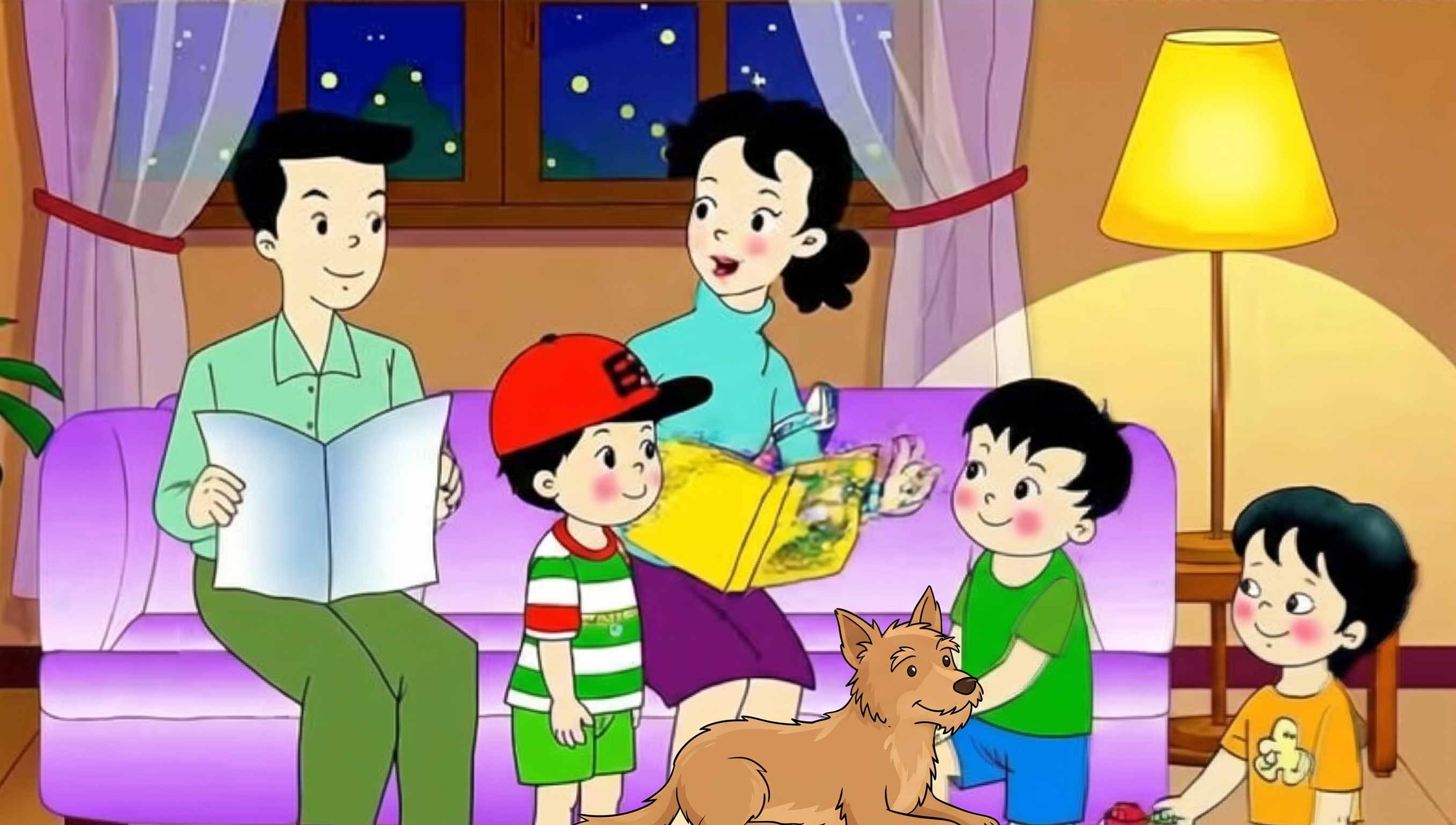
宝宝一家/La familia de Baobao/Baobao's family
爸爸/Papá, padre/Dad, father
妈妈/Mamá, madre/Mum, mother
宝宝/Baobao/Baobao
婷婷/Tíngting/Tíngting
嘟嘟/Dudú/Dudú
洛基/Rocky/Rocky
** 对话/Duìhuà/Diálogo/Dialogue **
--------------------------------------------------------------------------------
婷婷爸爸,狐假虎威是什么意思?/Tíngting: Papá, ¿qué significa «hu jia hu wei»?/Tíngting: Dad, what does “the fox borrows the tiger's might” mean?
爸爸狐狸借着老虎的威风吓跑了百兽。/Papá: El zorro asustó a todos los animales aprovechándose del poder del tigre./Dad: The fox scared away all the animals by borrowing the tiger's might.
嘟嘟狐狸太聪明了,它说老天爷派它来管百兽。/Dudú: ¡Qué listo es el zorro! Dijo que el Cielo lo había mandado a gobernar a los animales./Dudú: The fox is so clever – it said Heaven had sent it to rule the animals.
妈妈那不是聪明,是狡猾。它欺骗了老虎。/Mamá: Eso no es ser listo, es ser astuto. Engañó al tigre./Mum: That's not clever, that's sly. It deceived the tiger.
宝宝老虎半信半疑,东张西望,真好笑。/Baobao: El tigre, medio convencido, mirando a todas partes… ¡qué gracioso!/Baobao: The tiger, half believing and glancing around – so funny!
婷婷我们不能像狐狸那样,借别人的威风吓唬人。/Tíngting: No debemos ser como el zorro y asustar a los demás usando el poder de otro./Tíngting: We mustn't be like the fox and scare people with someone else's power.
洛基汪汪!/Rocky: ¡Guau!/Rocky: Woof!
嘟嘟洛基也想神气活现一下!/Dudú: ¡Rocky también quiere ir muy ufano!/Dudú: Rocky wants to strut about too!
▶ 📝 评论 / Comentarios / Comments
狐假虎威:一个成语故事:
1. 理解成语: “狐假虎威 (hújiǎhǔwēi) ”中的“假”是“借”的意思。读完故事,让学生说说这个成语的意思:比喻借着别人的势力来欺压人、吓唬人。
2. 区分人物: 神气活现 (shénqì-huóxiàn) 、摇头摆尾 (yáotóu-bǎiwěi) 、大摇大摆 (dàyáo-dàbǎi) 是写狐狸的,半信半疑 (bànxìn-bànyí) 、东张西望 (dōngzhāng-xīwàng) 是写老虎的。让学生分角色演一演,把这些词语的意思表现出来。
3. 读出语气: 狐狸“扯着嗓子”说话,“你敢吃我?”“我看你有多大的胆子!”让学生读出狐狸装腔作势的语气。
1. 理解成语: “狐假虎威 (hújiǎhǔwēi) ”中的“假”是“借”的意思。读完故事,让学生说说这个成语的意思:比喻借着别人的势力来欺压人、吓唬人。
2. 区分人物: 神气活现 (shénqì-huóxiàn) 、摇头摆尾 (yáotóu-bǎiwěi) 、大摇大摆 (dàyáo-dàbǎi) 是写狐狸的,半信半疑 (bànxìn-bànyí) 、东张西望 (dōngzhāng-xīwàng) 是写老虎的。让学生分角色演一演,把这些词语的意思表现出来。
3. 读出语气: 狐狸“扯着嗓子”说话,“你敢吃我?”“我看你有多大的胆子!”让学生读出狐狸装腔作势的语气。
Comentario Pedagógico: El zorro que se aprovecha del tigre: la historia de un chengyu:
1. Entender el chengyu: En “狐假虎威 (hújiǎhǔwēi) ”, “假” significa “tomar prestado”. Tras leer la historia, los alumnos explican su sentido: aprovecharse del poder de otro para intimidar a los demás.
2. Distinguir a los personajes: 神气活现 (shénqì-huóxiàn) , 摇头摆尾 (yáotóu-bǎiwěi) y 大摇大摆 (dàyáo-dàbǎi) describen al zorro; 半信半疑 (bànxìn-bànyí) y 东张西望 (dōngzhāng-xīwàng) , al tigre. Los alumnos lo representan por papeles, expresando el sentido de cada expresión.
3. El tono: El zorro habla “a voz en grito”: “你敢吃我?”, “我看你有多大的胆子!”. Los alumnos leen con su tono fanfarrón.
Pedagogical Commentary: The Fox Borrows the Tiger's Might: the story behind an idiom:
1. Understanding the idiom: In “狐假虎威 (hújiǎhǔwēi) ”, “假” means “to borrow”. After reading, students explain the idiom: using someone else's power to bully or frighten others.
2. Telling the characters apart: 神气活现 (shénqì-huóxiàn) , 摇头摆尾 (yáotóu-bǎiwěi) and 大摇大摆 (dàyáo-dàbǎi) describe the fox; 半信半疑 (bànxìn-bànyí) and 东张西望 (dōngzhāng-xīwàng) describe the tiger. Students act out the story, showing the meaning of each phrase.
3. Tone of voice: The fox speaks “at the top of its voice”: “你敢吃我?”, “我看你有多大的胆子!”. Students read with its bluffing tone.

主题/Zhǔtí/Tema/Theme

其他/Qítā/Otros/Others.

词汇 Cíhuì/Vocabulario/Vocabulary

PDF与视频/PDF,videos Y Quiz/PDF, Videos and Quiz
