
PRIMARIA_C2_N1_22_T18
** 22_T18_古诗二首/Gǔshī èr shǒu/Dos poemas clásicos/Two Classical Poems **
** 额外内容/Contenido adicional/Additional Content **
** 扩大和替换/Kuòdà hé tìhuàn/Ampliar y sustituir/Expand and substitute. **
星辰/estrellas/stars
摘星辰/coger las estrellas/pluck the stars
手可摘星辰/se podrían coger las estrellas con la mano/you could pluck the stars by hand
危楼高百尺,手可摘星辰。/La torre tiene cien pies; se podrían coger las estrellas con la mano./The tower is a hundred feet high; you could pluck the stars by hand.
牛羊/vacas y ovejas/cattle and sheep
见牛羊/aparecen las vacas y las ovejas/cattle and sheep appear
天苍苍,野茫茫,风吹草低见牛羊。/Cielo inmenso, campos sin fin; sopla el viento, la hierba se inclina y aparecen las vacas y las ovejas./Vast sky, boundless land; the wind blows, the grass bends and cattle and sheep appear.
--------------------------------------------------------------------------------
不敢高声语,恐惊天上人。/No me atrevo a hablar alto, por miedo a asustar a los que viven en el cielo./I dare not speak aloud, for fear of startling those in heaven.
--------------------------------------------------------------------------------
夜宿山寺/Noche en un templo de montaña/Night at a Mountain Temple
· 写山寺的高/describe lo alto que es el templo./shows how high the temple is.
敕勒歌/Canción de Chile/Song of the Chile
· 写草原的辽阔/describe la inmensidad de la pradera./shows how vast the grassland is.
** 想一想, 说一说/Xiǎng yi xiǎng, shuō yi shuō/Piensa y responde/Think and answer the following questions **
--------------------------------------------------------------------------------
读危楼高百尺,手可摘星辰,你仿佛看到了什么?/Al leer «la torre tiene cien pies, se podrían coger las estrellas», ¿qué te parece ver?/Reading “the tower is a hundred feet high, you could pluck the stars”, what do you seem to see?
《敕勒歌》写了草原上的哪些景物?/¿Qué paisajes de la pradera describe la «Canción de Chile»?/What scenes of the grassland does the “Song of the Chile” describe?
** 家庭/Jiātíng/FAMILIA/FAMILY **
--------------------------------------------------------------------------------
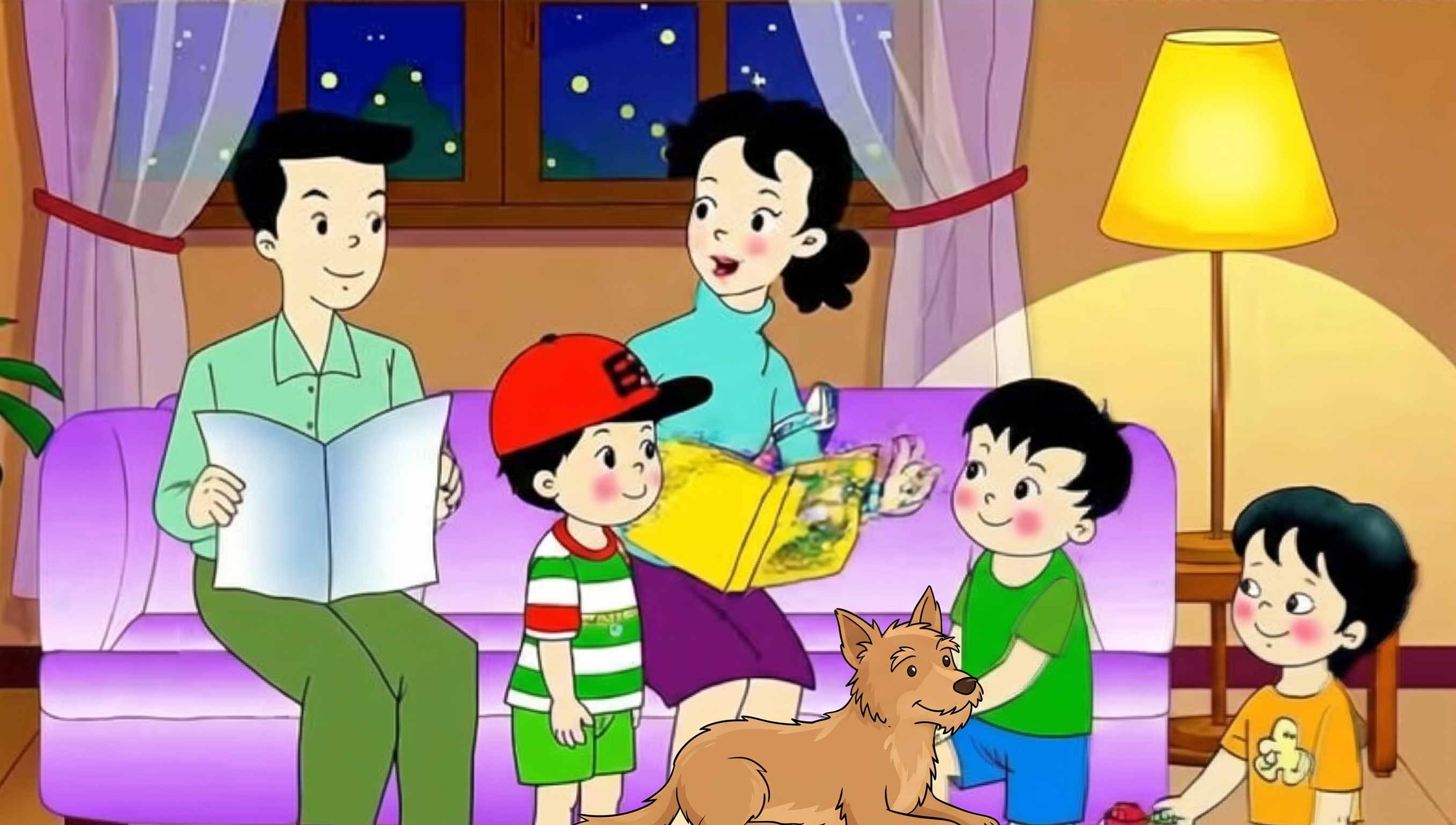
宝宝一家/La familia de Baobao/Baobao's family
爸爸/Papá, padre/Dad, father
妈妈/Mamá, madre/Mum, mother
宝宝/Baobao/Baobao
婷婷/Tíngting/Tíngting
嘟嘟/Dudú/Dudú
洛基/Rocky/Rocky
** 对话/Duìhuà/Diálogo/Dialogue **
--------------------------------------------------------------------------------
爸爸今晚我们住在山上的小旅馆里。/Papá: Esta noche dormimos en un hotelito en la montaña./Dad: Tonight we're staying in a little inn on the mountain.
婷婷哇,星星好近啊,好像伸手就能摘到!/Tíngting: ¡Hala, qué cerca están las estrellas! ¡Parece que se puedan coger con la mano!/Tíngting: Wow, the stars are so close! It's as if you could reach out and pluck them!
宝宝就像李白写的危楼高百尺,手可摘星辰。/Baobao: Como escribió Li Bai: «La torre tiene cien pies, se podrían coger las estrellas»./Baobao: Just as Li Bai wrote: “The tower is a hundred feet high; you could pluck the stars.”
嘟嘟嘘,小声点儿,别惊动天上的人!/Dudú: ¡Chis! Más bajito, ¡no vayamos a asustar a los del cielo!/Dudú: Shh, keep your voice down, don't disturb the people in heaven!
妈妈哈哈,你也会背这首诗呀!/Mamá: ¡Ja, ja, tú también te sabes este poema!/Mum: Ha ha, you know this poem too!
婷婷明年我想去大草原,看风吹草低见牛羊。/Tíngting: El año que viene quiero ir a la gran pradera a ver cómo el viento inclina la hierba y aparecen las vacas y las ovejas./Tíngting: Next year I want to go to the great grassland and see the wind bend the grass and reveal the cattle and sheep.
洛基汪汪!/Rocky: ¡Guau!/Rocky: Woof!
▶ 📝 评论 / Comentarios / Comments
古诗二首:山寺的高与草原的辽阔:
1. 读诗想画面: 《夜宿山寺》用“危楼高百尺 (wēilóu gāo bǎi chǐ) ,手可摘星辰 (shǒu kě zhāi xīngchén) ”夸张地写出了山寺的高;《敕勒歌》用“天苍苍 (tiān cāngcāng) ,野茫茫 (yě mángmáng) ”写出了草原的辽阔。让学生边读边想象,再用自己的话说一说。
2. 有趣的想象: “不敢高声语,恐惊天上人”,诗人怕说话声太大,惊动了天上的仙人。引导学生体会诗人丰富的想象。
3. 背诵积累: 两首诗都很短,节奏鲜明。可以让学生配合图画背诵,感受古诗的美。
1. 读诗想画面: 《夜宿山寺》用“危楼高百尺 (wēilóu gāo bǎi chǐ) ,手可摘星辰 (shǒu kě zhāi xīngchén) ”夸张地写出了山寺的高;《敕勒歌》用“天苍苍 (tiān cāngcāng) ,野茫茫 (yě mángmáng) ”写出了草原的辽阔。让学生边读边想象,再用自己的话说一说。
2. 有趣的想象: “不敢高声语,恐惊天上人”,诗人怕说话声太大,惊动了天上的仙人。引导学生体会诗人丰富的想象。
3. 背诵积累: 两首诗都很短,节奏鲜明。可以让学生配合图画背诵,感受古诗的美。
Comentario Pedagógico: Dos poemas clásicos: la altura del templo y la inmensidad de la pradera:
1. Leer e imaginar: «Noche en un templo de montaña» exagera la altura del templo con “危楼高百尺 (wēilóu gāo bǎi chǐ) , 手可摘星辰 (shǒu kě zhāi xīngchén) ”; la «Canción de Chile» muestra la inmensidad de la pradera con “天苍苍 (tiān cāngcāng) , 野茫茫 (yě mángmáng) ”. Los alumnos imaginan las escenas y las cuentan con sus palabras.
2. Una imaginación divertida: “不敢高声语,恐惊天上人”: el poeta teme que su voz despierte a los inmortales del cielo. Los alumnos descubren la riqueza de su imaginación.
3. Memorizar: Los dos poemas son breves y rítmicos. Los alumnos pueden recitarlos con ayuda de las ilustraciones y disfrutar de su belleza.
Pedagogical Commentary: Two Classical Poems: the height of the temple and the vastness of the grassland:
1. Read and imagine: “Spending the Night at a Mountain Temple” exaggerates the temple's height with “危楼高百尺 (wēilóu gāo bǎi chǐ) , 手可摘星辰 (shǒu kě zhāi xīngchén) ”; the “Song of the Chile” shows the vast grassland with “天苍苍 (tiān cāngcāng) , 野茫茫 (yě mángmáng) ”. Students picture the scenes and describe them in their own words.
2. Playful imagination: “不敢高声语,恐惊天上人”: the poet fears his voice might disturb the immortals in heaven. Students appreciate his rich imagination.
3. Memorising: Both poems are short and rhythmic. Students can recite them with the help of the pictures and enjoy their beauty.

主题/Zhǔtí/Tema/Theme

其他/Qítā/Otros/Others.

词汇 Cíhuì/Vocabulario/Vocabulary

PDF与视频/PDF,videos Y Quiz/PDF, Videos and Quiz
