
PRIMARIA_C2_N1_21_T17
** 21_T17_难忘的泼水节/Nánwàng de Pōshuǐ Jié/Una Fiesta del Agua inolvidable/An Unforgettable Water-Splashing Festival **
** 额外内容/Contenido adicional/Additional Content **
** 扩大和替换/Kuòdà hé tìhuàn/Ampliar y sustituir/Expand and substitute. **
地毯/alfombra/carpet
鲜红的地毯/una alfombra roja/a bright red carpet
好像铺上了鲜红的地毯/como si hubieran extendido una alfombra roja/as if a bright red carpet had been laid
人们撒满了凤凰花的花瓣,好像铺上了鲜红的地毯。/Cubrieron el suelo de pétalos de flamboyán, como si hubieran extendido una alfombra roja./People scattered phoenix-flower petals everywhere, as if laying a bright red carpet.
泼水节/Fiesta del Agua/Water-Splashing Festival
难忘的泼水节/una Fiesta del Agua inolvidable/an unforgettable Water-Splashing Festival
多么令人难忘啊,1961年的泼水节!/¡Qué inolvidable fue la Fiesta del Agua de 1961!/How unforgettable it was, the 1961 Water-Splashing Festival!
--------------------------------------------------------------------------------
周总理一手端着盛满清水的银碗,一手拿着柏树枝蘸了水,向人们泼洒,为人们祝福。/Con una mano sostenía un cuenco de plata con agua y, con la otra, una rama de ciprés mojada con la que salpicaba a la gente para desearle felicidad./Holding a silver bowl of water in one hand and a wet cypress twig in the other, Premier Zhou splashed the people to bless them.
--------------------------------------------------------------------------------
象脚鼓/tambor de pie de elefante/elephant-foot drum
· 敲着欢乐的鼓点/tocando un ritmo alegre./beating a joyful rhythm.
凤凰花/flamboyán/phoenix flower
· 铺成了地毯/forma una «alfombra»./makes a “carpet”.
银碗/cuenco de plata/silver bowl
· 盛满了清水/lleno de agua clara./full of clear water.
柏树枝/rama de ciprés/cypress twig
· 蘸了水向人们泼洒/mojada para salpicar a la gente./dipped in water to splash the people.
** 想一想, 说一说/Xiǎng yi xiǎng, shuō yi shuō/Piensa y responde/Think and answer the following questions **
--------------------------------------------------------------------------------
周总理是怎样和傣族人民一起过泼水节的?/¿Cómo celebró el primer ministro Zhou la Fiesta del Agua con el pueblo dai?/How did Premier Zhou celebrate the Water-Splashing Festival with the Dai people?
为什么说1961年的泼水节令人难忘?/¿Por qué se dice que la Fiesta del Agua de 1961 fue inolvidable?/Why is the 1961 Water-Splashing Festival said to be unforgettable?
** 家庭/Jiātíng/FAMILIA/FAMILY **
--------------------------------------------------------------------------------
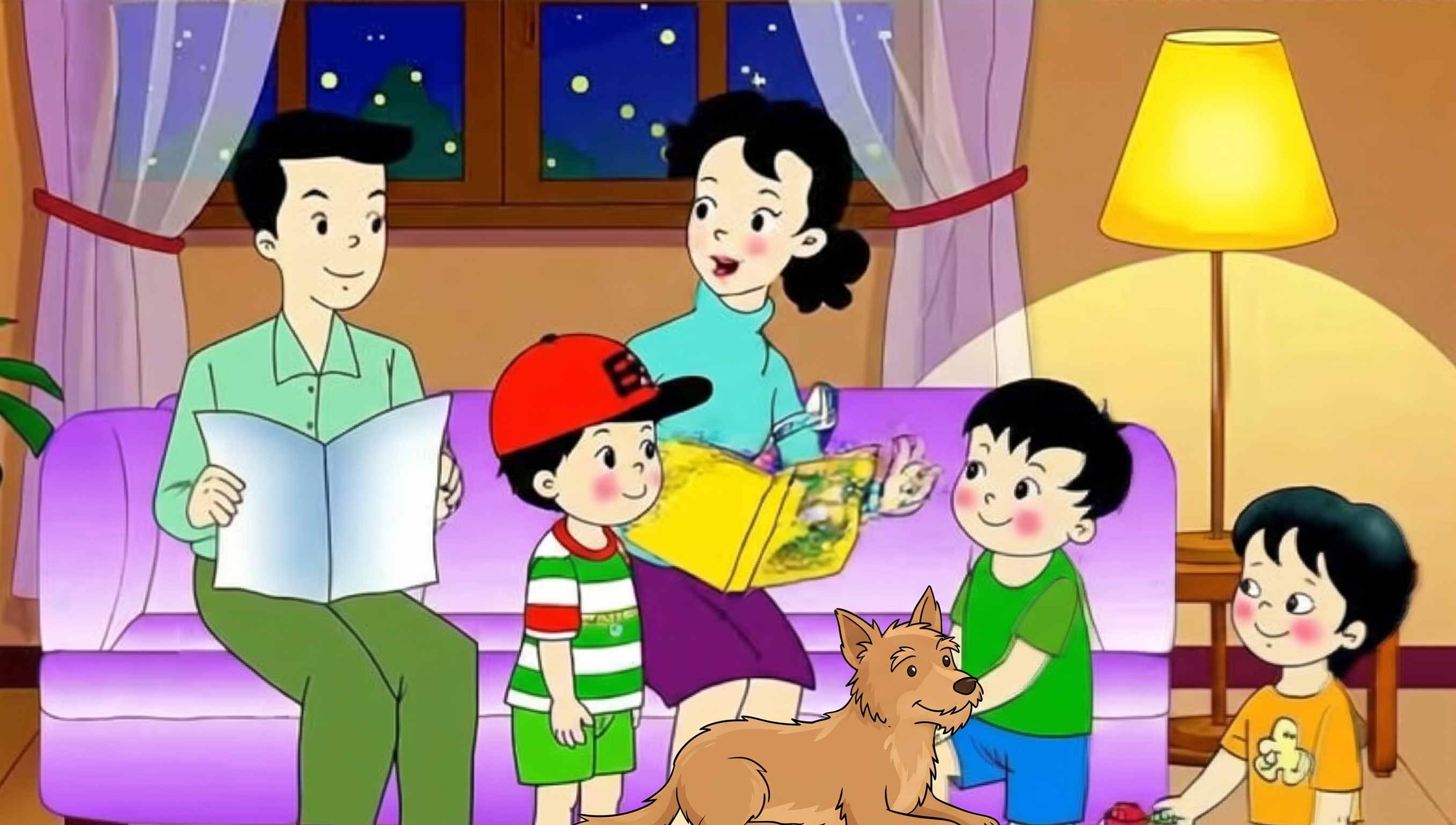
宝宝一家/La familia de Baobao/Baobao's family
爸爸/Papá, padre/Dad, father
妈妈/Mamá, madre/Mum, mother
宝宝/Baobao/Baobao
婷婷/Tíngting/Tíngting
嘟嘟/Dudú/Dudú
洛基/Rocky/Rocky
** 对话/Duìhuà/Diálogo/Dialogue **
--------------------------------------------------------------------------------
婷婷妈妈,泼水节是哪个民族的节日?/Tíngting: Mamá, ¿de qué etnia es la Fiesta del Agua?/Tíngting: Mum, which ethnic group's festival is the Water-Splashing Festival?
妈妈是傣族人民一年一度的节日。/Mamá: Es la fiesta anual del pueblo dai./Mum: It's the Dai people's yearly festival.
嘟嘟大家互相泼水,不会生气吗?/Dudú: Si todos se echan agua, ¿no se enfadan?/Dudú: When everyone splashes each other, don't they get cross?
爸爸不会。泼水是为了祝福别人健康长寿。/Papá: No. Echar agua es una forma de desear salud y larga vida a los demás./Dad: No. Splashing water is a way of wishing others good health and a long life.
宝宝1961年,周恩来总理和傣族人民一起过泼水节。/Baobao: En 1961, el primer ministro Zhou Enlai celebró la Fiesta del Agua con el pueblo dai./Baobao: In 1961 Premier Zhou Enlai celebrated the festival with the Dai people.
婷婷他敲着象脚鼓,跟大家一起跳舞,笑容满面。/Tíngting: Tocaba el tambor y bailaba con todos, muy sonriente./Tíngting: He beat the drum and danced with everyone, all smiles.
嘟嘟我也想去过泼水节!/Dudú: ¡Yo también quiero ir a la Fiesta del Agua!/Dudú: I want to go to the Water-Splashing Festival too!
洛基汪汪!/Rocky: ¡Guau!/Rocky: Woof!
▶ 📝 评论 / Comentarios / Comments
难忘的泼水节:民族团结的欢乐节日:
1. 抓住关键词语: 用上 象脚鼓 (xiàngjiǎogǔ) 、凤凰花 (fènghuánghuā) 、银碗 (yínwǎn) 、柏树枝 (bǎishùzhī) 这些词,让学生说一说周总理是怎样和傣族人民一起过泼水节的。
2. 描写人物: “周总理身穿对襟白褂,咖啡色长裤,头上包着一条水红色头巾,笑容满面地来到人群中”。引导学生从课文中找出描写周总理样子的句子读一读,体会他和人民心连心。
3. 感叹句: 课文最后两句“多么幸福哇……”“多么令人难忘啊……”表达了傣族人民激动的心情。可以让学生用“多么……啊”说一句话。
1. 抓住关键词语: 用上 象脚鼓 (xiàngjiǎogǔ) 、凤凰花 (fènghuánghuā) 、银碗 (yínwǎn) 、柏树枝 (bǎishùzhī) 这些词,让学生说一说周总理是怎样和傣族人民一起过泼水节的。
2. 描写人物: “周总理身穿对襟白褂,咖啡色长裤,头上包着一条水红色头巾,笑容满面地来到人群中”。引导学生从课文中找出描写周总理样子的句子读一读,体会他和人民心连心。
3. 感叹句: 课文最后两句“多么幸福哇……”“多么令人难忘啊……”表达了傣族人民激动的心情。可以让学生用“多么……啊”说一句话。
Comentario Pedagógico: Una Fiesta del Agua inolvidable: una fiesta alegre de unidad entre pueblos:
1. Palabras clave: Con 象脚鼓 (xiàngjiǎogǔ) , 凤凰花 (fènghuánghuā) , 银碗 (yínwǎn) y 柏树枝 (bǎishùzhī) , los alumnos cuentan cómo celebró el primer ministro Zhou la fiesta con el pueblo dai.
2. Describir al personaje: “周总理身穿对襟白褂,咖啡色长裤,头上包着一条水红色头巾,笑容满面地来到人群中”. Los alumnos buscan en el texto las frases que describen a Zhou Enlai y perciben su cercanía con la gente.
3. Oraciones exclamativas: Las dos últimas frases —“多么幸福哇……”, “多么令人难忘啊……”— expresan la emoción del pueblo dai. Los alumnos pueden decir una frase con “多么……啊”.
Pedagogical Commentary: An Unforgettable Water-Splashing Festival: a joyful festival of unity:
1. Key words: Using 象脚鼓 (xiàngjiǎogǔ) , 凤凰花 (fènghuánghuā) , 银碗 (yínwǎn) and 柏树枝 (bǎishùzhī) , students describe how Premier Zhou celebrated the festival with the Dai people.
2. Describing a person: “周总理身穿对襟白褂,咖啡色长裤,头上包着一条水红色头巾,笑容满面地来到人群中”. Students find the sentences that describe Zhou Enlai and sense his closeness to the people.
3. Exclamations: The last two lines —“多么幸福哇……” and “多么令人难忘啊……”— express the Dai people's excitement. Students can make a sentence with “多么……啊”.

主题/Zhǔtí/Tema/Theme

其他/Qítā/Otros/Others.

词汇 Cíhuì/Vocabulario/Vocabulary

PDF与视频/PDF,videos Y Quiz/PDF, Videos and Quiz
