
PRIMARIA_C2_N1_05_L02
** 05_L02_树之歌/Shù zhī gē/La canción de los árboles/Song of the Trees **
** 额外内容/Contenido adicional/Additional Content **
** 扩大和替换/Kuòdà hé tìhuàn/Ampliar y sustituir/Expand and substitute. **
树/árbol/tree
杨树/álamo/poplar
杨树高/el álamo es alto/the poplar is tall
杨树高,榕树壮。/El álamo es alto y el baniano robusto./The poplar is tall and the banyan is sturdy.
绿装/traje verde/green clothes
披绿装/vestir de verde/wear green
四季披绿装/vestir de verde todo el año/wear green all year round
松柏四季披绿装。/Los pinos y los cipreses visten de verde todo el año./Pines and cypresses wear green all year round.
--------------------------------------------------------------------------------
木棉喜暖在南方,桦树耐寒守北疆。/Al kapok le gusta el calor y vive en el sur; el abedul resiste el frío y guarda las tierras del norte./The kapok loves warmth and lives in the south; the birch withstands the cold and guards the northern lands.
--------------------------------------------------------------------------------
杨树/álamo/poplar
· 高/alto./tall.
榕树/baniano/banyan
· 壮/robusto./sturdy.
枫树/arce/maple
· 叶儿红/de hojas rojas./with red leaves.
金桂/osmanto dorado/golden osmanthus
· 满院香/perfuma todo el patio./fills the courtyard with fragrance.
** 想一想, 说一说/Xiǎng yi xiǎng, shuō yi shuō/Piensa y responde/Think and answer the following questions **
--------------------------------------------------------------------------------
课文里写了哪些树?/¿Qué árboles aparecen en el texto?/Which trees appear in the text?
十年树木,百年树人是什么意思?/¿Qué significa «diez años para criar un árbol, cien años para formar a una persona»?/What does “ten years to grow a tree, a hundred years to educate a person” mean?
** 家庭/Jiātíng/FAMILIA/FAMILY **
--------------------------------------------------------------------------------
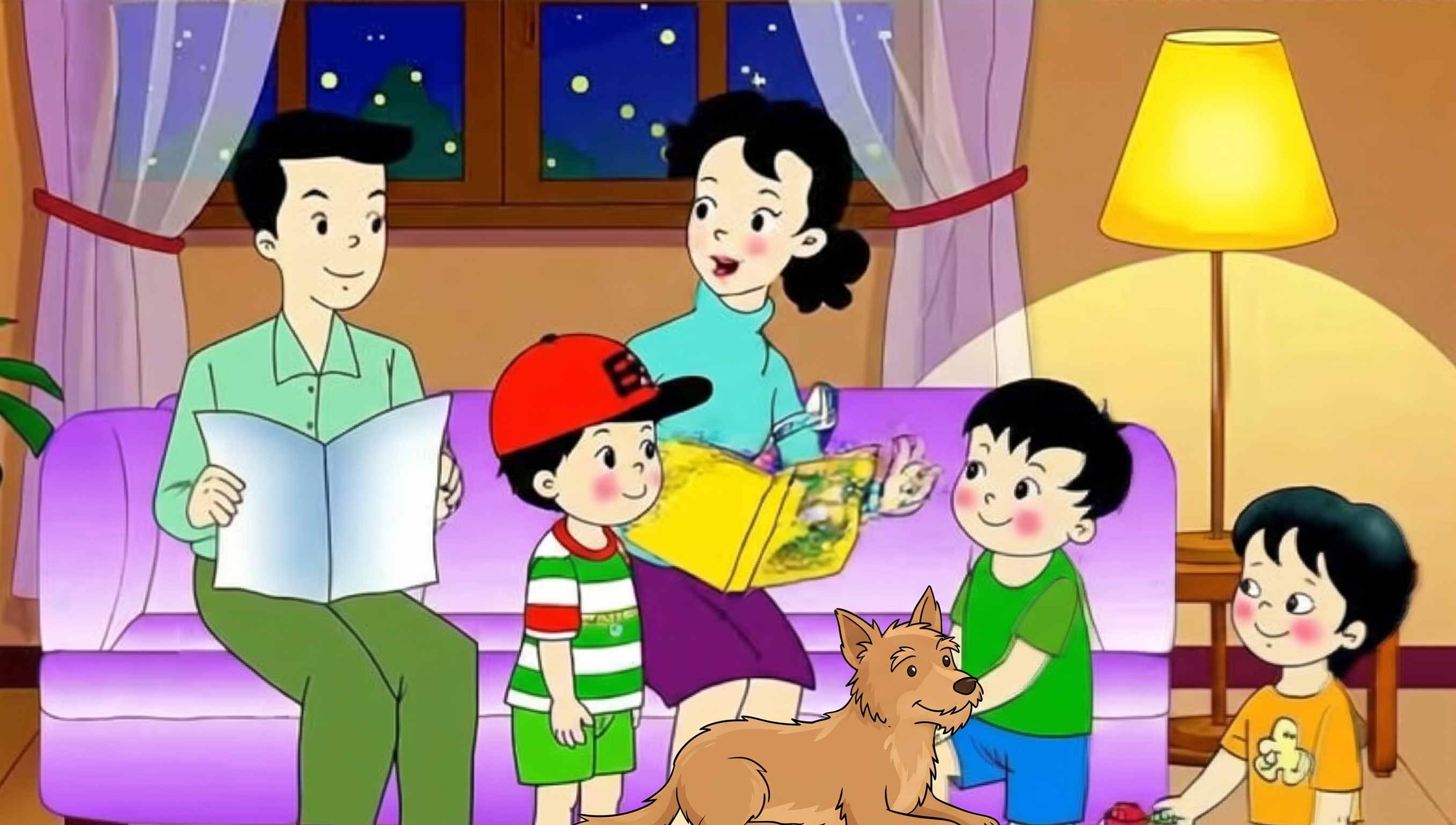
宝宝一家/La familia de Baobao/Baobao's family
爸爸/Papá, padre/Dad, father
妈妈/Mamá, madre/Mum, mother
宝宝/Baobao/Baobao
婷婷/Tíngting/Tíngting
嘟嘟/Dudú/Dudú
洛基/Rocky/Rocky
** 对话/Duìhuà/Diálogo/Dialogue **
--------------------------------------------------------------------------------
婷婷爸爸,这棵树的叶子像手掌!/Tíngting: ¡Papá, las hojas de este árbol parecen manos!/Tíngting: Dad, this tree's leaves look like hands!
爸爸这是梧桐树。那边高高的是杨树。/Papá: Es un árbol parasol. Ese tan alto de allí es un álamo./Dad: It's a parasol tree. That tall one over there is a poplar.
嘟嘟秋天到了,枫树的叶儿都红了。/Dudú: Ha llegado el otoño y las hojas del arce se han puesto rojas./Dudú: Autumn's here, and the maple's leaves have all turned red.
宝宝为什么松柏冬天还是绿的?/Baobao: ¿Por qué los pinos y los cipreses siguen verdes en invierno?/Baobao: Why are pines and cypresses still green in winter?
妈妈因为松柏四季披绿装,它们不怕冷。/Mamá: Porque los pinos y cipreses visten de verde todo el año; no les da miedo el frío./Mum: Because pines and cypresses wear green all year round; they aren't afraid of the cold.
婷婷我知道,银杏是活化石!/Tíngting: ¡Ya sé! ¡El ginkgo es un fósil viviente!/Tíngting: I know, the ginkgo is a living fossil!
爸爸对。木棉喜暖,长在南方桦树耐寒,长在北方。/Papá: Eso es. Al kapok le gusta el calor y crece en el sur; el abedul aguanta el frío y crece en el norte./Dad: That's right. The kapok loves warmth and grows in the south; the birch withstands the cold and grows in the north.
嘟嘟好香啊!是什么花?/Dudú: ¡Qué bien huele! ¿Qué flor es?/Dudú: What a lovely smell! What flower is it?
妈妈是金桂开花了,满院都香。/Mamá: Ha florecido el osmanto dorado; todo el patio huele de maravilla./Mum: The golden osmanthus is in bloom; the whole courtyard smells sweet.
洛基汪汪!/Rocky: ¡Guau!/Rocky: Woof!
▶ 📝 评论 / Comentarios / Comments
树之歌:认识各种各样的树:
1. 木字旁: 本课的 杨 (yáng) 、桐 (tóng) 、枫 (fēng) 、松 (sōng) 、柏 (bǎi) 、桦 (huà) 、桂 (guì) 等字都是木字旁,和树木有关。引导学生借助偏旁认识一类字。
2. 抓住特点: 课文用简短的话写出每种树的特点:杨树“高”,榕树“壮”,枫树“秋天叶儿红”,松柏“四季披绿装”。可以让学生说说自己认识的树有什么特点。
3. 积累与拓展: “读一读,记一记”的 泡桐 (pāotóng) 、云杉 (yúnshān) 、白桦 (báihuà) 等词,以及“十年树木,百年树人”等句子,帮助学生积累词语,了解中国文化。
1. 木字旁: 本课的 杨 (yáng) 、桐 (tóng) 、枫 (fēng) 、松 (sōng) 、柏 (bǎi) 、桦 (huà) 、桂 (guì) 等字都是木字旁,和树木有关。引导学生借助偏旁认识一类字。
2. 抓住特点: 课文用简短的话写出每种树的特点:杨树“高”,榕树“壮”,枫树“秋天叶儿红”,松柏“四季披绿装”。可以让学生说说自己认识的树有什么特点。
3. 积累与拓展: “读一读,记一记”的 泡桐 (pāotóng) 、云杉 (yúnshān) 、白桦 (báihuà) 等词,以及“十年树木,百年树人”等句子,帮助学生积累词语,了解中国文化。
Comentario Pedagógico: La canción de los árboles: conocer distintos árboles:
1. El componente “木” (madera): 杨 (yáng) , 桐 (tóng) , 枫 (fēng) , 松 (sōng) , 柏 (bǎi) , 桦 (huà) y 桂 (guì) llevan el componente “木” y tienen que ver con los árboles. El componente ayuda a reconocer toda una familia de caracteres.
2. Rasgos característicos: Con frases muy breves, el texto describe lo propio de cada árbol: el álamo es “alto”, el baniano “robusto”, el arce tiene “hojas rojas en otoño” y los pinos y cipreses “visten de verde todo el año”. Los alumnos pueden describir árboles que conozcan.
3. Ampliar vocabulario: Palabras como 泡桐 (pāotóng) , 云杉 (yúnshān) y 白桦 (báihuà) , y refranes como “十年树木,百年树人”, enriquecen el vocabulario y acercan la cultura china.
Pedagogical Commentary: Song of the Trees: getting to know different trees:
1. The “木” (wood) component: 杨 (yáng) , 桐 (tóng) , 枫 (fēng) , 松 (sōng) , 柏 (bǎi) , 桦 (huà) and 桂 (guì) all carry “木” and are related to trees. The component helps students recognise a whole family of characters.
2. Key features: In very short lines the text shows what is special about each tree: the poplar is “tall”, the banyan “sturdy”, the maple has “red leaves in autumn” and pines and cypresses “wear green all year round”. Students can describe trees they know.
3. Building vocabulary: Words such as 泡桐 (pāotóng) , 云杉 (yúnshān) and 白桦 (báihuà) , and sayings like “十年树木,百年树人”, enrich students' vocabulary and introduce Chinese culture.

主题/Zhǔtí/Tema/Theme

其他/Qítā/Otros/Others.

词汇 Cíhuì/Vocabulario/Vocabulary

PDF与视频/PDF,videos Y Quiz/PDF, Videos and Quiz
