
PRIMARIA_C1_N1_37_T14
** 37_T14_小蜗牛/Xiǎo wōniú/El caracolito/The Little Snail **
** 额外内容/Contenido adicional/Additional Content **
** 扩大和替换/Kuòdà hé tìhuàn/Ampliar y sustituir/Expand and substitute. **
发芽/brotar/sprout
小树发芽了/los arbolitos han brotado/the young trees have sprouted
春天来了,小树发芽了。/Ha llegado la primavera y los arbolitos han brotado./Spring has come and the young trees have sprouted.
草莓/fresa/strawberry
摘几颗草莓/coger unas fresas/pick a few strawberries
快去摘几颗草莓回来。/Ve a coger unas fresas./Go and pick a few strawberries.
--------------------------------------------------------------------------------
小蜗牛爬呀,爬呀,好久才爬回来。/El caracolito se arrastró y se arrastró, y tardó mucho en volver./The little snail crawled and crawled, and it was a long time before he got back.
--------------------------------------------------------------------------------
春天/primavera/spring
· 小树发芽了/los arbolitos brotan./the young trees sprout.
夏天/verano/summer
· 长满了叶子,还有草莓/hojas y fresas./leaves and strawberries.
秋天/otoño/autumn
· 树叶全变黄了,长着蘑菇/hojas amarillas y setas./yellow leaves and mushrooms.
冬天/invierno/winter
· 地上盖着雪,树叶全掉了/nieve y árboles sin hojas./snow and bare trees.
** 想一想, 说一说/Xiǎng yi xiǎng, shuō yi shuō/Piensa y responde/Think and answer the following questions **
--------------------------------------------------------------------------------
1对照图画,读一读课文。/Lee el texto mirando las ilustraciones./Read the text while looking at the pictures.
2在图画的帮助下,你猜出了蜗牛、发芽、草莓、蘑菇是什么字吗?/Con ayuda de los dibujos, ¿adivinas los caracteres de 蜗牛, 发芽, 草莓 y 蘑菇?/With the help of the pictures, can you guess the characters in 蜗牛, 发芽, 草莓 and 蘑菇?
** 家庭/Jiātíng/FAMILIA/FAMILY **
--------------------------------------------------------------------------------
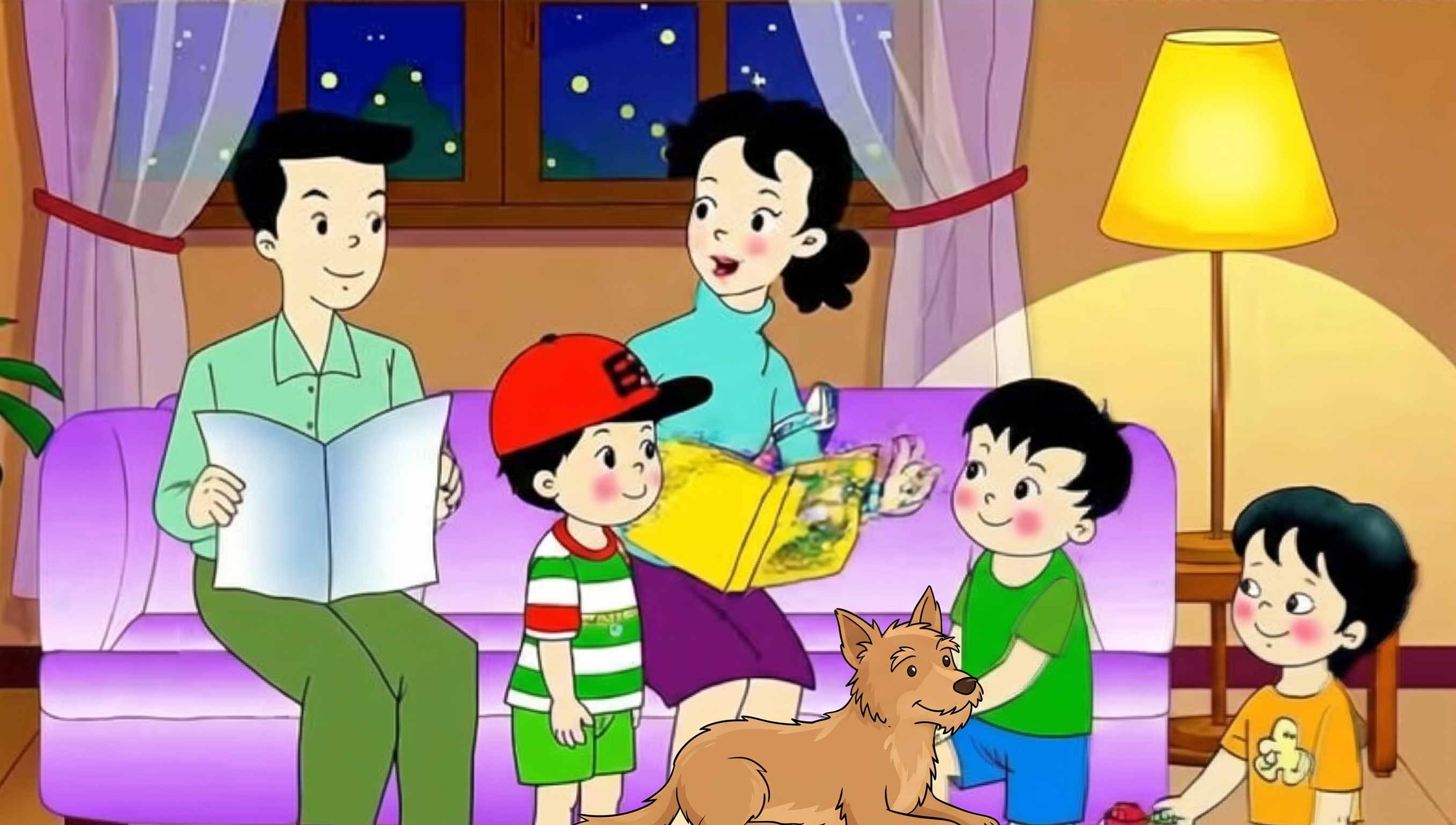
宝宝一家/La familia de Baobao/Baobao's family
爸爸/Papá, padre/Dad, father
妈妈/Mamá, madre/Mum, mother
宝宝/Baobao/Baobao
婷婷/Tíngting/Tíngting
嘟嘟/Dudú/Dudú
洛基/Rocky/Rocky
** 对话/Duìhuà/Diálogo/Dialogue **
--------------------------------------------------------------------------------
宝宝小蜗牛爬得真慢呀!/Baobao: ¡Qué despacio se arrastra el caracolito!/Baobao: The little snail crawls so slowly!
婷婷它去的时候是春天,回来的时候已经是夏天了。/Tíngting: Cuando se fue era primavera y, cuando volvió, ya era verano./Tíngting: When he left it was spring, and when he got back it was already summer.
嘟嘟第二次回来是秋天,第三次回来就是冬天了。/Dudú: La segunda vez volvió en otoño y la tercera, en invierno./Dudú: The second time he got back it was autumn, and the third time, winter.
妈妈小树林里的变化真大!/Mamá: ¡Cuánto cambia el bosquecillo!/Mum: The little wood changes so much!
爸爸冬天到了,小蜗牛就待在家里过冬吧。/Papá: Ha llegado el invierno, el caracolito se quedará en casa./Dad: Winter has come, so the little snail will stay at home.
洛基汪汪!/Rocky: ¡Guau!/Rocky: Woof!
▶ 📝 评论 / Comentarios / Comments
小蜗牛:四季的变化:
1. 看图猜字: 借助图画猜出“蜗牛、发芽、草莓、蘑菇”这些字。
2. 四季: 小蜗牛每次回来,季节都变了:春天发芽,夏天草莓,秋天蘑菇,冬天下雪。
3. 反复: “小蜗牛爬呀,爬呀,好久才爬回来”反复出现,读出蜗牛爬得慢。
1. 看图猜字: 借助图画猜出“蜗牛、发芽、草莓、蘑菇”这些字。
2. 四季: 小蜗牛每次回来,季节都变了:春天发芽,夏天草莓,秋天蘑菇,冬天下雪。
3. 反复: “小蜗牛爬呀,爬呀,好久才爬回来”反复出现,读出蜗牛爬得慢。
Comentario Pedagógico: El caracolito: los cambios de las estaciones:
1. Adivinar con dibujos: Con ayuda de las ilustraciones se adivinan 蜗牛, 发芽, 草莓 y 蘑菇.
2. Las estaciones: Cada vez que vuelve el caracolito ha cambiado la estación: brotes, fresas, setas y nieve.
3. Repetición: La frase «爬呀,爬呀,好久才爬回来» se repite y transmite lo lento que va.
1. Adivinar con dibujos: Con ayuda de las ilustraciones se adivinan 蜗牛, 发芽, 草莓 y 蘑菇.
2. Las estaciones: Cada vez que vuelve el caracolito ha cambiado la estación: brotes, fresas, setas y nieve.
3. Repetición: La frase «爬呀,爬呀,好久才爬回来» se repite y transmite lo lento que va.
Pedagogical Commentary: The Little Snail: the changing seasons:
1. Guessing with pictures: Use the pictures to guess 蜗牛, 发芽, 草莓 and 蘑菇.
2. The seasons: Each time the snail returns the season has changed: sprouts, strawberries, mushrooms, snow.
3. Repetition: The repeated line “爬呀,爬呀,好久才爬回来” shows how slowly it crawls.
1. Guessing with pictures: Use the pictures to guess 蜗牛, 发芽, 草莓 and 蘑菇.
2. The seasons: Each time the snail returns the season has changed: sprouts, strawberries, mushrooms, snow.
3. Repetition: The repeated line “爬呀,爬呀,好久才爬回来” shows how slowly it crawls.

主题/Zhǔtí/Tema/Theme

其他/Qítā/Otros/Others.

词汇 Cíhuì/Vocabulario/Vocabulary

PDF与视频/PDF,videos Y Quiz/PDF, Videos and Quiz
