
PRIMARIA_C2_N1_28_T24B
** 28_T24B_狐狸养鸡(一)/Húli yǎng jī (yī)/El zorro que criaba pollos (I)/The Fox Who Raised Chicks (1) **
** 额外内容/Contenido adicional/Additional Content **
** 扩大和替换/Kuòdà hé tìhuàn/Ampliar y sustituir/Expand and substitute. **
一筐鸡蛋/una cesta de huevos/a basket of eggs
蛋壳慢慢裂了/la cáscara se va rajando/the shells slowly split
钻出了壳/salir del cascarón/wriggle out of the shell
一只只湿漉漉的小鸡钻出了壳。/Uno a uno salieron del cascarón pollitos empapados./One by one, wet little chicks wriggled out of their shells.
发抖/temblar/tremble
小鸡们在发抖/los pollitos tiemblan/the chicks are trembling
狐狸感觉到小鸡们在发抖。/El zorro notó que los pollitos temblaban./The fox felt the chicks trembling.
--------------------------------------------------------------------------------
狐狸走到哪儿,小鸡们就前呼后拥地跟到哪儿。/Adonde iba el zorro, allá le seguían los pollitos en tropel./Wherever the fox went, the chicks crowded after him.
--------------------------------------------------------------------------------
一开始,狐狸想/al principio, el zorro quiere/at first the fox wants
· 吃掉这些蛋/comerse los huevos./to eat the eggs.
小鸡们/los pollitos/the chicks
· 把狐狸当成妈妈/creen que el zorro es su madre./think the fox is their mother.
后来,狐狸/después, el zorro/later the fox
· 改变了主意,把鸡养起来/cambia de idea y los cría./changes his mind and raises them.
** 想一想, 说一说/Xiǎng yi xiǎng, shuō yi shuō/Piensa y responde/Think and answer the following questions **
--------------------------------------------------------------------------------
狐狸为什么改变了主意?/¿Por qué cambia de idea el zorro?/Why does the fox change his mind?
故事接下来会发生什么呢?/¿Qué pasará después en la historia?/What will happen next in the story?
** 家庭/Jiātíng/FAMILIA/FAMILY **
--------------------------------------------------------------------------------
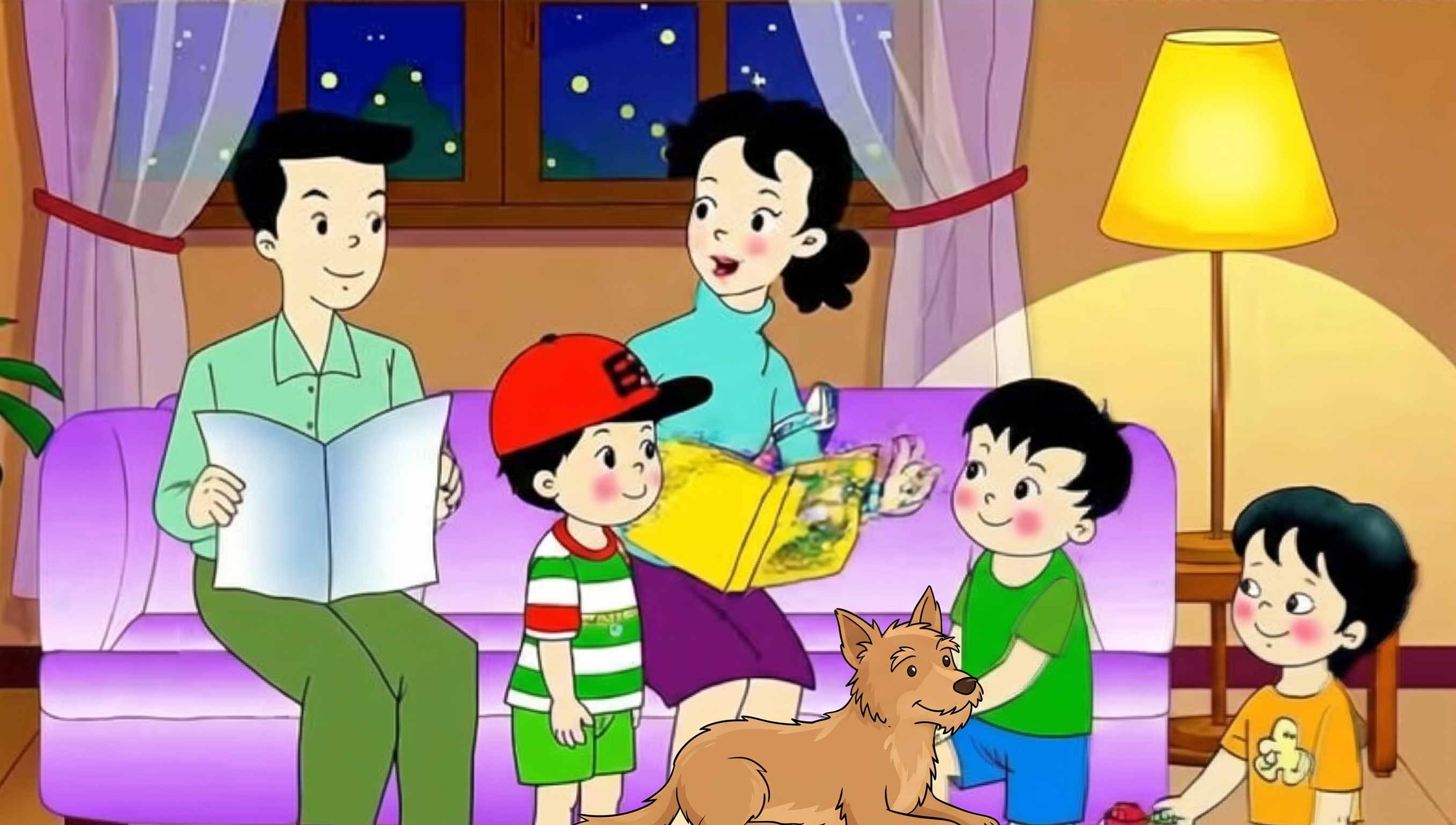
宝宝一家/La familia de Baobao/Baobao's family
爸爸/Papá, padre/Dad, father
妈妈/Mamá, madre/Mum, mother
宝宝/Baobao/Baobao
婷婷/Tíngting/Tíngting
嘟嘟/Dudú/Dudú
洛基/Rocky/Rocky
** 对话/Duìhuà/Diálogo/Dialogue **
--------------------------------------------------------------------------------
嘟嘟狐狸最爱吃鸡,为什么不吃小鸡呢?/Dudú: Al zorro lo que más le gusta es el pollo; ¿por qué no se come a los pollitos?/Dudú: The fox loves eating chicken – why doesn't he eat the chicks?
婷婷因为小鸡们把他当成了妈妈。/Tíngting: Porque los pollitos creen que él es su madre./Tíngting: Because the chicks think he's their mum.
妈妈狐狸保护小鸡的时候,觉得自己很伟大。/Mamá: Cuando protege a los pollitos, el zorro se siente importante./Mum: When he protects the chicks, the fox feels great.
宝宝他说等养大了再吃,我猜他不会吃的。/Baobao: Dice que se los comerá cuando crezcan, pero yo creo que no lo hará./Baobao: He says he'll eat them when they're grown, but I bet he won't.
爸爸我们读第二篇就知道了。/Papá: Lo sabremos cuando leamos la segunda parte./Dad: We'll find out when we read the second part.
洛基汪汪!/Rocky: ¡Guau!/Rocky: Woof!
▶ 📝 评论 / Comentarios / Comments
狐狸养鸡(一):一只“不一样”的狐狸:
1. 默读与猜字: 课文较长,可以让学生默读,试着做到不出声;遇到 一筐鸡蛋 (yì kuāng jīdàn) 、蛋壳慢慢裂了 (dànké mànmàn liè le) 、前呼后拥 (qiánhū-hòuyōng) 等加点字,先借助偏旁和上下文猜一猜读音。
2. 狐狸的心理变化: 从“盘算着怎么吃掉这些蛋”,到“保护弱者的感觉真好”,再到“下不了口”。引导学生找出相关句子,说说狐狸的想法是怎样变化的。
3. 续编故事: 课文结尾“等养大了再吃”留下了悬念。可以让学生猜一猜故事接下来会怎样。
1. 默读与猜字: 课文较长,可以让学生默读,试着做到不出声;遇到 一筐鸡蛋 (yì kuāng jīdàn) 、蛋壳慢慢裂了 (dànké mànmàn liè le) 、前呼后拥 (qiánhū-hòuyōng) 等加点字,先借助偏旁和上下文猜一猜读音。
2. 狐狸的心理变化: 从“盘算着怎么吃掉这些蛋”,到“保护弱者的感觉真好”,再到“下不了口”。引导学生找出相关句子,说说狐狸的想法是怎样变化的。
3. 续编故事: 课文结尾“等养大了再吃”留下了悬念。可以让学生猜一猜故事接下来会怎样。
Comentario Pedagógico: El zorro que criaba pollos (I): un zorro «diferente»:
1. Lectura silenciosa y deducción: El texto es largo; los alumnos leen en silencio y, ante caracteres marcados como 一筐鸡蛋 (yì kuāng jīdàn) , 蛋壳慢慢裂了 (dànké mànmàn liè le) o 前呼后拥 (qiánhū-hòuyōng) , deducen la lectura por el componente y el contexto.
2. Lo que siente el zorro: De “planear comerse los huevos” pasa a “qué bien se está protegiendo a los débiles” y luego a “no ser capaz de hincarles el diente”. Los alumnos localizan las frases y explican cómo cambia su forma de pensar.
3. Continuar la historia: El final “等养大了再吃” deja la intriga abierta. Los alumnos imaginan qué pasará después.
Pedagogical Commentary: The Fox Who Raised Chicks (1): a “different” fox:
1. Silent reading and guessing: The text is long; students read silently and, for marked characters such as 一筐鸡蛋 (yì kuāng jīdàn) , 蛋壳慢慢裂了 (dànké mànmàn liè le) or 前呼后拥 (qiánhū-hòuyōng) , guess the reading from the component and the context.
2. The fox's changing feelings: From “working out how to eat the eggs” to “protecting the weak feels good” and then “he couldn't bring himself to bite”. Students find the sentences and explain how his thinking changes.
3. What happens next: The ending “等养大了再吃” leaves us in suspense. Students guess how the story will continue.

主题/Zhǔtí/Tema/Theme

其他/Qítā/Otros/Others.

词汇 Cíhuì/Vocabulario/Vocabulary

PDF与视频/PDF,videos Y Quiz/PDF, Videos and Quiz
