
PRIMARIA_C2_N1_13_T09
** 13_T09_黄山奇石/Huángshān qí shí/Las rocas curiosas del monte Huang/The Strange Rocks of Mount Huang **
** 额外内容/Contenido adicional/Additional Content **
** 扩大和替换/Kuòdà hé tìhuàn/Ampliar y sustituir/Expand and substitute. **
桃子/melocotón/peach
一个大桃子/un gran melocotón/a big peach
从天上飞下来的一个大桃子/un gran melocotón caído del cielo/a big peach flown down from the sky
它好像从天上飞下来的一个大桃子,落在山顶的石盘上。/Parece un gran melocotón caído del cielo sobre una losa en la cima./It looks like a big peach that has flown down from the sky onto a stone slab on the summit.
仙人/inmortal/immortal
真像一位仙人/parece de verdad un inmortal/really looks like an immortal
那巨石真像一位仙人站在高高的山峰上。/Ese peñasco parece de verdad un inmortal de pie en lo alto del pico./That huge rock really looks like an immortal standing on a high peak.
--------------------------------------------------------------------------------
那些叫不出名字的奇形怪状的岩石,正等你去给它们起名字呢!/¡Esas rocas de formas extrañas que aún no tienen nombre te esperan para que se lo pongas tú!/Those oddly shaped rocks with no names are waiting for you to name them!
--------------------------------------------------------------------------------
风景/paisaje/scenery
· 景色、风景如画/vista, paisaje de postal./view, picturesque.
秀丽/bello/beautiful
· 秀美、一枝独秀/hermoso, destacar entre todos./lovely, outshine all the rest.
著名/famoso/famous
· 名字、名不虚传/nombre, tener una fama merecida./name, live up to one's reputation.
闻名/famoso/well known
· 新闻、百闻不如一见/noticias, más vale ver una vez que oír cien./news, seeing is believing.
** 想一想, 说一说/Xiǎng yi xiǎng, shuō yi shuō/Piensa y responde/Think and answer the following questions **
--------------------------------------------------------------------------------
课文介绍了黄山的哪些奇石?/¿Qué rocas curiosas del monte Huang presenta el texto?/Which strange rocks of Mount Huang does the text describe?
如果让你给一块奇石起名字,你会叫它什么?/Si tuvieras que ponerle nombre a una roca curiosa, ¿cómo la llamarías?/If you could name a strange rock, what would you call it?
** 家庭/Jiātíng/FAMILIA/FAMILY **
--------------------------------------------------------------------------------
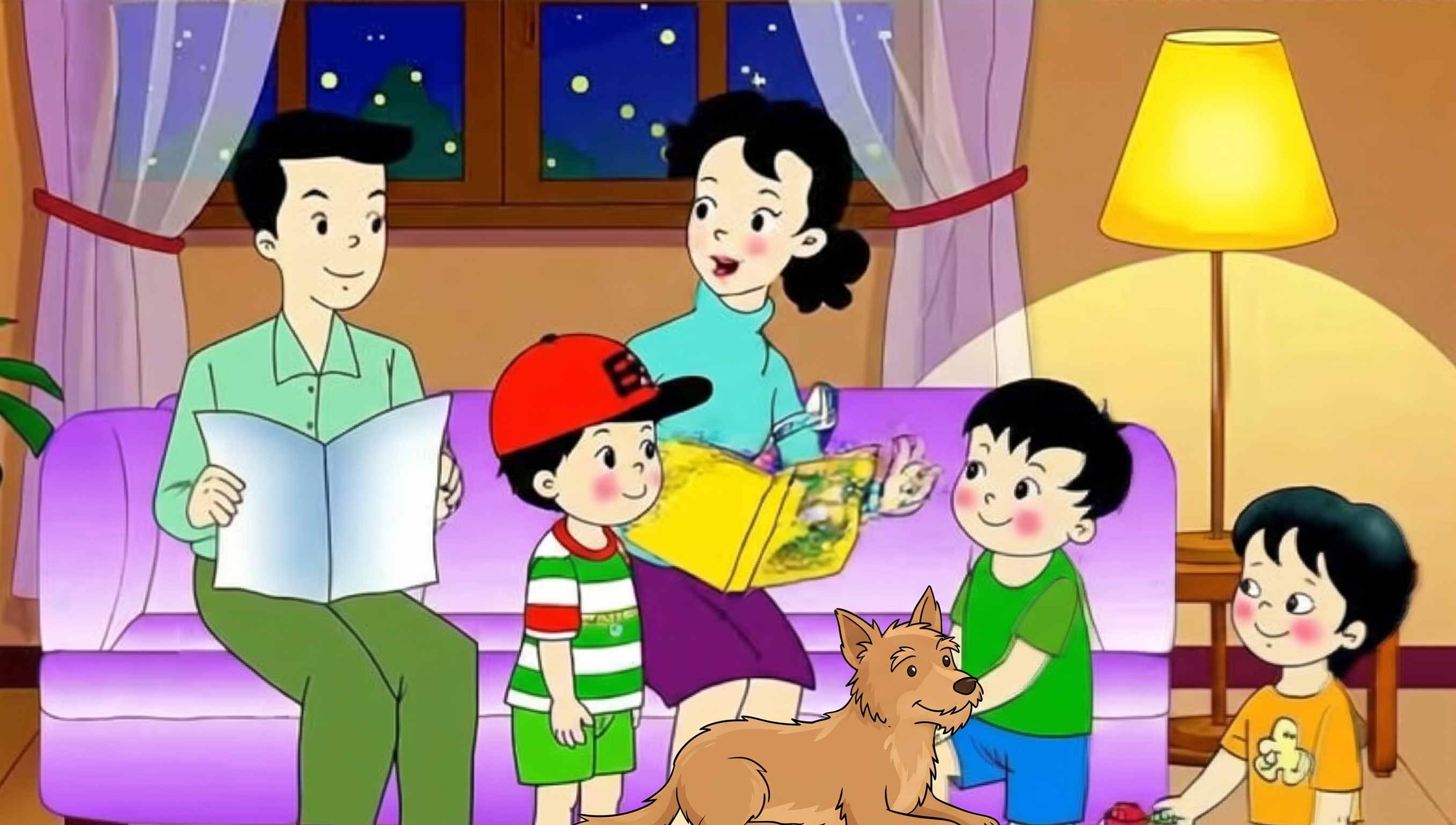
宝宝一家/La familia de Baobao/Baobao's family
爸爸/Papá, padre/Dad, father
妈妈/Mamá, madre/Mum, mother
宝宝/Baobao/Baobao
婷婷/Tíngting/Tíngting
嘟嘟/Dudú/Dudú
洛基/Rocky/Rocky
** 对话/Duìhuà/Diálogo/Dialogue **
--------------------------------------------------------------------------------
爸爸这次旅行,我们去闻名中外的黄山。/Papá: En este viaje vamos al famosísimo monte Huang./Dad: On this trip we're going to world-famous Mount Huang.
婷婷我知道,黄山的景色很秀丽,尤其是那些怪石。/Tíngting: Ya lo sé: el paisaje del monte Huang es precioso, sobre todo sus rocas curiosas./Tíngting: I know, the scenery on Mount Huang is beautiful, especially the strange rocks.
嘟嘟快看!那块石头像一只猴子在看云海!/Dudú: ¡Mirad! ¡Esa roca parece un mono mirando el mar de nubes!/Dudú: Look! That rock looks like a monkey watching the sea of clouds!
妈妈对,那就是有趣的猴子观海。/Mamá: Sí, es el divertido «Mono que contempla el mar»./Mum: Yes, that's the amusing “Monkey Gazing at the Sea”.
宝宝那边的巨石好像一位仙人在指路。/Baobao: Aquel peñasco parece un inmortal señalando el camino./Baobao: That huge rock over there looks like an immortal pointing the way.
嘟嘟还有很多石头没有名字,我来给它们起名字!/Dudú: ¡Hay muchas rocas sin nombre; yo se lo pondré!/Dudú: There are lots of rocks without names; I'll name them!
婷婷这块叫小狗望月,像洛基!/Tíngting: Esta se llama «Perrito mirando la luna»: ¡se parece a Rocky!/Tíngting: This one is “Puppy Gazing at the Moon” – it looks like Rocky!
洛基汪汪!/Rocky: ¡Guau!/Rocky: Woof!
▶ 📝 评论 / Comentarios / Comments
黄山奇石:发挥想象,介绍有趣的景物:
1. 总分结构: 课文先说黄山“景色秀丽神奇,尤其是那些怪石,有趣极了”,再分别介绍 仙桃石 (Xiāntáo Shí) 、猴子观海 (Hóuzi guān hǎi) 、仙人指路 (Xiānrén zhǐlù) 、金鸡叫天都 (Jīnjī jiào Tiāndū) 等奇石。
2. 比喻和想象: “它好像从天上飞下来的一个大桃子”“那巨石真像一位仙人”,课文用“好像”“真像”把石头写活了。可以让学生看图片,用这样的句子说说图片里的石头。
3. 积累词语: 风景如画 (fēngjǐng-rú-huà) 、一枝独秀 (yìzhī-dúxiù) 、名不虚传 (míngbùxūchuán) 、百闻不如一见 (bǎi wén bùrú yí jiàn) 可以用来夸夸某处景物。
Comentario Pedagógico: Las rocas curiosas del monte Huang: imaginar y describir paisajes:
1. Estructura general-detalle: Primero se dice que el monte Huang es “bello y prodigioso, sobre todo sus rocas curiosas”, y luego se presentan una a una 仙桃石 (Xiāntáo Shí) , 猴子观海 (Hóuzi guān hǎi) , 仙人指路 (Xiānrén zhǐlù) y 金鸡叫天都 (Jīnjī jiào Tiāndū) .
2. Comparación e imaginación: “它好像从天上飞下来的一个大桃子”, “那巨石真像一位仙人”: con “好像” y “真像” las rocas cobran vida. Los alumnos pueden mirar fotos y describir rocas con frases así.
3. Ampliar vocabulario: 风景如画 (fēngjǐng-rú-huà) , 一枝独秀 (yìzhī-dúxiù) , 名不虚传 (míngbùxūchuán) y 百闻不如一见 (bǎi wén bùrú yí jiàn) sirven para elogiar un lugar.
Pedagogical Commentary: The Strange Rocks of Mount Huang: imagining and describing places:
1. General-to-detail structure: The text first says Mount Huang is “beautiful and magical, especially its strange rocks”, then introduces 仙桃石 (Xiāntáo Shí) , 猴子观海 (Hóuzi guān hǎi) , 仙人指路 (Xiānrén zhǐlù) and 金鸡叫天都 (Jīnjī jiào Tiāndū) one by one.
2. Comparison and imagination: “它好像从天上飞下来的一个大桃子”, “那巨石真像一位仙人”: “好像” and “真像” bring the rocks to life. Students can look at photos and describe rocks with sentences like these.
3. Building vocabulary: 风景如画 (fēngjǐng-rú-huà) , 一枝独秀 (yìzhī-dúxiù) , 名不虚传 (míngbùxūchuán) and 百闻不如一见 (bǎi wén bùrú yí jiàn) can be used to praise a place.

主题/Zhǔtí/Tema/Theme

其他/Qítā/Otros/Others.

词汇 Cíhuì/Vocabulario/Vocabulary

PDF与视频/PDF,videos Y Quiz/PDF, Videos and Quiz
