
PRIMARIA_C2_N1_10_T06
** 10_T06_一封信/Yì fēng xìn/Una carta/A Letter **
** 额外内容/Contenido adicional/Additional Content **
** 扩大和替换/Kuòdà hé tìhuàn/Ampliar y sustituir/Expand and substitute. **
信/carta/letter
一封信/una carta/a letter
给爸爸写一封信/escribirle una carta a papá/write a letter to Dad
今天,露西想给爸爸写一封信。/Hoy Lucy quiere escribirle una carta a papá./Today Lucy wants to write a letter to Dad.
写/escribir/write
边说边写/ir diciendo y escribiendo/say it while writing
露西边说边写亲爱的爸爸/Lucy va diciendo y escribiendo: «Querido papá…»./Lucy says the words as she writes: “Dear Dad…”
--------------------------------------------------------------------------------
太阳闪闪发光。阳光下,我们的希比希又蹦又跳。/El sol brilla. Bajo el sol, nuestro Xibixi salta y brinca./The sun is shining brightly. In the sunshine our Xibixi is jumping and hopping about.
--------------------------------------------------------------------------------
第一封信/la primera carta/the first letter
· 我们很不开心/estamos muy tristes./we're very unhappy.
第一封信/la primera carta/the first letter
· 家里总是很冷清/la casa está siempre muy vacía./the house always feels empty.
第二封信/la segunda carta/the second letter
· 我们过得挺好/estamos muy bien./we're doing fine.
第二封信/la segunda carta/the second letter
· 我们就能自己修台灯了/podremos arreglar la lámpara nosotras solas./we'll be able to fix the lamp ourselves.
** 想一想, 说一说/Xiǎng yi xiǎng, shuō yi shuō/Piensa y responde/Think and answer the following questions **
--------------------------------------------------------------------------------
露西重写后,在给爸爸的信里都写了什么?/¿Qué escribe Lucy a su padre en la carta nueva?/What does Lucy write to her dad in the new letter?
露西前后写了两封信,你更喜欢哪一封?为什么?/Lucy escribe dos cartas. ¿Cuál te gusta más? ¿Por qué?/Lucy writes two letters. Which one do you prefer? Why?
** 家庭/Jiātíng/FAMILIA/FAMILY **
--------------------------------------------------------------------------------
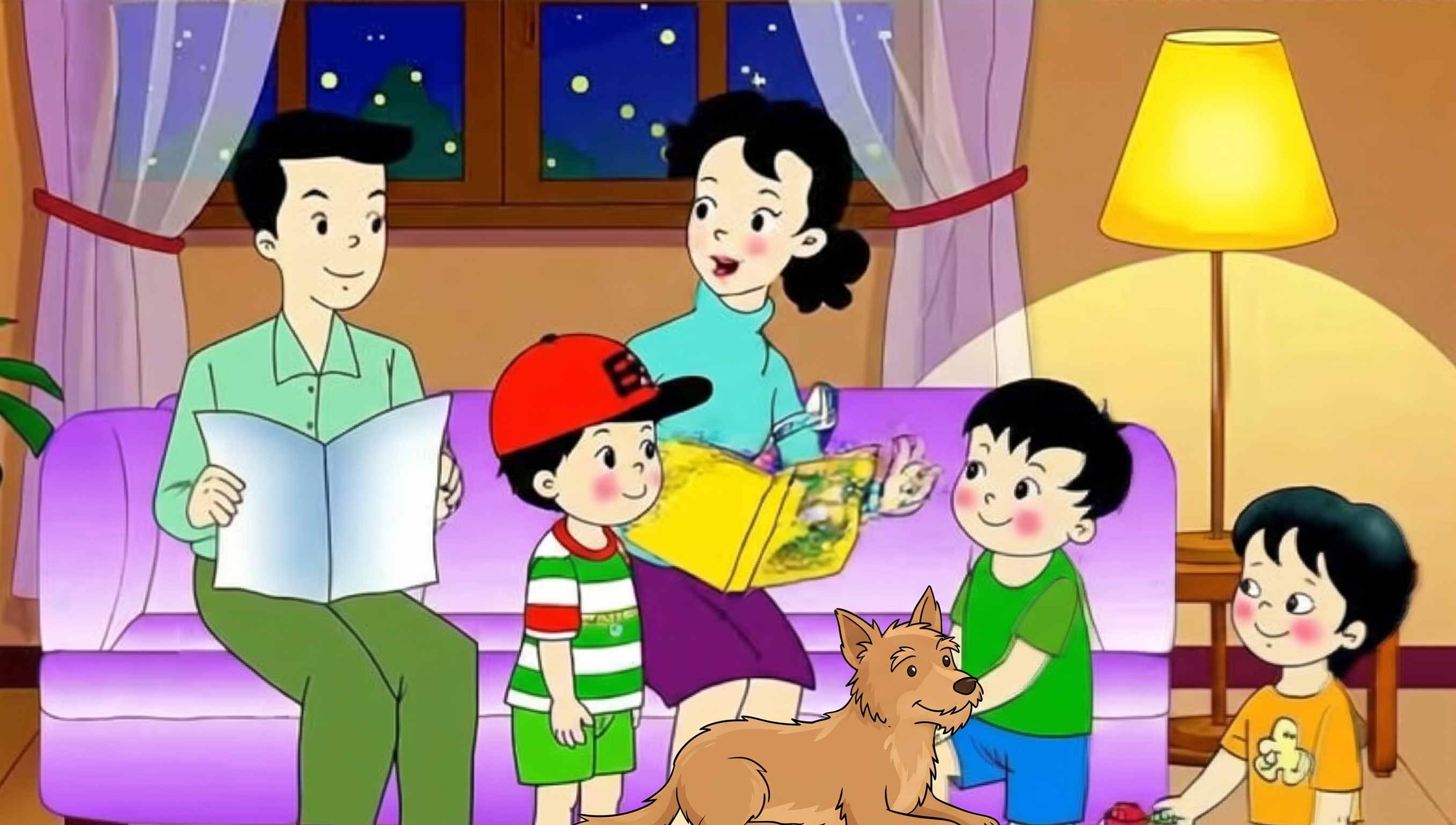
宝宝一家/La familia de Baobao/Baobao's family
爸爸/Papá, padre/Dad, father
妈妈/Mamá, madre/Mum, mother
宝宝/Baobao/Baobao
婷婷/Tíngting/Tíngting
嘟嘟/Dudú/Dudú
洛基/Rocky/Rocky
** 对话/Duìhuà/Diálogo/Dialogue **
--------------------------------------------------------------------------------
嘟嘟妈妈,爷爷住得很远,我想给他写一封信。/Dudú: Mamá, el abuelo vive muy lejos; quiero escribirle una carta./Dudú: Mum, Grandad lives far away; I want to write him a letter.
妈妈好啊。你想写些什么?/Mamá: ¡Muy bien! ¿Qué quieres contarle?/Mum: Good idea. What do you want to write?
嘟嘟亲爱的爷爷,你不在,我很不开心。/Dudú: «Querido abuelo, como no estás, estoy muy triste»./Dudú: “Dear Grandad, without you I'm very unhappy.”
婷婷这样写爷爷会担心的。写点儿开心的事吧!/Tíngting: Si escribes eso, el abuelo se va a preocupar. ¡Escribe algo alegre!/Tíngting: If you write that, Grandad will worry. Write something happy!
宝宝你可以写阳光下,洛基又蹦又跳。/Baobao: Puedes poner: «Bajo el sol, Rocky salta y brinca»./Baobao: You could write: “In the sunshine, Rocky is jumping and hopping about.”
爸爸还可以写下星期天我们去看电影。/Papá: También puedes poner: «El domingo que viene vamos al cine»./Dad: You could also write: “Next Sunday we're going to the cinema.”
嘟嘟好,我重新写!最后我再画一大束鲜花。/Dudú: ¡Vale, la vuelvo a escribir! Y al final dibujo un gran ramo de flores./Dudú: OK, I'll write it again! And at the end I'll draw a big bunch of flowers.
洛基汪汪!/Rocky: ¡Guau!/Rocky: Woof!
妈妈爷爷收到信,一定会很高兴。/Mamá: Cuando el abuelo reciba la carta, seguro que se pondrá muy contento./Mum: When Grandad gets the letter, he's sure to be very happy.
▶ 📝 评论 / Comentarios / Comments
一封信:把开心的事告诉远方的亲人:
1. 比较两封信: 第一封信写“很不开心 (hěn bù kāixīn) ”“家里总是很冷清 (jiā li zǒng shì hěn lěngqing) ”;第二封信写“我们过得挺好 (wǒmen guò de tǐng hǎo) ”、小狗希比希“又蹦又跳”。让学生比较,说说更喜欢哪一封,为什么。
2. 学写信: 课文出现了“亲爱的爸爸”这样的称呼。可以根据课文内容,让学生试着把露西的第二封信完整地写出来,了解书信的格式。
3. 体会亲情: 妈妈和露西一起重新写信,是为了不让远方的爸爸担心。引导学生懂得关心家人,学会把快乐分享给别人。
1. 比较两封信: 第一封信写“很不开心 (hěn bù kāixīn) ”“家里总是很冷清 (jiā li zǒng shì hěn lěngqing) ”;第二封信写“我们过得挺好 (wǒmen guò de tǐng hǎo) ”、小狗希比希“又蹦又跳”。让学生比较,说说更喜欢哪一封,为什么。
2. 学写信: 课文出现了“亲爱的爸爸”这样的称呼。可以根据课文内容,让学生试着把露西的第二封信完整地写出来,了解书信的格式。
3. 体会亲情: 妈妈和露西一起重新写信,是为了不让远方的爸爸担心。引导学生懂得关心家人,学会把快乐分享给别人。
Comentario Pedagógico: Una carta: compartir las alegrías con los que están lejos:
1. Comparar las dos cartas: La primera dice “很不开心 (hěn bù kāixīn) ” y “家里总是很冷清 (jiā li zǒng shì hěn lěngqing) ”; la segunda dice “我们过得挺好 (wǒmen guò de tǐng hǎo) ” y que el perrito Xibixi “salta y brinca”. Los alumnos las comparan y explican cuál prefieren y por qué.
2. Aprender a escribir cartas: El texto muestra el saludo “亲爱的爸爸”. A partir del texto, los alumnos pueden escribir completa la segunda carta de Lucy y conocer el formato de una carta.
3. El cariño familiar: Mamá y Lucy reescriben la carta para que papá no se preocupe. Los alumnos aprenden a preocuparse por su familia y a compartir la alegría.
Pedagogical Commentary: A Letter: sharing happy news with loved ones far away:
1. Comparing the two letters: The first says “很不开心 (hěn bù kāixīn) ” and “家里总是很冷清 (jiā li zǒng shì hěn lěngqing) ”; the second says “我们过得挺好 (wǒmen guò de tǐng hǎo) ” and that the puppy Xibixi is “jumping and hopping about”. Students compare them and say which they prefer and why.
2. Learning to write a letter: The text shows the greeting “亲爱的爸爸”. Using the text, students can write out Lucy's second letter in full and learn the layout of a letter.
3. Family love: Mum and Lucy rewrite the letter so that Dad, far away, won't worry. Students learn to care about their family and to share happiness with others.

主题/Zhǔtí/Tema/Theme

其他/Qítā/Otros/Others.

词汇 Cíhuì/Vocabulario/Vocabulary

PDF与视频/PDF,videos Y Quiz/PDF, Videos and Quiz
