
PRIMARIA_C2_N1_06_L03
** 06_L03_拍手歌/Pāishǒu gē/Canción de palmas/Clapping Song **
** 额外内容/Contenido adicional/Additional Content **
** 扩大和替换/Kuòdà hé tìhuàn/Ampliar y sustituir/Expand and substitute. **
动物/animal/animal
保护动物/proteger a los animales/protect animals
保护动物要牢记/hay que acordarse de proteger a los animales/remember to protect animals
我们要保护动物,人和动物是朋友。/Tenemos que proteger a los animales: las personas y los animales son amigos./We must protect animals: people and animals are friends.
飞翔/volar/soar
飞翔在蓝天/volar en el cielo azul/soar in the blue sky
雄鹰飞翔在蓝天。/El águila vuela en el cielo azul./The eagle soars in the blue sky.
--------------------------------------------------------------------------------
你拍七,我拍七,竹林熊猫在嬉戏。/Tú das siete, yo doy siete: en el bosque de bambú juegan los pandas./You clap seven, I clap seven: pandas play in the bamboo grove.
--------------------------------------------------------------------------------
孔雀/pavo real/peacock
· 隹/lleva el componente «pájaro de cola corta»./has the “short-tailed bird” component.
大雁/ganso salvaje/wild goose
· 隹/lleva el componente «pájaro de cola corta»./has the “short-tailed bird” component.
老鹰/águila/eagle
· 鸟/lleva el componente «pájaro»./has the “bird” component.
黄鹂/oropéndola/oriole
· 鸟/lleva el componente «pájaro»./has the “bird” component.
** 想一想, 说一说/Xiǎng yi xiǎng, shuō yi shuō/Piensa y responde/Think and answer the following questions **
--------------------------------------------------------------------------------
课文里写了哪些动物?/¿Qué animales aparecen en el texto?/Which animals appear in the text?
我们为什么要保护动物?/¿Por qué tenemos que proteger a los animales?/Why must we protect animals?
** 家庭/Jiātíng/FAMILIA/FAMILY **
--------------------------------------------------------------------------------
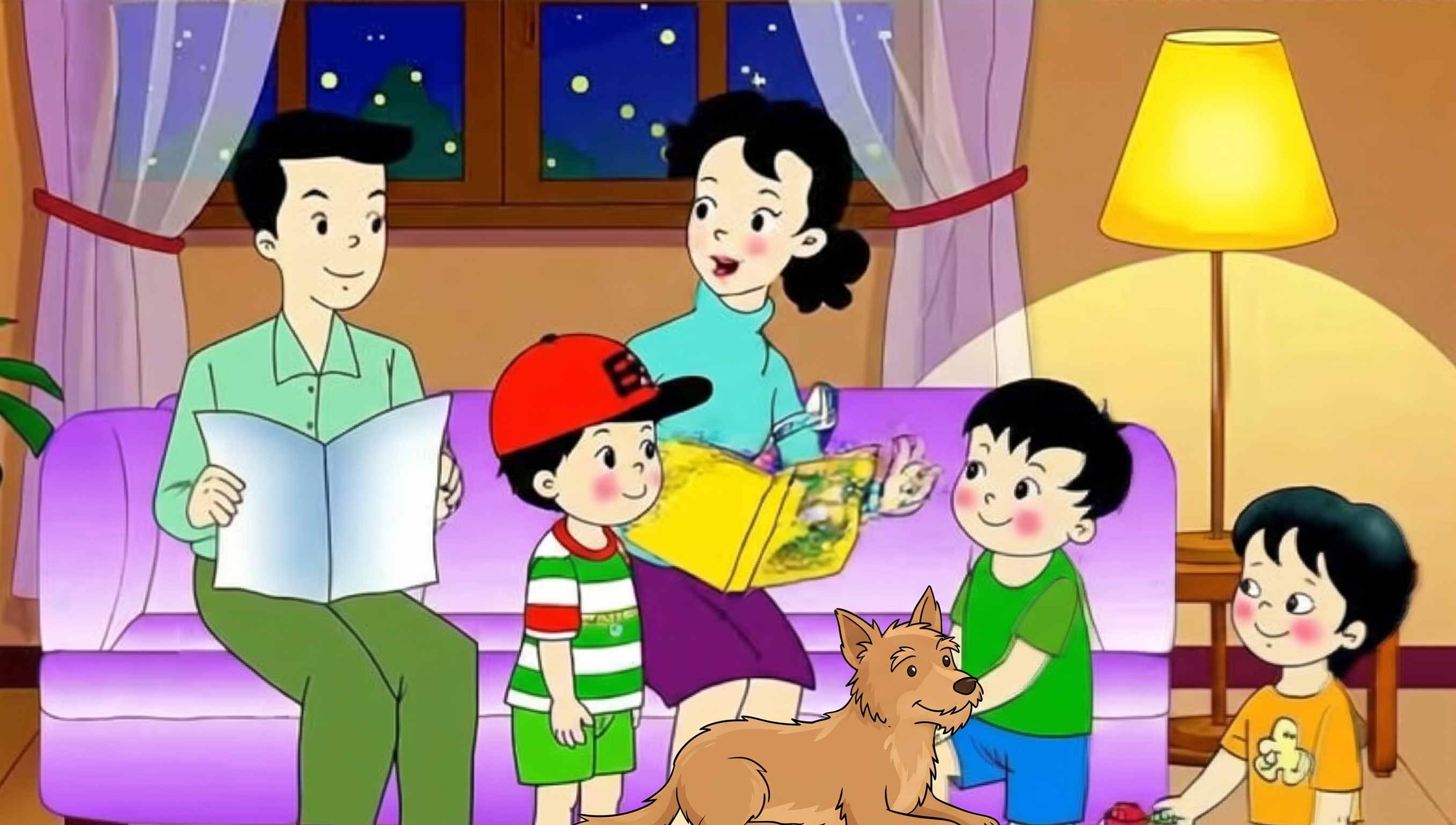
宝宝一家/La familia de Baobao/Baobao's family
爸爸/Papá, padre/Dad, father
妈妈/Mamá, madre/Mum, mother
宝宝/Baobao/Baobao
婷婷/Tíngting/Tíngting
嘟嘟/Dudú/Dudú
洛基/Rocky/Rocky
** 对话/Duìhuà/Diálogo/Dialogue **
--------------------------------------------------------------------------------
宝宝婷婷,我们来玩拍手游戏吧!/Baobao: ¡Tíngting, juguemos a las palmas!/Baobao: Tíngting, let's play a clapping game!
婷婷好!你拍一,我拍一,保护动物要牢记。/Tíngting: ¡Vale! Tú das uno, yo doy uno: hay que acordarse de proteger a los animales./Tíngting: OK! You clap one, I clap one: remember to protect animals.
嘟嘟我最喜欢孔雀,它的羽毛真漂亮。/Dudú: Mi favorito es el pavo real; sus plumas son preciosas./Dudú: I like the peacock best; its feathers are beautiful.
宝宝我喜欢熊猫,它们在竹林里嬉戏。/Baobao: A mí me gustan los pandas, que juegan en el bosque de bambú./Baobao: I like pandas; they play in the bamboo grove.
爸爸丛林深处还有猛虎,你们怕不怕?/Papá: En lo profundo de la selva también hay tigres feroces; ¿os dan miedo?/Dad: Deep in the jungle there are fierce tigers too; are you scared?
婷婷不怕!雄鹰飞翔在蓝天,雁群会写字。/Tíngting: ¡No! El águila vuela en el cielo azul y los gansos saben escribir./Tíngting: No! The eagle soars in the blue sky and the geese can write.
妈妈大小动物都有家,我们要爱护它们。/Mamá: Los animales grandes y pequeños tienen su casa; tenemos que cuidarlos./Mum: Animals big and small all have a home; we must look after them.
洛基汪汪!/Rocky: ¡Guau!/Rocky: Woof!
嘟嘟对,洛基!人和动物是朋友!/Dudú: ¡Sí, Rocky! ¡Las personas y los animales son amigos!/Dudú: That's right, Rocky! People and animals are friends!
▶ 📝 评论 / Comentarios / Comments
拍手歌:保护动物的童谣:
1. 节奏与韵律: 课文是一首拍手歌,每一节都用“你拍一,我拍一”开头,句子短小,押韵上口。可以让学生两人一组,边拍手边背诵。
2. 偏旁识字: 孔雀 (kǒngquè) 、大雁 (dàyàn) 、雄鹰 (xióngyīng) 都有“隹”,黄鹂 (huánglí) 、天鹅 (tiān'é) 、锦鸡 (jǐnjī) 的“鹂”“鹅”“鸡”都和“鸟”有关。引导学生发现这些字的相同之处。
3. 保护动物: 课文开头和结尾都强调“保护动物”,中间介绍了很多动物。可以让学生说说自己喜欢的动物,以及我们应该怎样保护它们。
1. 节奏与韵律: 课文是一首拍手歌,每一节都用“你拍一,我拍一”开头,句子短小,押韵上口。可以让学生两人一组,边拍手边背诵。
2. 偏旁识字: 孔雀 (kǒngquè) 、大雁 (dàyàn) 、雄鹰 (xióngyīng) 都有“隹”,黄鹂 (huánglí) 、天鹅 (tiān'é) 、锦鸡 (jǐnjī) 的“鹂”“鹅”“鸡”都和“鸟”有关。引导学生发现这些字的相同之处。
3. 保护动物: 课文开头和结尾都强调“保护动物”,中间介绍了很多动物。可以让学生说说自己喜欢的动物,以及我们应该怎样保护它们。
Comentario Pedagógico: Canción de palmas: una canción infantil sobre proteger a los animales:
1. Ritmo y rima: El texto es una canción de palmas; cada estrofa empieza con “你拍一,我拍一”, con frases cortas y que riman. Los alumnos pueden recitarla por parejas dando palmas.
2. Los componentes: 孔雀 (kǒngquè) , 大雁 (dàyàn) y 雄鹰 (xióngyīng) llevan el componente “隹”, y en 黄鹂 (huánglí) , 天鹅 (tiān'é) y 锦鸡 (jǐnjī) aparece la idea de “pájaro”. Los alumnos descubren qué tienen en común estos caracteres.
3. Proteger a los animales: El principio y el final insisten en “保护动物” y en medio aparecen muchos animales. Los alumnos pueden hablar de su animal favorito y de cómo protegerlo.
Pedagogical Commentary: Clapping Song: a nursery rhyme about protecting animals:
1. Rhythm and rhyme: The text is a clapping song; every verse starts with “你拍一,我拍一”, with short, rhyming lines. Students can recite it in pairs while clapping.
2. Components: 孔雀 (kǒngquè) , 大雁 (dàyàn) and 雄鹰 (xióngyīng) share the component “隹”, while 黄鹂 (huánglí) , 天鹅 (tiān'é) and 锦鸡 (jǐnjī) are all to do with “birds”. Students find what these characters have in common.
3. Protecting animals: The beginning and the end stress “保护动物”, and many animals appear in between. Students can talk about their favourite animal and how to protect it.

主题/Zhǔtí/Tema/Theme

其他/Qítā/Otros/Others.

词汇 Cíhuì/Vocabulario/Vocabulary

PDF与视频/PDF,videos Y Quiz/PDF, Videos and Quiz
