
PRIMARIA_C2_N1_03_T03
** 03_T03_植物妈妈有办法/Zhíwù māma yǒu bànfǎ/Las mamás plantas tienen sus trucos/Mother Plants Have Their Ways **
** 额外内容/Contenido adicional/Additional Content **
** 扩大和替换/Kuòdà hé tìhuàn/Ampliar y sustituir/Expand and substitute. **
办法/truco, manera/way, idea
好办法/un buen truco/a good idea
有个好办法/tener un buen truco/have a good idea
苍耳妈妈有个好办法。/Mamá cadillo tiene un buen truco./Mother Cocklebur has a good idea.
出发/partir/set off
纷纷出发/partir uno tras otro/set off one after another
乘着风纷纷出发/partir uno tras otro a lomos del viento/ride off on the wind one after another
孩子们乘着风纷纷出发。/Los pequeños parten uno tras otro a lomos del viento./The children ride off on the wind one after another.
--------------------------------------------------------------------------------
只要挂住动物的皮毛,孩子们就能去田野、山洼。/Basta con que se enganchen al pelaje de un animal para que los pequeños lleguen a los campos y a los valles./As long as they catch on an animal's fur, the children can go to the fields and the hollows in the hills.
--------------------------------------------------------------------------------
蒲公英/diente de león/dandelion
· 靠风/viaja con el viento./travels on the wind.
苍耳/cadillo/cocklebur
· 靠动物/viaja enganchado a los animales./travels on animals.
豌豆/guisante/pea
· 靠太阳/viaja cuando el sol hace reventar las vainas./travels when the sun makes its pods burst.
鸟/pájaro/bird
· 靠翅膀/viaja con las alas./travels with its wings.
** 想一想, 说一说/Xiǎng yi xiǎng, shuō yi shuō/Piensa y responde/Think and answer the following questions **
--------------------------------------------------------------------------------
课文介绍了哪几种会传播种子的植物?/¿Qué plantas que esparcen sus semillas presenta el texto?/Which seed-spreading plants does the text introduce?
它们是怎么传播种子的?/¿Cómo esparcen sus semillas?/How do they spread their seeds?
** 家庭/Jiātíng/FAMILIA/FAMILY **
--------------------------------------------------------------------------------
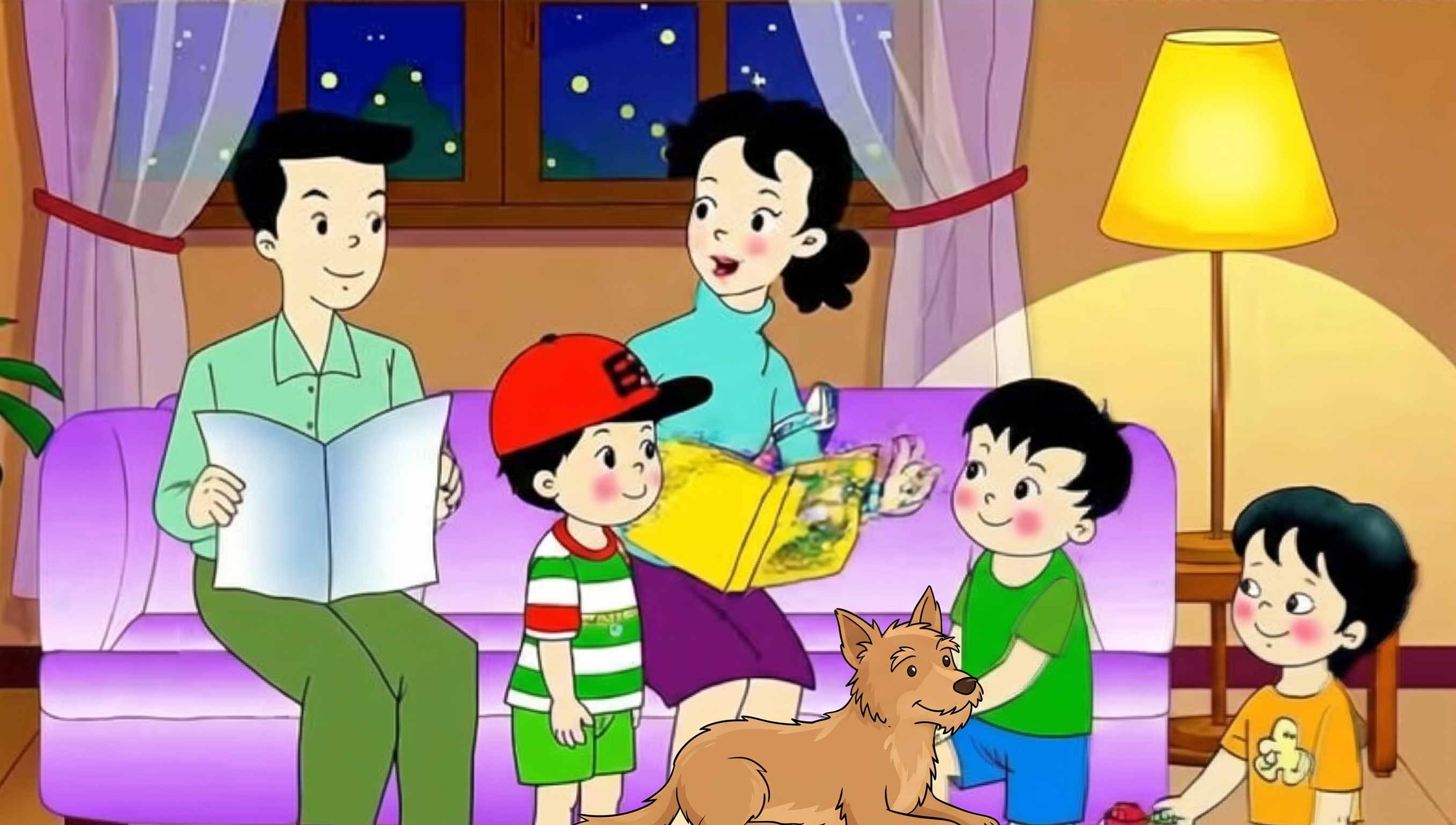
宝宝一家/La familia de Baobao/Baobao's family
爸爸/Papá, padre/Dad, father
妈妈/Mamá, madre/Mum, mother
宝宝/Baobao/Baobao
婷婷/Tíngting/Tíngting
嘟嘟/Dudú/Dudú
洛基/Rocky/Rocky
** 对话/Duìhuà/Diálogo/Dialogue **
--------------------------------------------------------------------------------
嘟嘟爸爸,你看,这朵蒲公英像一个小白球!/Dudú: ¡Papá, mira! ¡Este diente de león parece una bolita blanca!/Dudú: Dad, look! This dandelion looks like a little white ball!
爸爸你轻轻吹一下。/Papá: Sóplalo suavemente./Dad: Blow on it gently.
婷婷哇!它的种子像小降落伞,乘着风纷纷出发了!/Tíngting: ¡Hala! ¡Sus semillas parecen paracaídas y se van todas con el viento!/Tíngting: Wow! Its seeds look like little parachutes, riding off on the wind!
宝宝咦,洛基的皮毛上挂着很多带刺的小球。/Baobao: Anda, en el pelo de Rocky hay enganchadas muchas bolitas con pinchos./Baobao: Hey, there are lots of prickly little balls stuck in Rocky's fur.
妈妈那是苍耳的孩子。它们靠动物去旅行。/Mamá: Son los hijos del cadillo. Viajan a lomos de los animales./Mum: Those are the cocklebur's children. They travel on animals.
洛基汪汪!/Rocky: ¡Guau!/Rocky: Woof!
嘟嘟豌豆呢?它没有翅膀,也没有脚。/Dudú: ¿Y el guisante? No tiene alas ni patas./Dudú: What about the pea? It has no wings and no legs.
爸爸太阳一晒,豆荚啪的一声炸开,豆子就蹦出去了。/Papá: Cuando el sol calienta, la vaina hace ¡plac! y revienta, y los guisantes salen disparados./Dad: When the sun dries it, the pod bursts open with a pop and the peas jump out.
婷婷植物妈妈的办法真多!/Tíngting: ¡Cuántos trucos tienen las mamás plantas!/Tíngting: Mother plants have so many ways!
妈妈只要仔细观察,你们还能发现更多。/Mamá: Si observáis con atención, descubriréis todavía más./Mum: If you observe carefully, you'll discover even more.
▶ 📝 评论 / Comentarios / Comments
植物妈妈有办法:植物怎样传播种子:
1. 拟人的写法: 课文把植物写成“妈妈”,把种子写成“孩子”“娃娃”。蒲公英 (púgōngyīng) 靠风,苍耳 (cāng'ěr) 靠动物,豌豆 (wāndòu) 靠太阳,让学生在有趣的诗歌里学到科学知识。
2. 生动的动词: 乘着风 (chéngzhe fēng) 、纷纷出发 (fēnfēn chūfā) 、蹦着跳着 (bèngzhe tiàozhe) 写出了种子离开妈妈时的样子。可以让学生仿照课文说说别的植物,比如椰子、柳树怎样传播种子。
3. 观察的习惯: 最后一节“不信你就仔细观察”“粗心的小朋友却得不到它”,提醒学生要做一个细心观察大自然的人。
1. 拟人的写法: 课文把植物写成“妈妈”,把种子写成“孩子”“娃娃”。蒲公英 (púgōngyīng) 靠风,苍耳 (cāng'ěr) 靠动物,豌豆 (wāndòu) 靠太阳,让学生在有趣的诗歌里学到科学知识。
2. 生动的动词: 乘着风 (chéngzhe fēng) 、纷纷出发 (fēnfēn chūfā) 、蹦着跳着 (bèngzhe tiàozhe) 写出了种子离开妈妈时的样子。可以让学生仿照课文说说别的植物,比如椰子、柳树怎样传播种子。
3. 观察的习惯: 最后一节“不信你就仔细观察”“粗心的小朋友却得不到它”,提醒学生要做一个细心观察大自然的人。
Comentario Pedagógico: Las mamás plantas tienen sus trucos: cómo esparcen las plantas sus semillas:
1. La personificación: El poema convierte a las plantas en “mamás” y a las semillas en “hijos” o “pequeños”. 蒲公英 (púgōngyīng) viaja con el viento, 苍耳 (cāng'ěr) con los animales y 豌豆 (wāndòu) gracias al sol: los alumnos aprenden ciencia a través de un poema divertido.
2. Verbos expresivos: 乘着风 (chéngzhe fēng) , 纷纷出发 (fēnfēn chūfā) y 蹦着跳着 (bèngzhe tiàozhe) describen cómo las semillas se separan de su madre. Los alumnos pueden imitar el texto para hablar de otras plantas, como el cocotero o el sauce.
3. El hábito de observar: La última estrofa —“不信你就仔细观察”, “粗心的小朋友却得不到它”— anima a los alumnos a observar la naturaleza con atención.
Pedagogical Commentary: Mother Plants Have Their Ways: how plants spread their seeds:
1. Personification: The poem turns plants into “mothers” and seeds into “children” or “little ones”. 蒲公英 (púgōngyīng) travels on the wind, 苍耳 (cāng'ěr) on animals and 豌豆 (wāndòu) thanks to the sun, so students learn science through a fun poem.
2. Lively verbs: 乘着风 (chéngzhe fēng) , 纷纷出发 (fēnfēn chūfā) and 蹦着跳着 (bèngzhe tiàozhe) show how the seeds leave their mother. Students can copy the text to talk about other plants, such as coconut palms or willows.
3. The habit of observation: The last verse —“不信你就仔细观察”, “粗心的小朋友却得不到它”— encourages students to observe nature carefully.

主题/Zhǔtí/Tema/Theme

其他/Qítā/Otros/Others.

词汇 Cíhuì/Vocabulario/Vocabulary

PDF与视频/PDF,videos Y Quiz/PDF, Videos and Quiz
