
PRIMARIA_C1_N1_25_L08
** 25_L08_小书包/Xiǎo shūbāo/Mi mochilita/My Little School Bag **
** 额外内容/Contenido adicional/Additional Content **
** 扩大和替换/Kuòdà hé tìhuàn/Ampliar y sustituir/Expand and substitute. **
书包/mochila/school bag
我的小书包/mi mochilita/my little school bag
我的小书包,宝贝真不少。/Mi mochilita guarda muchos tesoros./My little school bag holds lots of treasures.
上课/en clase/in class
上课静悄悄/en clase muy calladita/very quiet in class
上课静悄悄,下课不乱跑。/En clase está calladita; en el recreo no corretea./Quiet in class, no running around at break.
--------------------------------------------------------------------------------
天天起得早,陪我去学校。/Todos los días madruga y me acompaña al colegio./Every day it gets up early and goes to school with me.
--------------------------------------------------------------------------------
课本/libro de texto/textbook
· 作业本/cuaderno de deberes./exercise book.
铅笔/lápiz/pencil
· 转笔刀/sacapuntas./sharpener.
上课/en clase/in class
· 静悄悄/muy callado./very quiet.
下课/en el recreo/at break
· 不乱跑/no corretea./doesn't run around.
** 想一想, 说一说/Xiǎng yi xiǎng, shuō yi shuō/Piensa y responde/Think and answer the following questions **
--------------------------------------------------------------------------------
1朗读课文。说一说你的书包里有哪些文具。/Lee el texto en voz alta. Di qué material escolar hay en tu mochila./Read the text aloud. Say what school things are in your bag.
2读一读,做一做我会把文具摆放整齐。我会自己整理书包。/Lee y hazlo: «Sé ordenar mi material». «Sé organizar mi mochila yo solo»./Read and do it: “I can put my things away neatly.” “I can pack my school bag myself.”
** 家庭/Jiātíng/FAMILIA/FAMILY **
--------------------------------------------------------------------------------
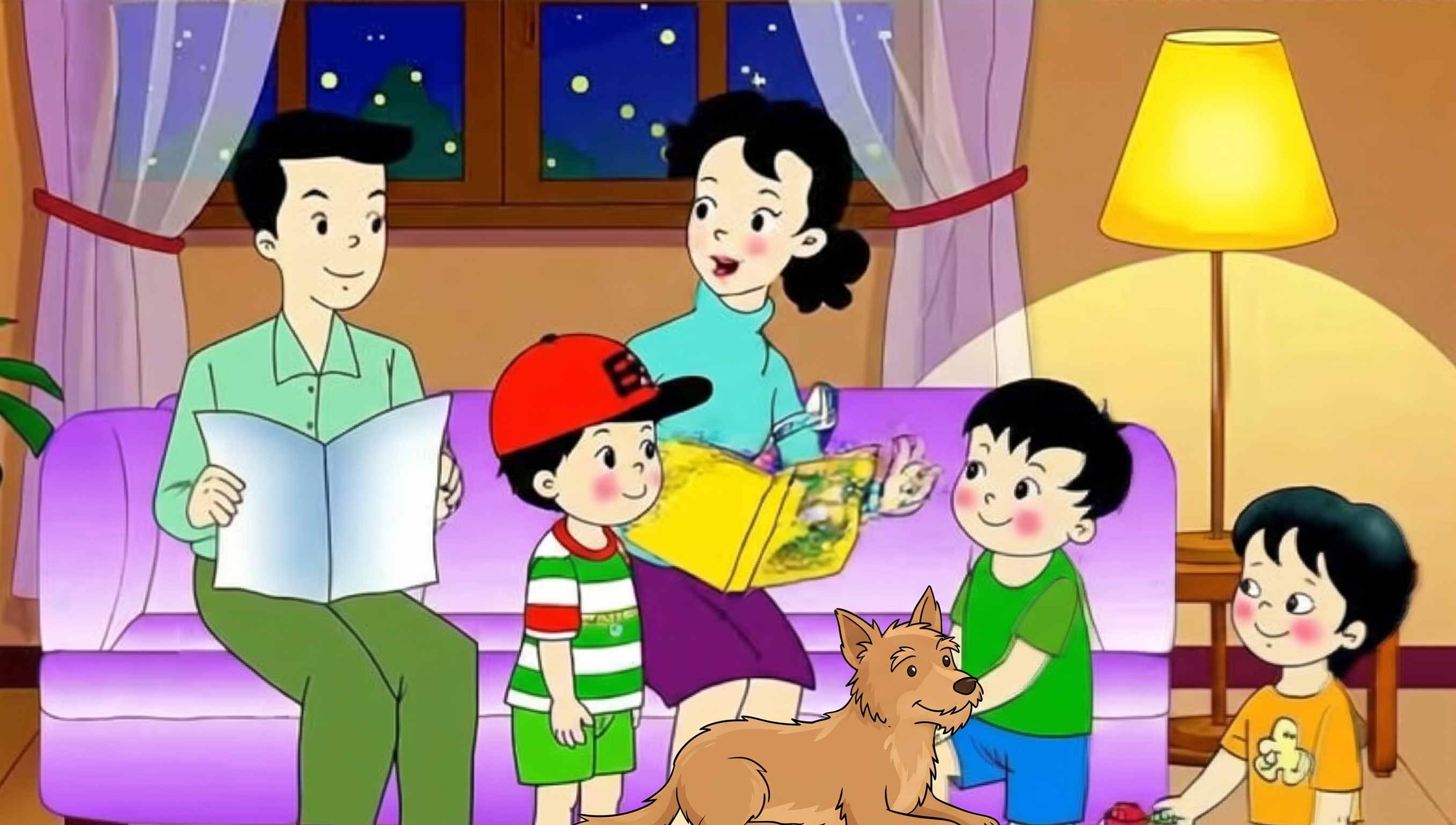
宝宝一家/La familia de Baobao/Baobao's family
爸爸/Papá, padre/Dad, father
妈妈/Mamá, madre/Mum, mother
宝宝/Baobao/Baobao
婷婷/Tíngting/Tíngting
嘟嘟/Dudú/Dudú
洛基/Rocky/Rocky
** 对话/Duìhuà/Diálogo/Dialogue **
--------------------------------------------------------------------------------
妈妈嘟嘟,你的书包整理好了吗?/Mamá: Dudú, ¿has preparado ya la mochila?/Mum: Dudú, have you packed your school bag?
嘟嘟整理好了!有课本、作业本、铅笔和转笔刀。/Dudú: ¡Sí! Llevo libros, cuadernos, lápices y el sacapuntas./Dudú: Yes! I've got my textbooks, exercise books, pencils and sharpener.
婷婷我的笔袋里还有橡皮和尺子。/Tíngting: En mi estuche también hay una goma y una regla./Tíngting: There's a rubber and a ruler in my pencil case too.
宝宝上课的时候要静悄悄,下课不乱跑。/Baobao: En clase hay que estar calladitos y en el recreo no corretear./Baobao: In class we must be quiet, and at break not run around.
爸爸天天起得早,就不会迟到了。/Papá: Si madrugas todos los días, nunca llegarás tarde./Dad: If you get up early every day, you'll never be late.
洛基汪汪!/Rocky: ¡Guau!/Rocky: Woof!
▶ 📝 评论 / Comentarios / Comments
小书包:爱护文具,养成好习惯:
1. 认识文具: 课文开头列出了橡皮、尺子、作业本等文具,让学生对照自己的书包认一认。
2. 儿歌: 儿歌把书包当成好朋友,“上课静悄悄,下课不乱跑”。
3. 好习惯: 学会整理书包,把文具摆放整齐。
1. 认识文具: 课文开头列出了橡皮、尺子、作业本等文具,让学生对照自己的书包认一认。
2. 儿歌: 儿歌把书包当成好朋友,“上课静悄悄,下课不乱跑”。
3. 好习惯: 学会整理书包,把文具摆放整齐。
Comentario Pedagógico: Mi mochilita: cuidar el material y crear buenos hábitos:
1. Conocer el material: El texto empieza con una lista de material (goma, regla, cuaderno…); los alumnos lo buscan en su mochila.
2. La canción: La canción trata la mochila como una amiga: «en clase calladita, en el recreo no corretea».
3. Buenos hábitos: Aprender a organizar la mochila y ordenar el material.
Pedagogical Commentary: My Little School Bag: looking after school things and good habits:
1. School things: The text begins with a list of school things (rubber, ruler, exercise book…); students find them in their own bags.
2. The rhyme: The rhyme treats the bag as a friend: “quiet in class, no running around at break”.
3. Good habits: Learning to pack the school bag and keep things tidy.

主题/Zhǔtí/Tema/Theme

其他/Qítā/Otros/Others.

词汇 Cíhuì/Vocabulario/Vocabulary

PDF与视频/PDF,videos Y Quiz/PDF, Videos and Quiz
