
** 5_京剧大师梅兰芳/Jīngjù dàshī Méi Lánfāng/Mei Lanfang, maestro de la Ópera de Pekín/Beijing Opera Master Mei Lanfang **
** 额外内容/Contenido adicional/Additional Content **
** 家庭/Jiātíng/FAMILIA/FAMILY **

** 词汇/Cíhuì/VOCABULARIO/VOCABULARY. **
** 历史/Lìshǐ/La historia/history **
** 嘟嘟学京剧/Dūdū xué jīngjù/Dudú aprende Ópera de Pekín/Dudu Learns Beijing Opera **
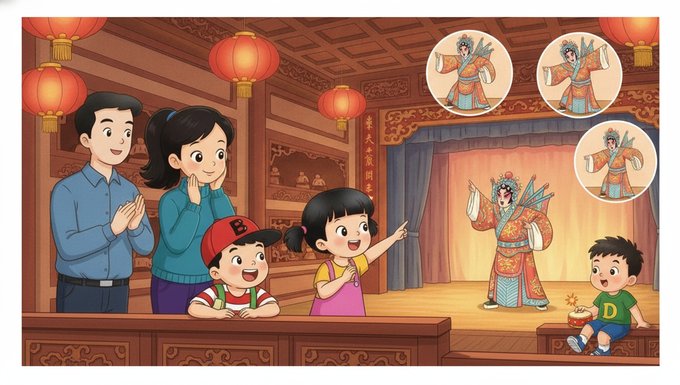
场景一/Chǎngjǐng yī/Escena 1/Scene 1
周末, (Papá,padre/Dad,father) 带孩子们去看 (Ópera de Pekín/Beijing opera) 。他说:‘中国最有名的 (Ópera de Pekín/Beijing opera) 大师是 (Mei Lanfang/Mei Lanfang) 。’
El fin de semana, (爸爸Bàba) llevó a los niños a ver (京剧jīngjù) . Les dijo: ‘El maestro de (京剧jīngjù) más famoso de China es (梅兰芳Méi Lánfāng) ’.
At the weekend, (爸爸Bàba) took the children to see (京剧jīngjù) . He said: ‘China's most famous (京剧jīngjù) master is (梅兰芳Méi Lánfāng) .’
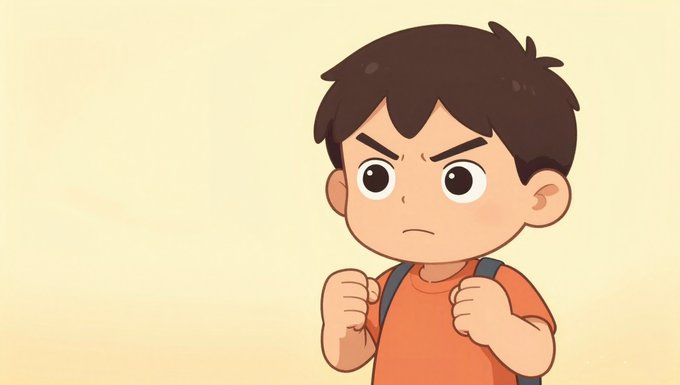
场景二/Chǎngjǐng èr/Escena 2/Scene 2
‘ (Mei Lanfang/Mei Lanfang) 小时候,人们说他不是学戏的料。可他有股 (Tozudez/Stubbornness) :‘你们说我不行,我 (Precisamente/Insist on) 要学!’’
‘De pequeño, la gente decía que (梅兰芳Méi Lánfāng) no valía para el teatro. Pero tenía (倔劲儿juèjìnr) : ‘Decís que no puedo, ¡pues (偏piān) por eso voy a aprender!’’
‘When (梅兰芳Méi Lánfāng) was little, people said he wasn't cut out for opera. But he had (倔劲儿juèjìnr) : ‘You say I can't, so I (偏piān) learning!’’
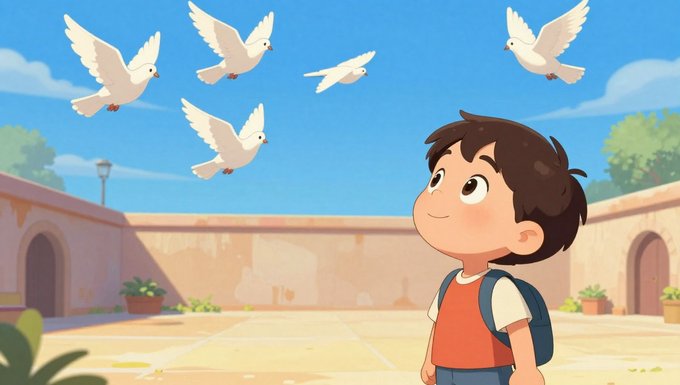
场景三/Chǎngjǐng sān/Escena 3/Scene 3
‘他天天望着 (Azul celeste/Azure) 的天空, (Fijar la vista/Stare at) 住飞过的 (Paloma/Pigeon) ,眼睛一 (Parpadear/Blink) 也不 (Parpadear/Blink) 。’
‘Cada día miraba el cielo (蔚蓝wèilán) y (盯dīng) en las (鸽子gēzi) que pasaban volando, sin (眨zhǎ) ni una vez’.
‘Every day he gazed at the (蔚蓝wèilán) sky and (盯dīng) the (鸽子gēzi) flying past, without (眨zhǎ) once.’
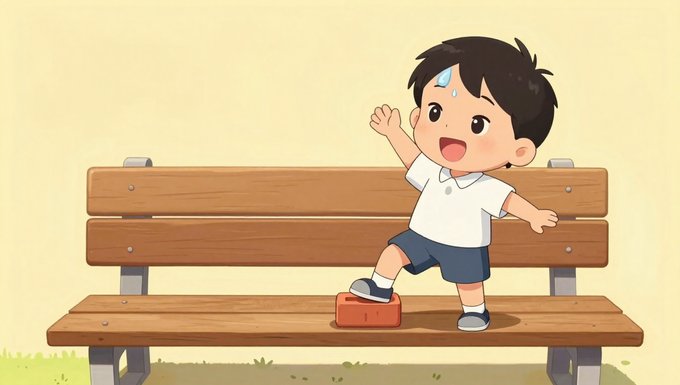
场景四/Chǎngjǐng sì/Escena 4/Scene 4
‘为了练 (Melodía vocal/Singing style) ,他累了就捏自己一下,又 (Esforzarse/Struggle) 着往下练。他站在 (Banco/Bench) 上练腿功,从不 (Interrumpir/Interrupt) 。’
‘Para practicar la (唱腔chàngqiāng) , cuando estaba cansado se pellizcaba y se (挣扎zhēngzhá) por seguir. Practicaba las piernas de pie sobre un (板凳bǎndèng) , sin (间断jiànduàn) nunca’.
‘To practise his (唱腔chàngqiāng) , when he was tired he pinched himself and (挣扎zhēngzhá) on. He trained his legs standing on a (板凳bǎndèng) , never (间断jiànduàn) it.’
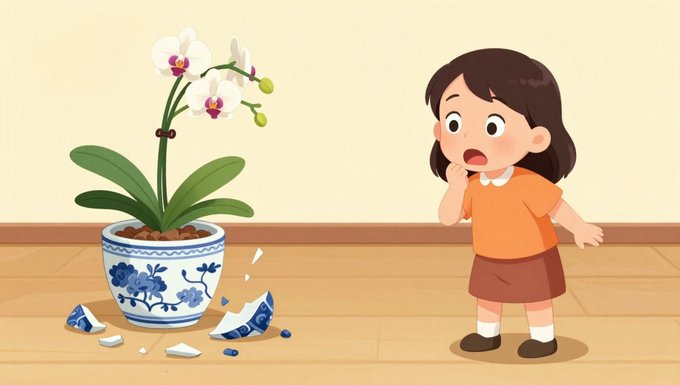
场景五/Chǎngjǐng wǔ/Escena 5/Scene 5
‘为了演好吃惊的样子,他把一个 (Orquídea/Orchid) (Maceta de porcelana/Porcelain pot) 摔在地上,‘ (¡Cras!/Crash!) ’的一声,妻子吓了一跳。’
‘Para interpretar bien la sorpresa, tiró al suelo una (瓷盆cípén) con una (兰花lánhuā) ; ‘ (哐kuāng) ’, y su mujer se llevó un susto’.
‘To act surprise well, he threw a (瓷盆cípén) with an (兰花lánhuā) onto the floor; ‘ (哐kuāng) ’, and his wife got a fright.’
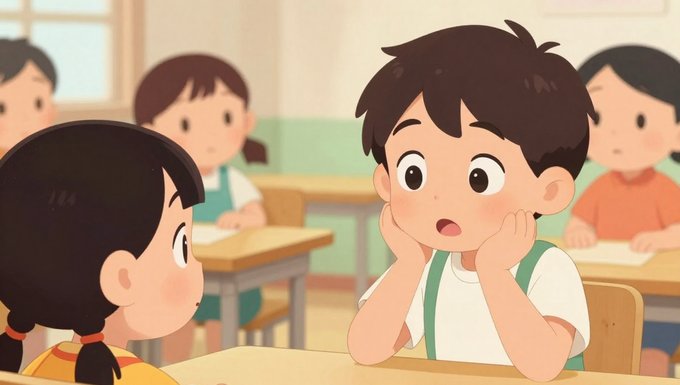
场景六/Chǎngjǐng liù/Escena 6/Scene 6
‘就在那 (Un instante/An instant) ,他把妻子的表情 (Firmemente/Firmly) 地记在了心里。他就是这样 (Innovar con decisión/Innovate boldly) 的。’
‘En ese (一瞬间yíshùnjiān) grabó (牢牢láoláo) en su memoria la expresión de su mujer. Así es como supo (锐意创新ruìyì chuàngxīn) ’.
‘In that (一瞬间yíshùnjiān) he (牢牢láoláo) fixed his wife's expression in his memory. That is how he (锐意创新ruìyì chuàngxīn) .’
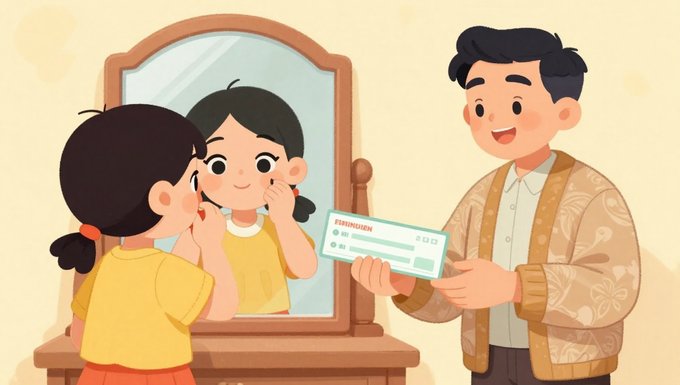
场景七/Chǎngjǐng qī/Escena 7/Scene 7
‘有个富商想用 (Gran suma de dinero/Huge sum of money) (Ganarse a la gente/Win people over) 、 (Ganar dinero/Earn) 大钱。 (Mei Lanfang/Mei Lanfang) 正在 (Desmaquillarse/Remove stage makeup) ,富商 (Con una amplia sonrisa/All smiles) 地递上一张支票。’
‘Un rico comerciante quería usar una (巨款jùkuǎn) para (笼络人心lǒngluò rénxīn) y (赚zhuàn) mucho. Mientras (梅兰芳Méi Lánfāng) se (卸装xièzhuāng) , el comerciante, (满脸堆笑mǎnliǎn duīxiào) , le dio un cheque’.
‘A rich merchant wanted to use a (巨款jùkuǎn) to (笼络人心lǒngluò rénxīn) and (赚zhuàn) a fortune. While (梅兰芳Méi Lánfāng) was (卸装xièzhuāng) , the merchant, (满脸堆笑mǎnliǎn duīxiào) , handed him a cheque.’
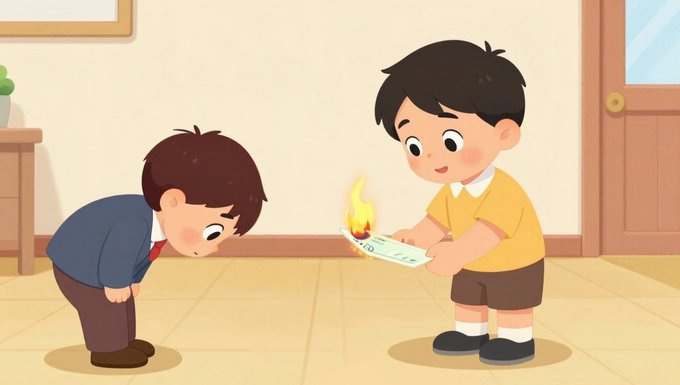
场景八/Chǎngjǐng bā/Escena 8/Scene 8
‘ (Mei Lanfang/Mei Lanfang) 把支票烧了。富商只好 (Pedir disculpas/Apologize) ,灰溜溜地走了。’
‘ (梅兰芳Méi Lánfāng) quemó el cheque. El comerciante no tuvo más remedio que (赔礼道歉péilǐ dàoqiàn) y se fue con el rabo entre las piernas’.
‘ (梅兰芳Méi Lánfāng) burned the cheque. The merchant had no choice but to (赔礼道歉péilǐ dàoqiàn) and slunk away.’
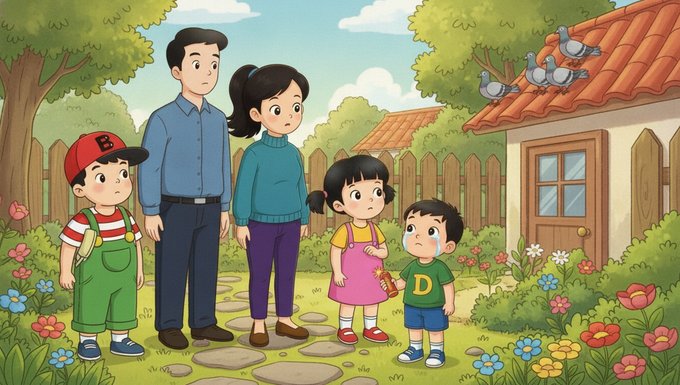
场景九/Chǎngjǐng jiǔ/Escena 9/Scene 9
回到家, (Dudú) 在院子里 (Fijar la vista/Stare at) 着 (Paloma/Pigeon) 练眼神,眼睛一 (Parpadear/Blink) 也不 (Parpadear/Blink) ,结果流了眼泪。
En casa, (嘟嘟Dūdū) practicaba la mirada en el jardín (盯dīng) en las (鸽子gēzi) sin (眨zhǎ) , hasta que le saltaron las lágrimas.
Back home, (嘟嘟Dūdū) practised his gaze in the garden, (盯dīng) the (鸽子gēzi) without (眨zhǎ) , until tears ran from his eyes.
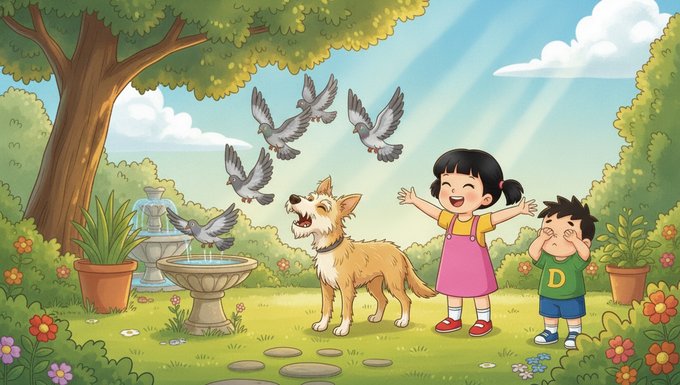
场景十/Chǎngjǐng shí/Escena 10/Scene 10
(Tíngting) 笑着说:‘你真有 (Mei Lanfang/Mei Lanfang) 的 (Tozudez/Stubbornness) !’ (Rocky) 对着 (Paloma/Pigeon) 汪汪叫, (Paloma/Pigeon) 都飞走了。
(婷婷Tíngtíng) se rio: ‘¡Tienes la (倔劲儿juèjìnr) de (梅兰芳Méi Lánfāng) !’. (洛基Luòjī) les ladró a las (鸽子gēzi) y salieron todas volando.
(婷婷Tíngtíng) laughed: ‘You really have (梅兰芳Méi Lánfāng) 's (倔劲儿juèjìnr) !’ (洛基Luòjī) barked at the (鸽子gēzi) , and they all flew away.
@ Zhongwen 资料 (SWF, PDF, MP3 等) 的版权归属于:中国华文教育网 - Overseas Chinese Language and Culture Education Online。
@ Los materiales Zhongwen (SWF, PDF, MP3, etc.) son propiedad de: 中国华文教育网 - Overseas Chinese Language and Culture Education Online.
@ The materials Zhongwen (SWF, PDF, MP3, etc.) are the property of: 中国华文教育网 - Overseas Chinese Language and Culture Education Online.

主题/Zhǔtí/Tema/Theme

其他/Qítā/Otros/Others.

阅读/Yuèdú/Lectura/Reading.

PDF与视频/PDF,videos Y Quiz/PDF, Videos and Quiz

额外内容/Contenido adicional/Additional Content
