
** 5_幽默大师/Yōumò dàshī/El maestro del humor/Master of Humor **
** 额外内容/Contenido adicional/Additional Content **
** 家庭/Jiātíng/FAMILIA/FAMILY **

** 词汇/Cíhuì/VOCABULARIO/VOCABULARY. **
** 历史/Lìshǐ/La historia/history **
** 宝宝学幽默/Bǎobǎo xué yōumò/Baobao aprende humor/Baobao Learns to Be Funny **
场景一/Chǎngjǐng yī/Escena 1/Scene 1
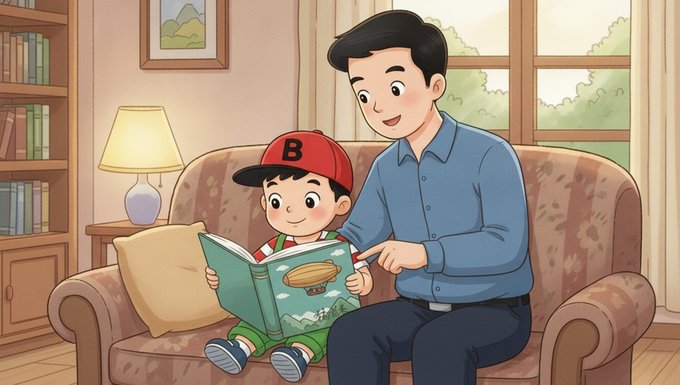
(Baobao) 最近在读《汤姆·索亚历险记》。 (Papá,padre/Dad,father) 说:‘作者 (Mark Twain/Mark Twain) 是美国有名的 (Humor/Humor) 大师。’
Últimamente (宝宝Bǎobǎo) estaba leyendo ‘Las aventuras de Tom Sawyer’. (爸爸Bàba) le dijo: ‘Su autor, (马克·吐温Mǎkè Tǔwēn) , fue un famoso maestro del (幽默yōumò) de Estados Unidos’.
Lately (宝宝Bǎobǎo) had been reading ‘The Adventures of Tom Sawyer’. (爸爸Bàba) said: ‘Its author, (马克·吐温Mǎkè Tǔwēn) , was a famous American master of (幽默yōumò) .’
场景二/Chǎngjǐng èr/Escena 2/Scene 2
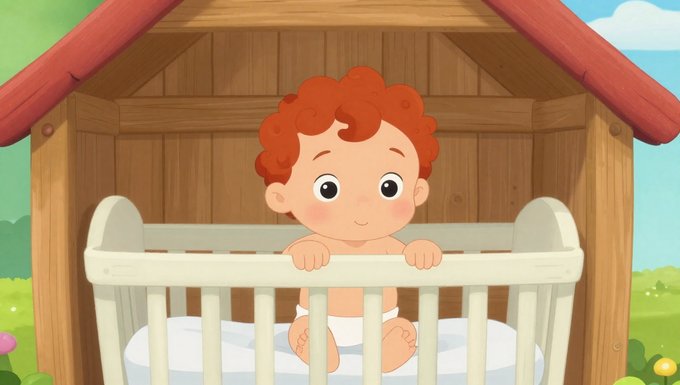
‘他一八三五年 (Nacer/Be born) 在美国 (Florida/Florida) ,本名叫 (Samuel/Samuel) 。’
‘ (诞生dànshēng) en 1835 en (佛罗里达Fóluólǐdá) , en Estados Unidos, y su verdadero nombre era (萨缪尔Sàmiù'ěr) ’.
‘He was (诞生dànshēng) in 1835 in (佛罗里达Fóluólǐdá) , in the United States, and his real name was (萨缪尔Sàmiù'ěr) .’

场景三/Chǎngjǐng sān/Escena 3/Scene 3
‘年轻时,他坐船在 (Olas embravecidas/Raging waves) 的大海上航行,还学会了 (Llevar el timón/Steer) 。’
‘De joven navegó en barco por un mar de (波涛汹涌bōtāo xiōngyǒng) y hasta aprendió a (操舵cāoduò) ’.
‘As a young man he sailed on a sea of (波涛汹涌bōtāo xiōngyǒng) and even learned to (操舵cāoduò) .’
场景四/Chǎngjǐng sì/Escena 4/Scene 4
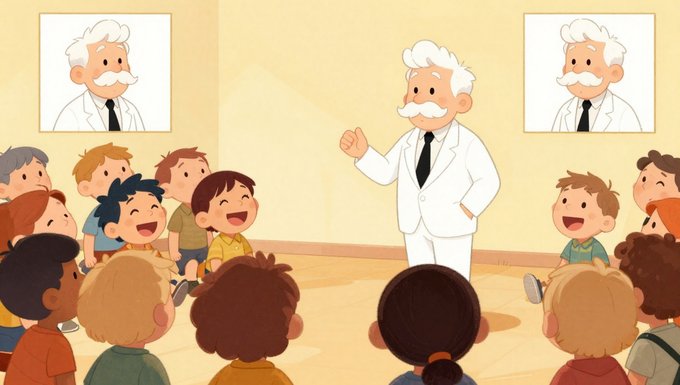
‘他机智 (Humor/Humor) 的 (Palabras/Words) 总能让人哈哈大笑。’
‘Sus (言辞yáncí) ingeniosas y llenas de (幽默yōumò) siempre hacían reír a carcajadas’.
‘His witty, (幽默yōumò) (言辞yáncí) always made people roar with laughter.’
场景五/Chǎngjǐng wǔ/Escena 5/Scene 5
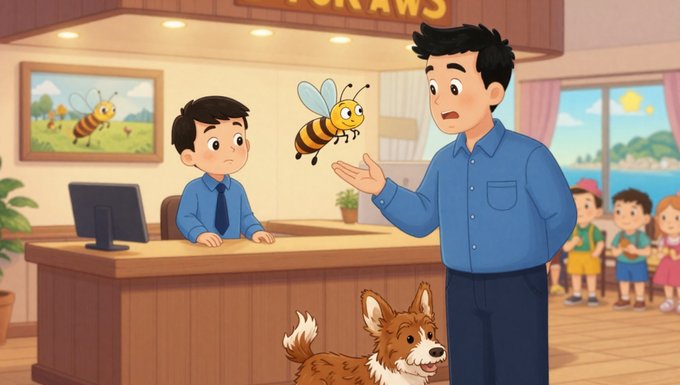
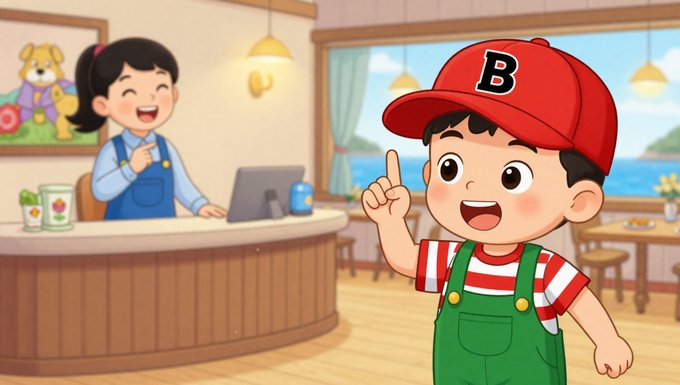
暑假, (Baobao) 一家住进一家小旅馆。登记的时候,一只 (Mosquito/Mosquito) 像喝醉了 (Como si/As if) ,在 (Papá,padre/Dad,father) 面前 (Zumbido/Buzz) 地飞。服务员很 (Incómodo/Awkward) 。
En verano, la familia de (宝宝Bǎobǎo) se alojó en un pequeño hotel. Mientras se registraban, un (蚊子wénzi) volaba con un (嗡嗡wēngwēng) delante de (爸爸Bàba) , (似的shìde) estuviera borracho. El recepcionista se sintió muy (尴尬gāngà) .
In the summer, (宝宝Bǎobǎo) 's family stayed at a small hotel. While they were checking in, a (蚊子wénzi) flew around in front of (爸爸Bàba) with a (嗡嗡wēngwēng) , (似的shìde) it were drunk. The receptionist felt very (尴尬gāngà) .
场景六/Chǎngjǐng liù/Escena 6/Scene 6
(Baobao) 学 (Mark Twain/Mark Twain) 说:‘这里的 (Mosquito/Mosquito) 真聪明,先来看看我们住哪个房间!’服务员也笑了。
(宝宝Bǎobǎo) imitó a (马克·吐温Mǎkè Tǔwēn) : ‘¡Qué listos son los (蚊子wénzi) de aquí! ¡Vienen a ver primero en qué habitación dormimos!’. El recepcionista también se rio.
(宝宝Bǎobǎo) copied (马克·吐温Mǎkè Tǔwēn) : ‘The (蚊子wénzi) here are so clever, they come to check which room we're staying in first!’ The receptionist laughed too.
场景七/Chǎngjǐng qī/Escena 7/Scene 7
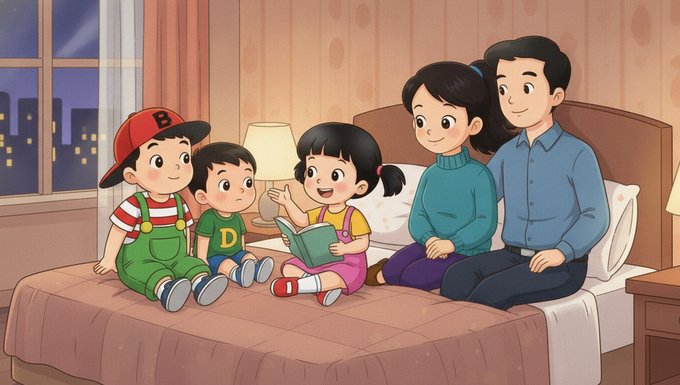
晚上, (Tíngting) 说:‘我也很 (Admirar/Admire) (Mark Twain/Mark Twain) 。我给你们讲他的另一个故事。’
Por la noche, (婷婷Tíngtíng) dijo: ‘Yo también (仰慕yǎngmù) mucho a (马克·吐温Mǎkè Tǔwēn) . Os voy a contar otra historia suya’.
In the evening, (婷婷Tíngtíng) said: ‘I (仰慕yǎngmù) (马克·吐温Mǎkè Tǔwēn) too. Let me tell you another story about him.’
场景八/Chǎngjǐng bā/Escena 8/Scene 8
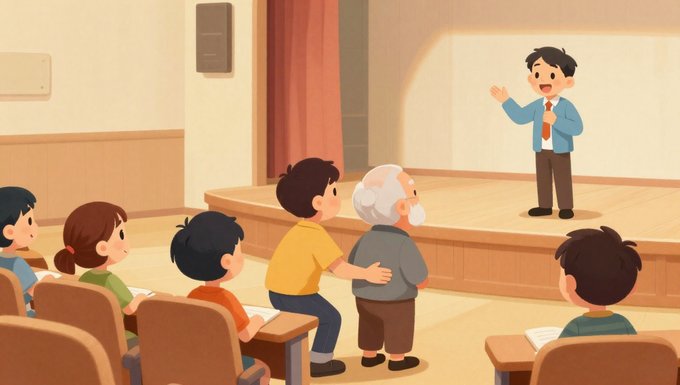
‘一个青年 (Llevar del brazo/Support by the arm) 着叔父来听演讲。 (Mark Twain/Mark Twain) 讲了三个笑话,老人一点儿也不笑。他不肯 (Rendirse/Give up) ,可老人还是不笑。’
‘Un joven vino a la conferencia (扶fú) a su tío. (马克·吐温Mǎkè Tǔwēn) contó tres chistes y el anciano no se rio nada. No quiso (放弃fàngqì) , pero el anciano siguió sin reírse’.
‘A young man came to the lecture, (扶fú) his uncle by the arm. (马克·吐温Mǎkè Tǔwēn) told three jokes, and the old man didn't laugh at all. He wouldn't (放弃fàngqì) , but the old man still didn't laugh.’
场景九/Chǎngjǐng jiǔ/Escena 9/Scene 9
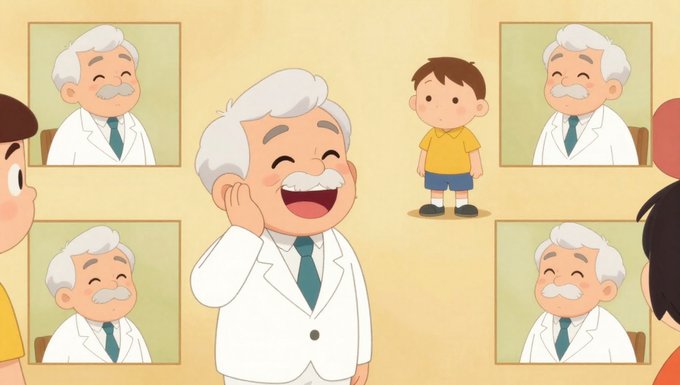
‘原来老人 (Sordo/Deaf) 好几年了。 (Mark Twain/Mark Twain) 说:‘要是我知道他是个 (Persona sorda/Deaf person) ,发笑的一定是我了!’’
‘Resulta que el anciano llevaba años (耳聋ěrlóng) . (马克·吐温Mǎkè Tǔwēn) dijo: ‘¡Si hubiera sabido que era (聋子lóngzi) , el que se habría reído sería yo!’’
‘It turned out the old man had been (耳聋ěrlóng) for years. (马克·吐温Mǎkè Tǔwēn) said: ‘If I'd known he was a (聋子lóngzi) , the one laughing would surely have been me!’’
场景十/Chǎngjǐng shí/Escena 10/Scene 10
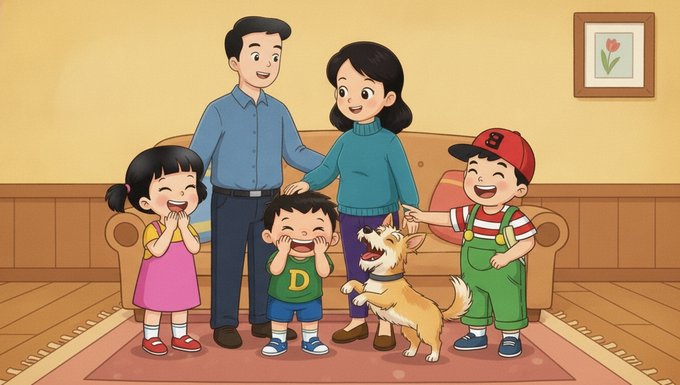
(Dudú) 也想讲笑话,可是讲到一半自己先笑了。 (Rocky) 汪汪叫,好像也在笑。
(嘟嘟Dūdū) también quiso contar un chiste, pero a la mitad se echó a reír él solo. (洛基Luòjī) ladró como si también se riera.
(嘟嘟Dūdū) wanted to tell a joke too, but halfway through he burst out laughing himself. (洛基Luòjī) barked as though he were laughing as well.
@ Zhongwen 资料 (SWF, PDF, MP3 等) 的版权归属于:中国华文教育网 - Overseas Chinese Language and Culture Education Online。
@ Los materiales Zhongwen (SWF, PDF, MP3, etc.) son propiedad de: 中国华文教育网 - Overseas Chinese Language and Culture Education Online.
@ The materials Zhongwen (SWF, PDF, MP3, etc.) are the property of: 中国华文教育网 - Overseas Chinese Language and Culture Education Online.

主题/Zhǔtí/Tema/Theme

其他/Qítā/Otros/Others.

阅读/Yuèdú/Lectura/Reading.

PDF与视频/PDF,videos Y Quiz/PDF, Videos and Quiz

额外内容/Contenido adicional/Additional Content
