
** 4_华侨旗帜/Huáqiáo qízhì/El estandarte de los chinos en ultramar/Banner of Overseas Chinese **
** 额外内容/Contenido adicional/Additional Content **
** 家庭/Jiātíng/FAMILIA/FAMILY **

** 词汇/Cíhuì/VOCABULARIO/VOCABULARY. **
** 历史/Lìshǐ/La historia/history **
** 宝宝游集美/Bǎobǎo yóu Jíměi/Baobao visita Jimei/Baobao Visits Jimei **
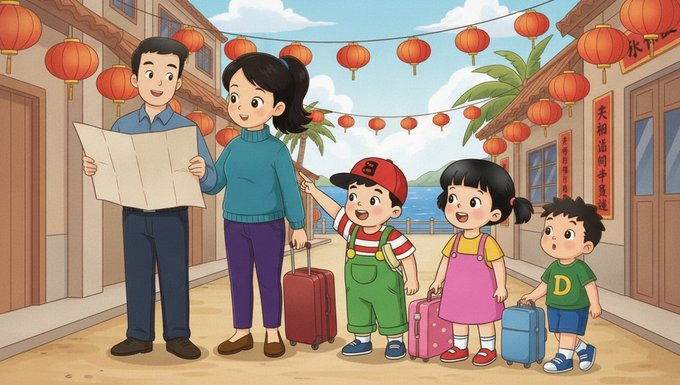
场景一/Chǎngjǐng yī/Escena 1/Scene 1
春节, (Baobao) 一家去 (Xiamen/Xiamen) 旅行。 (Papá,padre/Dad,father) 说:‘我们去 (Jimei/Jimei) 看看‘ (Chino de ultramar/Overseas Chinese) (Estandarte/Banner) ’ (Chen Jiageng/Tan Kah Kee) 先生的家乡。’
En la Fiesta de la Primavera, la familia de (宝宝Bǎobǎo) viajó a (厦门Xiàmén) . (爸爸Bàba) dijo: ‘Vamos a (集美Jíměi) a ver el pueblo natal del señor (陈嘉庚Chén Jiāgēng) , el ‘ (旗帜qízhì) de los (华侨huáqiáo) ’’.
During the Spring Festival, (宝宝Bǎobǎo) 's family travelled to (厦门Xiàmén) . (爸爸Bàba) said: ‘Let's go to (集美Jíměi) to see the hometown of Mr (陈嘉庚Chén Jiāgēng) , the ‘ (旗帜qízhì) of the (华侨huáqiáo) ’.’
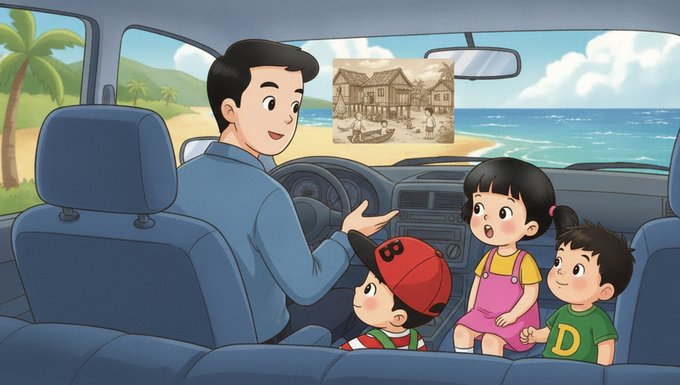
场景二/Chǎngjǐng èr/Escena 2/Scene 2
在车上, (Papá,padre/Dad,father) 讲:‘一百多年前,清朝政府很 (Corrupto/Corrupt) , (Jimei/Jimei) 很 (Pobre/Poor) ,很多孩子没有书读。’
En el coche, (爸爸Bàba) contó: ‘Hace más de cien años, el gobierno Qing era muy (腐败fǔbài) ; (集美Jíměi) era muy (贫穷pínqióng) y muchos niños no podían estudiar’.
In the car, (爸爸Bàba) explained: ‘Over a hundred years ago, the Qing government was very (腐败fǔbài) , (集美Jíměi) was very (贫穷pínqióng) , and many children couldn't go to school.’
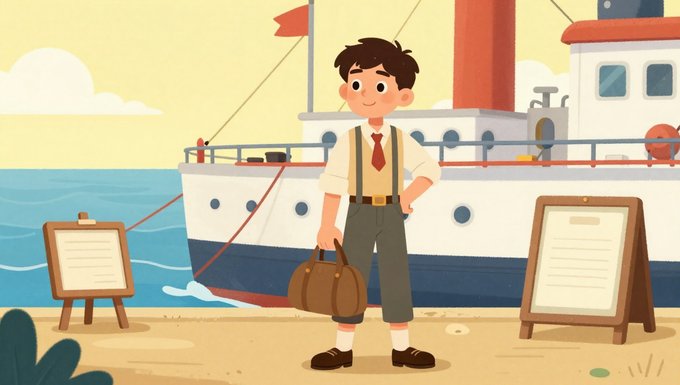
场景三/Chǎngjǐng sān/Escena 3/Scene 3
‘ (Chen Jiageng/Tan Kah Kee) 十七岁就 (Cruzar el océano/Cross the ocean) 到了新加坡,后来成了有名的实业家。他下决心改变家乡的 (Aspecto/Appearance) 。’
‘Con diecisiete años, (陈嘉庚Chén Jiāgēng) (漂洋过海piāo yáng guò hǎi) hasta Singapur y llegó a ser un empresario famoso. Decidió cambiar el (面貌miànmào) de su pueblo’.
‘At seventeen, (陈嘉庚Chén Jiāgēng) (漂洋过海piāo yáng guò hǎi) to Singapore and later became a famous industrialist. He made up his mind to change the (面貌miànmào) of his hometown.’
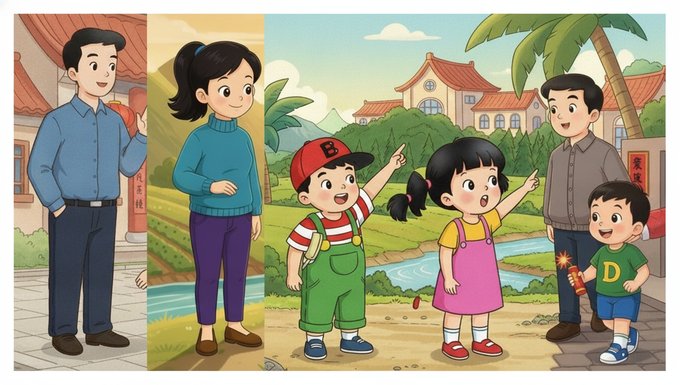
场景四/Chǎngjǐng sì/Escena 4/Scene 4
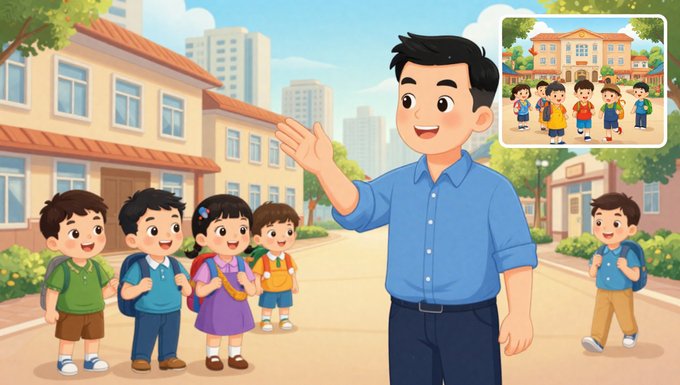
他们来到 (Jimei/Jimei) 学村, (Tíngting) 睁大眼睛说:‘这么多漂亮的学校,都是 (Chen Jiageng/Tan Kah Kee) 办的吗?’
Llegaron a la Aldea Escolar de (集美Jíměi) . (婷婷Tíngtíng) , con los ojos muy abiertos, preguntó: ‘¿Todas estas escuelas tan bonitas las fundó (陈嘉庚Chén Jiāgēng) ?’
They arrived at the (集美Jíměi) School Village. Wide-eyed, (婷婷Tíngtíng) asked: ‘Did (陈嘉庚Chén Jiāgēng) found all these beautiful schools?’
场景五/Chǎngjǐng wǔ/Escena 5/Scene 5
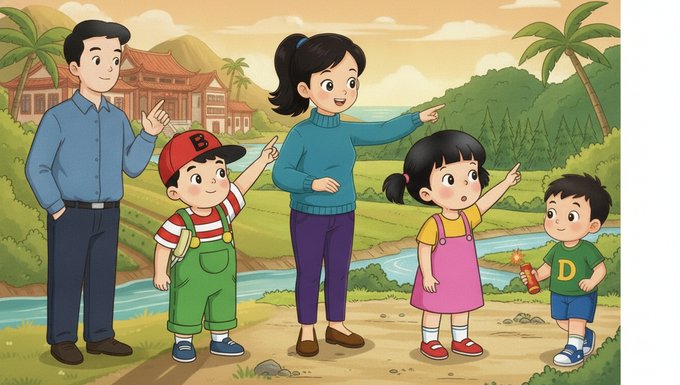
(Papá,padre/Dad,father) 说:‘是的。他还在新加坡 (Promover y fundar/Initiate and found) 了很多学校, (Activamente/Actively) (Impulsar/Revitalize) (Chino de ultramar/Overseas Chinese) 的教育。’
(爸爸Bàba) respondió: ‘Sí. En Singapur también (倡办chàngbàn) muchas escuelas para (振兴zhènxīng) (积极jījí) la educación de los (华侨huáqiáo) ’.
(爸爸Bàba) replied: ‘Yes. In Singapore he also (倡办chàngbàn) many schools, (积极jījí) working to (振兴zhènxīng) education for (华侨huáqiáo) .’
场景六/Chǎngjǐng liù/Escena 6/Scene 6
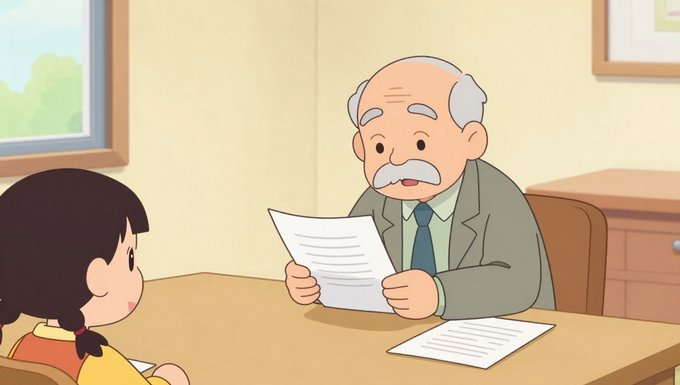
在 (Xiamen/Xiamen) 大学, (Mamá,madre/Mom,mother) 说:‘这是当时 (Chino de ultramar/Overseas Chinese) 在国内办的 (Único/Only) 的私立大学,后来他把它献给了国家。’
En la Universidad de (厦门Xiàmén) , (妈妈Māmā) dijo: ‘Fue la (惟一wéiyī) universidad privada fundada en China por un (华侨huáqiáo) ; después él se la donó al país’.
At (厦门Xiàmén) University, (妈妈Māmā) said: ‘It was the (惟一wéiyī) private university founded in China by an (华侨huáqiáo) at the time; later he gave it to the nation.’
场景七/Chǎngjǐng qī/Escena 7/Scene 7
‘新中国成立以后,他当了 (Central/Central) 人民政府 (Miembro de comité/Committee member) ,努力 (Llevar a cabo/Carry out) 国家的教育方针。’
‘Tras la fundación de la Nueva China, fue (委员wěiyuán) del Gobierno Popular (中央zhōngyāng) y se esforzó por (贯彻guànchè) la política educativa del país’.
‘After New China was founded, he became a (委员wěiyuán) of the (中央zhōngyāng) People's Government and worked hard to (贯彻guànchè) the nation's education policy.’
场景八/Chǎngjǐng bā/Escena 8/Scene 8
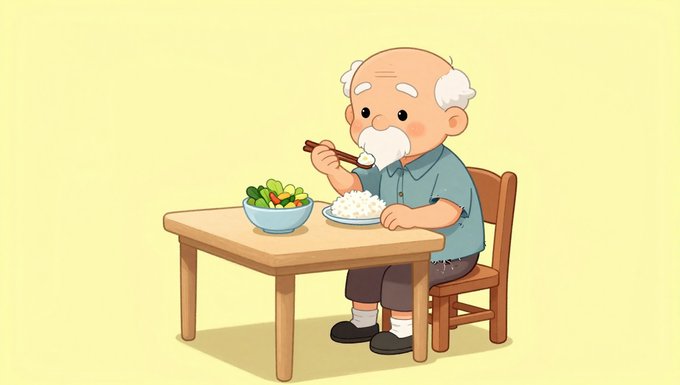
‘他花在教育上的钱超过一 (Cien millones/Hundred million) 美元,自己却吃 (Comida sencilla/Plain food) , (Camisa/Shirt) 、 (Pantalones/Trousers) 和 (Calcetines/Socks) 破了,补一补再穿。’
‘Gastó más de cien (亿yì) de dólares en educación, pero él comía (粗茶淡饭cū chá dàn fàn) , y cuando se le rompían la (衬衫chènshān) , los (裤子kùzi) o los (袜子wàzi) , los remendaba y se los volvía a poner’.
‘He spent over a hundred (亿yì) dollars on education, yet he ate (粗茶淡饭cū chá dàn fàn) , and when his (衬衫chènshān) , (裤子kùzi) or (袜子wàzi) wore out, he mended them and wore them again.’
场景九/Chǎngjǐng jiǔ/Escena 9/Scene 9
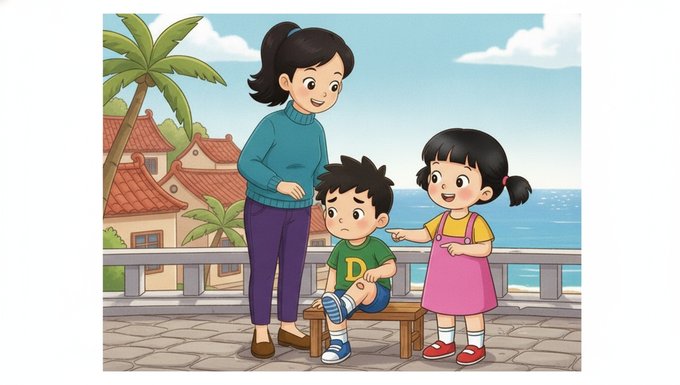
(Dudú) 看看自己的 (Calcetines/Socks) ,不好意思地说:‘我的 (Calcetines/Socks) 破了一个小洞,我也要补一补再穿!’
(嘟嘟Dūdū) se miró los (袜子wàzi) y dijo algo avergonzado: ‘Mi (袜子wàzi) tiene un agujerito. ¡Yo también lo voy a remendar y me lo volveré a poner!’
(嘟嘟Dūdū) looked at his (袜子wàzi) and said, a little embarrassed: ‘My (袜子wàzi) has a small hole. I'll mend it and wear it again too!’
场景十/Chǎngjǐng shí/Escena 10/Scene 10
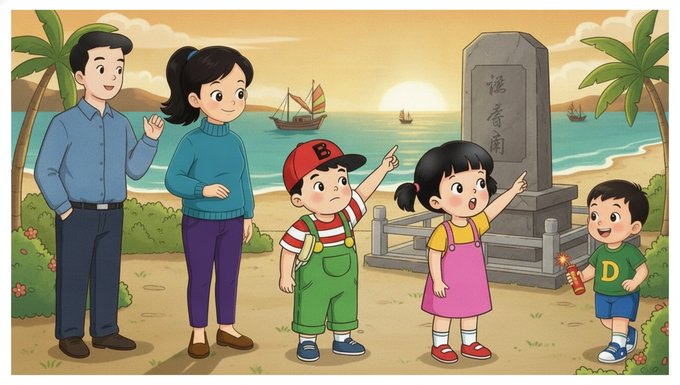
最后,他们来到 (Chen Jiageng/Tan Kah Kee) 的 (Mausoleo/Memorial park) 。他一九六一年 (Fallecer/Pass away) ,人们为他树立了 (Monumento/Monument) 。孩子们向 (Monumento/Monument) 鞠了一躬。
Por último fueron al (陵园língyuán) de (陈嘉庚Chén Jiāgēng) . (逝世shìshì) en 1961 y la gente le levantó un (纪念碑jìniànbēi) . Los niños hicieron una reverencia ante el (纪念碑jìniànbēi) .
Finally they visited (陈嘉庚Chén Jiāgēng) 's (陵园língyuán) . He (逝世shìshì) in 1961, and people put up a (纪念碑jìniànbēi) to him. The children bowed before the (纪念碑jìniànbēi) .
@ Zhongwen 资料 (SWF, PDF, MP3 等) 的版权归属于:中国华文教育网 - Overseas Chinese Language and Culture Education Online。
@ Los materiales Zhongwen (SWF, PDF, MP3, etc.) son propiedad de: 中国华文教育网 - Overseas Chinese Language and Culture Education Online.
@ The materials Zhongwen (SWF, PDF, MP3, etc.) are the property of: 中国华文教育网 - Overseas Chinese Language and Culture Education Online.

主题/Zhǔtí/Tema/Theme

其他/Qítā/Otros/Others.

阅读/Yuèdú/Lectura/Reading.

PDF与视频/PDF,videos Y Quiz/PDF, Videos and Quiz

额外内容/Contenido adicional/Additional Content
