
** 10_屈原/Qū Yuán/Qu Yuan/Qu Yuan **
** 额外内容/Contenido adicional/Additional Content **
** 家庭/Jiātíng/FAMILIA/FAMILY **

** 词汇/Cíhuì/VOCABULARIO/VOCABULARY. **
** 历史/Lìshǐ/La historia/history **
** 端午节赛龙舟/Duānwǔjié sài lóngzhōu/Carreras de barcos dragón/Dragon Boat Racing **
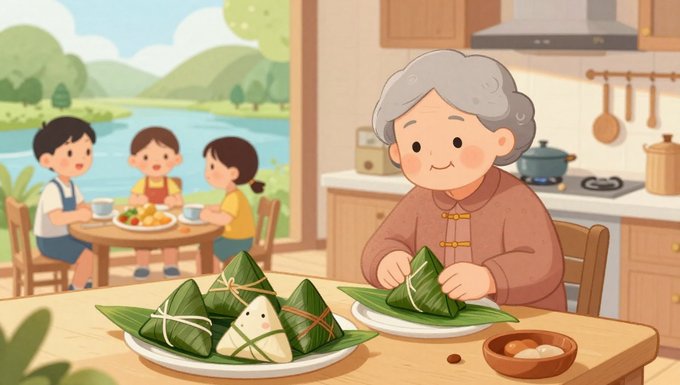
场景一/Chǎngjǐng yī/Escena 1/Scene 1
(Fiesta del Barco Dragón/Dragon Boat Festival) 到了, (Abuela/Grandma) 包了很多 (Zongzi (pastelito de arroz)/Zongzi (rice dumpling) ) 。
Llegó la (端午节Duānwǔjié) y la (奶奶Nǎinai) preparó muchos (粽子zòngzi) .
The (端午节Duānwǔjié) came, and (奶奶Nǎinai) wrapped lots of (粽子zòngzi) .
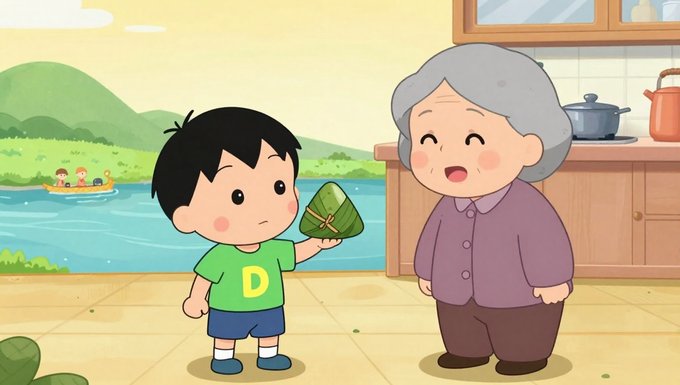
场景二/Chǎngjǐng èr/Escena 2/Scene 2
(Dudú) 问:‘为什么 (Fiesta del Barco Dragón/Dragon Boat Festival) 要吃 (Zongzi (pastelito de arroz)/Zongzi (rice dumpling) ) ?’
(嘟嘟Dūdū) preguntó: ‘¿Por qué se comen (粽子zòngzi) en la (端午节Duānwǔjié) ?’.
(嘟嘟Dūdū) asked, ‘Why do we eat (粽子zòngzi) at the (端午节Duānwǔjié) ?’
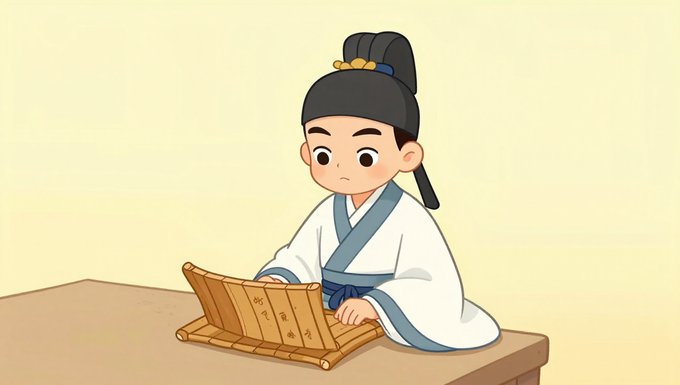
场景三/Chǎngjǐng sān/Escena 3/Scene 3
(Abuela/Grandma) 说:‘两千多年前,有一位 (Patriota/Patriotic) (Poeta/Poet) 叫 (Qu Yuan/Qu Yuan) ,人们都 (Alabar/Praise) 他写的 (Patriota/Patriotic) (Poemas/Poems) 。’
La (奶奶Nǎinai) dijo: ‘Hace más de dos mil años hubo un (诗人shīrén) (爱国àiguó) llamado (屈原Qū Yuán) ; la gente (称颂chēngsòng) los (诗篇shīpiān) (爱国àiguó) que escribía’.
(奶奶Nǎinai) said, ‘More than two thousand years ago, there was a (爱国àiguó) (诗人shīrén) called (屈原Qū Yuán) ; people (称颂chēngsòng) the (爱国àiguó) (诗篇shīpiān) he wrote.’
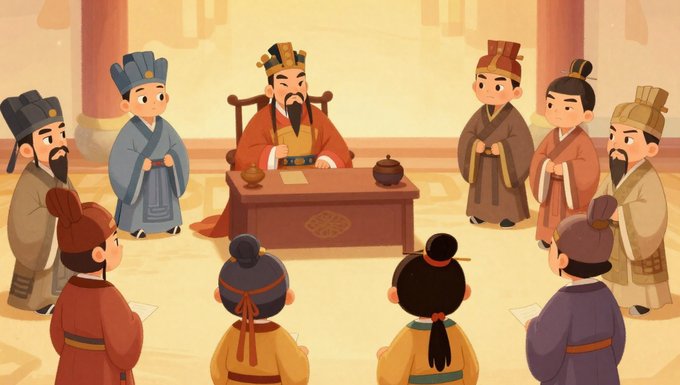
场景四/Chǎngjǐng sì/Escena 4/Scene 4
‘他是楚国的 (Ministro/Minister) , (Amar profundamente/Love dearly) 自己的 (Patria/Motherland) , (Desear/Hope) 国家强大,常常提出自己的 (Política/Politics) 主张,可是国王 (Sin embargo/However) 不听他的。’
‘Era (大臣dàchén) del reino de Chu, (热爱rè'ài) a su (祖国zǔguó) y (希望xīwàng) que fuera fuerte; a menudo proponía sus ideas (政治zhèngzhì) , (却què) el rey no le hacía caso’.
‘He was a (大臣dàchén) of the State of Chu; he (热爱rè'ài) his (祖国zǔguó) dearly and (希望xīwàng) it would be strong. He often put forward his (政治zhèngzhì) ideas, (却què) the king would not listen.’
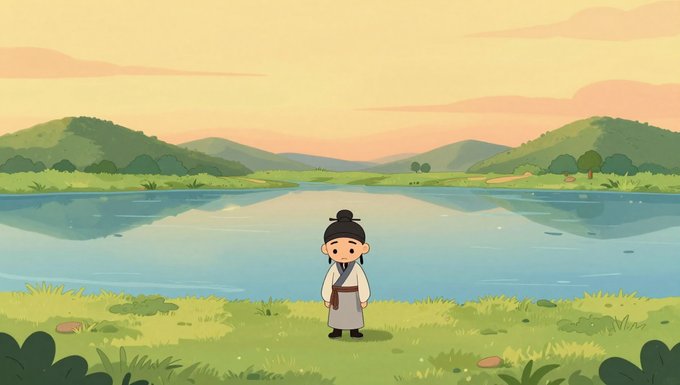
场景五/Chǎngjǐng wǔ/Escena 5/Scene 5
‘后来,敌人攻进了 (Capital/Capital city) ,他的国家 (Caer (un país)/Perish) 了。五月 (Día cinco/Fifth day) 这一天,他 (Arrojarse al río/Throw oneself into the river) (Quitarse la vida/Take one's own life) 了。’
‘Más tarde, el enemigo entró en la (都城dūchéng) y su país (灭亡mièwáng) . El (初五chūwǔ) del quinto mes se (投江tóujiāng) y se (自尽zìjìn) ’.
‘Later, the enemy broke into the (都城dūchéng) , and his country (灭亡mièwáng) . On the (初五chūwǔ) of the fifth month he (投江tóujiāng) and (自尽zìjìn) .’

场景六/Chǎngjǐng liù/Escena 6/Scene 6
‘人们非常 (Dolor profundo/Grief) ,都争着 (Remar/Row a boat) 去找他。’
‘La gente sintió un gran (悲痛bēitòng) y todos se apresuraron a (划船huáchuán) para buscarlo’.
‘People were filled with (悲痛bēitòng) and rushed to (划船huáchuán) to look for him.’
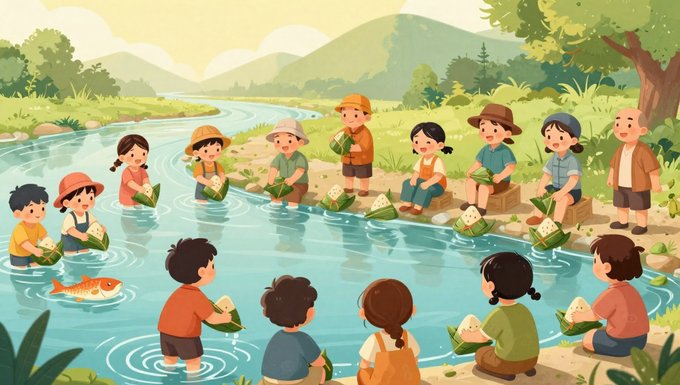
场景七/Chǎngjǐng qī/Escena 7/Scene 7
‘大家怕鱼 (Dañar/Harm) 他的身体,就用竹叶把 (Arroz/Rice) 包起来,做成 (Zongzi (pastelito de arroz)/Zongzi (rice dumpling) ) ,丢到江里 (Dar de comer a los peces/Feed the fish) 。’
‘Temían que los peces (伤害shānghài) su cuerpo, así que envolvieron (米mǐ) en hojas de bambú, hicieron (粽子zòngzi) y los echaron al río para (喂鱼wèiyú) ’.
‘They were afraid the fish would (伤害shānghài) his body, so they wrapped (米mǐ) in bamboo leaves to make (粽子zòngzi) and threw them into the river to (喂鱼wèiyú) .’
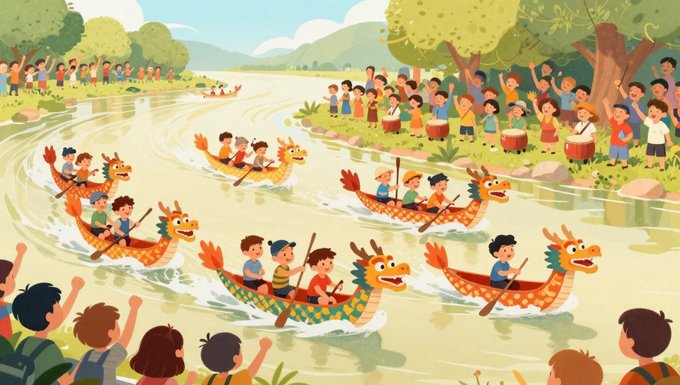
场景八/Chǎngjǐng bā/Escena 8/Scene 8
‘为了 (Recordar,conmemorar/Commemorate) (Qu Yuan/Qu Yuan) ,人们每年这一天都要 (Carrera de barcos dragón/Dragon boat race) 、吃 (Zongzi (pastelito de arroz)/Zongzi (rice dumpling) ) 。’
‘Para (纪念jìniàn) a (屈原Qū Yuán) , cada año ese día la gente hace (赛龙舟sài lóngzhōu) y come (粽子zòngzi) ’.
‘To (纪念jìniàn) (屈原Qū Yuán) , every year on that day people hold (赛龙舟sài lóngzhōu) and eat (粽子zòngzi) .’
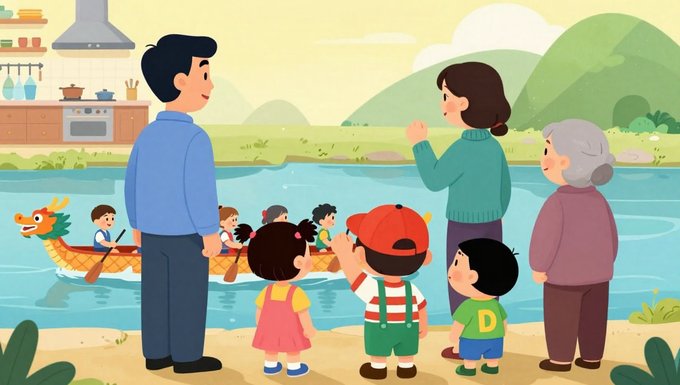
场景九/Chǎngjǐng jiǔ/Escena 9/Scene 9
下午,全家去河边看 (Carrera de barcos dragón/Dragon boat race) 。 (Baobao) 说:‘我们要学习 (Qu Yuan/Qu Yuan) 的 (Patriota/Patriotic) (Espíritu/Spirit) !’
Por la tarde, toda la familia fue al río a ver la (赛龙舟sài lóngzhōu) . (宝宝Bǎobǎo) dijo: ‘¡Tenemos que aprender del (精神jīngshén) (爱国àiguó) de (屈原Qū Yuán) !’.
In the afternoon, the whole family went to the river to watch the (赛龙舟sài lóngzhōu) . (宝宝Bǎobǎo) said, ‘We should learn from (屈原Qū Yuán) 's (爱国àiguó) (精神jīngshén) !’
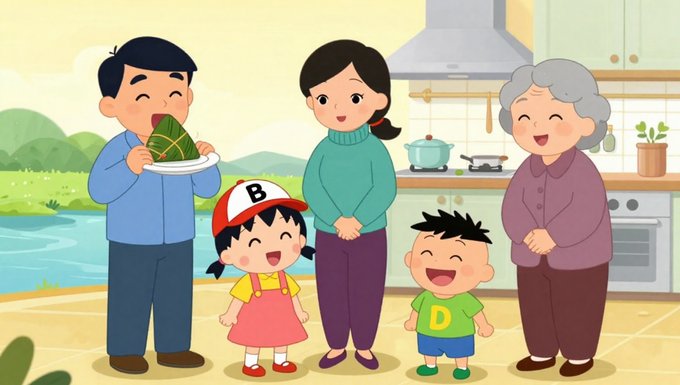
场景十/Chǎngjǐng shí/Escena 10/Scene 10
(Dudú) 吃着 (Zongzi (pastelito de arroz)/Zongzi (rice dumpling) ) 说:‘ (Zongzi (pastelito de arroz)/Zongzi (rice dumpling) ) 真好吃,我才不给鱼吃呢!’大家都笑了。
(嘟嘟Dūdū) , comiendo un (粽子zòngzi) , dijo: ‘¡Los (粽子zòngzi) están tan ricos que no pienso dárselos a los peces!’. Todos se rieron.
Eating a (粽子zòngzi) , (嘟嘟Dūdū) said, ‘ (粽子zòngzi) are so tasty, I'm not giving any to the fish!’ Everyone laughed.
@ Zhongwen 资料 (SWF, PDF, MP3 等) 的版权归属于:中国华文教育网 - Overseas Chinese Language and Culture Education Online。
@ Los materiales Zhongwen (SWF, PDF, MP3, etc.) son propiedad de: 中国华文教育网 - Overseas Chinese Language and Culture Education Online.
@ The materials Zhongwen (SWF, PDF, MP3, etc.) are the property of: 中国华文教育网 - Overseas Chinese Language and Culture Education Online.

主题/Zhǔtí/Tema/Theme

其他/Qítā/Otros/Others.

阅读/Yuèdú/Lectura/Reading.

PDF与视频/PDF,videos Y Quiz/PDF, Videos and Quiz

额外内容/Contenido adicional/Additional Content
