
PRIMARIA_C1_N2_27_T19
** 27_T19_棉花姑娘/Miánhua gūniang/La señorita Algodón/Miss Cotton **
** 额外内容/Contenido adicional/Additional Content **
** 扩大和替换/Kuòdà hé tìhuàn/Ampliar y sustituir/Expand and substitute. **
帮/ayudar/help
帮我捉害虫/ayudarme a cazar insectos dañinos/help me catch pests
请你帮我捉害虫吧!/¡Por favor, ayúdame a cazar los insectos dañinos!/Please help me catch the pests!
碧绿/verde intenso/emerald green
碧绿碧绿的叶子/hojas de un verde intensísimo/brilliant green leaves
长出了碧绿碧绿的叶子,吐出了雪白雪白的棉花。/Le salen hojas de un verde intensísimo y brota un algodón blanquísimo./She grows brilliant green leaves and puts out snow-white cotton.
--------------------------------------------------------------------------------
我们身上有七个斑点,就像七颗星星,大家叫我们七星瓢虫。/Tenemos siete puntos en el cuerpo, como siete estrellas, y todos nos llaman mariquitas de siete puntos./We have seven spots on our bodies, like seven stars, and everyone calls us seven-spot ladybirds.
--------------------------------------------------------------------------------
燕子/golondrina/swallow
· 捉空中的害虫/caza los insectos del aire./catches pests in the air.
啄木鸟/pájaro carpintero/woodpecker
· 捉树干里的害虫/caza los insectos de los troncos./catches pests in tree trunks.
青蛙/rana/frog
· 捉田里的害虫/caza los insectos del campo./catches pests in the fields.
七星瓢虫/mariquita de siete puntos/seven-spot ladybird
· 捉棉花叶子上的害虫/caza los insectos de las hojas del algodón./catches pests on cotton leaves.
** 想一想, 说一说/Xiǎng yi xiǎng, shuō yi shuō/Piensa y responde/Think and answer the following questions **
--------------------------------------------------------------------------------
棉花姑娘请谁帮她捉害虫?他们为什么不能帮她?/¿A quién le pide ayuda la señorita Algodón? ¿Por qué no pueden ayudarla?/Whom does Miss Cotton ask for help? Why can't they help her?
最后是谁治好了棉花姑娘的病?/¿Quién cura por fin a la señorita Algodón?/Who finally cures Miss Cotton?
** 家庭/Jiātíng/FAMILIA/FAMILY **
--------------------------------------------------------------------------------
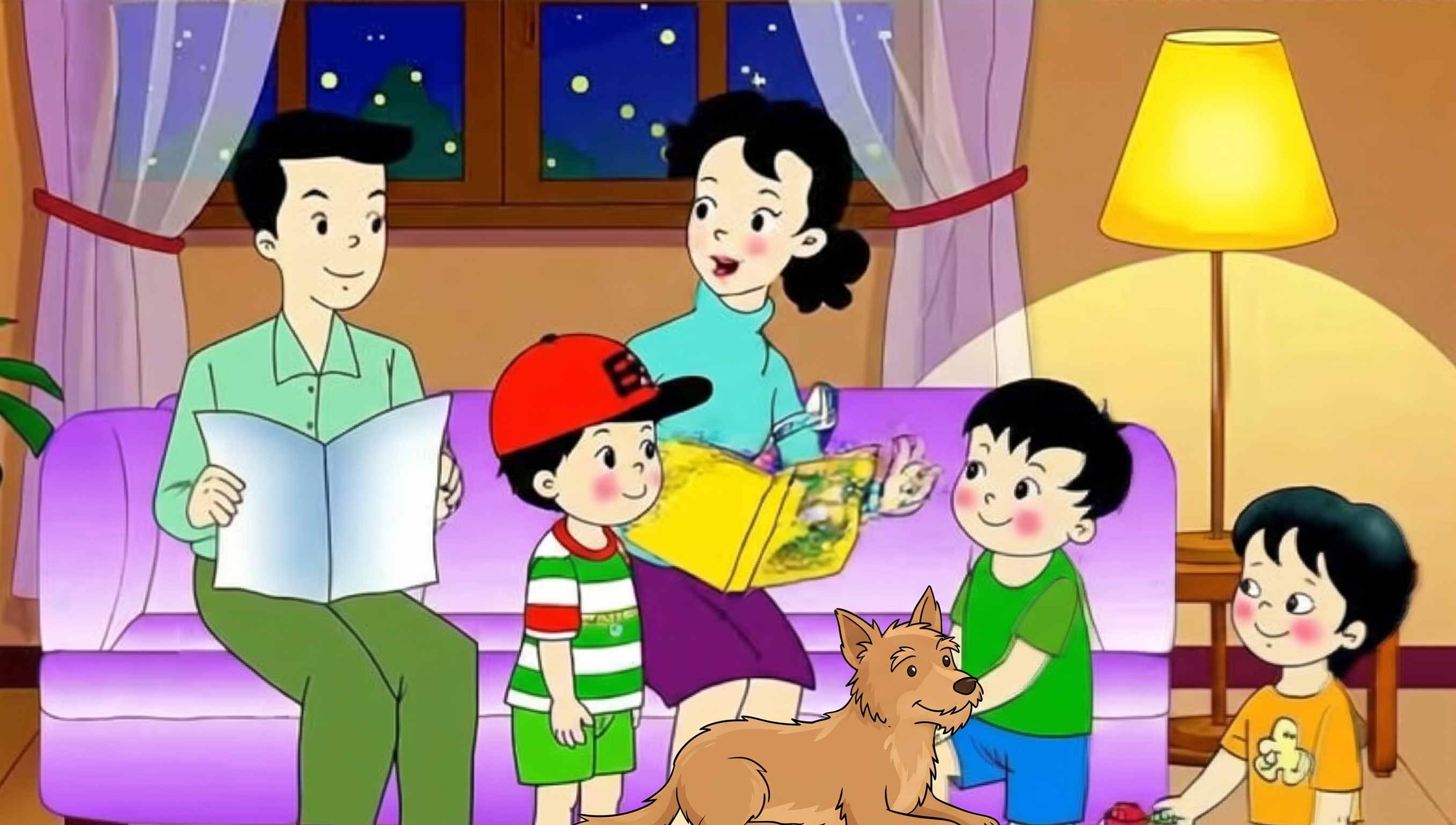
宝宝一家/La familia de Baobao/Baobao's family
爸爸/Papá, padre/Dad, father
妈妈/Mamá, madre/Mum, mother
宝宝/Baobao/Baobao
婷婷/Tíngting/Tíngting
嘟嘟/Dudú/Dudú
洛基/Rocky/Rocky
** 对话/Duìhuà/Diálogo/Dialogue **
--------------------------------------------------------------------------------
婷婷妈妈,你看,月季花的叶子上有好多小虫子!/Tíngting: ¡Mamá, mira cuántos bichitos hay en las hojas del rosal!/Tíngting: Mum, look how many little bugs there are on the rose leaves!
妈妈那是蚜虫,它们是害虫。/Mamá: Son pulgones; son insectos dañinos./Mum: Those are aphids; they're pests.
嘟嘟我们请燕子来帮忙吧!/Dudú: ¡Pidámosle ayuda a la golondrina!/Dudú: Let's ask the swallow to help!
宝宝燕子只会捉空中飞的害虫。/Baobao: La golondrina solo sabe cazar los insectos que vuelan./Baobao: Swallows can only catch pests that fly in the air.
婷婷那请啄木鸟呢?/Tíngting: ¿Y si se lo pedimos al pájaro carpintero?/Tíngting: What about the woodpecker?
宝宝啄木鸟只会捉树干里的害虫。/Baobao: El pájaro carpintero solo sabe cazar los insectos de los troncos./Baobao: Woodpeckers can only catch pests inside tree trunks.
爸爸你们看,谁来了?/Papá: Mirad, ¿quién viene por ahí?/Dad: Look, who's this coming?
婷婷是七星瓢虫!它们身上有七个斑点,就像七颗星星。/Tíngting: ¡Son mariquitas de siete puntos! Tienen siete puntos en el cuerpo, como siete estrellas./Tíngting: It's seven-spot ladybirds! They have seven spots on their bodies, like seven stars.
嘟嘟它们很快就把蚜虫吃光了!/Dudú: ¡Se han comido todos los pulgones en un momento!/Dudú: They've eaten up all the aphids in no time!
洛基汪汪!/Rocky: ¡Guau!/Rocky: Woof!
妈妈七星瓢虫是花儿的好医生!/Mamá: ¡Las mariquitas son las mejores médicas de las flores!/Mum: Ladybirds are the flowers' good doctors!
▶ 📝 评论 / Comentarios / Comments
棉花姑娘:谁能治好棉花的病:
1. AABB式叠词: 碧绿碧绿 (bìlǜ bìlǜ) 、雪白雪白 (xuěbái xuěbái) 比“碧绿”“雪白”程度更深,读起来更生动。课后“读一读,照样子说一说”可以让学生说出“碧绿碧绿的小草”“雪白雪白的云朵”等。
2. 反复的对话: 燕子、啄木鸟、青蛙的回答都是“对不起,我只会捉……的害虫,你还是请别人帮忙吧!”句式相同,只换地点。分角色朗读时,要读出棉花姑娘越来越着急、最后惊奇高兴的语气。
3. 科学知识: 不同的动物捉不同地方的害虫:燕子捉 空中 (kōngzhōng) 的,啄木鸟捉 树干里 (shùgàn lǐ) 的,青蛙捉 田里 (tián lǐ) 的,七星瓢虫 (qīxīng piáochóng) 吃蚜虫。可以引导学生认识益虫,懂得爱护它们。
Comentario Pedagógico: La señorita Algodón: ¿quién puede curar al algodón?:
1. Duplicación AABB: 碧绿碧绿 (bìlǜ bìlǜ) y 雪白雪白 (xuěbái xuěbái) intensifican el significado de 碧绿 y 雪白 y dan más viveza a la frase. Con el ejercicio “读一读,照样子说一说”, los alumnos pueden decir 碧绿碧绿的小草, 雪白雪白的云朵, etc.
2. Diálogos que se repiten: La golondrina, el pájaro carpintero y la rana responden igual: «Lo siento, yo solo sé cazar los insectos de…; mejor pide ayuda a otro»; solo cambia el lugar. Al leer por personajes, hay que transmitir la creciente preocupación de la señorita Algodón y, al final, su sorpresa y alegría.
3. Conocimiento del medio: Cada animal caza insectos en un sitio distinto: la golondrina en el 空中 (kōngzhōng) (aire), el pájaro carpintero 树干里 (shùgàn lǐ) (en los troncos), la rana 田里 (tián lǐ) (en el campo), y la 七星瓢虫 (qīxīng piáochóng) (mariquita) se come los pulgones. Es una buena ocasión para hablar de los insectos beneficiosos y de cuidarlos.
Pedagogical Commentary: Miss Cotton: who can cure the cotton plant?:
1. AABB reduplication: 碧绿碧绿 (bìlǜ bìlǜ) and 雪白雪白 (xuěbái xuěbái) are stronger than 碧绿 and 雪白 and make the sentence livelier. With “读一读,照样子说一说”, students can say 碧绿碧绿的小草, 雪白雪白的云朵 and so on.
2. Repeated dialogues: The swallow, woodpecker and frog all answer the same way: “Sorry, I can only catch pests in…; you'd better ask someone else for help!”, changing only the place. When reading in parts, students should convey Miss Cotton's growing worry and, at the end, her surprise and joy.
3. Nature knowledge: Each creature catches pests in a different place: the swallow in the 空中 (kōngzhōng) (air), the woodpecker 树干里 (shùgàn lǐ) (in tree trunks), the frog 田里 (tián lǐ) (in the fields), and the 七星瓢虫 (qīxīng piáochóng) (ladybird) eats aphids. A good chance to talk about helpful insects and caring for them.

主题/Zhǔtí/Tema/Theme

其他/Qítā/Otros/Others.

词汇 Cíhuì/Vocabulario/Vocabulary

PDF与视频/PDF,videos Y Quiz/PDF, Videos and Quiz
