
PRIMARIA_C1_N2_20_T12
** 20_T12_古诗二首/Gǔshī èr shǒu/Dos poemas clásicos/Two Classical Poems **
** 额外内容/Contenido adicional/Additional Content **
** 扩大和替换/Kuòdà hé tìhuàn/Ampliar y sustituir/Expand and substitute. **
荷/loto/lotus
小荷/loto joven/young lotus
小荷才露尖尖角/apenas asoma la punta del loto/the young lotus has just shown its tip
小荷才露尖尖角,早有蜻蜓立上头。/Apenas asoma la punta del brote de loto, y ya hay una libélula posada encima./The young lotus has only just shown its pointed tip, and already a dragonfly is standing on top.
采/coger/pick
采白莲/coger lotos blancos/pick white lotuses
小娃撑小艇,偷采白莲回。/Un niño empuja una barquita y vuelve tras coger a escondidas lotos blancos./A little boy punts a little boat, coming back from secretly picking white lotuses.
--------------------------------------------------------------------------------
不解藏踪迹,浮萍一道开。/No sabe ocultar su rastro: entre las lentejas de agua queda abierto un surco./He doesn't know how to hide his tracks: a trail opens up through the duckweed.
--------------------------------------------------------------------------------
泉/manantial/spring
· 泉水/agua de manantial./spring water.
· 清泉/manantial cristalino./clear spring.
流/fluir/flow
· 流水/agua corriente./running water.
· 水流/corriente./current.
荷/loto/lotus
· 荷花/flor de loto./lotus flower.
· 荷叶/hoja de loto./lotus leaf.
迹/huella/mark
· 踪迹/rastro./trace.
· 足迹/huellas./footprints.
** 想一想, 说一说/Xiǎng yi xiǎng, shuō yi shuō/Piensa y responde/Think and answer the following questions **
--------------------------------------------------------------------------------
《池上》里的小娃为什么藏不住踪迹?/En «En el estanque», ¿por qué el niño no consigue ocultar su rastro?/In “On the Pond”, why can't the little boy hide his tracks?
《小池》里写了哪些景物?/¿Qué elementos del paisaje aparecen en «El estanque pequeño»?/What scenery is described in “The Little Pond”?
** 家庭/Jiātíng/FAMILIA/FAMILY **
--------------------------------------------------------------------------------
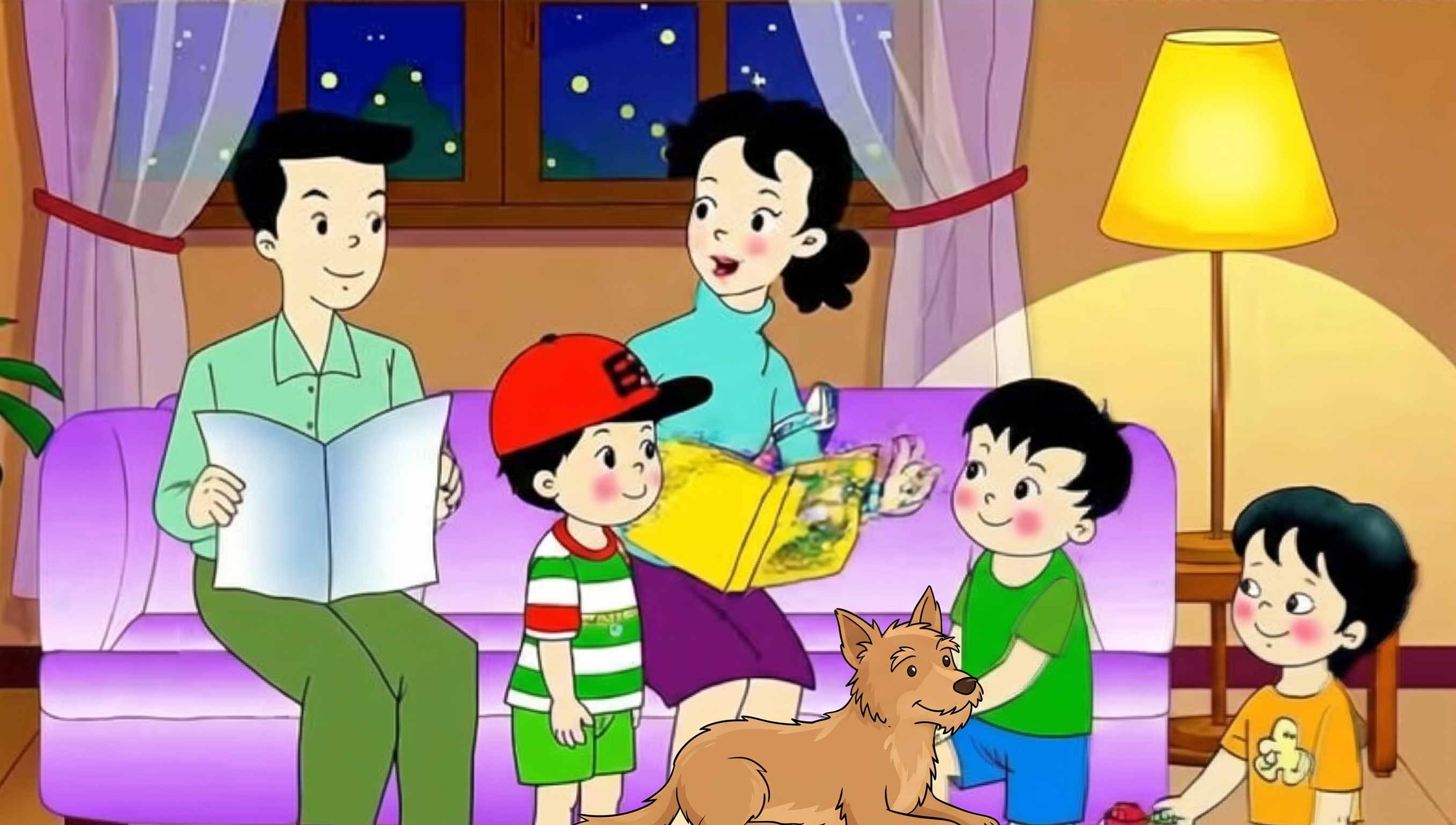
宝宝一家/La familia de Baobao/Baobao's family
爸爸/Papá, padre/Dad, father
妈妈/Mamá, madre/Mum, mother
宝宝/Baobao/Baobao
婷婷/Tíngting/Tíngting
嘟嘟/Dudú/Dudú
洛基/Rocky/Rocky
** 对话/Duìhuà/Diálogo/Dialogue **
--------------------------------------------------------------------------------
婷婷妈妈,你看,池塘里开了好多荷花!/Tíngting: ¡Mamá, mira cuántas flores de loto hay en el estanque!/Tíngting: Mum, look how many lotus flowers are out in the pond!
妈妈是啊,夏天到了。还有很多小荷才露出尖尖角呢。/Mamá: Sí, ha llegado el verano. Y hay muchos brotes de loto que apenas asoman la punta./Mum: Yes, summer is here. And lots of young lotuses are only just showing their tips.
宝宝小荷才露尖尖角,早有蜻蜓立上头。真的有一只蜻蜓!/Baobao: «Apenas asoma la punta del loto, y ya hay una libélula encima». ¡De verdad hay una libélula!/Baobao: “The young lotus has just shown its tip, and already a dragonfly stands on top.” There really is a dragonfly!
嘟嘟那边有一个小朋友在撑小船。/Dudú: Allí hay un niño empujando una barquita con la pértiga./Dudú: Over there a child is punting a little boat.
爸爸他的小船经过的地方,浮萍一道开,就像《池上》写的一样。/Papá: Por donde pasa su barca se abre un surco entre las lentejas de agua, como en «En el estanque»./Dad: Wherever his boat goes, a trail opens through the duckweed, just like in “On the Pond”.
婷婷不解藏踪迹,浮萍一道开。他藏不住啦!/Tíngting: «No sabe ocultar su rastro: entre las lentejas de agua queda un surco». ¡No puede esconderse!/Tíngting: “He doesn't know how to hide his tracks: a trail opens through the duckweed.” He can't hide!
嘟嘟我也想去采莲花!/Dudú: ¡Yo también quiero coger flores de loto!/Dudú: I want to pick lotus flowers too!
妈妈荷花要留给大家看,我们只看不采。/Mamá: Las flores de loto son para que las vea todo el mundo: miramos, pero no cogemos./Mum: The lotus flowers are for everyone to enjoy: we look, but we don't pick.
洛基汪汪!/Rocky: ¡Guau!/Rocky: Woof!
宝宝洛基也在背古诗呢!/Baobao: ¡Rocky también está recitando poemas!/Baobao: Rocky's reciting poems too!
▶ 📝 评论 / Comentarios / Comments
古诗二首:夏日池塘的两幅画:
1. 两首古诗: 唐代 白居易 (Bái Jūyì) 的《池上》写一个小娃偷偷采白莲,却不知道藏起小船划过的痕迹;宋代 杨万里 (Yáng Wànlǐ) 的《小池》写初夏小池的景色。两首诗都写夏天的池塘,可以对比着读。
2. 生动的画面: 浮萍一道开 (fúpíng yí dào kāi) 写出了小娃的天真可爱;小荷才露尖尖角 (xiǎo hé cái lù jiānjiān jiǎo) ,早有蜻蜓立上头 (zǎo yǒu qīngtíng lì shàngtou) 一静一动,像一幅画。可以让学生边读边想象画面,再背诵。
3. 一字组两词: “读一读,记一记”中,泉水—清泉、流水—水流、荷花—荷叶、踪迹—足迹,帮助学生积累词语。可以让学生注意:“流水”和“水流”两个字一样,顺序不同,意思也不同。
Comentario Pedagógico: Dos poemas clásicos: dos estampas de un estanque en verano:
1. Dos poemas: En «En el estanque» (池上), el poeta Tang 白居易 (Bái Jūyì) retrata a un niño que coge lotos blancos a escondidas sin saber ocultar el rastro de su barca; en «El estanque pequeño» (小池), el poeta Song 杨万里 (Yáng Wànlǐ) describe un estanque a principios del verano. Los dos hablan del estanque en verano y se pueden leer comparándolos.
2. Imágenes vivas: 浮萍一道开 (fúpíng yí dào kāi) muestra la inocencia del niño; 小荷才露尖尖角 (xiǎo hé cái lù jiānjiān jiǎo) y 早有蜻蜓立上头 (zǎo yǒu qīngtíng lì shàngtou) combinan quietud y movimiento como en un cuadro. Los alumnos pueden imaginar la escena mientras leen y después memorizar los poemas.
3. Un carácter, dos palabras: En “读一读,记一记” aparecen 泉水—清泉, 流水—水流, 荷花—荷叶 y 踪迹—足迹. Conviene fijarse en que 流水 (agua corriente) y 水流 (corriente) tienen los mismos caracteres en distinto orden y significan cosas distintas.
Pedagogical Commentary: Two Classical Poems: two pictures of a summer pond:
1. Two poems: In “On the Pond” (池上), the Tang poet 白居易 (Bái Jūyì) portrays a child secretly picking white lotuses without knowing how to hide his boat's trail; in “The Little Pond” (小池), the Song poet 杨万里 (Yáng Wànlǐ) describes a small pond in early summer. Both are about a summer pond and can be read side by side.
2. Vivid images: 浮萍一道开 (fúpíng yí dào kāi) shows the child's innocence; 小荷才露尖尖角 (xiǎo hé cái lù jiānjiān jiǎo) and 早有蜻蜓立上头 (zǎo yǒu qīngtíng lì shàngtou) combine stillness and movement like a painting. Students can picture the scene as they read and then learn the poems by heart.
3. One character, two words: “读一读,记一记” gives 泉水—清泉, 流水—水流, 荷花—荷叶 and 踪迹—足迹. Point out that 流水 (running water) and 水流 (current) use the same characters in a different order and mean different things.

主题/Zhǔtí/Tema/Theme

其他/Qítā/Otros/Others.

词汇 Cíhuì/Vocabulario/Vocabulary

PDF与视频/PDF,videos Y Quiz/PDF, Videos and Quiz
