Saltar al contenido
Home » LECCION_ZHONGWEN

LECCION_ZHONGWEN


ZHONGWEN_L07_06


** 6_成语故事/Chéngyǔ gùshi/Historias de modismos (Chengyu)/Idiom Stories **


Abrir PDF

PDF: 中文/ESPAÑOL/English

--------------------------------------------------------------------------------

** 文本/Wénběn/Texto/Text **

--------------------------------------------------------------------------------

** 6_成语故事/Chéngyǔ gùshi/Historias de modismos (Chengyu)/Idiom Stories **

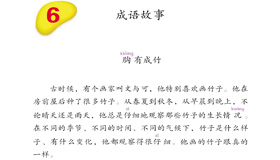
胸有成竹Xiōngyǒuchéngzhú/Tener el bambú en el pecho (Tener un plan preparado)/Have a well-thought-out plan
--------------------------------------------------------------------------------
古时候Gǔshíhou,有yǒu个ge画家huàjiā叫jiào文Wén与Yǔ可kě,他tā特别tèbié喜欢xǐhuan画huà竹子zhúzi。/En la antigüedad, había un pintor llamado Wen Yuke, a quien le gustaba mucho pintar bambúes./In ancient times, there was a painter named Wen Yuke, who especially liked to paint bamboo.
他Tā在zài房fáng前qián屋wū后hòu种zhòng了le很多hěnduō竹子zhúzi。/Plantó muchos bambúes delante y detrás de su casa./He planted a lot of bamboo in front of and behind his house.
从Cóng春夏chūnxià到dào秋冬qiūdōng,从cóng早晨zǎochén到dào晚上wǎnshang,不论búlùn晴天qíngtiān还是háishi雨天yǔtiān,他tā总是zǒngshì仔细zǐxì地de观察guānchá那些nàxiē竹子zhúzi的de生长shēngzhǎng情况qíngkuàng。/Desde la primavera y el verano hasta el otoño y el invierno, desde la mañana hasta la noche, sin importar si estaba soleado o lluvioso, él siempre observaba cuidadosamente el crecimiento de esos bambúes./From spring and summer to autumn and winter, from morning to night, whether it was sunny or rainy, he always carefully observed the growth conditions of those bamboos.
在Zài不同bùtóng的de季节jìjié、不同bùtóng的de时间shíjiān、不同bùtóng的de气候qìhòu下xià,竹子zhúzi是shì什么shénme样子yàngzi、有yǒu什么shénme变化biànhuà,他tā都dōu观察guānchá得de很hěn仔细zǐxì。/Observaba con gran detalle el aspecto y los cambios del bambú en diferentes estaciones, a diferentes horas y bajo distintos climas./He observed very carefully what the bamboo looked like and what changes it had in different seasons, different times, and different climates.
他Tā画huà的de竹子zhúzi跟gēn真zhēn的de一样yíyàng。/Los bambúes que él pintaba parecían reales./The bamboo he painted looked just like real ones.
那时候Nà shíhou,有yǒu个ge文学家wénxuéjiā非常fēicháng佩服pèifú文Wén与Yǔ可kě画huà竹子zhúzi的de才能cáinéng,并且bìngqiě写xiě了le一yì首shǒu诗shī称赞chēngzàn他tā。/En aquel tiempo, había un escritor que admiraba mucho el talento de Wen Yuke para pintar bambúes, y además escribió un poema para elogiarlo./At that time, there was a writer who very much admired Wen Yuke's talent for painting bamboo, and also wrote a poem to praise him.
诗Shī中zhōng有yǒu一yì句jù:“与可Yǔkě画huà竹zhú时shí,胸xiōng中zhōng有yǒu成chéng竹zhú。”/En el poema había un verso que decía: “Cuando Yuke pinta bambúes, en su pecho ya tiene los bambúes formados”./There was a line in the poem: “When Yuke paints bamboo, there is fully formed bamboo in his chest.”
意思Yìsi是shì说shuō,文Wén与Yǔ可kě画huà竹子zhúzi的de时候shíhou,胸xiōng中zhōng已经yǐjīng有yǒu了le完整wánzhěng的de竹子zhúzi形象xíngxiàng。/El significado es que cuando Wen Yuke pintaba bambúes, en su mente ya tenía la imagen completa del bambú./The meaning is that when Wen Yuke painted bamboo, he already had a complete image of the bamboo in his mind.
后来Hòulái,人们rénmen把bǎ做zuò一yí件jiàn事情shìqing心xīn中zhōng早zǎo已yǐ有yǒu了le主意zhǔyi,或者huòzhě有yǒu了le把握bǎwò,比作bǐzuò “胸有成竹xiōngyǒuchéngzhú”。/Más tarde, la gente comparó el hecho de tener ya una idea o tener seguridad antes de hacer algo con “tener el bambú en el pecho”./Later, people compared having an idea in mind early on, or having confidence when doing something, to “having fully formed bamboo in the chest”.
可是Kěshì,有yǒu个ge外国wàiguó朋友péngyou把bǎ “胸有成竹xiōngyǒuchéngzhú”翻译fānyì成chéng “肚子dùzi里li有yǒu一yì根gēn竹子zhúzi”,令人lìng rén啼笑皆非tíxiàojiēfēi。/Sin embargo, un amigo extranjero tradujo “胸有成竹” como “tener un palo de bambú en la barriga”, lo cual hizo que uno no supiera si reír o llorar./However, a foreign friend translated “胸有成竹” as “having a bamboo stick in the belly”, which was both funny and annoying.
--------------------------------------------------------------------------------
掩耳盗铃Yǎn'ěrdàolíng/Taparse los oídos para robar una campana (Engañarse a sí mismo)/Covering one's ears to steal a bell (Self-deception)
从前Cóngqián,有yǒu一个yíge人rén看见kànjiàn人家rénjiā的de大门dàmén上shàng挂guà着zhe一个yíge铃líng,很hěn想xiǎng去qù偷tōu它tā。/Érase una vez, un hombre vio que en la puerta principal de alguien colgaba una campana, y tuvo muchas ganas de robarla./Once upon a time, a man saw a bell hanging on someone's gate and really wanted to steal it.
怎样Zěnyàng才能cáinéng把bǎ铃líng偷tōu到手dàoshǒu呢ne?/¿Cómo podría robar la campana y conseguirla?/How could he get his hands on the bell and steal it?
他Tā想xiǎng:“手Shǒu一yì碰到pèngdào铃líng,它tā就jiù会huì响xiǎng,那nà我wǒ就jiù会huì被bèi人rén发现fāxiàn。/Pensó: “En cuanto mi mano toque la campana, sonará, y entonces me descubrirán./He thought: “As soon as my hand touches the bell, it will ring, and then I will be discovered.
如果Rúguǒ把bǎ耳朵ěrduo捂wǔ起来qǐlái,那nà就jiù听tīng不bú见jiàn了le。”/Si me tapo los oídos, entonces ya no la escucharé”./If I cover my ears up, then I won't be able to hear it.”
于是Yúshì,他tā就jiù把bǎ自己zìjǐ的de耳朵ěrduo捂wǔ起来qǐlái,去qù偷tōu那个nàge铃líng。/Así que se tapó los oídos y fue a robar la campana./So, he covered his own ears and went to steal that bell.
结果Jiéguǒ,他tā刚gāng伸手shēnshǒu碰到pèngdào那个nàge铃líng,铃líng就jiù响xiǎng了le起来qǐlái。他Tā很hěn快kuài就jiù被bèi抓zhuā住zhù了le。/Como resultado, apenas extendió la mano y tocó la campana, esta empezó a sonar. Fue atrapado muy rápidamente./As a result, as soon as he reached out and touched that bell, the bell started to ring. He was quickly caught.
这个Zhège成语chéngyǔ的de意思yìsi是shì:愚蠢yúchǔn的de人rén自己zìjǐ欺骗qīpiàn自己zìjǐ。/El significado de este modismo es: una persona tonta que se engaña a sí misma./The meaning of this idiom is: a foolish person deceiving themselves.
--------------------------------------------------------------------------------

** 汉字/Hànzì/Caracteres (chinos)/Characters **

--------------------------------------------------------------------------------
1) 胸xiōng/pecho/chest/HSK 4
• 心胸xīnxiōng/mentalidad/mind, heart/HSK 6
• 胸口xiōngkǒu/pecho (zona)/chest area/Fuera de HSK
• 胸有成竹xiōngyǒuchéngzhú/tener un plan claro/have a well-thought-out plan/Fuera de HSK
• 他tā做事zuòshì胸有成竹xiōngyǒuchéngzhú。/Él actúa con un plan claro en mente./He acts with a well-thought-out plan.
--------------------------------------------------------------------------------
2) 仔zǐ/cría, cuidadoso/young animal, careful/HSK 4
• 仔细zǐxì/cuidadoso/careful, meticulous/HSK 3
• 请qǐng仔细zǐxì检查jiǎnchá一下yíxià。/Por favor revísalo con cuidado./Please check it carefully.
--------------------------------------------------------------------------------
3) 况kuàng/situación/situation/HSK 3
• 情况qíngkuàng/situación/situation/HSK 3
• 近况jìnkuàng/situación reciente/recent situation/HSK 6
• 状况zhuàngkuàng/estado/condition, state/HSK 5
• 请qǐng告诉gàosu我wǒ最新zuìxīn的de情况qíngkuàng。/Por favor cuéntame la última situación./Please tell me the latest situation.
--------------------------------------------------------------------------------
4) 佩pèi/admirar, llevar puesto/admire, wear/HSK 5
• 佩服pèifú/admirar/admire/HSK 5
• 敬佩jìngpèi/admirar y respetar/admire and respect/HSK 6
• 我wǒ很hěn佩服pèifú他tā的de勇气yǒngqì。/Admiro mucho su valentía./I admire his courage a lot.
--------------------------------------------------------------------------------
5) 并bìng/y, además/and, moreover/HSK 3
• 并且bìngqiě/y además/and, moreover/HSK 3
• 并排bìngpái/en fila, uno al lado del otro/side by side/HSK 5
• 并列bìngliè/estar al mismo nivel/be juxtaposed, tie/HSK 6
• 这zhè个方法gè fāngfǎ简单jiǎndān并且bìngqiě有效yǒuxiào。/Este método es simple y además eficaz./This method is simple and moreover effective.
--------------------------------------------------------------------------------
6) 句jù/frase/sentence/HSK 2
• 句子jùzi/frase/sentence/HSK 2
• 造句zàojù/construir una frase/make a sentence/HSK 3
• 句号jùhào/punto (puntuación)/period, full stop/HSK 4
• 请qǐng用yòng这个zhège词cí造句zàojù。/Por favor construye una frase con esta palabra./Please make a sentence with this word.
--------------------------------------------------------------------------------
7) 形xíng/forma/shape/HSK 3
• 形象xíngxiàng/imagen/image/HSK 4
• 形状xíngzhuàng/forma/shape/HSK 3
• 方形fāngxíng/forma cuadrada/square shape/HSK 4
• 这zhè个盒子gè hézi的de形状xíngzhuàng是shì方形fāngxíng的de。/La forma de esta caja es cuadrada./The shape of this box is square.
--------------------------------------------------------------------------------
8) 或huò/o/or/HSK 2
• 或者huòzhě/o/or/HSK 3
• 或许huòxǔ/quizás/perhaps/HSK 5
• 或多或少huòduōhuòshǎo/más o menos/more or less/HSK 5
• 你nǐ可以kěyǐ选择xuǎnzé茶chá或者huòzhě咖啡kāfēi。/Puedes elegir té o café./You can choose tea or coffee.
--------------------------------------------------------------------------------
9) 掩yǎn/cubrir, ocultar/cover, conceal/HSK 5
• 掩护yǎnhù/proteger, cubrir/cover, shield/HSK 6
• 遮掩zhēyǎn/ocultar/conceal, cover up/HSK 6
• 掩耳盗铃yǎn'ěrdàolíng/engañarse a sí mismo/deceive oneself/Fuera de HSK
• 这zhè种zhǒng行为xíngwéi就jiù像xiàng掩耳盗铃yǎn'ěrdàolíng。/Este comportamiento es como taparse los oídos para robar una campana (engañarse a sí mismo)./This behavior is like covering one's ears to steal a bell (self-deception).
--------------------------------------------------------------------------------
10) 盗dào/robar/steal/HSK 5
• 强盗qiángdào/ladrón, bandido/robber, bandit/HSK 6
• 海盗hǎidào/pirata/pirate/HSK 5
• 偷盗tōudào/hurtar/steal, pilfer/HSK 6
• 警察jǐngchá抓住zhuāzhù了le那个nàge强盗qiángdào。/La policía atrapó a ese ladrón./The police caught that robber.
--------------------------------------------------------------------------------
11) 铃líng/campana, timbre/bell/HSK 4
• 电铃diànlíng/timbre eléctrico/electric bell/Fuera de HSK
• 门铃ménlíng/timbre de la puerta/doorbell/HSK 4
• 铃声língshēng/sonido de campana/ringtone, bell sound/HSK 4
• 门铃ménlíng响了xiǎngle,有人yǒurén来lái了le。/Sonó el timbre, alguien ha venido./The doorbell rang, someone has come.
--------------------------------------------------------------------------------
12) 偷tōu/robar, a escondidas/steal, secretly/HSK 4
• 偷听tōutīng/escuchar a escondidas/eavesdrop/HSK 5
• 偷看tōukàn/mirar a hurtadillas/peek, sneak a look/HSK 4
• 小偷xiǎotōu/ladrón/thief/HSK 4
• 小偷xiǎotōu被bèi警察jǐngchá抓住zhuāzhù了le。/El ladrón fue atrapado por la policía./The thief was caught by the police.
--------------------------------------------------------------------------------
13) 捂wǔ/tapar/cover, muffle/HSK 5
• 捂着wǔzhe/tapando/covering/Fuera de HSK
• 捂住wǔzhù/tapar firmemente/cover tightly/Fuera de HSK
• 他tā捂住wǔzhù耳朵ěrduo,不bù想xiǎng听tīng。/Él se tapa los oídos, no quiere escuchar./He covers his ears, not wanting to listen.
--------------------------------------------------------------------------------
14) 愚yú/tonto/foolish/HSK 5
• 愚蠢yúchǔn/estúpido/stupid, foolish/HSK 5
• 愚笨yúbèn/torpe/clumsy, stupid/Fuera de HSK
• 愚人节Yúrénjié/Día de los Inocentes/April Fools' Day/Fuera de HSK
• 这zhè是shì一个yíge很hěn愚蠢yúchǔn的de决定juédìng。/Esta es una decisión muy tonta./This is a very foolish decision.
--------------------------------------------------------------------------------
15) 蠢chǔn/estúpido/stupid/HSK 5
• 愚蠢yúchǔn/estúpido/stupid, foolish/HSK 5
• 蠢事chǔnshì/tontería/foolish thing/Fuera de HSK
• 蠢话chǔnhuà/tontería (palabras)/stupid words/Fuera de HSK
• 别bié说shuō蠢话chǔnhuà了le。/No digas tonterías./Stop saying stupid things.
--------------------------------------------------------------------------------

** 词语和短语/Cíyǔ hé duǎnyǔ/Palabras y frases/Words and phrases **

--------------------------------------------------------------------------------

** 词语/Cíyǔ/Palabras y expresiones/Words and expressions **

胸有成竹Xiōngyǒuchéngzhú/tener un plan preconcebido, estar seguro del éxito/have a well-thought-out plan, be confident of success
竹子Zhúzi/bambú/bamboo
仔细Zǐxì/cuidadoso, con atención/careful, meticulously
那些Nàxiē/esos, aquellos/those
生长Shēngzhǎng/crecer, crecimiento/grow, growth
情况Qíngkuàng/situación, estado/situation, condition
气候Qìhòu/clima/climate
文学家Wénxuéjiā/literato, escritor/writer, man of letters
佩服Pèifú/admirar/admire
并且Bìngqiě/y, además/and, moreover
句Jù/clasificador para frases, oraciones/classifier for sentences
形象Xíngxiàng/imagen/image
或者Huòzhě/o/or
掩耳盗铃Yǎn'ěrdàolíng/engañarse a sí mismo/deceive oneself, bury one's head in the sand
偷Tōu/robar/steal
捂Wǔ/tapar, cubrir/cover
愚蠢Yúchǔn/estúpido, tonto/foolish, stupid
欺骗Qīpiàn/engañar/deceive, cheat
--------------------------------------------------------------------------------

** 句子/Jùzi/Oración/Sentence **

他Tā画huà的de竹子zhúzi跟gēn真zhēn的de一样yíyàng。/Los bambúes que pinta son iguales a los reales./The bamboo he paints looks exactly like real ones.
如果Rúguǒ把bǎ耳朵ěrduo捂wǔ起来qǐlái,那nà就jiù听tīng不bú见jiàn了le。/Si me tapo los oídos, entonces no podré escuchar./If I cover my ears, then I won't be able to hear.


@ Zhongwen 资料 (SWF, PDF, MP3 等) 的版权归属于:中国华文教育网 - Overseas Chinese Language and Culture Education Online。

@ Los materiales Zhongwen (SWF, PDF, MP3, etc.) son propiedad de: 中国华文教育网 - Overseas Chinese Language and Culture Education Online.

@ The materials Zhongwen (SWF, PDF, MP3, etc.) are the property of: 中国华文教育网 - Overseas Chinese Language and Culture Education Online.



主题/Zhǔtí/Tema/Theme

其他/Qítā/Otros/Others.

阅读/Yuèdú/Lectura/Reading.

PDF与视频/PDF,videos Y Quiz/PDF, Videos and Quiz

额外内容/Contenido adicional/Additional Content

Loading

Páginas: 1 2 3 4 5


