
PRIMARIA_C1_N2_26_T18
** 26_T18_小猴子下山/Xiǎo hóuzi xià shān/El monito baja de la montaña/The Little Monkey Comes Down the Mountain **
** 额外内容/Contenido adicional/Additional Content **
** 扩大和替换/Kuòdà hé tìhuàn/Ampliar y sustituir/Expand and substitute. **
大/grande/big
又大又红/grandes y rojos/big and red
满树的桃子又大又红/el árbol está lleno de melocotones grandes y rojos/the peaches all over the tree are big and red
他看见满树的桃子又大又红,非常高兴。/Ve el árbol lleno de melocotones grandes y rojos y se pone muy contento./He sees the tree full of big red peaches and is very happy.
走/andar/walk
走着走着/mientras caminaba/as he walked along
走着走着,他看见一只小兔子蹦蹦跳跳的,真可爱。/Mientras camina, ve un conejito que va dando saltitos, ¡qué bonito!/As he walks along, he sees a little rabbit hopping about, so cute.
--------------------------------------------------------------------------------
小兔子跑进树林里,不见了。小猴子只好空着手回家去。/El conejito se mete en el bosque y desaparece. Al monito no le queda más remedio que volver a casa con las manos vacías./The little rabbit runs into the woods and disappears. The little monkey has no choice but to go home empty-handed.
--------------------------------------------------------------------------------
掰/arrancar/break off
· 玉米/maíz./corn.
扛/llevar al hombro/carry on the shoulder
· 玉米/maíz./corn.
扔/tirar/throw away
· 桃子/melocotón./peach.
摘/coger/pick
· 桃子/melocotón./peach.
捧/llevar con las dos manos/hold in both hands
· 桃子/melocotón./peach.
抱/llevar en brazos/carry in one's arms
· 西瓜/sandía./watermelon.
** 想一想, 说一说/Xiǎng yi xiǎng, shuō yi shuō/Piensa y responde/Think and answer the following questions **
--------------------------------------------------------------------------------
小猴子看到了什么,做了什么?/¿Qué vio el monito y qué hizo?/What did the little monkey see, and what did he do?
小猴子最后为什么只好空着手回家去?/¿Por qué al final el monito tuvo que volver a casa con las manos vacías?/Why did the little monkey end up going home empty-handed?
** 家庭/Jiātíng/FAMILIA/FAMILY **
--------------------------------------------------------------------------------
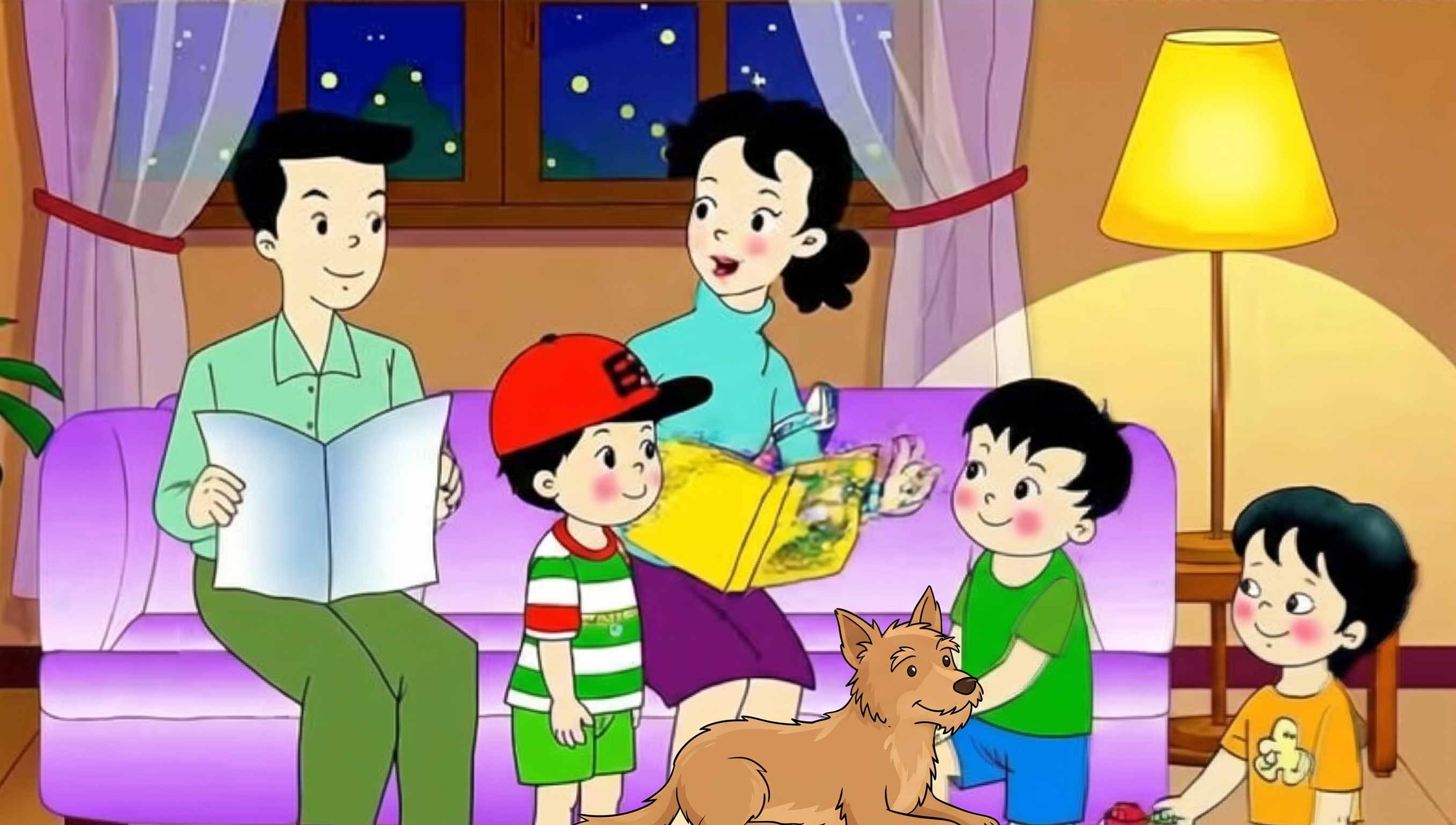
宝宝一家/La familia de Baobao/Baobao's family
爸爸/Papá, padre/Dad, father
妈妈/Mamá, madre/Mum, mother
宝宝/Baobao/Baobao
婷婷/Tíngting/Tíngting
嘟嘟/Dudú/Dudú
洛基/Rocky/Rocky
** 对话/Duìhuà/Diálogo/Dialogue **
--------------------------------------------------------------------------------
爸爸今天我们来果园摘水果!/Papá: ¡Hoy venimos al huerto a coger fruta!/Dad: Today we've come to the orchard to pick fruit!
嘟嘟哇,桃子又大又红!我要摘桃子!/Dudú: ¡Hala, qué melocotones tan grandes y rojos! ¡Voy a coger melocotones!/Dudú: Wow, the peaches are big and red! I want to pick peaches!
嘟嘟那边的西瓜又大又圆!我不要桃子了,我要摘西瓜!/Dudú: ¡Allí las sandías son grandes y redondas! ¡Ya no quiero melocotones, quiero coger una sandía!/Dudú: The watermelons over there are big and round! I don't want peaches any more, I want to pick a watermelon!
婷婷嘟嘟,你怎么像小猴子一样?/Tíngting: Dudú, ¿por qué haces como el monito?/Tíngting: Dudú, why are you acting like the little monkey?
嘟嘟小猴子怎么了?/Dudú: ¿Qué le pasó al monito?/Dudú: What happened to the little monkey?
宝宝小猴子看见什么都想要,扔了玉米摘桃子,扔了桃子摘西瓜,最后空着手回家了!/Baobao: El monito lo quería todo: tiró el maíz para coger melocotones, tiró los melocotones para coger una sandía… ¡y al final volvió a casa con las manos vacías!/Baobao: The little monkey wanted everything he saw: he threw away the corn to pick peaches, threw away the peaches to pick a watermelon, and in the end went home empty-handed!
妈妈做事情要一心一意,不能见一样爱一样。/Mamá: Las cosas hay que hacerlas con constancia, sin ir saltando de una a otra./Mum: You should do one thing at a time, not want everything you see.
嘟嘟我明白了!我先把桃子摘好,再去摘西瓜。/Dudú: ¡Ya lo entiendo! Primero termino de coger los melocotones y luego voy a por la sandía./Dudú: I see! First I'll finish picking the peaches, then I'll go and pick a watermelon.
洛基汪汪!/Rocky: ¡Guau!/Rocky: Woof!
婷婷洛基,别像小猴子那样去追小兔子!/Tíngting: ¡Rocky, no hagas como el monito y no persigas conejitos!/Tíngting: Rocky, don't be like the little monkey and chase little rabbits!
▶ 📝 评论 / Comentarios / Comments
小猴子下山:做事要一心一意:
1. 表示动作的字: 掰 (bāi) 、扛 (káng) 、扔 (rēng) 、摘 (zhāi) 、捧 (pěng) 、抱 (bào) 都和手的动作有关,大多是提手旁。课后“读读做做”可以让学生边读边做动作,再选几个词说一句话。
2. 句式与顺序: 课文用 又大又多 (yòu dà yòu duō) 、又大又红 (yòu dà yòu hóng) 、又大又圆 (yòu dà yòu yuán) 写出东西的特点;按照“玉米地—桃树下—瓜地—树林”的顺序,结构重复,便于学生复述故事。走着走着 (zǒuzhe zǒuzhe) 表示一边走一边发生了新的事。
3. 故事的道理: 小猴子看见什么都想要,见一样扔一样,最后 空着手 (kōngzhe shǒu) 回家。可以引导学生说一说:小猴子为什么什么都没得到?我们做事应该怎么样?
Comentario Pedagógico: El monito baja de la montaña: hacer las cosas con constancia:
1. Caracteres de acción: 掰 (bāi) (arrancar), 扛 (káng) (llevar al hombro), 扔 (rēng) (tirar), 摘 (zhāi) (coger), 捧 (pěng) (llevar con las dos manos) y 抱 (bào) (llevar en brazos) son acciones de la mano y casi todos llevan el componente 扌. Con “读读做做”, los alumnos pueden leer haciendo los gestos y luego formar frases con algunas de estas palabras.
2. Estructuras y orden: 又大又多 (yòu dà yòu duō) , 又大又红 (yòu dà yòu hóng) y 又大又圆 (yòu dà yòu yuán) describen las cualidades de cada cosa; la historia sigue el orden campo de maíz — melocotonero — campo de sandías — bosque, con una estructura repetida que facilita contarla de nuevo. 走着走着 (zǒuzhe zǒuzhe) indica que, mientras caminaba, ocurrió algo nuevo.
3. La moraleja: El monito lo quiere todo, tira una cosa por otra y acaba volviendo 空着手 (kōngzhe shǒu) (con las manos vacías). Se puede preguntar a los alumnos por qué el monito no consiguió nada y cómo deberíamos hacer nosotros las cosas.
Pedagogical Commentary: The Little Monkey Comes Down the Mountain: sticking at one thing:
1. Action characters: 掰 (bāi) (break off), 扛 (káng) (carry on the shoulder), 扔 (rēng) (throw away), 摘 (zhāi) (pick), 捧 (pěng) (hold in both hands) and 抱 (bào) (carry in one's arms) are all hand actions, and most have the 扌 component. With “读读做做”, students can read while miming the actions, then make sentences with some of the words.
2. Patterns and order: 又大又多 (yòu dà yòu duō) , 又大又红 (yòu dà yòu hóng) and 又大又圆 (yòu dà yòu yuán) describe each thing's qualities; the story follows the order cornfield — peach tree — melon patch — woods, with a repeated structure that makes it easy to retell. 走着走着 (zǒuzhe zǒuzhe) shows something new happening as he walks along.
3. The moral: The little monkey wants everything, drops one thing for the next and ends up going home 空着手 (kōngzhe shǒu) (empty-handed). Students can discuss why the monkey ended up with nothing and how we should go about doing things.

主题/Zhǔtí/Tema/Theme

其他/Qítā/Otros/Others.

词汇 Cíhuì/Vocabulario/Vocabulary

PDF与视频/PDF,videos Y Quiz/PDF, Videos and Quiz
