
PRIMARIA_C1_N2_14_T10
** 14_T10_端午粽/Duānwǔ zòng/Los zongzi de la Fiesta del Barco del Dragón/Dragon Boat Festival Zongzi **
** 额外内容/Contenido adicional/Additional Content **
** 扩大和替换/Kuòdà hé tìhuàn/Ampliar y sustituir/Expand and substitute. **
粽子/zongzi/zongzi
包粽子/hacer zongzi/wrap zongzi
外婆包的粽子/los zongzi de la abuela/Grandma's zongzi
外婆包的粽子十分好吃,花样也多。/Los zongzi de la abuela están riquísimos, y los hay de muchas clases./Grandma's zongzi are delicious, and she makes lots of kinds.
又黏又甜/pegajoso y dulce/sticky and sweet
咬一口粽子,真是又黏又甜。/Das un mordisco al zongzi y está pegajoso y dulce./You take a bite of zongzi, and it's sticky and sweet.
这个苹果又大又红。/Esta manzana es grande y roja./This apple is big and red.
--------------------------------------------------------------------------------
长大了我才知道,人们端午节吃粽子,据说是为了纪念爱国诗人屈原。/Ya de mayor supe que la gente come zongzi en esa fiesta, según dicen, para recordar al poeta patriota Qu Yuan./Only when I grew up did I learn that people eat zongzi at the Dragon Boat Festival, it is said, in memory of the patriotic poet Qu Yuan.
--------------------------------------------------------------------------------
叶/hojas/leaves
· 青青的/verdes./green.
糯米/arroz glutinoso/sticky rice
· 白白的/blanquito./white.
枣/dátil/date
· 红红的/rojo./red.
粽子/zongzi/zongzi
· 红枣/dátil rojo./red date.
· 红豆/judía roja./red bean.
· 鲜肉/carne fresca./fresh meat.
** 想一想, 说一说/Xiǎng yi xiǎng, shuō yi shuō/Piensa y responde/Think and answer the following questions **
--------------------------------------------------------------------------------
外婆包的粽子是什么样子的?有哪些花样?/¿Cómo son los zongzi de la abuela? ¿De qué clases los hay?/What are Grandma's zongzi like? What kinds are there?
人们为什么在端午节吃粽子?/¿Por qué la gente come zongzi en la Fiesta del Barco del Dragón?/Why do people eat zongzi at the Dragon Boat Festival?
** 家庭/Jiātíng/FAMILIA/FAMILY **
--------------------------------------------------------------------------------
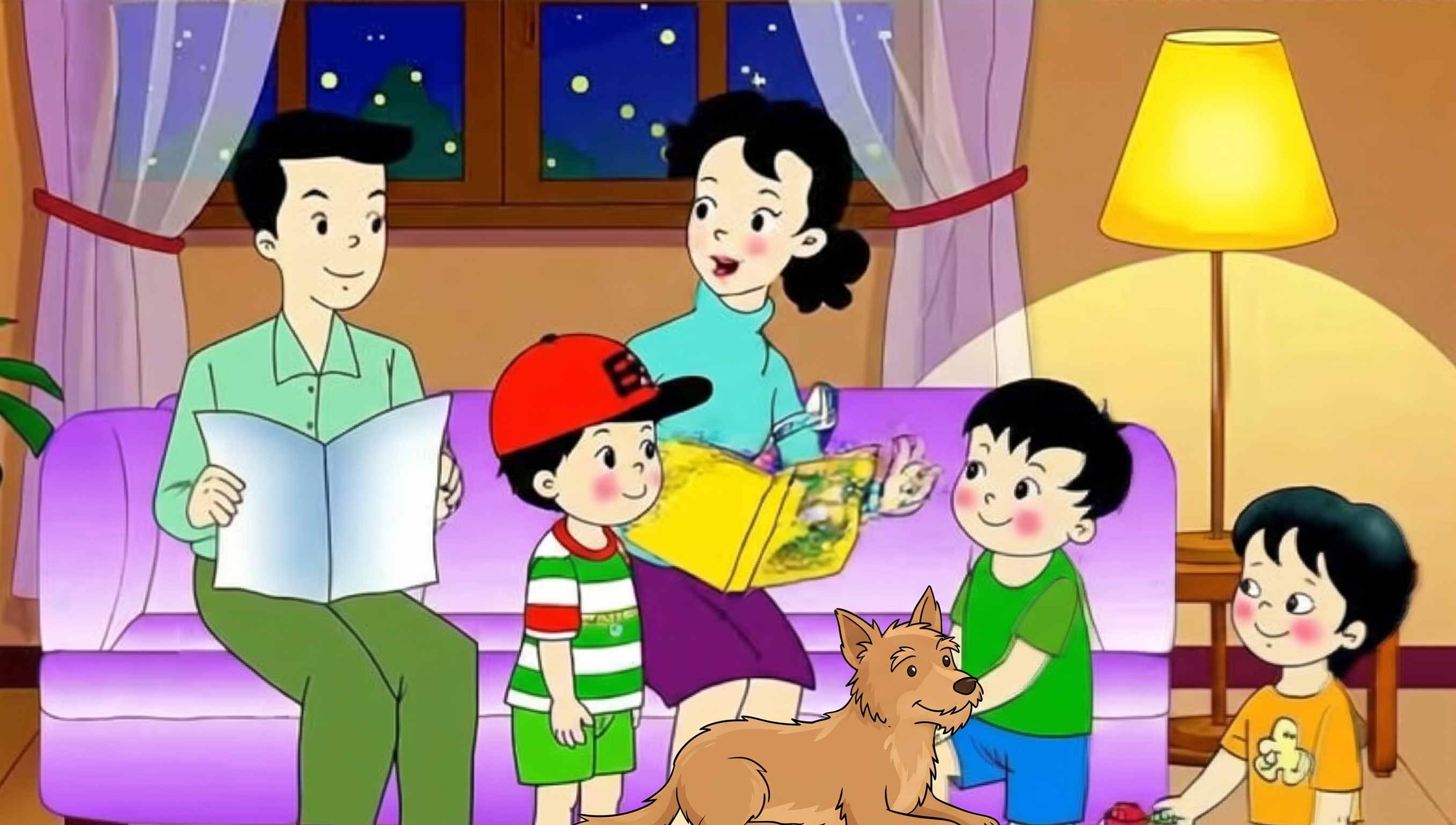
宝宝一家/La familia de Baobao/Baobao's family
爸爸/Papá, padre/Dad, father
妈妈/Mamá, madre/Mum, mother
宝宝/Baobao/Baobao
婷婷/Tíngting/Tíngting
嘟嘟/Dudú/Dudú
洛基/Rocky/Rocky
** 对话/Duìhuà/Diálogo/Dialogue **
--------------------------------------------------------------------------------
妈妈端午节到了,我们去外婆家吃粽子吧!/Mamá: Ya es la Fiesta del Barco del Dragón, ¡vamos a casa de la abuela a comer zongzi!/Mum: It's the Dragon Boat Festival, let's go to Grandma's to eat zongzi!
嘟嘟太好了!外婆包的粽子最好吃了!/Dudú: ¡Genial! ¡Los zongzi de la abuela son los más ricos!/Dudú: Brilliant! Grandma's zongzi are the best!
外婆你们来啦!粽子刚煮好,快来尝尝。/Abuela: ¡Ya estáis aquí! Los zongzi acaban de hacerse, venid a probarlos./Grandma: You're here! The zongzi have just finished cooking, come and try them.
婷婷好香啊!外婆,这是什么粽子?/Tíngting: ¡Qué bien huelen! Abuela, ¿de qué son estos zongzi?/Tíngting: They smell lovely! Grandma, what kind of zongzi are these?
外婆这是红枣粽,还有红豆粽和鲜肉粽。/Abuela: Estos son de dátil, y también los hay de judías rojas y de carne./Grandma: These are red date zongzi, and there are red bean and fresh meat ones too.
宝宝又黏又甜,真好吃!/Baobao: ¡Pegajoso y dulce, riquísimo!/Baobao: Sticky and sweet, really tasty!
嘟嘟外婆,人们为什么端午节吃粽子?/Dudú: Abuela, ¿por qué la gente come zongzi en esta fiesta?/Dudú: Grandma, why do people eat zongzi at the Dragon Boat Festival?
外婆据说是为了纪念爱国诗人屈原。/Abuela: Dicen que es para recordar al poeta patriota Qu Yuan./Grandma: It's said to be in memory of the patriotic poet Qu Yuan.
妈妈外婆还装了一小篮粽子,让我们带回去分给邻居吃。/Mamá: La abuela nos ha preparado también una cestita de zongzi para repartir entre los vecinos./Mum: Grandma has packed a little basket of zongzi for us to take home and share with the neighbours.
洛基汪汪!/Rocky: ¡Guau!/Rocky: Woof!
婷婷洛基也闻到香味了!/Tíngting: ¡Rocky también ha olido el aroma!/Tíngting: Rocky can smell them too!
▶ 📝 评论 / Comentarios / Comments
端午粽:传统节日与美食:
1. 叠词写颜色: 青青 (qīngqīng) 的箬竹叶、白白 (báibái) 的糯米、红红 (hónghóng) 的枣,叠词把粽子的颜色写得很鲜明;美滋滋 (měizīzī) 写出了吃粽子时开心的样子。
2. 读好长句子: 课文的句子比较长,要注意停顿。除了……还有…… (chúle……háiyǒu……) 可以用来介绍各种花样,又……又…… (yòu……yòu……) 可以同时说出两个特点,如“又黏又甜”。
3. 传统节日: 端午节 (Duānwǔjié) 在农历五月初五,人们吃粽子、赛龙舟,据说是为了纪念爱国诗人屈原。外婆把粽子分给邻居,也让学生体会分享的快乐。可以请学生说一说自己知道的端午节故事。
Comentario Pedagógico: Los zongzi de la Fiesta del Barco del Dragón: una fiesta tradicional y su comida:
1. Colores con palabras duplicadas: las hojas 青青 (qīngqīng) , el arroz 白白 (báibái) y el dátil 红红 (hónghóng) : la duplicación da mucha viveza a los colores del zongzi, y 美滋滋 (měizīzī) transmite lo a gusto que se está comiéndolos.
2. Leer frases largas: Las frases del texto son bastante largas y hay que cuidar las pausas. 除了……还有…… (chúle……háiyǒu……) («además de…, también…») sirve para enumerar variedades, y 又……又…… (yòu……yòu……) para decir dos cualidades a la vez, como “又黏又甜” (pegajoso y dulce).
3. Una fiesta tradicional: La 端午节 (Duānwǔjié) se celebra el quinto día del quinto mes lunar: se comen zongzi y se hacen carreras de barcos dragón, según dicen en recuerdo del poeta patriota Qu Yuan. Que la abuela reparta zongzi entre los vecinos muestra además la alegría de compartir. Los alumnos pueden contar lo que sepan sobre esta fiesta.
Pedagogical Commentary: Dragon Boat Festival Zongzi: a traditional festival and its food:
1. Colours through reduplication: the 青青 (qīngqīng) leaves, the 白白 (báibái) rice and the 红红 (hónghóng) date: reduplication makes the colours of the zongzi really vivid, while 美滋滋 (měizīzī) conveys how much the family enjoys eating them.
2. Reading long sentences: The sentences are fairly long, so pauses matter. 除了……还有…… (chúle……háiyǒu……) (“besides…, there's also…”) is used to list varieties, and 又……又…… (yòu……yòu……) to give two qualities at once, as in “又黏又甜” (sticky and sweet).
3. A traditional festival: The 端午节 (Duānwǔjié) falls on the fifth day of the fifth lunar month: people eat zongzi and race dragon boats, said to be in memory of the patriotic poet Qu Yuan. Grandma sharing zongzi with the neighbours also shows the joy of sharing. Students can tell what they know about the festival.

主题/Zhǔtí/Tema/Theme

其他/Qítā/Otros/Others.

词汇 Cíhuì/Vocabulario/Vocabulary

PDF与视频/PDF,videos Y Quiz/PDF, Videos and Quiz
