
** 11_托尔斯泰的故事/Tuō'ěrsītài de gùshi/La historia de Tolstói/The Story of Tolstoy **
** 额外内容/Contenido adicional/Additional Content **
** 家庭/Jiātíng/FAMILIA/FAMILY **

** 词汇/Cíhuì/VOCABULARIO/VOCABULARY. **
** 历史/Lìshǐ/La historia/history **
** 婷婷的手抄报/Tíngting de shǒuchāobào/El periódico manuscrito de Tíngting/Tingting's Handwritten Magazine **
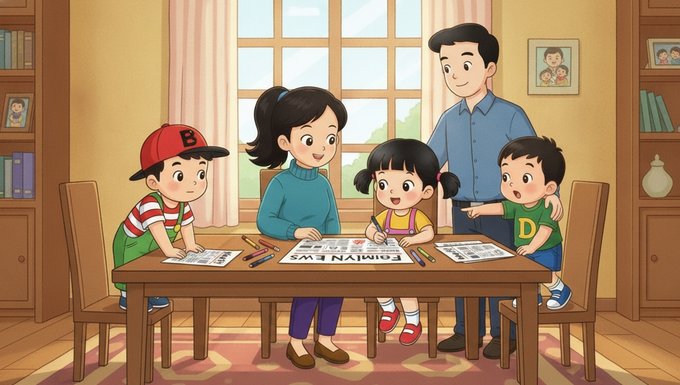
场景一/Chǎngjǐng yī/Escena 1/Scene 1
(Tíngting) 想办一份 (Manuscrito/Handwritten copy) (Revista/Magazine) ,叫《 (Baobao) 家报》。 (Mamá,madre/Mom,mother) 给她讲了 (Tolstói/Tolstoy) 的故事。
(婷婷Tíngtíng) quería hacer una (刊物kānwù) (手抄本shǒuchāoběn) llamada ‘Noticias de la familia de Baobao’. (妈妈Māmā) le contó la historia de (托尔斯泰Tuō'ěrsītài) .
(婷婷Tíngtíng) wanted to make a (手抄本shǒuchāoběn) (刊物kānwù) called ‘Baobao Family News’. (妈妈Māmā) told her the story of (托尔斯泰Tuō'ěrsītài) .
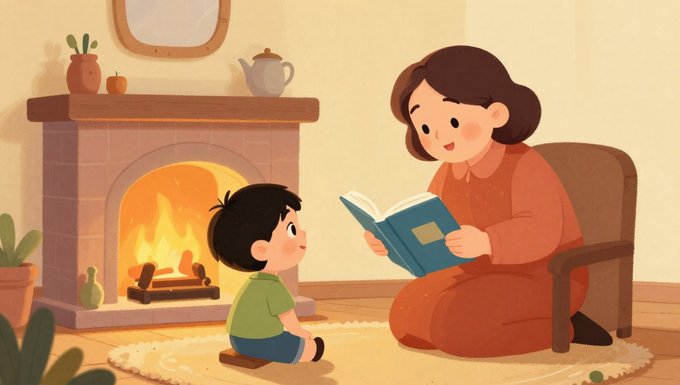
场景二/Chǎngjǐng èr/Escena 2/Scene 2
‘ (Tolstói/Tolstoy) 是 (Rusia/Russia) 伟大的作家。他小时候,姑妈常给他讲 (Santo/Saint) 行善的故事。’
‘ (托尔斯泰Tuō'ěrsītài) fue un gran escritor de (俄国Éguó) . De pequeño, su tía le contaba historias de (圣徒shèngtú) que hacían el bien’.
‘ (托尔斯泰Tuō'ěrsītài) was a great writer from (俄国Éguó) . When he was small, his aunt often told him stories of (圣徒shèngtú) doing good deeds.’
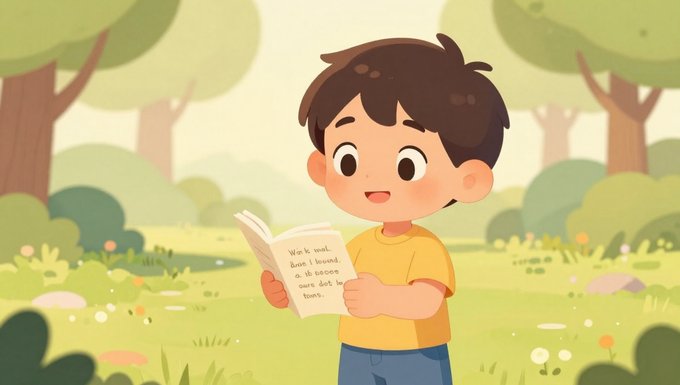
场景三/Chǎngjǐng sān/Escena 3/Scene 3
‘他七岁就办了一份 (Manuscrito/Handwritten copy) (Revista/Magazine) ,上面有他 (Escribir/Write) 的七个小故事。’
‘Con siete años ya hizo una (刊物kānwù) (手抄本shǒuchāoběn) con siete cuentos que había (编写biānxiě) él mismo’.
‘At seven, he made a (手抄本shǒuchāoběn) (刊物kānwù) with seven little stories he had (编写biānxiě) himself.’
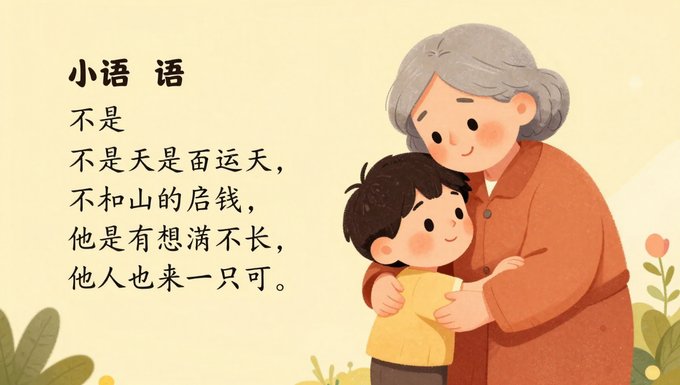
场景四/Chǎngjǐng sì/Escena 4/Scene 4
‘为了找 (Material/Material) ,他常去父亲的书房看书。姑妈过生日,他念了自己写的诗,姑妈感动得把他 (Abrazar/Hug) 在怀里。’
‘Para buscar (材料cáiliào) , iba a menudo a leer al despacho de su padre. En el cumpleaños de su tía le recitó un poema suyo, y ella, emocionada, lo (搂lǒu) ’.
‘To find (材料cáiliào) , he often read in his father's study. On his aunt's birthday he recited a poem he'd written, and she was so moved that she (搂lǒu) him tight.’
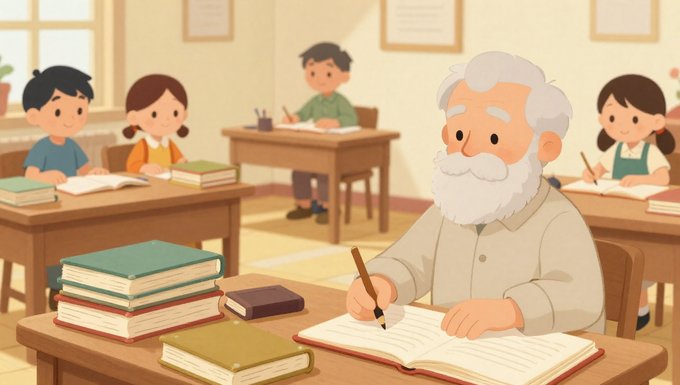
场景五/Chǎngjǐng wǔ/Escena 5/Scene 5
‘长大以后,他写了《战争与和平》、《 (Anna Karénina/Anna Karenina) 》等 (Obra maestra/Masterpiece) 。’
‘De mayor escribió (杰作jiézuò) como ‘Guerra y paz’ y ‘ (安娜·卡列尼娜Ānnà Kǎlièníná) ’’.
‘When he grew up, he wrote (杰作jiézuò) such as ‘War and Peace’ and ‘ (安娜·卡列尼娜Ānnà Kǎlièníná) ’.’
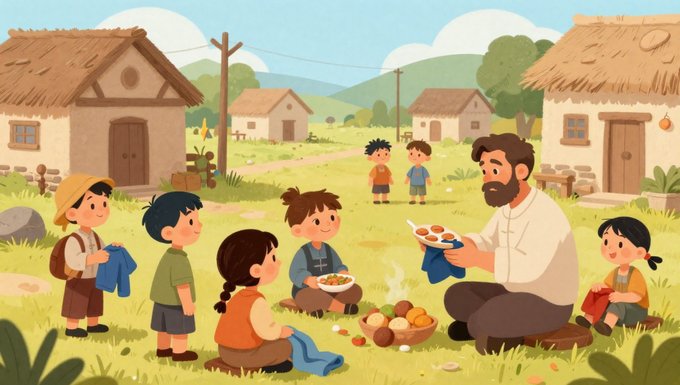
场景六/Chǎngjǐng liù/Escena 6/Scene 6
‘那时候, (Siervo/Serf) 的生活很 (Miserable/Miserable) 。 (Tolstói/Tolstoy) 常去 (Visitar para consolar/Comfort) 他们,从来不 (Insultar/Insult) 他们。’
‘En aquella época, los (农奴nóngnú) llevaban una vida (悲惨bēicǎn) . (托尔斯泰Tuō'ěrsītài) iba a menudo a (慰问wèiwèn) y nunca los (辱骂rǔmà) ’.
‘In those days, the (农奴nóngnú) lived (悲惨bēicǎn) lives. (托尔斯泰Tuō'ěrsītài) often went to (慰问wèiwèn) them and never (辱骂rǔmà) them.’
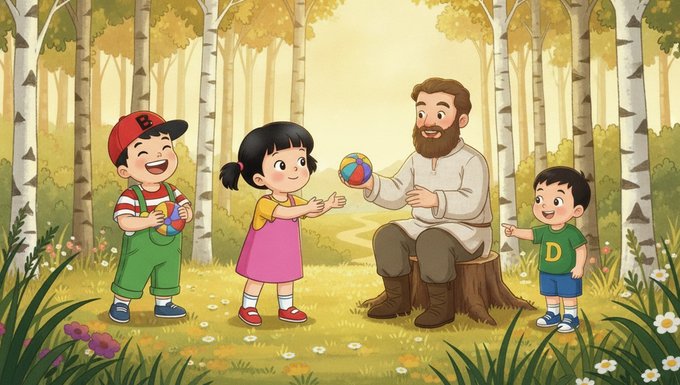
场景七/Chǎngjǐng qī/Escena 7/Scene 7
‘他给 (Siervo/Serf) 的孩子办学校,还带孩子们去 (Bosque/Forest) 边做游戏、 (Charlar/Chat) 。’
‘Abrió una escuela para los hijos de los (农奴nóngnú) , y los llevaba al borde del (森林sēnlín) a jugar y a (聊天liáotiān) ’.
‘He opened a school for the (农奴nóngnú) ' children and took them to the edge of the (森林sēnlín) to play games and (聊天liáotiān) .’
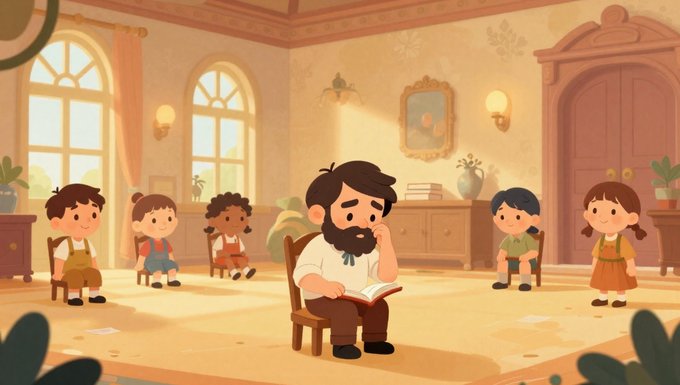
场景八/Chǎngjǐng bā/Escena 8/Scene 8
‘他想把土地分给 (Siervo/Serf) ,家里人都反对。他非常 (Abatido/Depressed) ,也 (Hartarse/Be tired of) 了贵族生活。’
‘Quiso repartir sus tierras entre los (农奴nóngnú) , pero su familia se opuso. Se sintió muy (苦闷kǔmèn) y se (厌倦yànjuàn) de la vida de noble’.
‘He wanted to give his land to the (农奴nóngnú) , but his family was against it. He felt very (苦闷kǔmèn) and (厌倦yànjuàn) noble life.’
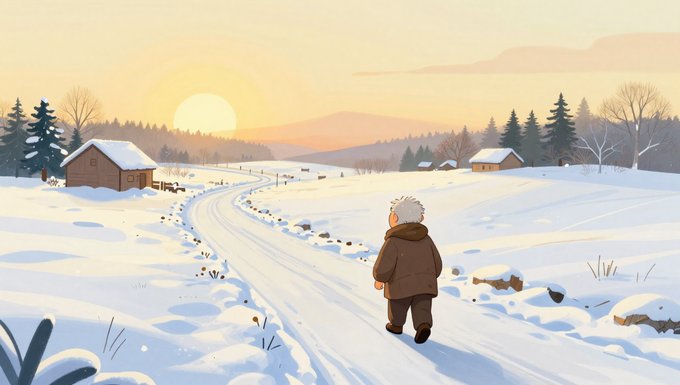
场景九/Chǎngjǐng jiǔ/Escena 9/Scene 9
‘八十二岁 (Avanzada edad/Advanced age) 时,他悄悄离家出走,在路上得了 (Enfermedad pulmonar/Lung disease) ,去世了。’
‘A la (高龄gāolíng) de ochenta y dos años, se marchó de casa en silencio, cogió una (肺病fèibìng) por el camino y murió’.
‘At the (高龄gāolíng) of eighty-two, he quietly left home, caught a (肺病fèibìng) on the way, and died.’
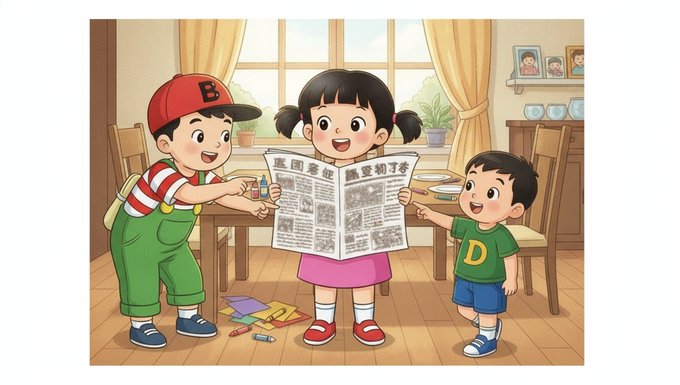
场景十/Chǎngjǐng shí/Escena 10/Scene 10
(Tíngting) 的 (Revista/Magazine) 做好了,上面有 (Baobao) (Escribir/Write) 的笑话和 (Dudú) 画的画。
La (刊物kānwù) de (婷婷Tíngtíng) quedó lista, con chistes (编写biānxiě) por (宝宝Bǎobǎo) y dibujos de (嘟嘟Dūdū) .
(婷婷Tíngtíng) 's (刊物kānwù) was finished, with jokes (编写biānxiě) by (宝宝Bǎobǎo) and drawings by (嘟嘟Dūdū) .
@ Zhongwen 资料 (SWF, PDF, MP3 等) 的版权归属于:中国华文教育网 - Overseas Chinese Language and Culture Education Online。
@ Los materiales Zhongwen (SWF, PDF, MP3, etc.) son propiedad de: 中国华文教育网 - Overseas Chinese Language and Culture Education Online.
@ The materials Zhongwen (SWF, PDF, MP3, etc.) are the property of: 中国华文教育网 - Overseas Chinese Language and Culture Education Online.

主题/Zhǔtí/Tema/Theme

其他/Qítā/Otros/Others.

阅读/Yuèdú/Lectura/Reading.

PDF与视频/PDF,videos Y Quiz/PDF, Videos and Quiz

额外内容/Contenido adicional/Additional Content
