
** 9_毛利村/MÁolì cūn/El poblado maorí/Maori Village **
** 额外内容/Contenido adicional/Additional Content **
** 家庭/Jiātíng/FAMILIA/FAMILY **

** 词汇/Cíhuì/VOCABULARIO/VOCABULARY. **
** 历史/Lìshǐ/La historia/history **
** 毛利村的欢迎礼/Máolì cūn de huānyínglǐ/La bienvenida en el poblado maorí/The Welcome at the Maori Village **
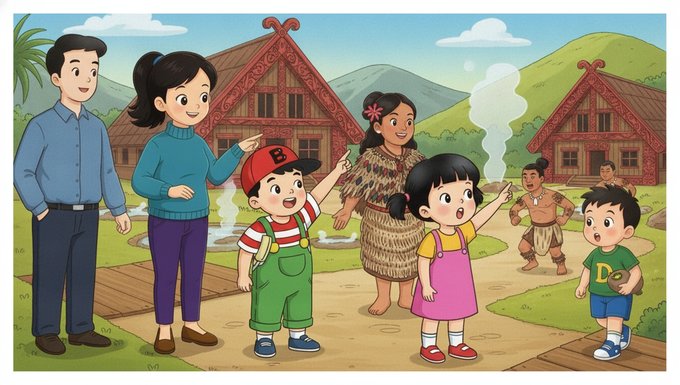
场景一/Chǎngjǐng yī/Escena 1/Scene 1
暑假, (Baobao) 一家去 (Nueva Zelanda/New Zealand) 旅游,来到了 (Rotorua/Rotorua) 的 (Maorí/Maori) 村。
En las vacaciones de verano, la familia de (宝宝Bǎobǎo) viajó a (新西兰Xīnxīlán) y visitó un poblado (毛利Máolì) en (罗托鲁瓦Luótuōlǔwǎ) .
In the summer holidays, (宝宝Bǎobǎo) 's family traveled to (新西兰Xīnxīlán) and visited a (毛利Máolì) village in (罗托鲁瓦Luótuōlǔwǎ) .
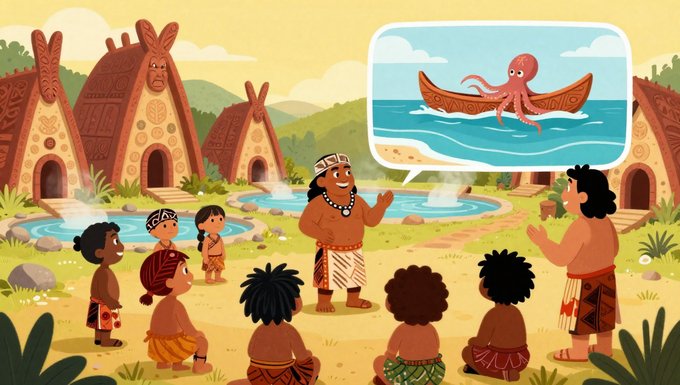
场景二/Chǎngjǐng èr/Escena 2/Scene 2
导游说:‘ (Se dice/It is said) ,一千多年前,一个 (Polinesia/Polynesia) 人为了 (Perseguir/Chase) 一条章鱼,发现了这里。他们是 (Nueva Zelanda/New Zealand) 的 (Pionero/Pioneer) 。’
El guía dijo: ‘ (据说jùshuō) que hace más de mil años un hombre de la (波利尼西亚Bōlìníxīyà) descubrió este lugar mientras (追捕zhuībǔ) un pulpo. Ellos fueron los (开拓者kāituòzhě) de (新西兰Xīnxīlán) ’.
The guide said, ‘ (据说jùshuō) that over a thousand years ago, a man from (波利尼西亚Bōlìníxīyà) discovered this place while (追捕zhuībǔ) an octopus. They were (新西兰Xīnxīlán) 's (开拓者kāituòzhě) .’
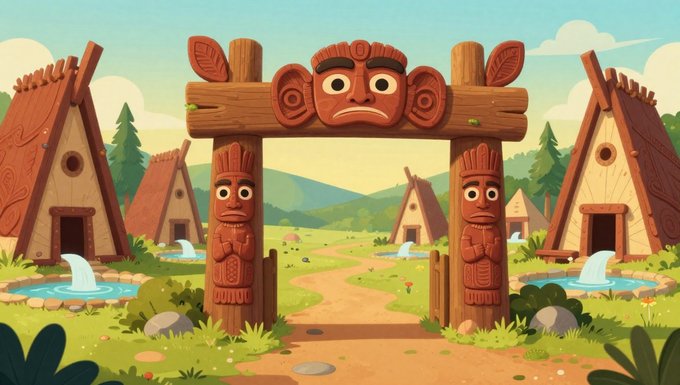
场景三/Chǎngjǐng sān/Escena 3/Scene 3
村口的门楼上 (Tallar/Carve) 着祖先的像,他的样子很 (Serio/Serious) 。
En el portal de la entrada había (雕刻diāokè) la figura de un antepasado, con aspecto muy (严肃yánsù) .
On the gate at the village entrance, a figure of an ancestor was (雕刻diāokè) , looking very (严肃yánsù) .
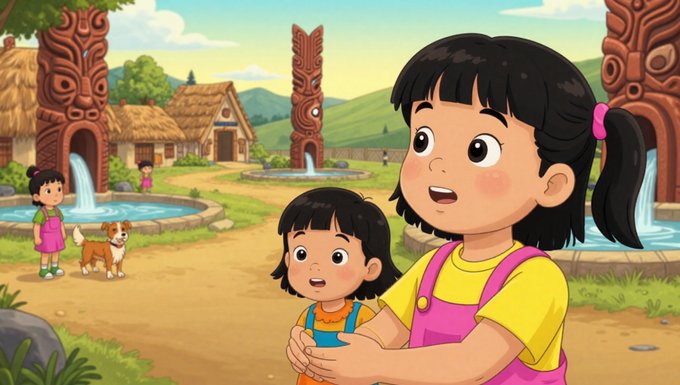
场景四/Chǎngjǐng sì/Escena 4/Scene 4
‘他手里抱着一男一女,象征 (Familia numerosa y próspera/Flourishing population) ;他的头 (Ocupar/Take up) 了雕像的一半,象征智慧。’
‘Sostiene a un hombre y a una mujer, que simbolizan una (人丁兴旺réndīng xīngwàng) ; su cabeza (占zhàn) la mitad de la estatua y simboliza la sabiduría’.
‘He holds a man and a woman, symbolizing a (人丁兴旺réndīng xīngwàng) ; his head (占zhàn) half the statue, symbolizing wisdom.’
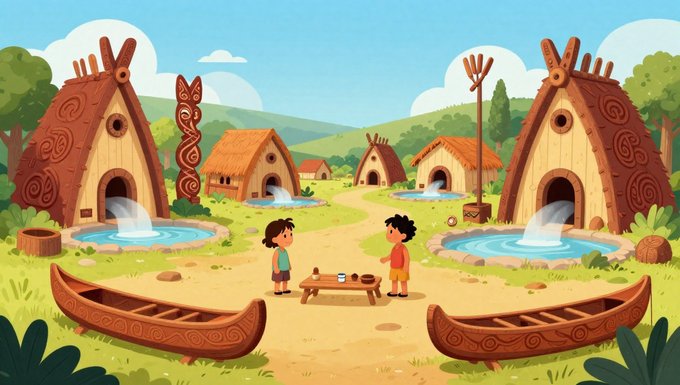
场景五/Chǎngjǐng wǔ/Escena 5/Scene 5
村里的 (Armas/Weapons) 和独木船上都刻着花纹, (Forma/Shape) 各异, (Postura/Pose) 逼真。
Las (枪械qiāngxiè) y las canoas del poblado estaban decoradas con dibujos tallados de (形状xíngzhuàng) variadas y (姿态zītài) muy realistas.
The (枪械qiāngxiè) and canoes in the village were carved with patterns of all (形状xíngzhuàng) , in lifelike (姿态zītài) .
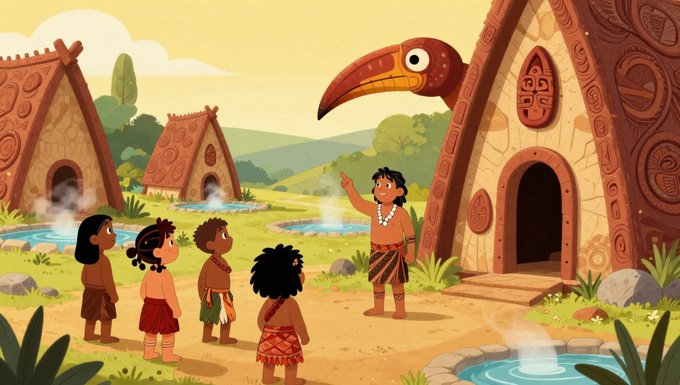
场景六/Chǎngjǐng liù/Escena 6/Scene 6
导游说:‘ (Maorí/Maori) 人相信鸟嘴可以为人 (Alejar desgracias/Ward off disaster) 。’
El guía dijo: ‘Los (毛利Máolì) creen que el pico de un pájaro puede (消灾xiāozāi) ’.
The guide said, ‘The (毛利Máolì) believe a bird's beak can (消灾xiāozāi) .’
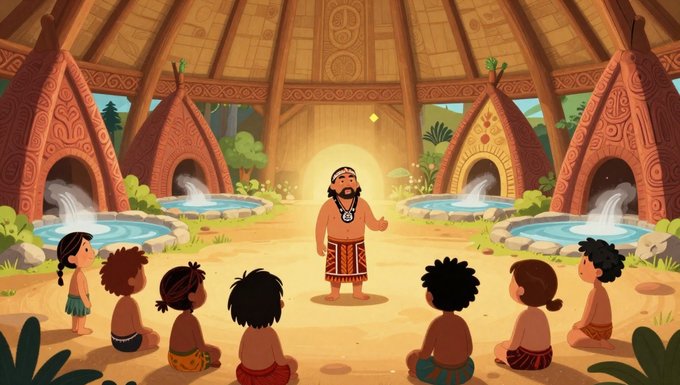
场景七/Chǎngjǐng qī/Escena 7/Scene 7
欢迎仪式开始了,会场里一片 (Silencio/Silence) 。一个 (Descalzo/Bare) 着脚的人走出来,唱起歌来。
Empezó la ceremonia de bienvenida y en el salón se hizo el (寂静jìjìng) . Un hombre con los pies (赤chì) salió y se puso a cantar.
The welcome ceremony began, and the hall fell into (寂静jìjìng) . A man with (赤chì) feet stepped out and began to sing.
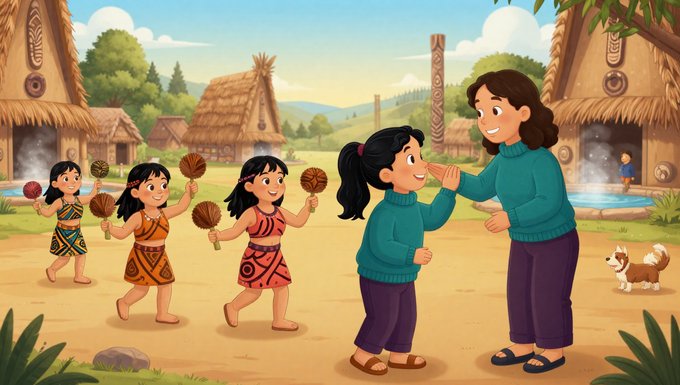
场景八/Chǎngjǐng bā/Escena 8/Scene 8
姑娘们跳起舞来,周围的人低声 (Acompañar cantando/Sing along) 。然后,她们和客人碰鼻子行礼。
Las muchachas se pusieron a bailar y los demás las (伴唱bànchàng) en voz baja. Después saludaron a los invitados juntando las narices.
The young women began to dance, and the people around (伴唱bànchàng) softly. Then they greeted the guests by touching noses.
场景九/Chǎngjǐng jiǔ/Escena 9/Scene 9
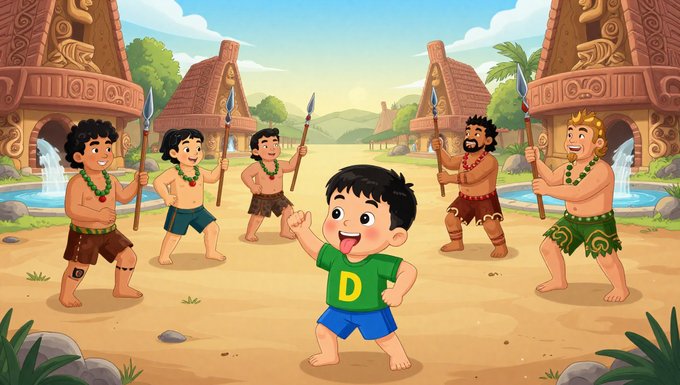
为了欢迎 (Invitado de honor/Distinguished guest) ,男人们 (Empuñar/Hold in hand) 长矛 (Saltar/Leap) 着,表演 (Solemne/Grand) 的‘哈卡’。 (Dudú) 也跟着学。
Para recibir a los (贵宾guìbīn) , los hombres, (手执shǒuzhí) lanzas, (跳跃tiàoyuè) y bailaban el (隆重lóngzhòng) ‘haka’. (嘟嘟Dūdū) los imitaba.
To welcome the (贵宾guìbīn) , the men (跳跃tiàoyuè) about (手执shǒuzhí) spears in their hands and performed the (隆重lóngzhòng) ‘haka’. (嘟嘟Dūdū) copied them.
场景十/Chǎngjǐng shí/Escena 10/Scene 10
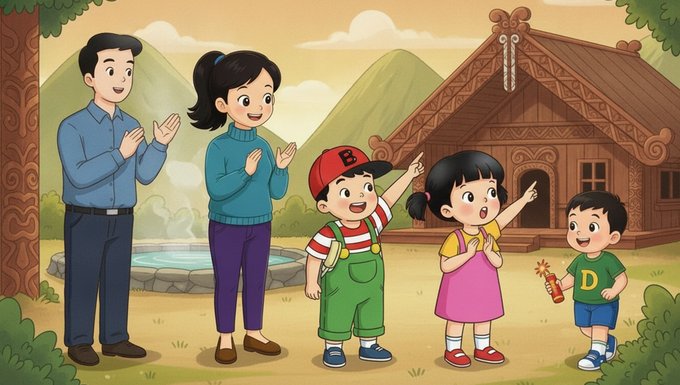
(Tíngting) 说:‘ (Maorí/Maori) 人的文化真是 (Esplendoroso/Splendid) !’
(婷婷Tíngtíng) dijo: ‘¡La cultura (毛利Máolì) es (光辉灿烂guānghuī cànlàn) !’.
(婷婷Tíngtíng) said, ‘ (毛利Máolì) culture is truly (光辉灿烂guānghuī cànlàn) !’
@ Zhongwen 资料 (SWF, PDF, MP3 等) 的版权归属于:中国华文教育网 - Overseas Chinese Language and Culture Education Online。
@ Los materiales Zhongwen (SWF, PDF, MP3, etc.) son propiedad de: 中国华文教育网 - Overseas Chinese Language and Culture Education Online.
@ The materials Zhongwen (SWF, PDF, MP3, etc.) are the property of: 中国华文教育网 - Overseas Chinese Language and Culture Education Online.

主题/Zhǔtí/Tema/Theme

其他/Qítā/Otros/Others.

阅读/Yuèdú/Lectura/Reading.

PDF与视频/PDF,videos Y Quiz/PDF, Videos and Quiz

额外内容/Contenido adicional/Additional Content
