
PRIMARIA_C1_N2_24_T16
** 24_T16_一分钟/Yì fēnzhōng/Un minuto/One Minute **
** 额外内容/Contenido adicional/Additional Content **
** 扩大和替换/Kuòdà hé tìhuàn/Ampliar y sustituir/Expand and substitute. **
早/temprano/early
早一分钟/un minuto antes/one minute earlier
要是早一分钟就好了。/¡Ojalá hubiera salido un minuto antes!/If only I'd been one minute earlier!
要是早一分钟,就能赶上绿灯了。/Si hubiera salido un minuto antes, habría pillado el semáforo en verde./If I'd been one minute earlier, I'd have caught the green light.
要是能赶上绿灯,就能赶上公共汽车了。/Si hubiera pillado el verde, habría llegado al autobús./If I'd caught the green light, I'd have caught the bus.
要是能赶上公共汽车,就不会迟到了。/Si hubiera llegado al autobús, no habría llegado tarde./If I'd caught the bus, I wouldn't have been late.
--------------------------------------------------------------------------------
李老师看了看手表,说元元,今天你迟到了二十分钟。/La profesora Li mira el reloj y dice: «Yuanyuan, hoy has llegado veinte minutos tarde»./Miss Li looks at her watch and says, “Yuanyuan, you're twenty minutes late today.”
--------------------------------------------------------------------------------
一分钟能走/En un minuto puedo andar/In one minute I can walk
· 一百步/cien pasos./a hundred steps.
一分钟能写/En un minuto puedo escribir/In one minute I can write
· 十个字/diez caracteres./ten characters.
一分钟能跳绳/En un minuto puedo saltar a la comba/In one minute I can skip
· 一百下/cien veces./a hundred times.
一分钟能读/En un minuto puedo leer/In one minute I can read
· 一首古诗/un poema clásico./a classical poem.
** 想一想, 说一说/Xiǎng yi xiǎng, shuō yi shuō/Piensa y responde/Think and answer the following questions **
--------------------------------------------------------------------------------
元元为什么会迟到二十分钟?/¿Por qué llega Yuanyuan veinte minutos tarde?/Why is Yuanyuan twenty minutes late?
一分钟你能做什么?/¿Qué puedes hacer en un minuto?/What can you do in one minute?
** 家庭/Jiātíng/FAMILIA/FAMILY **
--------------------------------------------------------------------------------
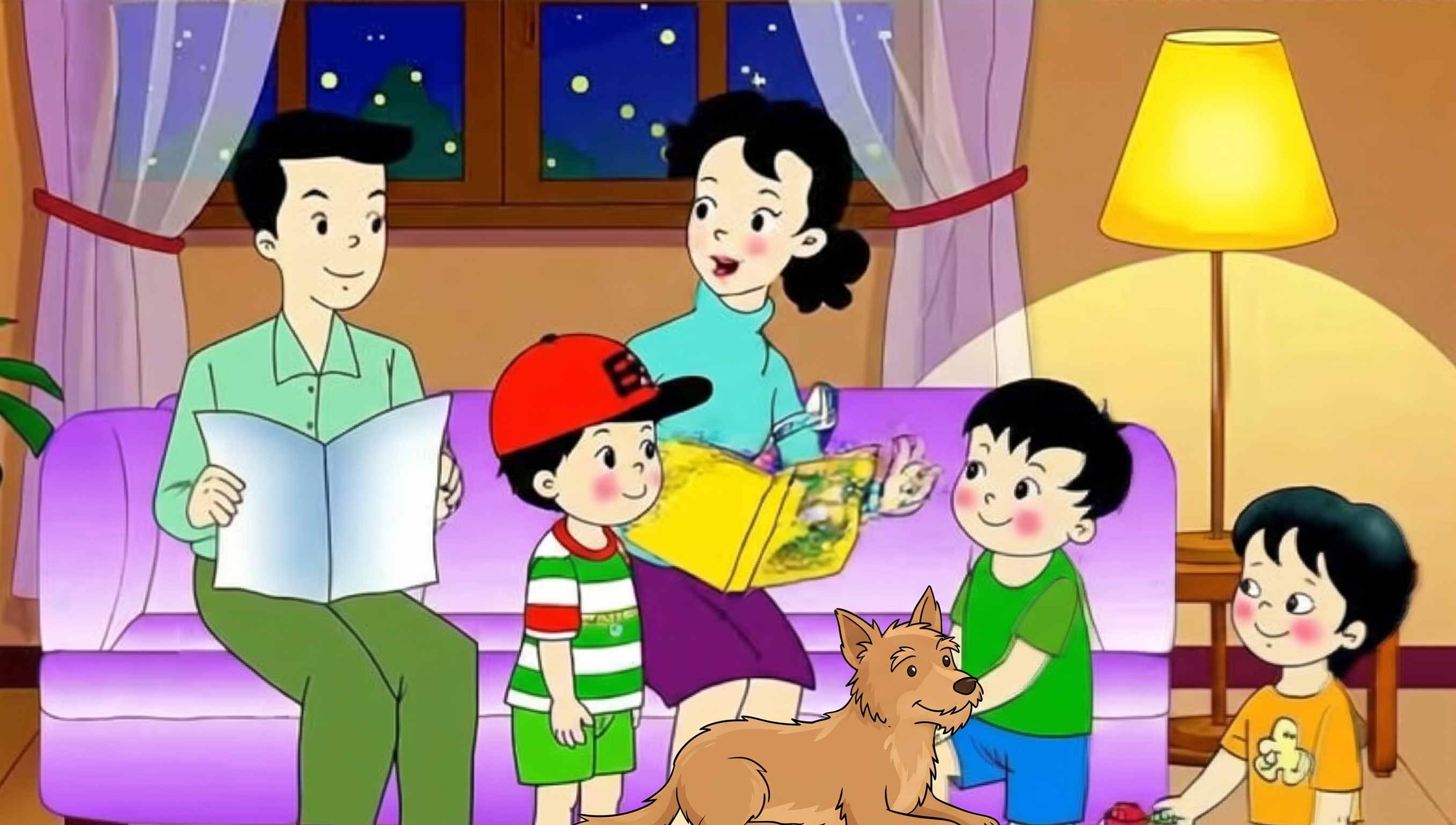
宝宝一家/La familia de Baobao/Baobao's family
爸爸/Papá, padre/Dad, father
妈妈/Mamá, madre/Mum, mother
宝宝/Baobao/Baobao
婷婷/Tíngting/Tíngting
嘟嘟/Dudú/Dudú
洛基/Rocky/Rocky
** 对话/Duìhuà/Diálogo/Dialogue **
--------------------------------------------------------------------------------
妈妈嘟嘟,丁零零,闹钟响了,快起床!/Mamá: ¡Dudú, riiing, ha sonado el despertador! ¡Arriba!/Mum: Dudú, ring-a-ling, the alarm's gone off, get up!
嘟嘟再睡一分钟吧,就睡一分钟/Dudú: Un minuto más, solo un minuto…/Dudú: Just one more minute, only one minute…
婷婷别睡了!你忘了元元的故事吗?/Tíngting: ¡No te duermas! ¿Te has olvidado del cuento de Yuanyuan?/Tíngting: Don't go back to sleep! Have you forgotten Yuanyuan's story?
嘟嘟元元怎么了?/Dudú: ¿Qué le pasó a Yuanyuan?/Dudú: What happened to Yuanyuan?
宝宝他多睡了一分钟,结果赶不上绿灯,赶不上公共汽车,迟到了二十分钟!/Baobao: Durmió un minuto de más y, al final, no pilló el verde, perdió el autobús y llegó veinte minutos tarde./Baobao: He slept one minute longer, and in the end he missed the green light, missed the bus, and was twenty minutes late!
嘟嘟啊?一分钟这么重要!我马上起来!/Dudú: ¿En serio? ¡Un minuto es tan importante! ¡Me levanto ahora mismo!/Dudú: What? One minute is that important! I'm getting up right now!
爸爸对,我们要珍惜每一分钟。/Papá: Eso es: hay que aprovechar cada minuto./Dad: That's right, we should value every minute.
嘟嘟我已经洗了脸,吃了早点,背上书包了!/Dudú: ¡Ya me he lavado la cara, he desayunado y llevo la mochila puesta!/Dudú: I've already washed my face, had breakfast and put my schoolbag on!
妈妈真快!今天一定不会迟到。/Mamá: ¡Qué rápido! Hoy seguro que no llegas tarde./Mum: That was quick! You definitely won't be late today.
洛基汪汪!/Rocky: ¡Guau!/Rocky: Woof!
▶ 📝 评论 / Comentarios / Comments
一分钟:珍惜时间:
1. 时间观念: 元元只想多睡 一分钟 (yì fēnzhōng) ,结果一环扣一环:赶不上绿灯、赶不上公共汽车,最后迟到了 二十分钟 (èrshí fēnzhōng) 。故事告诉学生:一分钟虽然很短,也要 珍惜 (zhēnxī) 。
2. 句式: 要是……就好了 (yàoshi……jiù hǎo le) 表达后悔的心情,课文中出现了两次;课后“根据课文内容说一说”用“要是……就……”把事情的前因后果连起来,可以帮助学生理清故事顺序。
3. 生字与实践: 钟 (zhōng) 是金字旁,洗 (xǐ) 、汽 (qì) 是三点水。可以让学生动手试一试:一分钟能走多少步、写多少个字、跳多少下绳,亲身感受一分钟的长短。
Comentario Pedagógico: Un minuto: el valor del tiempo:
1. La noción del tiempo: Yuanyuan solo quería dormir 一分钟 (yì fēnzhōng) más, y una cosa lleva a la otra: pierde el semáforo en verde, pierde el autobús y acaba llegando 二十分钟 (èrshí fēnzhōng) tarde. El cuento enseña que, aunque un minuto es poco, hay que 珍惜 (zhēnxī) (aprovecharlo).
2. Estructuras: 要是……就好了 (yàoshi……jiù hǎo le) expresa arrepentimiento («ojalá…») y aparece dos veces en el texto. El ejercicio “根据课文内容说一说” encadena las causas y consecuencias con «要是……就……», lo que ayuda a ordenar la historia.
3. Caracteres y práctica: 钟 (zhōng) lleva el componente del metal (钅); 洗 (xǐ) y 汽 (qì) los tres puntos del agua. Los alumnos pueden comprobar cuántos pasos dan, cuántos caracteres escriben o cuántas veces saltan a la comba en un minuto para sentir cuánto dura.
Pedagogical Commentary: One Minute: valuing time:
1. A sense of time: Yuanyuan only wanted 一分钟 (yì fēnzhōng) more sleep, but one thing led to another: he missed the green light, missed the bus and ended up 二十分钟 (èrshí fēnzhōng) late. The story teaches that although a minute is short, we should 珍惜 (zhēnxī) (value) it.
2. Sentence patterns: 要是……就好了 (yàoshi……jiù hǎo le) expresses regret (“if only…”) and appears twice in the text. The “根据课文内容说一说” exercise links causes and consequences with “要是……就……”, helping students put the story in order.
3. Characters and practice: 钟 (zhōng) has the metal component (钅); 洗 (xǐ) and 汽 (qì) have the three water dots. Students can try out how many steps they can walk, characters they can write or skips they can do in one minute, to feel how long a minute really is.

主题/Zhǔtí/Tema/Theme

其他/Qítā/Otros/Others.

词汇 Cíhuì/Vocabulario/Vocabulary

PDF与视频/PDF,videos Y Quiz/PDF, Videos and Quiz
