
PRIMARIA_C1_N2_19_L08
** 19_L08_人之初/Rén zhī chū/Al principio de la vida/At the Beginning of Life **
** 额外内容/Contenido adicional/Additional Content **
** 扩大和替换/Kuòdà hé tìhuàn/Ampliar y sustituir/Expand and substitute. **
--------------------------------------------------------------------------------
--------------------------------------------------------------------------------
** 想一想, 说一说/Xiǎng yi xiǎng, shuō yi shuō/Piensa y responde/Think and answer the following questions **
--------------------------------------------------------------------------------
** 家庭/Jiātíng/FAMILIA/FAMILY **
--------------------------------------------------------------------------------
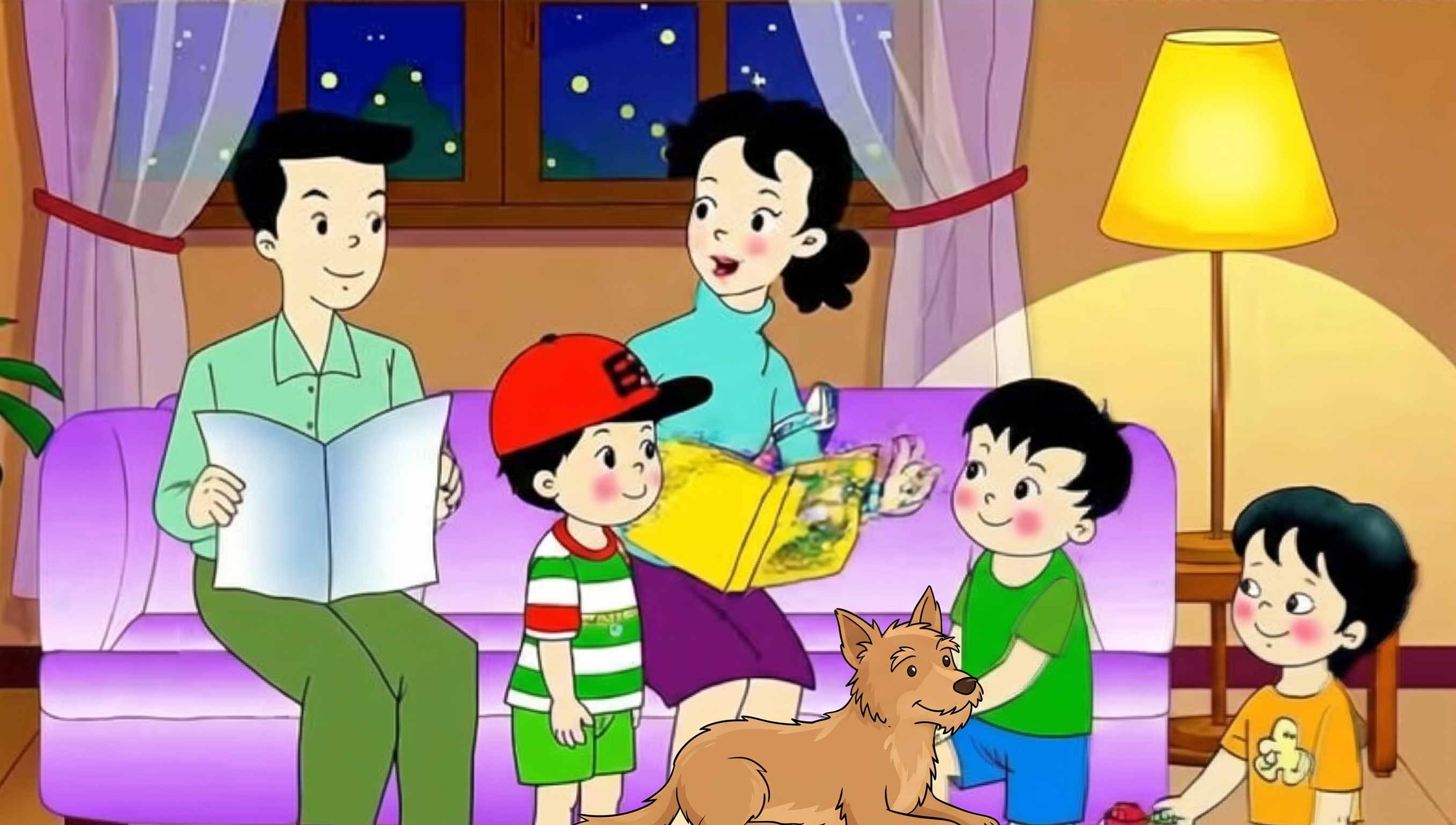
** 对话/Duìhuà/Diálogo/Dialogue **
--------------------------------------------------------------------------------
▶ 📝 评论 / Comentarios / Comments
人之初:《三字经》与学习的意义:
1. 《三字经》: 课文选自中国传统启蒙读物《三字经》,三个字一句,押韵上口。有些字是古代的用法:苟 (gǒu) 是“如果”,乃 (nǎi) 是“就”,宜 (yí) 是“应该”,何 (hé) 是“什么”。不必逐字讲解,重在朗读和背诵。
2. 一字组多词: “读一读,记一记”用 初 (chū) 、专 (zhuān) 、性 (xìng) 、善 (shàn) 组成常用词语:初始、初夏,专心、专门,天性、性格,善良、友善,把古文里的字和今天的词语联系起来。
3. 学习的意义: 玉不琢,不成器 (yù bù zhuó, bù chéng qì) 用玉石作比喻,说明人要通过学习才能成长。可以让学生说一说:我们为什么要好好学习?
Comentario Pedagógico: Al principio de la vida: el «Clásico de los tres caracteres» y el valor de aprender:
1. El Sānzìjīng: El texto procede del «Clásico de los tres caracteres» (三字经), libro tradicional de iniciación a la lectura: versos de tres caracteres con rima. Algunos caracteres tienen un uso antiguo: 苟 (gǒu) significa «si», 乃 (nǎi) «entonces», 宜 (yí) «conviene» y 何 (hé) «qué». No hace falta explicarlo carácter por carácter: lo importante es leerlo en voz alta y memorizarlo.
2. Un carácter, varias palabras: “读一读,记一记” forma palabras actuales con 初 (chū) , 专 (zhuān) , 性 (xìng) y 善 (shàn) : 初始, 初夏; 专心, 专门; 天性, 性格; 善良, 友善. Así se relacionan los caracteres del chino clásico con el vocabulario de hoy.
3. El valor de aprender: 玉不琢,不成器 (yù bù zhuó, bù chéng qì) usa la imagen del jade para explicar que las personas crecen gracias al estudio. Se puede preguntar a los alumnos por qué hay que estudiar con empeño.
Pedagogical Commentary: At the Beginning of Life: the “Three Character Classic” and the value of learning:
1. The Sānzìjīng: The text comes from the “Three Character Classic” (三字经), a traditional primer: rhyming lines of three characters each. Some characters are used in their classical sense: 苟 (gǒu) means “if”, 乃 (nǎi) “then”, 宜 (yí) “should” and 何 (hé) “what”. There's no need to explain it word by word: the focus is on reading aloud and reciting.
2. One character, several words: “读一读,记一记” builds modern words from 初 (chū) , 专 (zhuān) , 性 (xìng) and 善 (shàn) : 初始, 初夏; 专心, 专门; 天性, 性格; 善良, 友善, linking classical characters with today's vocabulary.
3. The value of learning: 玉不琢,不成器 (yù bù zhuó, bù chéng qì) uses the image of jade to show that people grow through learning. Students can be asked why we should study hard.

主题/Zhǔtí/Tema/Theme

其他/Qítā/Otros/Others.

词汇 Cíhuì/Vocabulario/Vocabulary

PDF与视频/PDF,videos Y Quiz/PDF, Videos and Quiz
