Saltar al contenido
Home » Baobao_L2_04_我喝牛奶 » Página 2

Baobao_L2_04_我喝牛奶


** 14_我喝牛奶/Wǒ hē niúnǎi/Yo bebo leche/I drink milk **


点击放大/clic para ampliar/click to enlarge

点击放大/clic para ampliar/click to enlarge

AVI: 词汇/Vocabulario/Vocabulary


** 词汇/cí huì/Vocabulario/Vocabulary **


1) 牛奶niúnǎi/Yo bebo leche/I drink milk

点击放大/clic para ampliar/click to enlarge

中文/Chino/Chinese

西班牙语/Español/Spanish

英语/inglés/English


2) 什么shénme/¿Qué bebes?/What do you drink?

点击放大/clic para ampliar/click to enlarge

中文/Chino/Chinese

西班牙语/Español/Spanish

英语/inglés/English


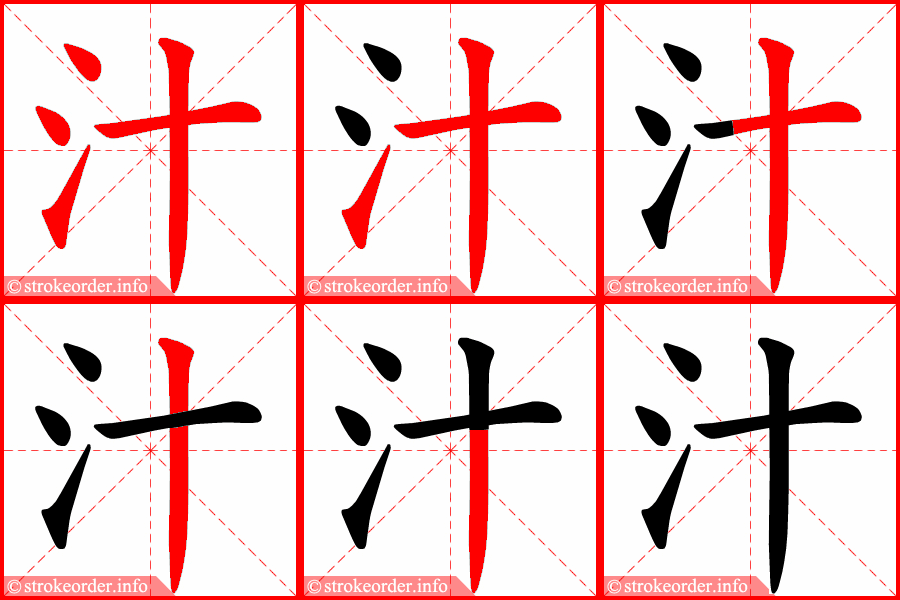
3) 果汁Guǒzhī/Zumo (o jugo)/Juice

点击放大/clic para ampliar/click to enlarge

中文/Chino/Chinese

西班牙语/Español/Spanish

英语/inglés/English


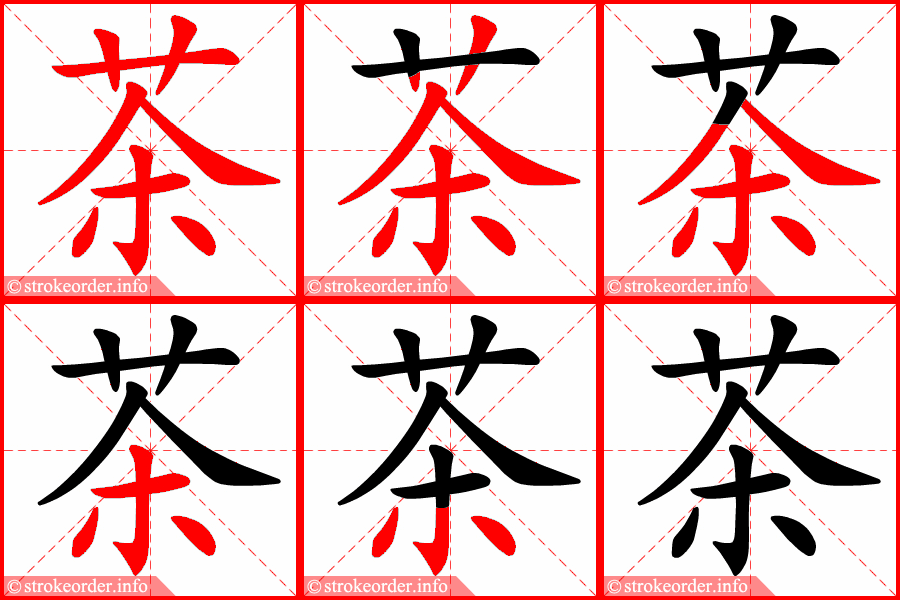
4) Chá//Tea

点击放大/clic para ampliar/click to enlarge

中文/Chino/Chinese

西班牙语/Español/Spanish

英语/inglés/English


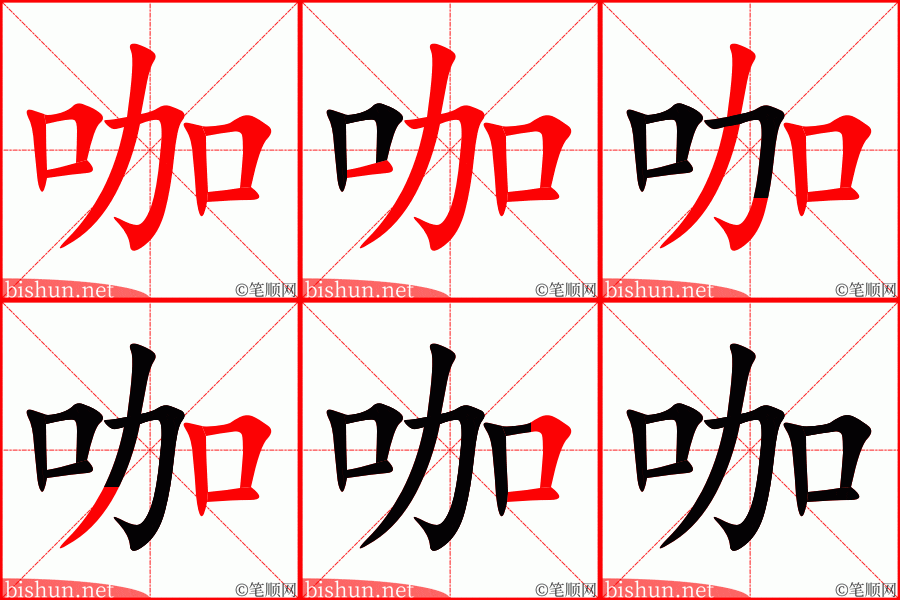
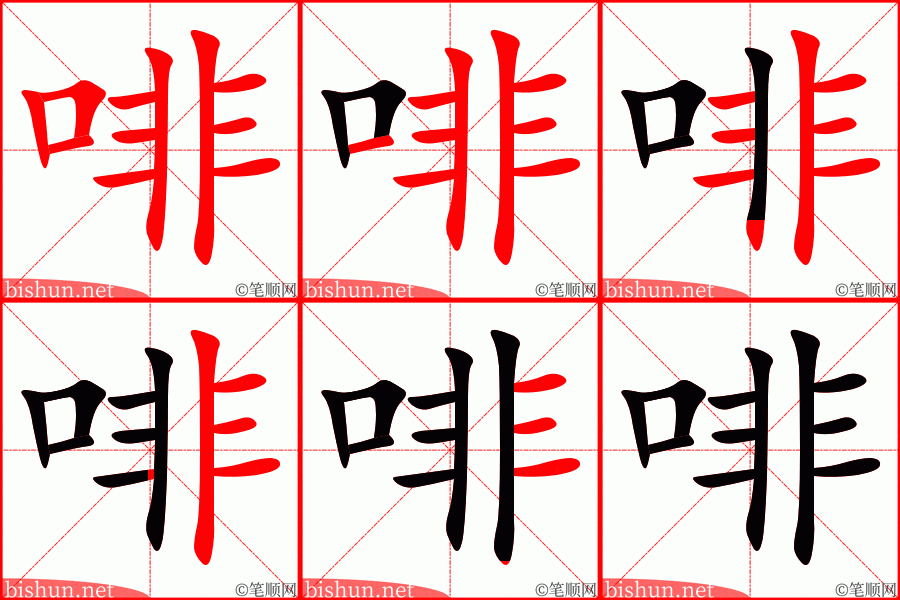
5) 咖啡Kāfēi/Café/Coffee

点击放大/clic para ampliar/click to enlarge

中文/Chino/Chinese

西班牙语/Español/Spanish

英语/inglés/English


6) Shuǐ/Agua/Water

点击放大/clic para ampliar/click to enlarge

中文/Chino/Chinese

西班牙语/Español/Spanish

英语/inglés/English


** 超级汉字/chāojí hànzì/Super Carácter/super character **

中文/Chino/Chinese

西班牙语/Español/Spanish

英语/inglés/English

中文/Chino/Chinese

西班牙语/Español/Spanish

英语/inglés/English

1) Shuǐ/Agua/Water
小狗xiǎogǒu洛基Luòjīzàishuǐ/El perrito Rocky está bebiendo agua./The little dog Rocky is drinking water.
2) 水果Shuǐguǒ/Fruta (lit. ‘fruto del agua’)/Fruit
桌子zhuōzishàngyǒuhěnduō新鲜xīnxiānde水果shuǐguǒ/Hay mucha fruta fresca en la mesa./There is a lot of fresh fruit on the table.
3) 喝水/Beber agua/Drink water
妈妈māmaràng宝宝bǎobaoduōshuǐ/Mamá hace que el bebé beba más agua./Mom makes the baby drink more water.
4) 热水Rèshuǐ/Agua caliente/Hot water
奶奶nǎinai喜欢xǐhuan热水rèshuǐ/A la abuela le gusta beber agua caliente./Grandma likes to drink hot water.
5) 冰水Bīngshuǐ/Agua con hielo/Ice water
夏天xiàtiān冰水bīngshuǐhěn凉快liángkuai/Beber agua con hielo en verano es muy refrescante./Drinking ice water in summer is very refreshing.
6) 矿泉水Kuàngquánshuǐ/Agua mineral/Mineral water
爸爸bàba超市chāoshìmǎilepíng矿泉水kuàngquánshuǐ/Papá fue al supermercado y compró una botella de agua mineral./Dad went to the supermarket and bought a bottle of mineral water.
7) 开水Kāishuǐ/Agua hervida/Boiled water
qǐnggěibēi开水kāishuǐ/Por favor, dame un vaso de agua hervida./Please give me a glass of boiled water.
8) 自来水Zìláishuǐ/Agua del grifo/Tap water
嘟嘟Dūdūyòng自来水zìláishuǐshǒu/Dudu se lava las manos con agua del grifo./Dudu washes his hands with tap water.
9) 汽水Qìshuǐ/Gaseosa (refresco)/Soda
派对pàiduìshàngyǒuhěnduō好喝hǎohēde汽水qìshuǐ/Hay muchos refrescos deliciosos en la fiesta./There is a lot of delicious soda at the party.
10) 淡水Dànshuǐ/Agua dulce/Fresh water
zhètiáoshì淡水dànshuǐ/El agua de este río es dulce./The water in this river is fresh water.
11) 海水Hǎishuǐ/Agua de mar/Sea water
海水hǎishuǐ非常fēichángxián/El agua de mar es muy salada./The sea water is very salty.
12) 雨水Yǔshuǐ/Agua de lluvia/Rainwater
花园huāyuánde植物zhíwù需要xūyào雨水yǔshuǐ/Las plantas del jardín necesitan agua de lluvia./The plants in the garden need rainwater.
13) 香水Xiāngshuǐ/Perfume (lit. ‘agua fragante’)/Perfume
妈妈māmade香水xiāngshuǐ非常fēichángxiāng/El perfume de mamá huele muy bien./Mom's perfume smells very good.
14) 泪水Lèishuǐ/Lágrimas (lit. ‘agua de lágrimas’)/Tears
宝宝bǎobaode眼睛yǎnjingyǒu泪水lèishuǐ/Hay lágrimas en los ojos del bebé./There are tears in the baby's eyes.
15) 汗水Hànshuǐ/Sudor (lit. ‘agua de sudor’)/Sweat
运动yùndònghòu爸爸bàbadeliǎnshàngyǒu汗水hànshuǐ/Después de hacer deporte, hay sudor en la cara de papá./After exercising, there is sweat on dad's face.
16) 水平Shuǐpíng/Nivel (de habilidad o estándar)/Level (Standard)
婷婷Tíngtíngde中文Zhōngwén水平shuǐpínghěngāo/El nivel de chino de Tingting es muy alto./Tingting's Chinese level is very high.
17) 山水Shānshuǐ/Paisaje (lit. ‘montaña y agua’)/Landscape
这里zhèlǐde山水shānshuǐ非常fēicháng美丽měilì/El paisaje de aquí es muy hermoso./The landscape here is very beautiful.
18) 水池Shuǐchí/Estanque (o piscina)/Pond (or pool)
洛基Luòjīzài公园gōngyuánde水池shuǐchíwán/Rocky juega en el estanque del parque./Rocky plays in the pond at the park.
19) 潜水Qiánshuǐ/Bucear (o sumergirse)/Diving
爸爸bàba喜欢xǐhuanzàihǎi潜水qiánshuǐ/A papá le gusta bucear en el mar./Dad likes diving in the sea.
20) 水手Shuǐshǒu/Marinero (lit. ‘mano de agua’)/Sailor
那个nàge勇敢yǒnggǎnde水手shuǐshǒuzài大船dàchuánshàng工作gōngzuò/Ese valiente marinero trabaja en el gran barco./That brave sailor works on the big ship.
📝 评论 / Comentarios / Comments
1. %自然象形字 (Zìrán xiàngxíngzì): %‘水’字是一个象形字,最初代表河流的流动。看到它如何被用来描述任何身体液体(如泪水、汗水)或香水等液体产品,是非常有趣的。
2. ‘水平’的概念 (Shuǐpíng de gàiniàn) : 值得注意的是,表示学生’级别’或’标准’的词是’水平’ (Shuǐpíng) 。这源于水面总是追求平坦或水平的物理特性。
3. 水文化 (Shuǐ wénhuà) : 正如我们之前提到的,对于中国人来说,水不仅是饮料,更是良药。因此,像’热水’ (Rèshuǐ) ’开水’ (Kāishuǐ) 这样的词汇在日常对话中比’冷水’要常见得多。
1. Pictograma natural: El carácter es un pictograma que originalmente representaba el fluir de un río. Es fascinante ver cómo se usa para describir cualquier líquido corporal (lágrimas, sudor) o productos líquidos como el perfume.
2. Concepto de ‘Nivel’: Es muy interesante notar que la palabra para ‘nivel’ o ‘estándar’ de un estudiante es 水平 (Shuǐpíng) . Esto proviene de la idea de que la superficie del agua siempre busca estar plana o nivelada.
3. Cultura del agua: Como mencionamos antes, para los chinos el agua no es solo una bebida, es medicina. Por eso términos como 热水 (Rèshuǐ) o 开水 (Kāishuǐ) son mucho más comunes en una conversación diaria que ‘agua fría’.
1. Natural Pictogram: The character is a pictogram that originally represented the flow of a river. It is fascinating to see how it is used to describe any body fluid (tears, sweat) or liquid products like perfume.
2. The Concept of ‘Level’: It is very interesting to note that the word for a student's ‘level’ or ‘standard’ is 水平 (Shuǐpíng) . This stems from the idea that the surface of water always seeks to be flat or level.
3. Water Culture: As we mentioned earlier, for the Chinese, water is not just a drink, it is medicine. That is why terms like 热水 (Rèshuǐ) or 开水 (Kāishuǐ) are much more common in daily conversation than ‘cold water’.

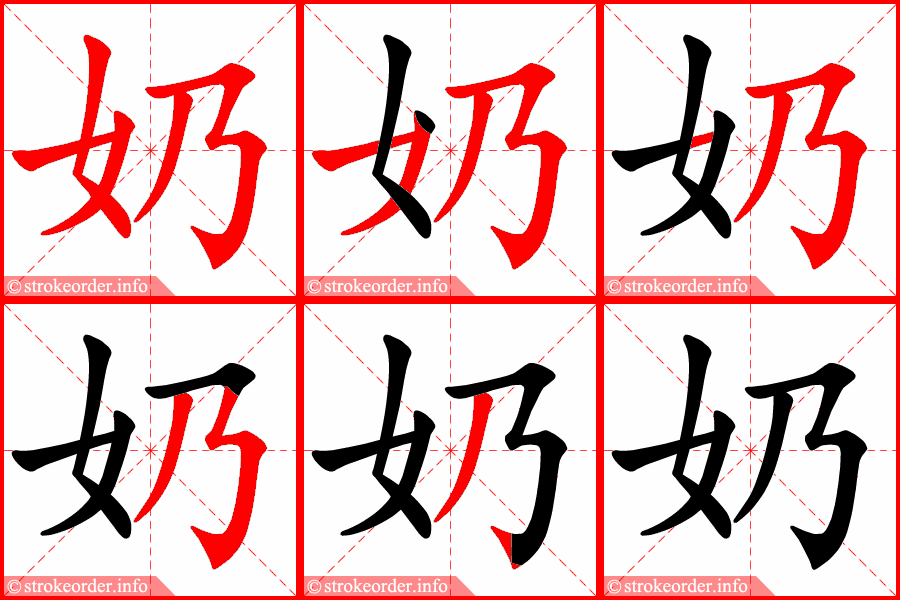
7) 牛奶niúnǎi/leche/milk

点击放大/clic para ampliar/click to enlarge

中文/Chino/Chinese

西班牙语/Español/Spanish

英语/inglés/English
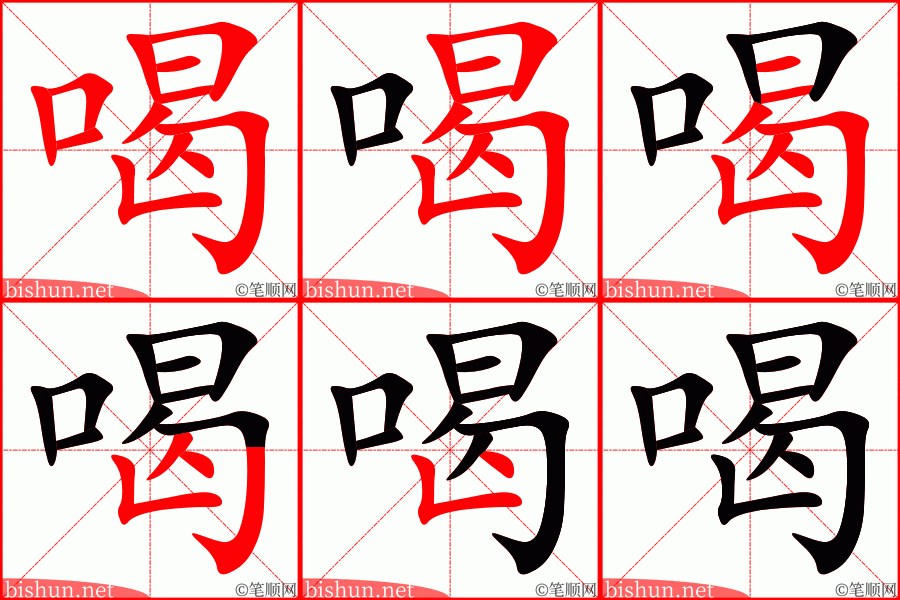

8) Hǎo妈妈māma/Buena mamá/Good mother

点击放大/clic para ampliar/click to enlarge

中文/Chino/Chinese

西班牙语/Español/Spanish

英语/inglés/English


** //Caracteres/Characters **

(/veces/times:1,2,3,4,5,6,7,8,9)

, , ,

了解更多信息,请点击汉字。 Para más información clik en el Hanzi. For more information, click on the Hanzi.

汉字的音频/Audio de los Hanzi/Audio of the Hanzi


** 词汇/cí huì/Vocabulario/Vocabulary **

AVI: 词汇/Vocabulario/Vocabulary

中文/Chino/Chinese

西班牙语/Español/Spanish

英语/inglés/English
AVI: 听与重复/Escucha y repite/Listen and repeat

1) 牛奶niúnǎi/Yo bebo leche/I drink milk
2) 什么shénme/¿Qué bebes?/What do you drink?
3) 果汁Guǒzhī/Zumo (o jugo)/Juice
4) Chá//Tea
5) 咖啡Kāfēi/Café/Coffee
6) Shuǐ/Agua/Water
7) 牛奶niúnǎi/leche/milk
8) Hǎo妈妈māma/Buena mamá/Good mother
📝 评论 / Comentarios / Comments
1. 语法结构: 这组词汇是表达口渴和饮料偏好的基础。句型非常简单,与上一课完全相同:主语 + 动词(喝 - hē) + 宾语。提问时,我们只需用疑问词 ‘什么’ (shénme) 替换饮料名称,就变成了’你喝什么?’
2. 文化注释: 值得注意的是 ‘茶’ (chá) 的文化重要性,它是中国最经典的传统饮品,拥有悠久的历史和茶道文化。此外,在中国提到 ‘水’ (shuǐ) 时,通常指的是热水或温水,因为喝热水是中国人为了养生而根深蒂固的日常习惯。
3. 家庭观念: 最后,出自儿歌的 ‘好妈妈’ (Hǎo māma) 一词,不仅表达了亲情,更是向孩子们传递同理心和孝道(照顾和尊敬父母的美德)的重要途径。
1. Estructura gramatical: Este vocabulario es la base para expresar sed y preferencias de bebidas. La estructura es muy sencilla y exactamente igual a la de la lección anterior: Sujeto + Verbo (喝 - hē, beber) + Objeto. Para preguntar, simplemente sustituimos la bebida por la palabra interrogativa 什么 (shénme - qué) , formando ‘你喝什么?’.
2. Notas culturales: Es muy interesante notar la importancia del ‘té’ (茶 - chá) , que es la bebida tradicional por excelencia en China, con una ceremonia y una historia milenarias. Además, cuando hablamos de ‘agua’ (水 - shuǐ) en China, a menudo se asume que es agua caliente o tibia, ya que beber agua caliente es una costumbre diaria muy arraigada por sus beneficios para la salud.
3. Valores familiares: Finalmente, la frase ‘好妈妈’ (Hǎo māma - buena mamá) , extraída de la canción infantil, no solo es una expresión afectuosa, sino un vehículo para enseñar a los niños la empatía y la piedad filial (el deber de cuidar y respetar a los padres) .
1. Grammar structure: This vocabulary is the foundation for expressing thirst and drink preferences. The structure is very simple and exactly the same as in the previous lesson: Subject + Verb (喝 - hē, to drink) + Object. To ask a question, we simply replace the drink with the question word 什么 (shénme - what) , forming ‘你喝什么?’.
2. Cultural notes: It is very interesting to note the cultural importance of ‘tea’ (茶 - chá) , which is the quintessential traditional drink in China, with a millennium-old history and tea ceremony. Furthermore, when talking about ‘water’ (水 - shuǐ) in China, it is often assumed to be hot or warm water, as drinking hot water is a deeply rooted daily habit for its health benefits.
3. Family values: Finally, the phrase ‘好妈妈’ (Hǎo māma - good mother) , taken from the nursery rhyme, is not only an affectionate expression but also a way to teach children empathy and filial piety (the duty to care for and respect parents) .


** 目录/mù lù/Indice de la página/Table of contents **
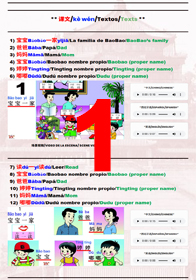
课文/Textos/Texts
词汇/Vocabulario/Vocabulary
补充材料/Materiales adicionales/Additional Materials

PDF与视频/PDF y videos/PDF and Videos
边玩边学/Aprenda jugando/Learn by Playing
学习西班牙语/Aprenda Español/Learn Spanish

Loading

Páginas: 1 2 3 4 5 6