** 10_数一数/shǔ yi shǔ/Contar/Count **
** 跟宝宝学西班牙语/Gēn bǎobǎo xué xībānyá yǔ/Aprenda Español con Baobao/Learn Spanish with Baobao **
BaoBao 的材料使用 3种语言 ( 中文/西班牙语/英语) 编写,专为让西班牙和英国的儿童以 轻松有趣 的方式学习中文而设计。但它们也适合年龄较大的中国孩子和 成人 学习英语,特别是西班牙语,为此我们将在这些页面中提供 专属材料。
Los materiales de BaoBao están escritos en 3 idiomas ( chino/español/inglés) , pensados especialmente para que los niños españoles e ingleses aprendan chino de forma amena y divertida. Pero también sirven para que niños mayores y adultos de nacionalidad china aprendan inglés y, especialmente, español, para lo cual en estas páginas pondremos materiales específicos para ello.
The BaoBao materials are written in 3 languages ( Chinese/Spanish/English) , specially designed for Spanish and English children to learn Chinese in a fun and enjoyable way. But they are also useful for older Chinese children and adults to learn English and, especially, Spanish, for which we will include specific materials on these pages.
Lección 09 / 第九课
La letra O
字母 O · 第一课** 词汇/cíhuì/Vocabulario/Vocabulary **
** 书法/shūfǎ/Caligrafía/Calligraphy **
Trazos para la o
** 歌曲/gēqǔ/Canción/Song **
** 发音/fāyīn/Pronunciación/Pronunciation **
** 测验/cèyàn/Quiz/Quiz **
** 城市/chéngshì/Ciudades/cities **


Lección 10 / 第十课
La letra 你好
字母 你好 · 第一课Aprenda también Español con Baobao/也和宝宝一起学习西班牙语吧!
你nǐ好hǎo/Hola/Hello
** 词汇/cíhuì/Vocabulario/Vocabulary **
** 歌曲/gēqǔ/Canción/Song **
** 测验/cèyàn/Quiz/Quiz **
** 书法/shūfǎ/Caligrafía/Calligraphy **
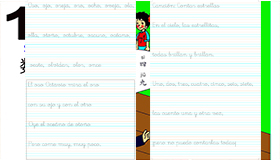
PDF: 书法练习/Caligrafia/Handwriting practice
▶ 📝 评论 / Comentarios / Comments
最圆润纯粹的元音:对于母语为中文的学生来说,字母 O 需要特别注意。必须强调它是一个稳定的声音,绝不能发成双元音’ou’。让孩子们把嘴唇收成一个完美的圆圈,这是一个非常有效的身体记忆技巧。
2. 高度视觉化的词汇:为这个字母选择的单词,如 Oso (熊) 、Ola (海浪) 和 Ojo (眼睛) ,都非常简短、容易发音且极具画面感,这极大地降低了记忆难度。
3. 第十课评论 (数一数与日常食物)
有趣的数学应用:学会 Contar (数一数) 是一个重要的里程碑。本课带领学生超越了对 Cinco (五) 、Ocho (八) 和 Diez (十) 等数字的简单机械记忆,将它们与 Globos (气球) 等有形且吸引人的物品直接联系起来。
4. 日常词汇与饮食:引入像 Huevo (鸡蛋) 、Plátano (香蕉) 和 Zanahoria (胡萝卜) 这样的基本食物,将语言学习与孩子们的日常生活紧密结合。这是家长在家里用餐时可以随时复习的完美词汇。
5. 常规与秩序:Hacer fila (排排队) 这个表达在任何教育或群体游戏环境中都是必不可少的指令。教授这类实用短语有助于孩子们在社交和学校环境中更好地互动。
La vocal más redonda y pura: La letra O requiere una atención especial para los estudiantes chinos. Es crucial insistir en que es un sonido estable y que no debe transformarse en el diptongo ‘ou’. Pedir a los niños que pongan los labios en forma de círculo perfecto es una técnica física y fonética muy efectiva.
2. Vocabulario muy visual: Las palabras elegidas para esta letra, como el Oso (熊) , la Ola (海浪) y el Ojo (眼睛) , son cortas, fáciles de pronunciar y evocan imágenes muy claras, lo que facilita enormemente su retención.
3. Comentario de la Lección 10 (Contar y comida diaria)
Matemáticas prácticas: La habilidad de Contar (数一数) es un hito fundamental. Esta lección lleva a los alumnos más allá de la simple memorización de números como el Cinco, el Ocho y el Diez, asociándolos directamente con objetos tangibles y atractivos como los Globos (气球) .
4. Vocabulario cotidiano y alimentación: Introducir alimentos básicos como el Huevo (鸡蛋) , el Plátano (香蕉) y la Zanahoria (胡萝卜) conecta el aprendizaje del idioma con la vida diaria de los niños. Es el vocabulario perfecto para que los padres lo practiquen en casa durante las comidas.
5. Rutinas y orden: La expresión Hacer fila (排排队) es indispensable en cualquier entorno educativo o de juego grupal. Enseñar este tipo de instrucciones prácticas ayuda a los niños a desenvolverse mejor en situaciones sociales y escolares.
The roundest and purest vowel: The letter O requires special attention for native Chinese speakers. It is crucial to insist that it is a stable sound and must not be transformed into the diphthong ‘ou’. Asking children to shape their lips into a perfect circle is a very effective physical and phonetic technique.
2. Highly visual vocabulary: The words chosen for this letter, such as Oso (Bear) , Ola (Wave) , and Ojo (Eye) , are short, easy to pronounce, and evoke very clear images, which greatly facilitates retention.
3. Commentary for Lesson 10 (Counting and everyday food)
Practical math: The ability to Contar (Count) is a fundamental milestone. This lesson takes students beyond the simple memorization of numbers like Cinco (Five) , Ocho (Eight) , and Diez (Ten) , linking them directly with tangible and appealing objects like Globos (Balloons) .
4. Everyday vocabulary and food: Introducing basic foods such as the Huevo (Egg) , the Plátano (Banana) , and the Zanahoria (Carrot) connects language learning with children's daily lives. It is the perfect vocabulary for parents to practice at home during meals.
5. Routines and order: The expression Hacer fila (Line up) is indispensable in any educational or group play setting. Teaching these types of practical instructions helps children navigate social and school situations better.
** 目录/mù lù/Indice de la página/Table of contents **
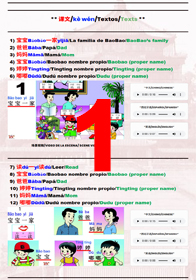
课文/Textos/Texts
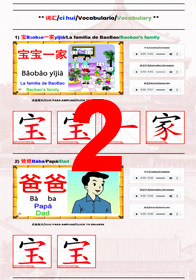
词汇/Vocabulario/Vocabulary
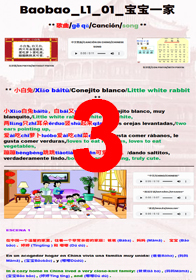
补充材料/Materiales adicionales/Additional Materials

PDF与视频/PDF y videos/PDF and Videos
边玩边学/Aprenda jugando/Learn by Playing
学习西班牙语/Aprenda Español/Learn Spanish
