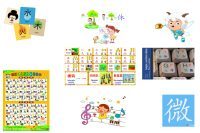
** 10_数一数/shǔ yi shǔ/Contar/Count **

点击放大/clic para ampliar/click to enlarge

点击放大/clic para ampliar/click to enlarge

AVI: 词汇/Vocabulario/Vocabulary
** 词汇/cí huì/Vocabulario/Vocabulary **
1) 数shǔ一yi数shǔ/Contar/Count

点击放大/clic para ampliar/click to enlarge
中文/Chino/Chinese
西班牙语/Español/Spanish
英语/inglés/English
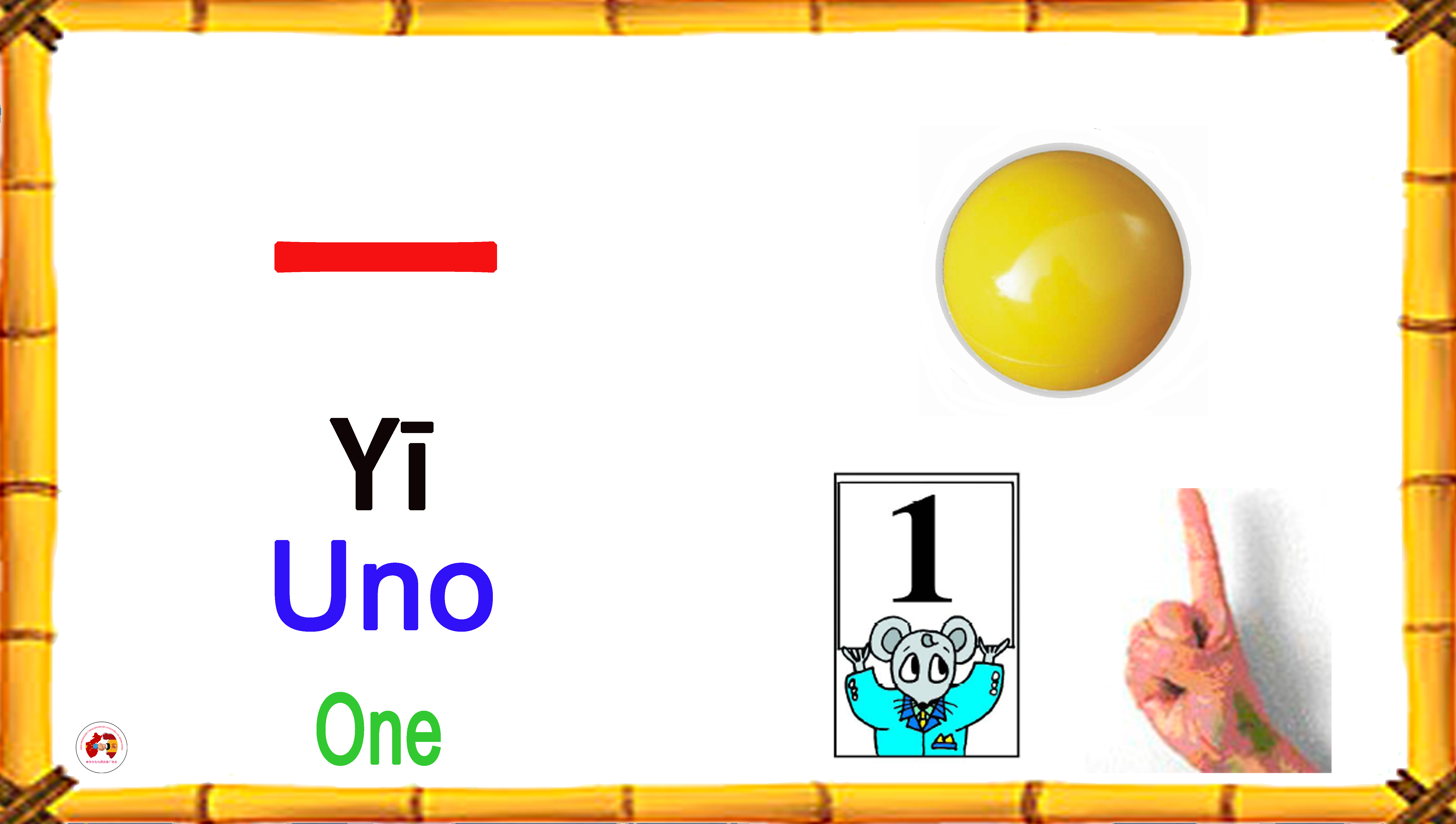
2) 一yī/Uno/One
点击放大/clic para ampliar/click to enlarge
中文/Chino/Chinese
西班牙语/Español/Spanish
英语/inglés/English
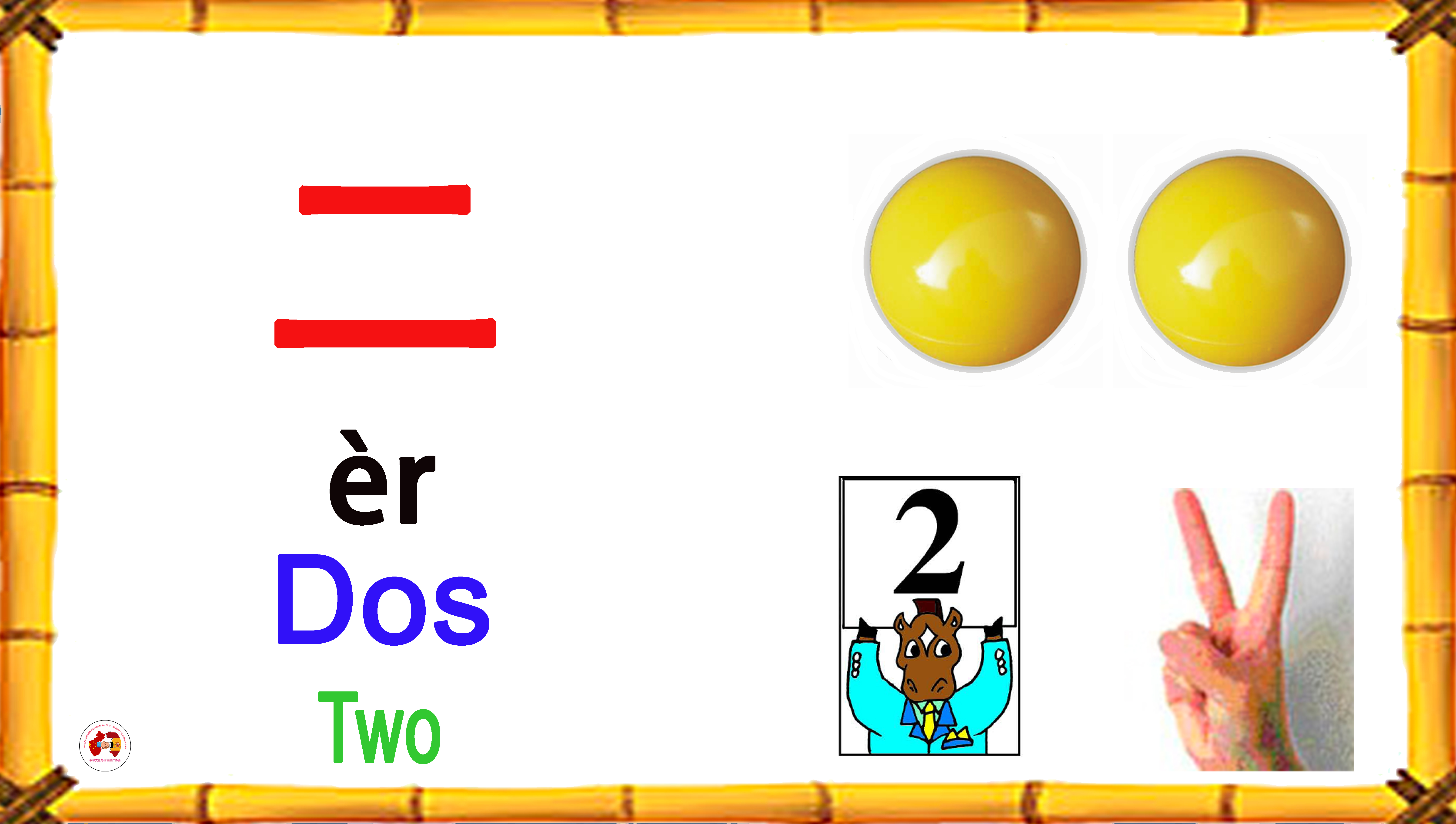
3) 二èr/Dos/Two
点击放大/clic para ampliar/click to enlarge
中文/Chino/Chinese
西班牙语/Español/Spanish
英语/inglés/English
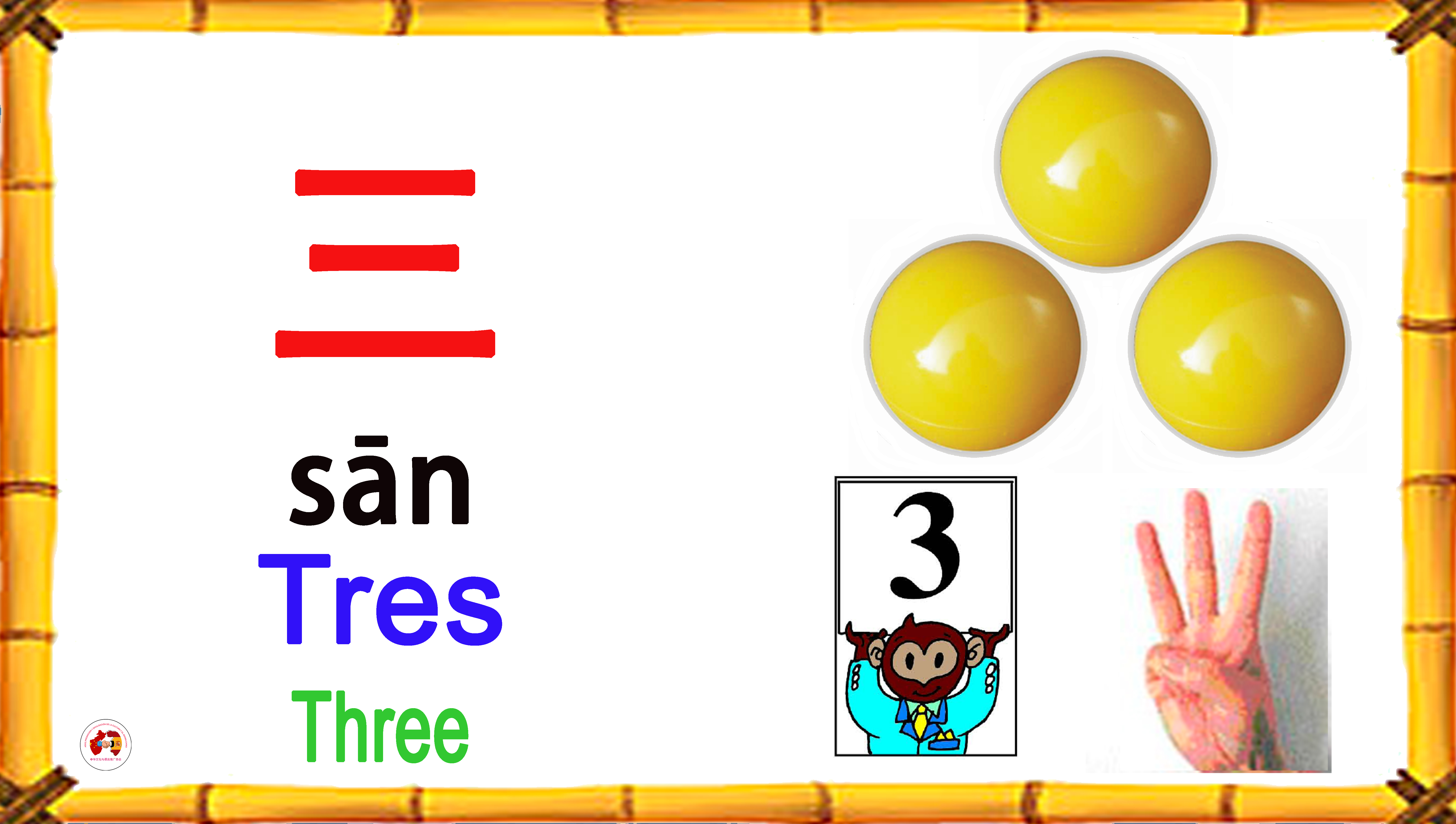
4) 三sān/Tres/Three
点击放大/clic para ampliar/click to enlarge
中文/Chino/Chinese
西班牙语/Español/Spanish
英语/inglés/English
5) 四sì/Cuatro/Four
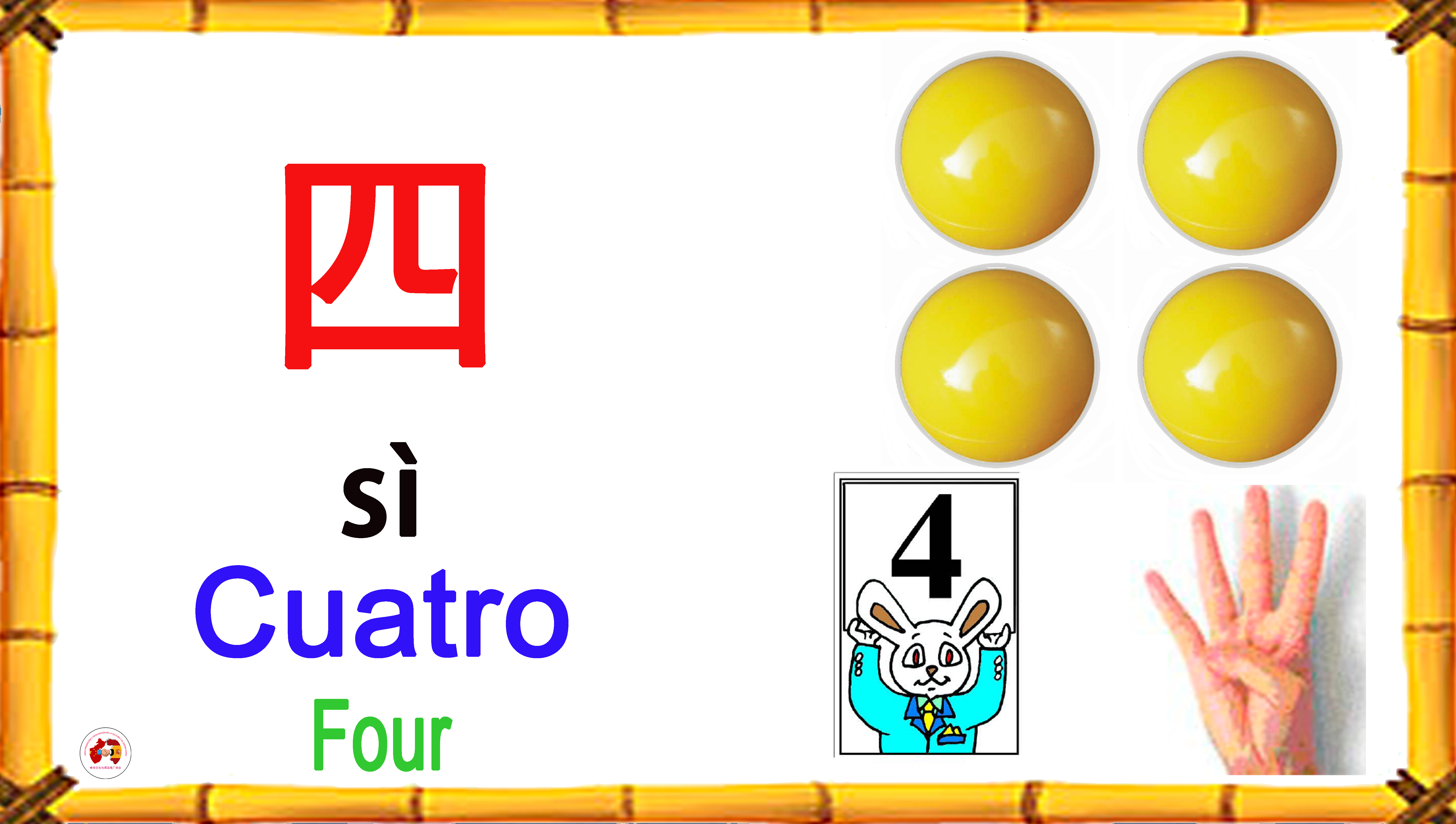
点击放大/clic para ampliar/click to enlarge
中文/Chino/Chinese
西班牙语/Español/Spanish
英语/inglés/English
6) 五wǔ/Cinco/Five
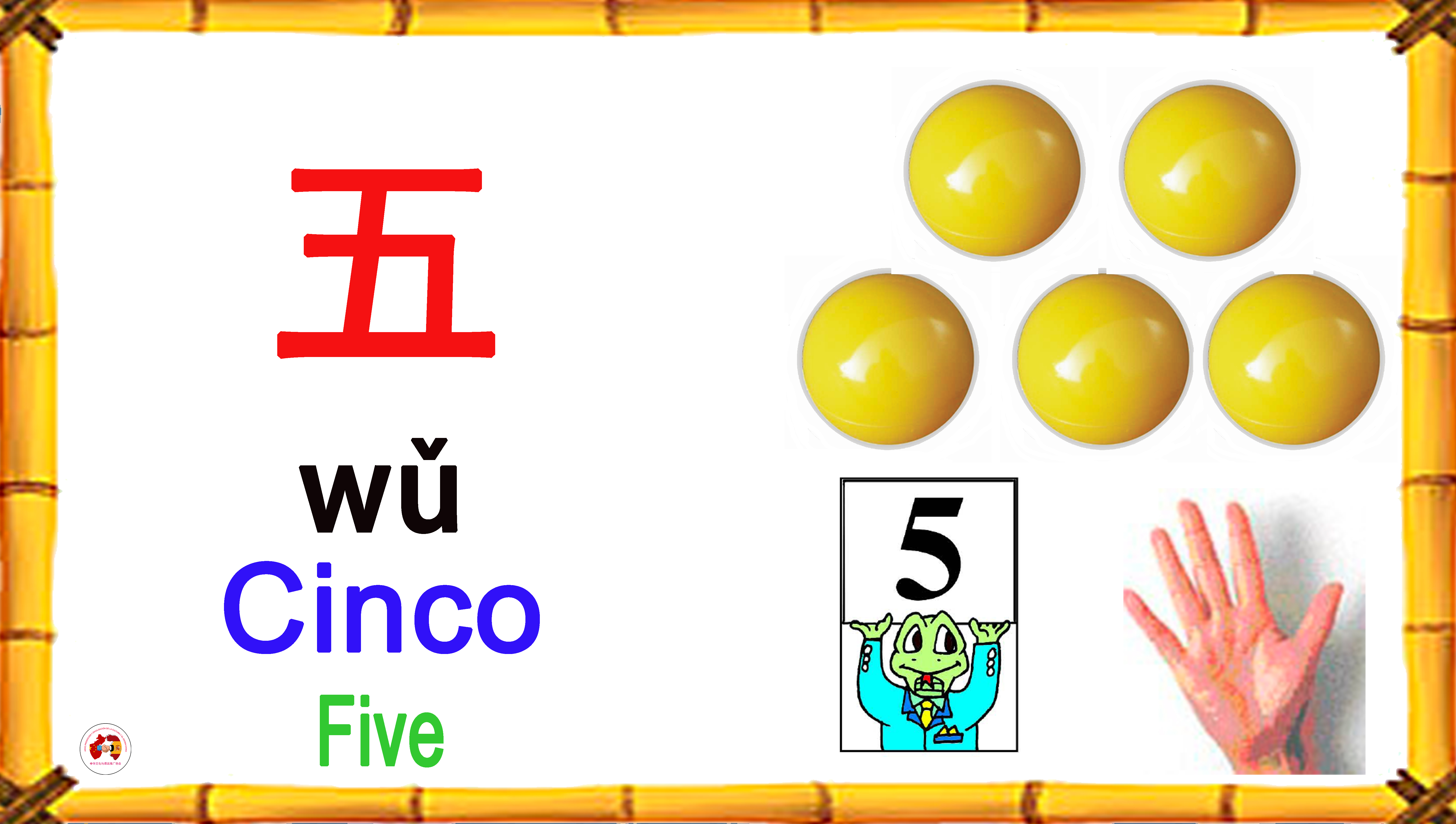
点击放大/clic para ampliar/click to enlarge
中文/Chino/Chinese
西班牙语/Español/Spanish
英语/inglés/English
7) 六liù/Seis/Six
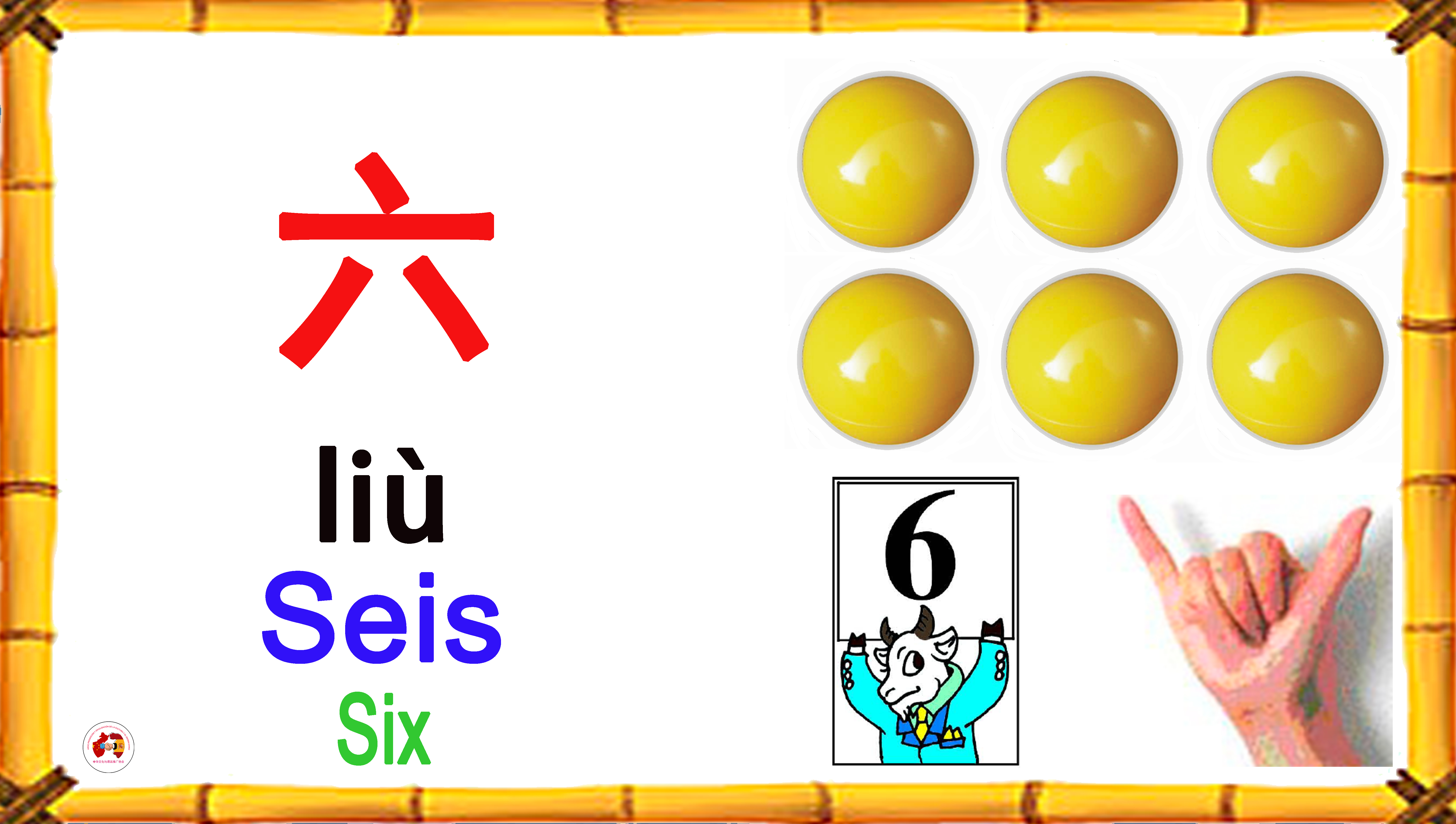
点击放大/clic para ampliar/click to enlarge
中文/Chino/Chinese
西班牙语/Español/Spanish
英语/inglés/English
8) 七qī/Siete/Seven
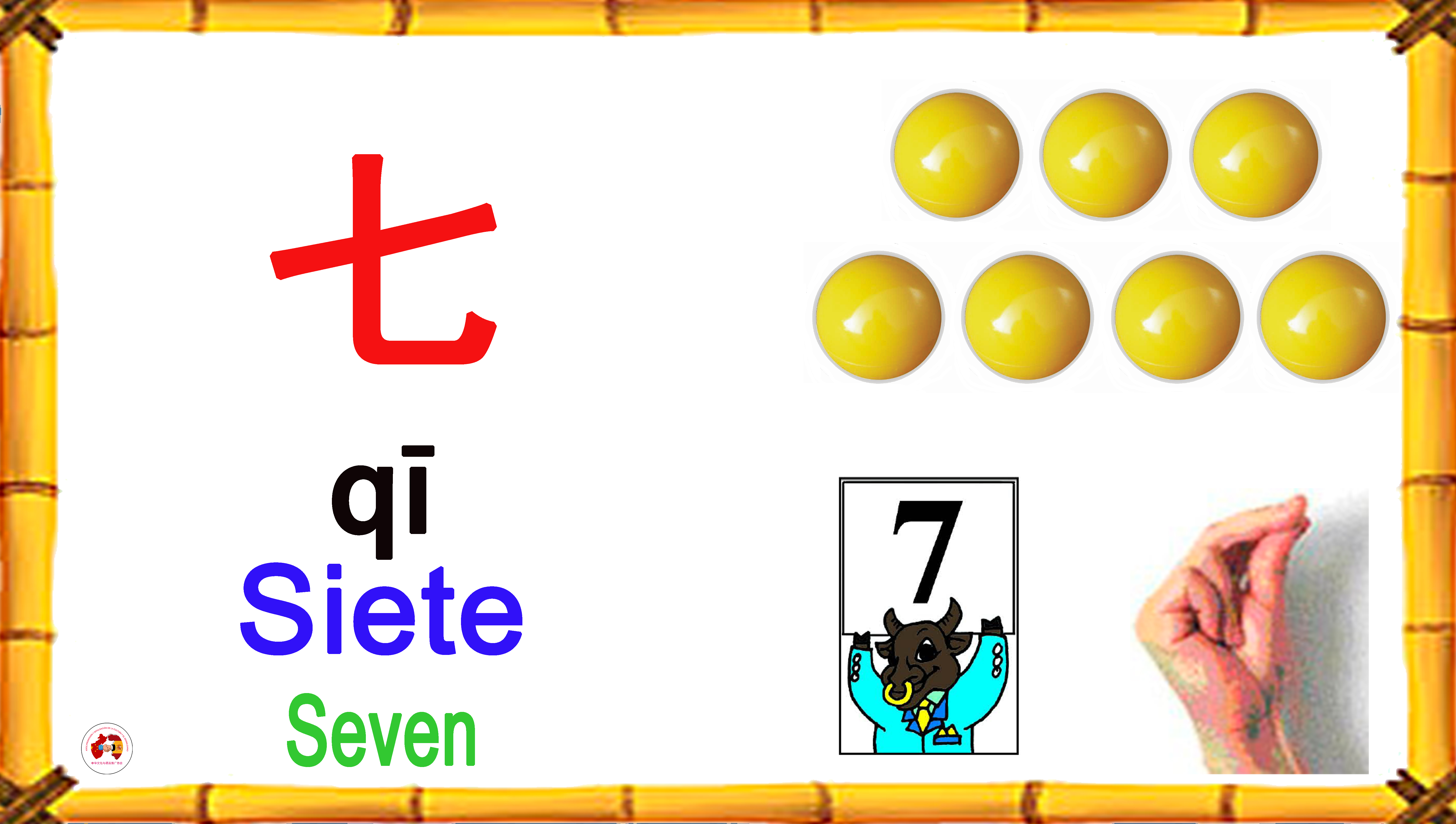
点击放大/clic para ampliar/click to enlarge
中文/Chino/Chinese
西班牙语/Español/Spanish
英语/inglés/English
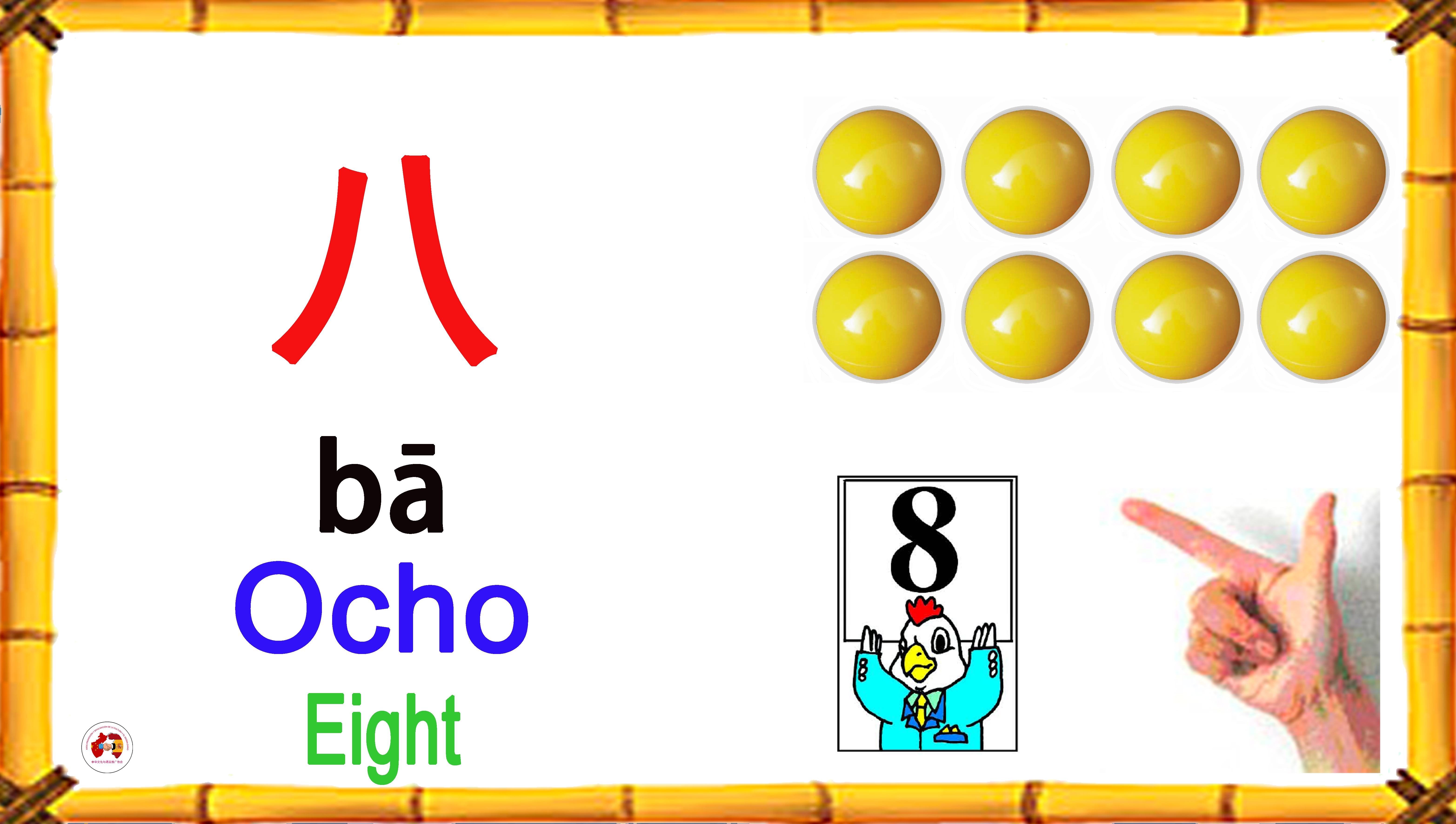
9) 八bā/Ocho/Eight
点击放大/clic para ampliar/click to enlarge
中文/Chino/Chinese
西班牙语/Español/Spanish
英语/inglés/English
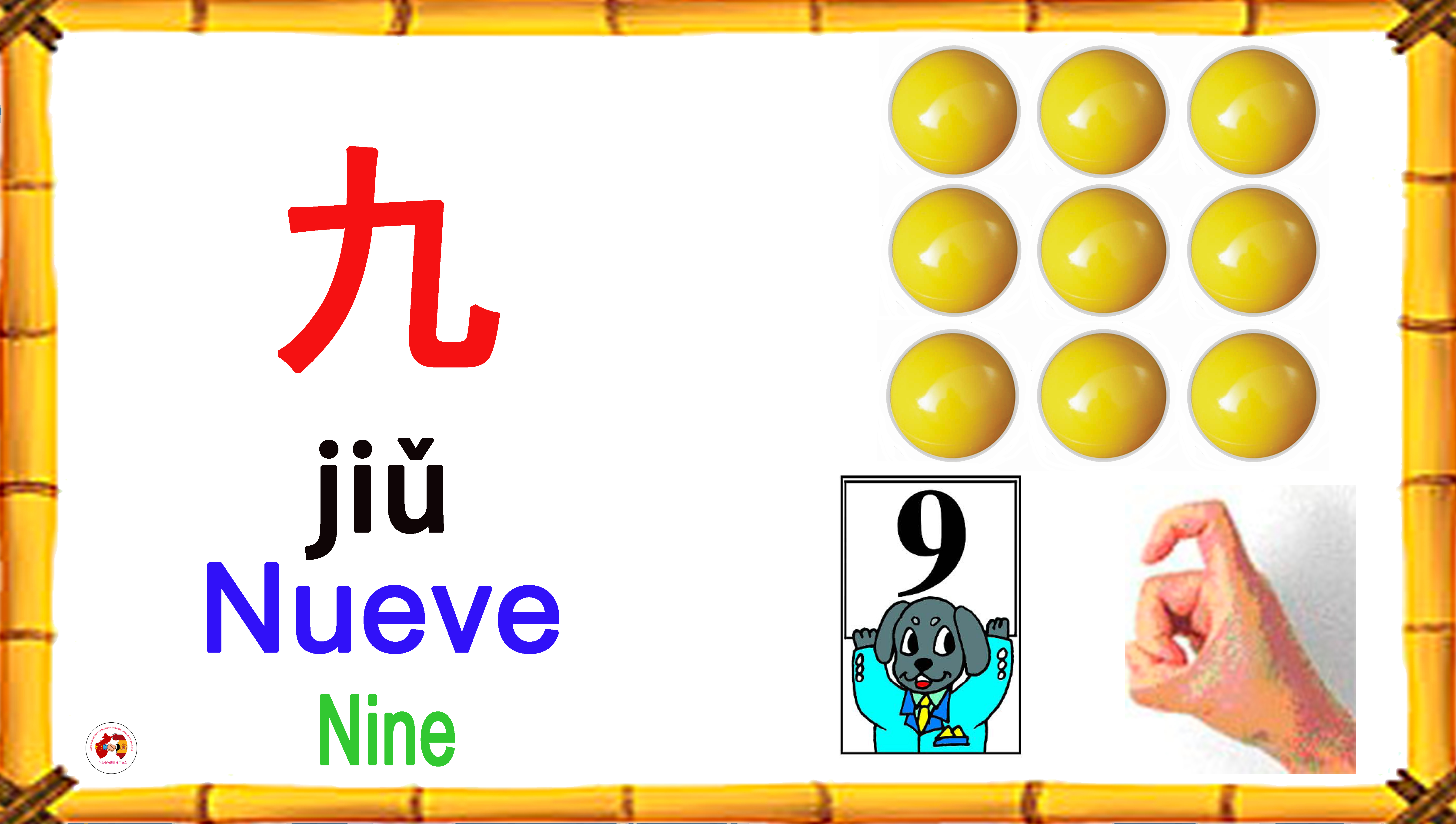
10) 九jiǔ/Nueve/Nine
点击放大/clic para ampliar/click to enlarge
中文/Chino/Chinese
西班牙语/Español/Spanish
英语/inglés/English
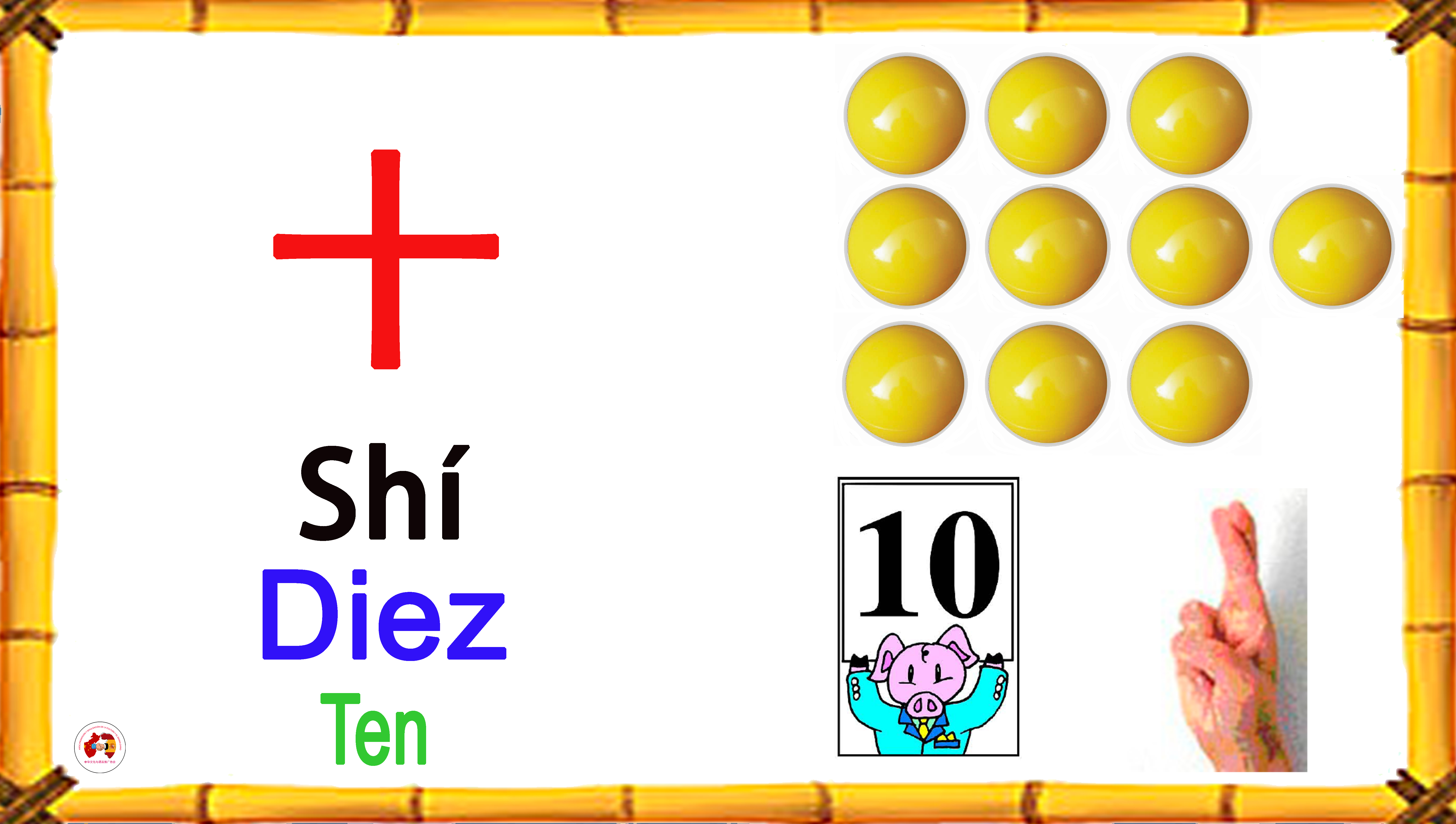
11) 十shí/Diez/Ten
点击放大/clic para ampliar/click to enlarge
中文/Chino/Chinese
西班牙语/Español/Spanish
英语/inglés/English
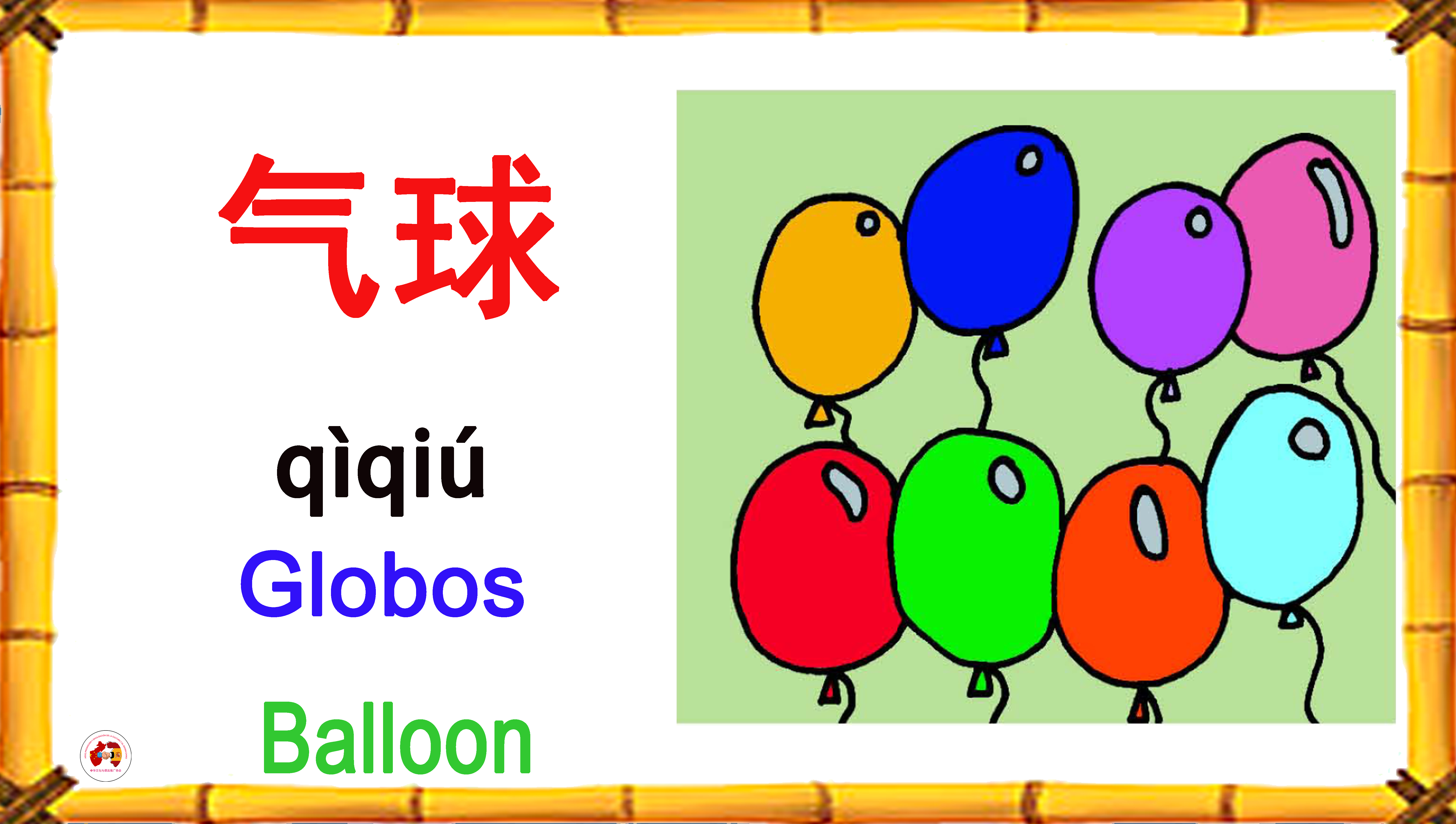
12) 气球qìqiú/Globo(s)/Balloon(s)
点击放大/clic para ampliar/click to enlarge
中文/Chino/Chinese
西班牙语/Español/Spanish
英语/inglés/English
13) 鸡蛋jīdàn/Huevo(s)/Egg(s)
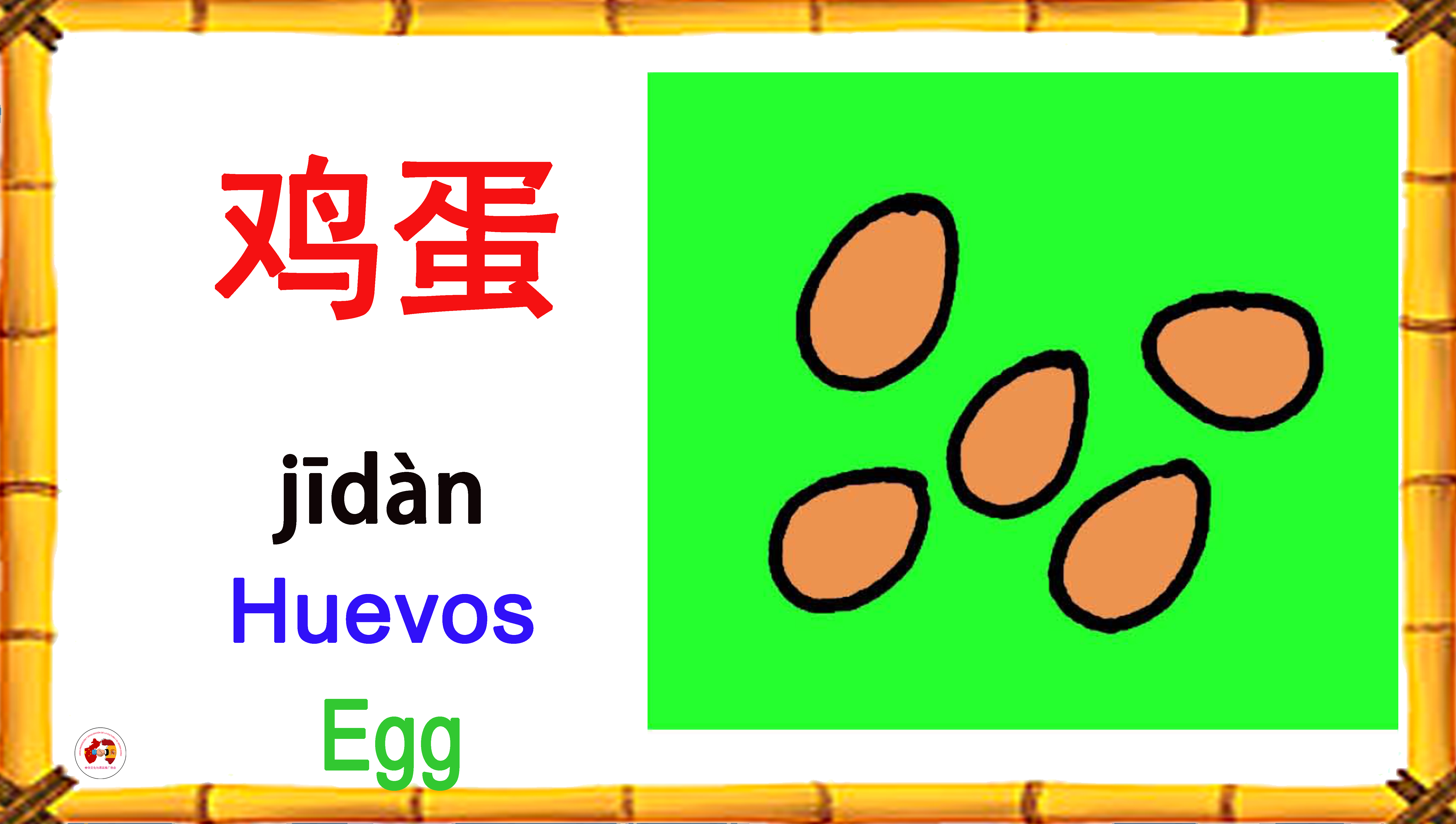
点击放大/clic para ampliar/click to enlarge
中文/Chino/Chinese
西班牙语/Español/Spanish
英语/inglés/English
14) 香蕉xiāngjiāo/Plátano(s), Banana(s)/Banana(s)
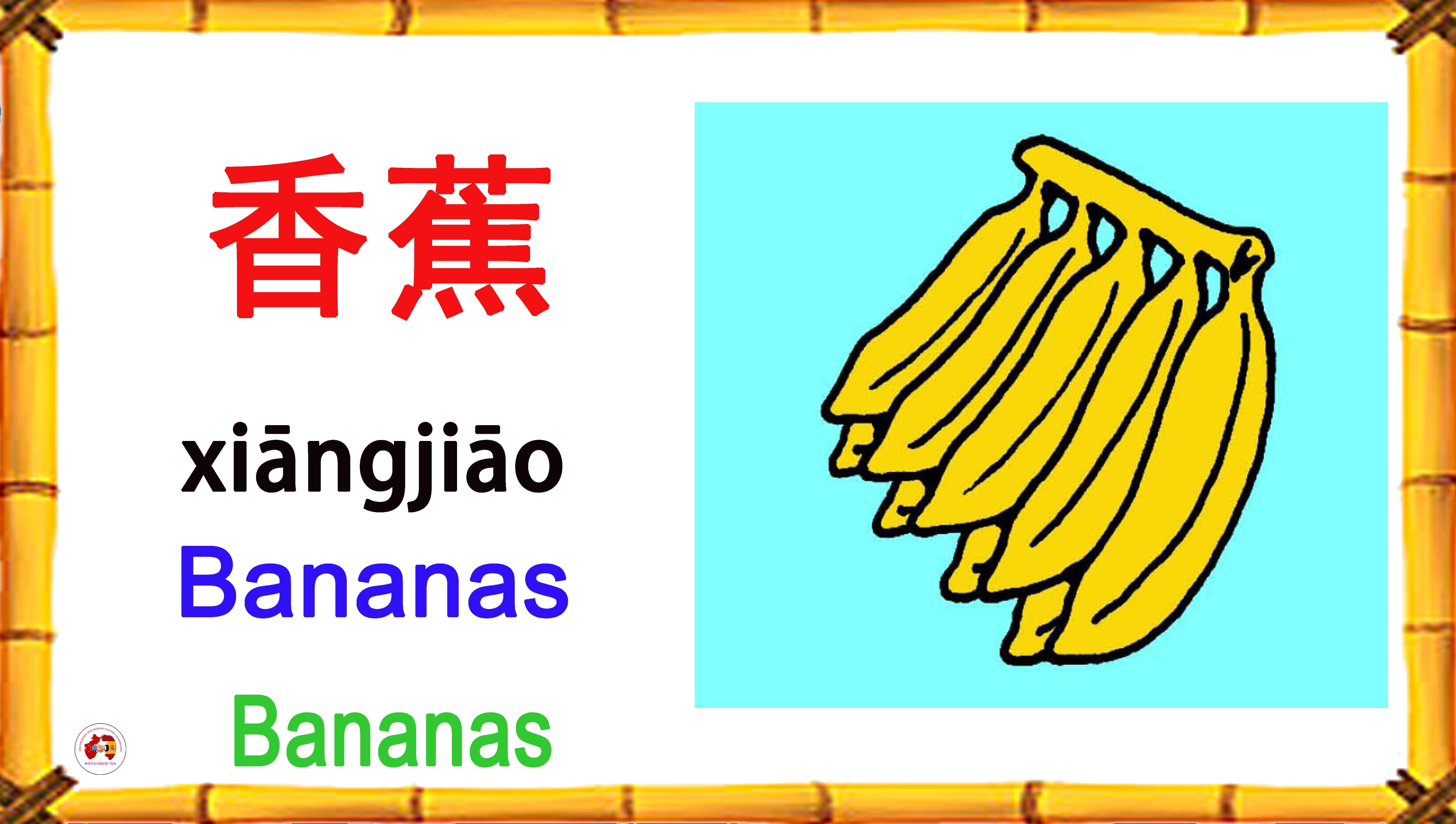
点击放大/clic para ampliar/click to enlarge
中文/Chino/Chinese
西班牙语/Español/Spanish
英语/inglés/English
15) 胡萝卜húluóbo/Zanahoria(s)/Carrot(s)
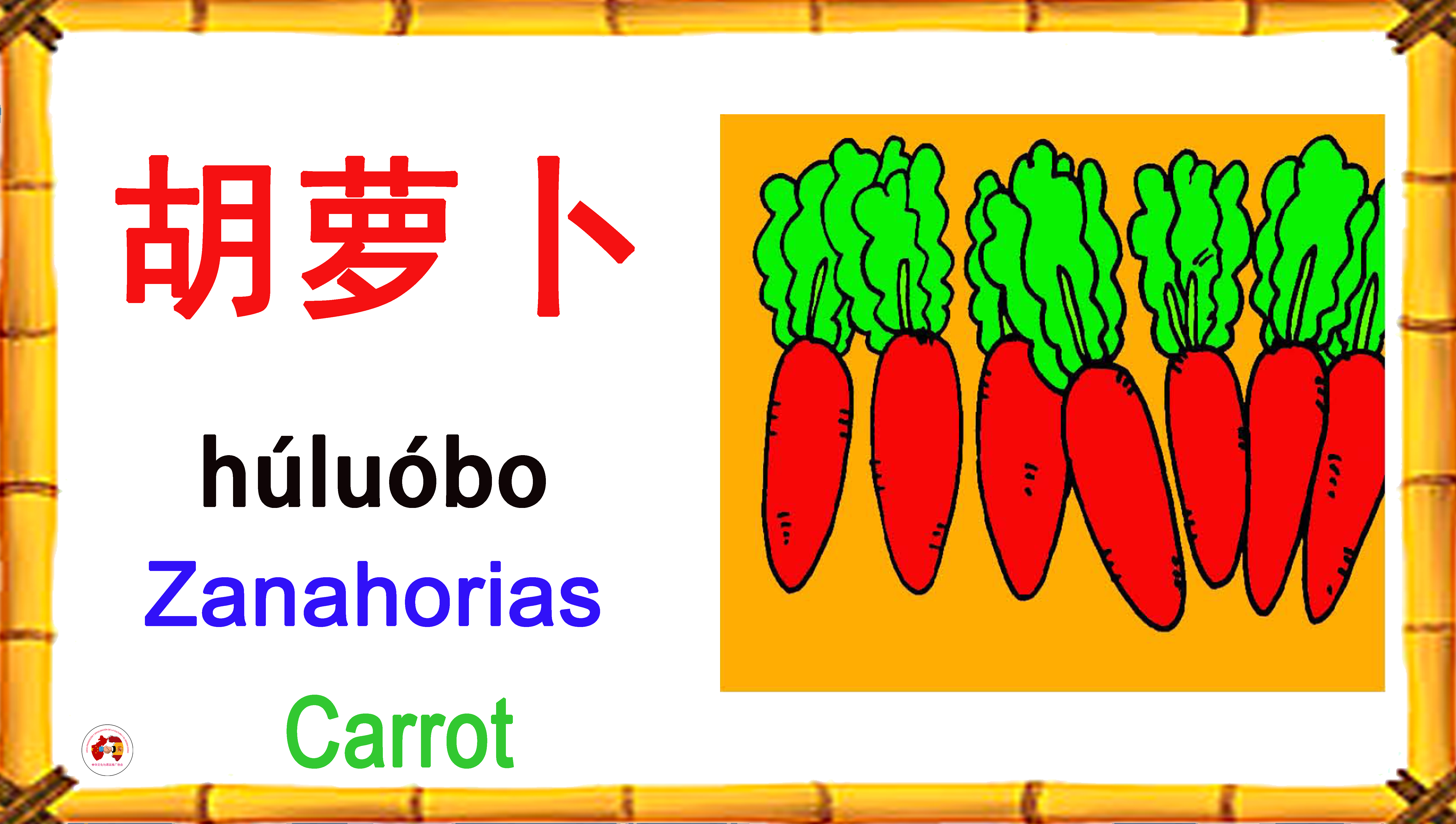
点击放大/clic para ampliar/click to enlarge
中文/Chino/Chinese
西班牙语/Español/Spanish
英语/inglés/English
16) 横钩hénggōu/Trazo horizontal con gancho/Horizontal hook stroke
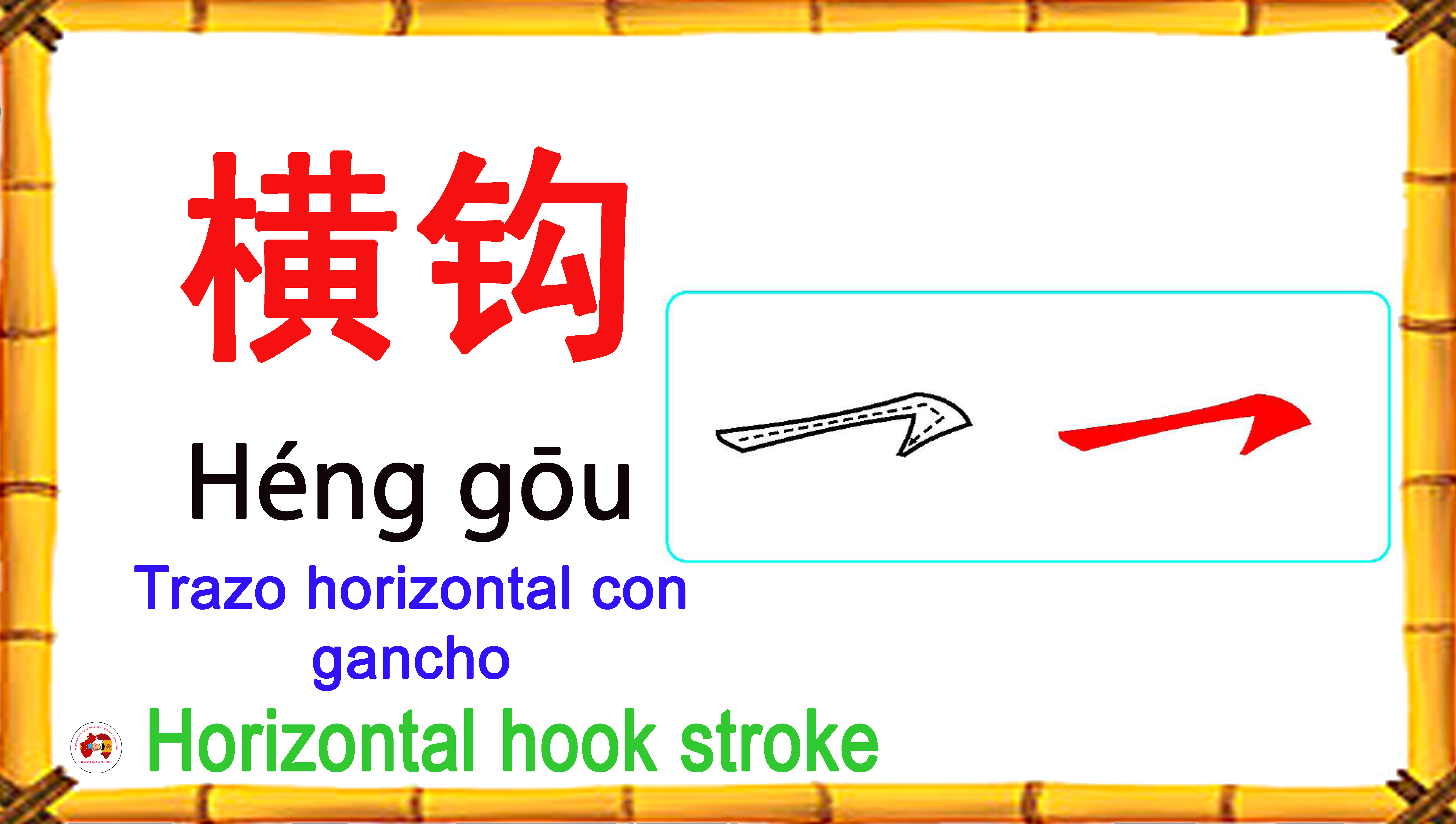
点击放大/clic para ampliar/click to enlarge
中文/Chino/Chinese
西班牙语/Español/Spanish
英语/inglés/English
** 部首/bù shǒu/Radical/Radical **
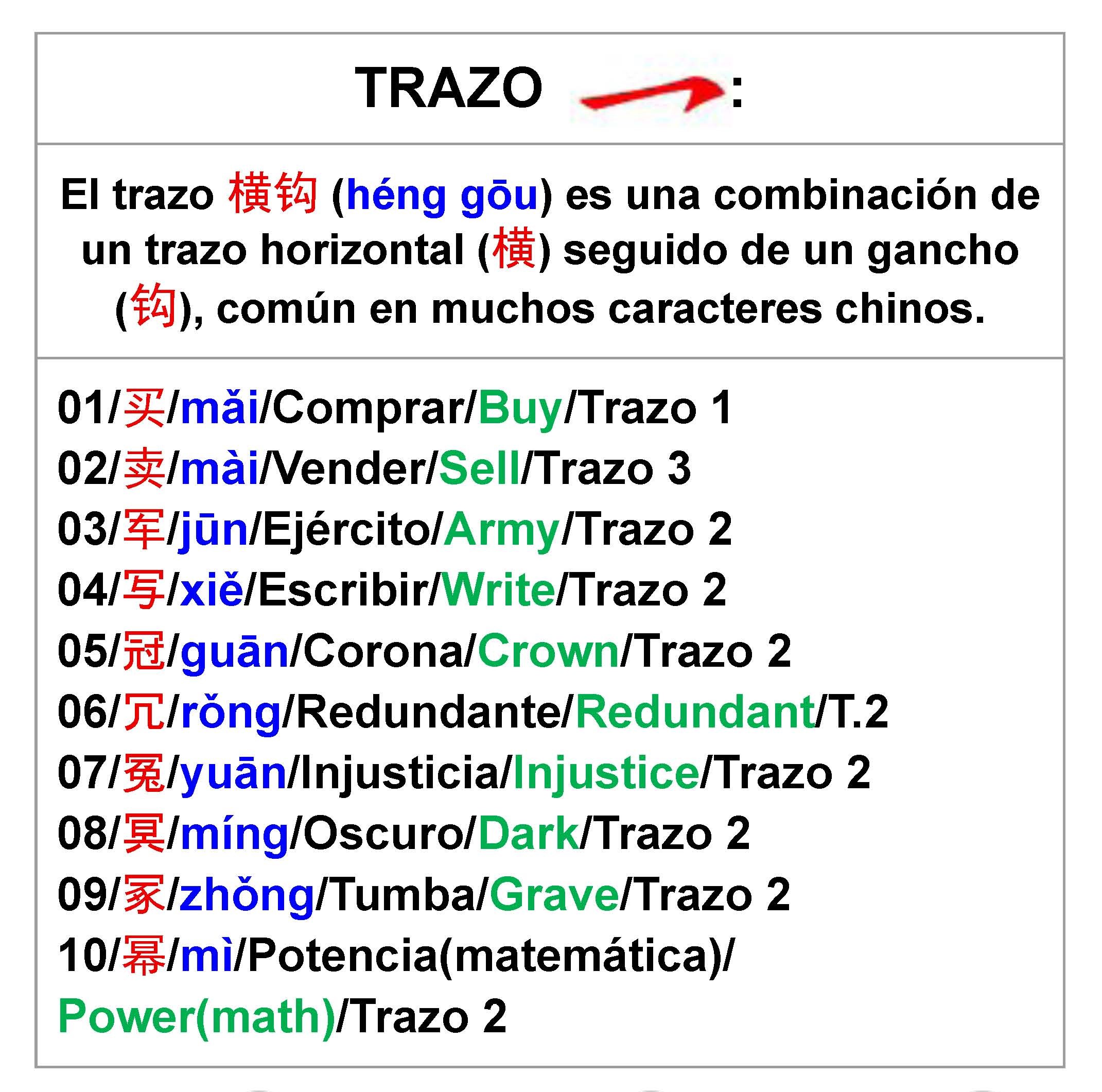
点击放大/clic para ampliar/click to enlarge
中文
Español
English
▶ 📝 评论 / Comentarios / Comments
2. 汉字的“屋顶”: 这个笔画经常出现在汉字的顶部,就像一个盖子或屋顶,保护着下面的部件。它是“秃宝盖” (冖) 和“宝盖头” (宀) 等偏旁部首的关键元素。
3. 钩的方向: 与之前学的竖钩不同,这里的钩指向左下方,仿佛想要“拥抱”或包住它下方的元素(正如我们在 “写” 或 “买” 这两个字中看到的)。
4. 笔顺规则(从上到下): 因为它通常位于顶部,根据 “从上到下” (cóng shàng dào xià) 的普遍书法规则,这个笔画通常在汉字书写的最早几个步骤中完成。
2. El ‘tejado’ de los caracteres: Este trazo se encuentra muy a menudo en la parte superior de los caracteres, funcionando como una tapa o un techo que protege a los componentes inferiores. Es el elemento clave en radicales como el ‘techo’ (冖) o el ‘techo con chimenea’ (宀) .
3. Dirección del gancho: A diferencia del gancho vertical que vimos antes, aquí el gancho apunta hacia abajo y a la izquierda, como si quisiera ‘abrazar’ o contener los elementos que están debajo de él (como vemos en los caracteres 写 - escribir o 买 - comprar ).
4. Regla del orden (de arriba hacia abajo): Como este trazo suele colocarse en la parte superior, por la regla general de caligrafía de ‘de arriba hacia abajo’ (从上到下 - cóng shàng dào xià), se escribe casi siempre en los primeros pasos de la formación del carácter.
2. The ‘roof’ of characters: This stroke is very often found at the top of characters, acting as a lid or a roof that protects the components below. It is the key element in radicals like the ‘roof’ (冖) or the ‘roof with a chimney’ (宀) .
3. Direction of the hook: Unlike the vertical hook we saw earlier, here the hook points down and to the left, as if wanting to ‘hug’ or contain the elements below it (as seen in characters like 写 - to write or 买 - to buy ).
4. Stroke order rule (top to bottom): Because this stroke is usually placed at the top, following the general calligraphy rule of ‘top to bottom’ (从上到下 - cóng shàng dào xià), it is almost always written in the first few steps of forming the character.
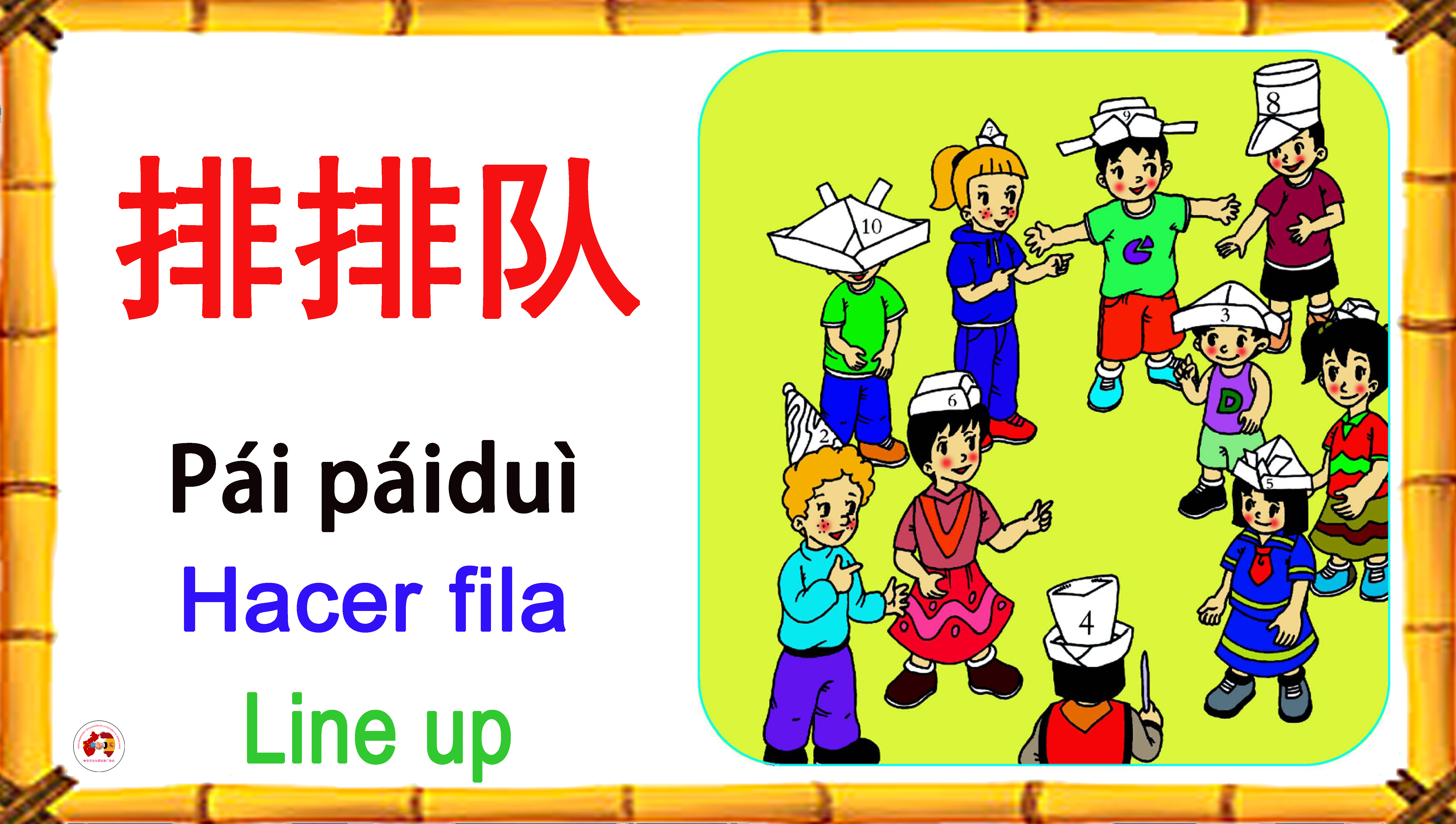
17) 排pái排队páiduì/Hacer fila/Line up
点击放大/clic para ampliar/click to enlarge
中文/Chino/Chinese
西班牙语/Español/Spanish
英语/inglés/English
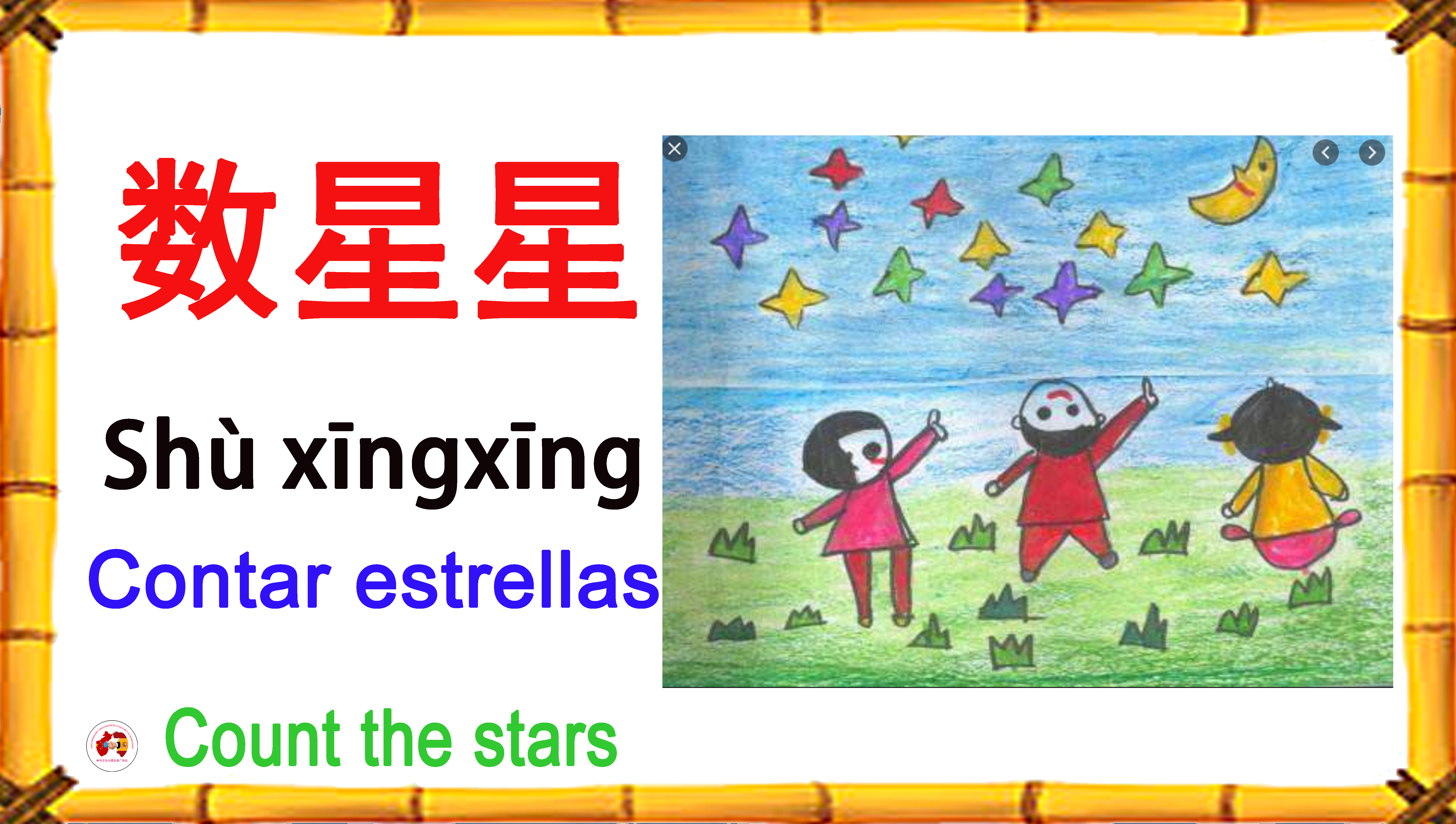
18) 数shù星星xīngxīng/Contar estrellas/Count the stars
点击放大/clic para ampliar/click to enlarge
中文/Chino/Chinese
西班牙语/Español/Spanish
英语/inglés/English
** 字/zì/Caracteres/Characters **
(次/veces/times:1,2,3,4,5,6,7,8,9)
了解更多信息,请点击汉字。 Para más información clik en el Hanzi. For more information, click on the Hanzi.
汉字的音频/Audio de los Hanzi/Audio of the Hanzi
** 词汇/cí huì/Vocabulario/Vocabulary **
AVI: 词汇/Vocabulario/Vocabulary
中文/Chino/Chinese
西班牙语/Español/Spanish
英语/inglés/English

AVI: 听与重复/Escucha y repite/Listen and repeat
** 目录/mù lù/Indice de la página/Table of contents **
课文/Textos/Texts
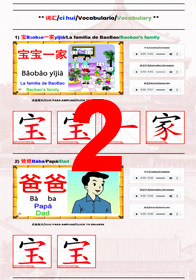
词汇/Vocabulario/Vocabulary
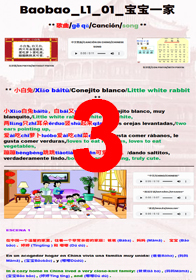
补充材料/Materiales adicionales/Additional Materials

PDF与视频/PDF y videos/PDF and Videos
边玩边学/Aprenda jugando/Learn by Playing
学习西班牙语/Aprenda Español/Learn Spanish
