** 10_数一数 / shǔ yi shǔ / Contar / Count **
** 额外内容 / Contenido adicional / Additional Content **
** 歌曲 / gē qǔ / Canción / song **
无拼音/Sin pinyin/Without pinyin
中文歌曲/Canción en chino/Chinese song
有拼音/Con pinyin/With pinyin
** 数星星 / shù xīngxīng / Contar estrellas / Count the stars **
天上 tiānshàng 小 xiǎo 星星 xīngxīng , / En el cielo, las estrellitas, / In the sky, little stars,
个个 gègè 亮晶晶 liàngjīngjīng 。 / todas brillan y brillan. / each one shining bright.
一 yī ,二 èr ,三 sān ,四 sì ,五 wǔ ,六 liù ,七 qī , / Uno, dos, tres, cuatro, cinco, seis, siete, / One, two, three, four, five, six, seven,
数 shǔ 来 lái 数 shǔ 去 qù 数 shǔ 不 bù 清 qīng 。 / las cuento una y otra vez, ¡pero no puedo contarlas todas! / I count and count, but can't count them all!
** 历史 / Lìshǐ / La historia / history **
** 数一数 / shǔ yi shǔ / Contar / Count **
AVI: 中文/En chino /En Chinese
AVI: 西班牙语/En español/En Spanish
AVI: 英语/En inglés /En English
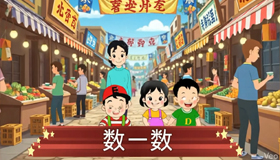
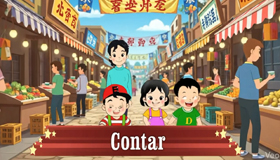
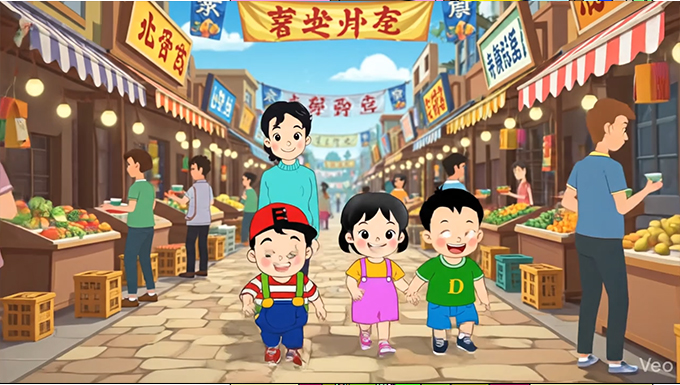
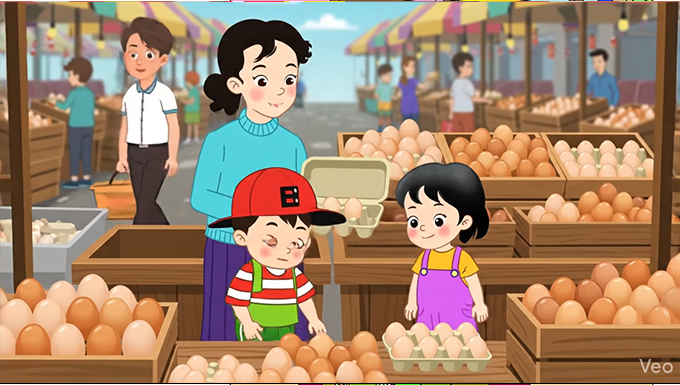
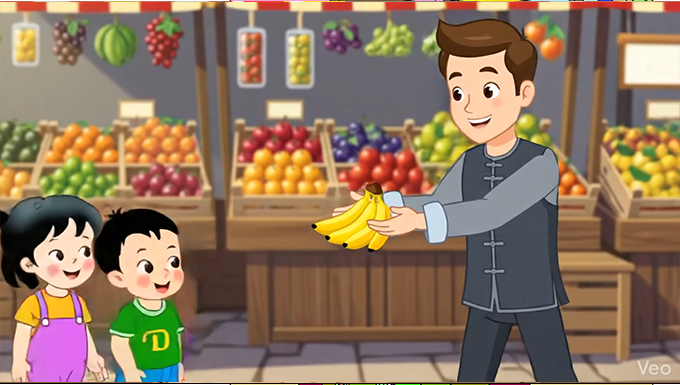
(Uno/One) 个阳光明媚的星期 (Seis/Six) , (Mamá,madre/Mom,mother) 带着 (Baobao) 、 (Tíngting) 和 (Dudú) 去市场。
Un sábado soleado, (妈妈Māmā) llevó a (宝宝Bǎobǎo) , (婷婷Tíngtíng) y (嘟嘟Dūdū) al mercado.
On a sunny Saturday, (妈妈Māmā) took (宝宝Bǎobǎo) , (婷婷Tíngtíng) , and (嘟嘟Dūdū) to the market.
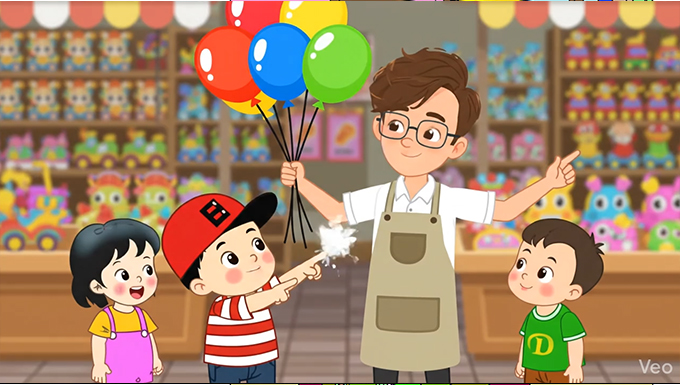
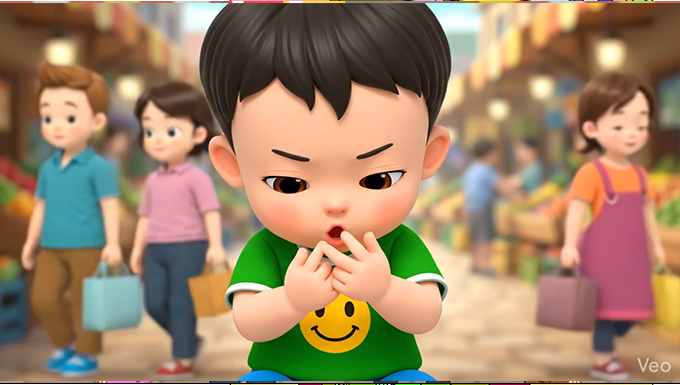
(Dudú) 虽然年纪小,也用好奇的小手指努力跟着数数。
(嘟嘟Dūdū) , aunque pequeño, intentó seguir los números con deditos curiosos.
(嘟嘟Dūdū) , although small, tried to follow the numbers with his curious little fingers.
** 未替换 / wèi tìhuàn / No sustituidas / Not substituted **
1) 家 jiā / Casa,hogar,familia / Home,family / L1_01
** 词汇 / cí huì / Vocabulario / Vocabulary **
AVI: 词汇/Vocabulario/Vocabulary
AVI: 听与重复/Escucha y repite/Listen and repeat
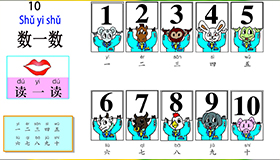
1) 数 shǔ 一 yi 数 shǔ / Contar / Count
2) 一 yī / Uno / One
3) 二 èr / Dos / Two
4) 三 sān / Tres / Three
5) 四 sì / Cuatro / Four
6) 五 wǔ / Cinco / Five
7) 六 liù / Seis / Six
8) 七 qī / Siete / Seven
9) 八 bā / Ocho / Eight
10) 九 jiǔ / Nueve / Nine
11) 十 shí / Diez / Ten
12) 气球 qìqiú / Globo(s) / Balloon(s)
13) 鸡蛋 jīdàn / Huevo(s) / Egg(s)
14) 香蕉 xiāngjiāo / Plátano(s), Banana(s) / Banana(s)
15) 胡萝卜 húluóbo / Zanahoria(s) / Carrot(s)
16) 横钩 hénggōu / Trazo horizontal con gancho / Horizontal hook stroke
17) 排 pái 排队 páiduì / Hacer fila / Line up
18) 数 shù 星星 xīngxīng / Contar estrellas / Count the stars
** 数字 (1) / shùzì (1) / Numeros (1) / Numbers (1) **
1) 十一 shíyī / once / eleven / 11
• 宝宝 Bǎobao 有 yǒu 十一 shíyī 个 ge 苹果 píngguǒ 。 / Baobao tiene once manzanas. / Baobao has eleven apples.
2) 十二 shí'èr / doce / twelve / 12
• 婷婷 Tíngting 今年 jīnnián 十二 shí'èr 岁 suì 。 / Tingting tiene doce años este año. / Tingting is twelve years old this year.
3) 十三 shísān / trece / thirteen / 13
• 嘟嘟 Dūdū 有 yǒu 十三 shísān 个 ge 玩具 wánjù 。 / Dudú tiene trece juguetes. / Dudu has thirteen toys.
4) 十四 shísì / catorce / fourteen / 14
• 草地 Cǎodì 里 lǐ 有 yǒu 十四 shísì 只 zhī 小兔子 xiǎotùzi 。 / Hay catorce conejitos en la hierba. / There are fourteen little rabbits in the grass.
5) 十五 shíwǔ / quince / fifteen / 15
• 妈妈 Māma 买 mǎi 了 le 十五 shíwǔ 个 ge 香蕉 xiāngjiāo 。 / Mamá compró quince plátanos. / Mom bought fifteen bananas.
6) 十六 shíliù / dieciséis / sixteen / 16
• 老师 Lǎoshī 有 yǒu 十六 shíliù 本 běn 书 shū 。 / El profesor tiene dieciséis libros. / The teacher has sixteen books.
7) 十七 shíqī / diecisiete / seventeen / 17
• 湖 Hú 里 lǐ 有 yǒu 十七 shíqī 只 zhī 白鹅 bái'é 。 / Hay diecisiete gansos blancos en el lago. / There are seventeen white geese in the lake.
8) 十八 shíbā / dieciocho / eighteen / 18
• 哥哥 Gēge 今年 jīnnián 十八 shíbā 岁 suì 。 / El hermano mayor tiene dieciocho años este año. / The older brother is eighteen years old this year.
9) 十九 shíjiǔ / diecinueve / nineteen / 19
• 桌子 Zhuōzi 上 shàng 有 yǒu 十九 shíjiǔ 个 ge 鸡蛋 jīdàn 。 / Hay diecinueve huevos en la mesa. / There are nineteen eggs on the table.
10) 二十 èrshí / veinte / twenty / 20
• 班 Bān 里 lǐ 有 yǒu 二十 èrshí 个 ge 小朋友 xiǎopéngyǒu 。 / Hay veinte niños en la clase. / There are twenty children in the class.
11) 二十一 èrshíyī / veintiuno / twenty-one / 21
• 宝宝 Bǎobao 会 huì 数 shǔ 到 dào 二十一 èrshíyī 。 / Baobao sabe contar hasta veintiuno. / Baobao can count to twenty-one.
12) 三十 sānshí / treinta / thirty / 30
• 爸爸 Bàba 今年 jīnnián 三十 sānshí 岁 suì 。 / Papá tiene treinta años este año. / Dad is thirty years old this year.
13) 四十 sìshí / cuarenta / forty / 40
• 我们 Wǒmen 有 yǒu 四十 sìshí 张 zhāng 邮票 yóupiào 。 / Tenemos cuarenta sellos. / We have forty stamps.
14) 五十 wǔshí / cincuenta / fifty / 50
• 洛基 Luòjī 跑 pǎo 了 le 五十 wǔshí 米 mǐ 。 / Rocky corrió cincuenta metros. / Rocky ran fifty meters.
15) 六十 liùshí / sesenta / sixty / 60
• 爷爷 Yéye 今年 jīnnián 六十 liùshí 岁 suì 。 / El abuelo tiene sesenta años este año. / Grandfather is sixty years old this year.
16) 七十 qīshí / setenta / seventy / 70
• 奶奶 Nǎinai 今年 jīnnián 七十 qīshí 岁 suì 。 / La abuela tiene setenta años este año. / Grandmother is seventy years old this year.
17) 八十 bāshí / ochenta / eighty / 80
• 曾祖父 Zēngzǔfù 今年 jīnnián 八十 bāshí 岁 suì 。 / El bisabuelo tiene ochenta años este año. / Great-grandfather is eighty years old this year.
18) 九十 jiǔshí / noventa / ninety / 90
• 曾祖母 Zēngzǔmǔ 今年 jīnnián 九十 jiǔshí 岁 suì 。 / La bisabuela tiene noventa años este año. / Great-grandmother is ninety years old this year.
19) 一百 yībǎi / cien / one hundred / 100
• 嘟嘟 Dūdū 会 huì 数 shǔ 到 dào 一百 yìbǎi 。 / Dudú sabe contar hasta cien. / Dudu can count to one hundred.
** 数字 (2) / shùzì (1) / Numeros (2) / Numbers (2) **
1) 一百 yībǎi 零 líng 一 yī / ciento uno / one hundred one / 101
• 动物园 Dòngwùyuán 里 lǐ 有 yǒu 一百 yìbǎi 零 líng 一 yī 只 zhī 猴子 hóuzi 。 / Hay ciento un monos en el zoológico. / There are one hundred one monkeys in the zoo.
2) 一百 yībǎi 一十 yīshí / ciento diez / one hundred ten / 110
• 哥哥 Gēge 有 yǒu 一百 yìbǎi 一十 yīshí 个 ge 玩具 wánjù 。 / El hermano mayor tiene ciento diez juguetes. / The older brother has one hundred ten toys.
3) 二百 èrbǎi / doscientos / two hundred / 200
• 妈妈 Māma 买 mǎi 了 le 二百 èrbǎi 个 ge 鸡蛋 jīdàn 。 / Mamá compró doscientos huevos. / Mom bought two hundred eggs.
4) 三百 sānbǎi / trescientos / three hundred / 300
• 猴子 Hóuzi 吃 chī 了 le 三百 sānbǎi 个 ge 香蕉 xiāngjiāo 。 / El mono se comió trescientos plátanos. / The monkey ate three hundred bananas.
5) 四百 sìbǎi / cuatrocientos / four hundred / 400
• 学校 Xuéxiào 里 lǐ 有 yǒu 四百 sìbǎi 个 ge 学生 xuésheng 。 / Hay cuatrocientos estudiantes en la escuela. / There are four hundred students in the school.
6) 五百 wǔbǎi / quinientos / five hundred / 500
• 农场 Nóngchǎng 里 lǐ 有 yǒu 五百 wǔbǎi 只 zhī 鸡 jī 。 / Hay quinientas gallinas en la granja. / There are five hundred chickens on the farm.
7) 六百 liùbǎi / seiscientos / six hundred / 600
• 湖 Hú 里 lǐ 有 yǒu 六百 liùbǎi 只 zhī 白鹅 bái'é 。 / Hay seiscientos gansos blancos en el lago. / There are six hundred white geese in the lake.
8) 七百 qībǎi / setecientos / seven hundred / 700
• 婷婷 Tíngting 有 yǒu 七百 qībǎi 张 zhāng 邮票 yóupiào 。 / Tingting tiene setecientos sellos. / Tingting has seven hundred stamps.
9) 八百 bābǎi / ochocientos / eight hundred / 800
• 医院 Yīyuàn 里 lǐ 有 yǒu 八百 bābǎi 个 ge 医生 yīshēng 。 / Hay ochocientos médicos en el hospital. / There are eight hundred doctors in the hospital.
10) 九百 jiǔbǎi / novecientos / nine hundred / 900
• 邮递员 Yóudìyuán 有 yǒu 九百 jiǔbǎi 封 fēng 信 xìn 。 / El cartero tiene novecientas cartas. / The mail carrier has nine hundred letters.
11) 一千 yīqiān / mil / one thousand / 1000
• 宝宝 Bǎobao 会 huì 写 xiě 一千 yìqiān 个 ge 汉字 Hànzì 。 / Baobao sabe escribir mil caracteres chinos. / Baobao can write one thousand Chinese characters.
12) 一千 yīqiān 一百 yībǎi / mil cien / one thousand one hundred / 1100
• 山 Shān 上 shàng 有 yǒu 一千 yìqiān 一百 yībǎi 棵 kē 树 shù 。 / Hay mil cien árboles en la montaña. / There are one thousand one hundred trees on the mountain.
13) 二千 èrqiān / dos mil / two thousand / 2000
• 这里 Zhèlǐ 有 yǒu 二千 èrqiān 只 zhī 小兔子 xiǎotùzi 。 / Aquí hay dos mil conejitos. / Here are two thousand little rabbits.
▶ 📝 评论 / Comentarios / Comments1. 关于“零” (líng) 的使用: 在像 101 (“一百零一”) 这样的数字中,如果中间有空缺的数位(空缺的十位 ),必须用 “零” 读出和写出中间的零。“二” (èr) 与“两” (liǎng): 对于 200,说 “二百” (èrbǎi) 或 “两百” (liǎngbǎi) 都可以。但是对于 2000,在日常口语中,人们更常说 “两千” (liǎngqiān) 而不是 “二千” (èrqiān) 。
1. Uso del cero (‘零’ (líng) ): En números como el 101 (‘一百零一’) , cuando hay un salto en las posiciones (decenas vacías ), es obligatorio leer y escribir el cero intermedio.‘二’ (èr) frente a ‘两’ (liǎng): Para decir 200, es correcto usar tanto ‘二百’ (èrbǎi) como ‘两百’ (liǎngbǎi) . Sin embargo, para 2000, en el lenguaje cotidiano es mucho más común decir ‘两千’ (liǎngqiān) en lugar de ‘二千’ (èrqiān) .
1. Use of zero ‘零’ (líng): In numbers like 101 (‘一百零一’) , when there is a skipped place value (empty tens ), the zero in the middle must be read and written.‘二’ (èr) vs. ‘两’ (liǎng): For 200, it is correct to use both ‘二百’ (èrbǎi) and ‘两百’ (liǎngbǎi) . However, for 2000, in everyday speech it is much more common to say ‘两千’ (liǎngqiān) instead of ‘二千’ (èrqiān) .
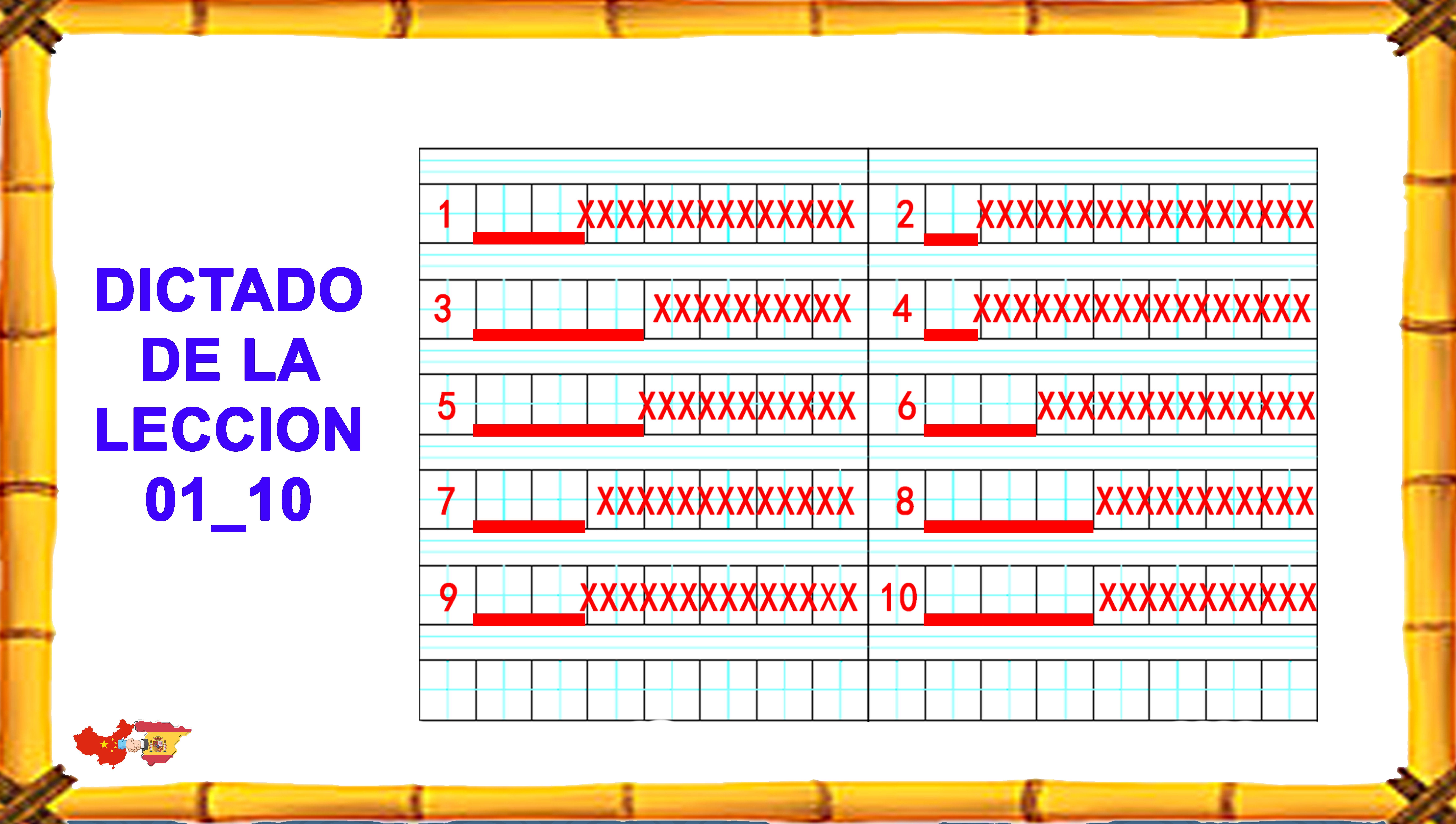
** 听写 / Tīngxiě / Dictado / Dictation **
点击放大/clic para ampliar/click to enlarge
听写音频/Audio del dictado/Dictation audio
AVI: 听写/Dictado/Dictation
🚧 En proyecto
DICTADO VOCABULARIO
** 目录 / mù lù / Indice de la página / Table of contents **
课文/Textos/Texts
词汇/Vocabulario/Vocabulary
补充材料/Materiales adicionales/Additional Materials
PDF与视频/PDF y videos/PDF and Videos
边玩边学/Aprenda jugando/Learn by Playing
学习西班牙语/Aprenda Español/Learn Spanish