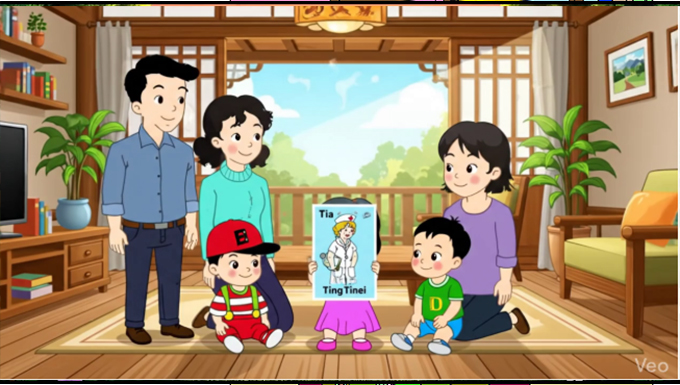
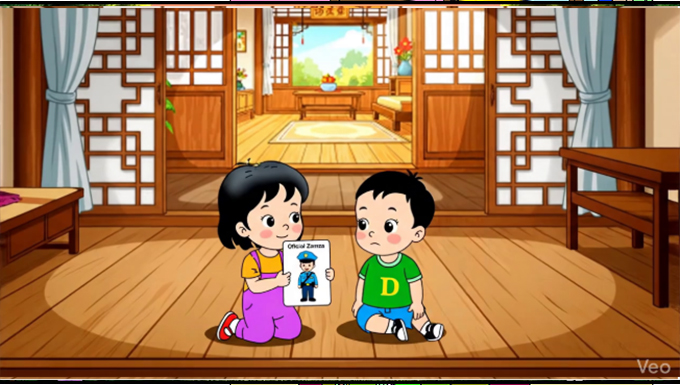
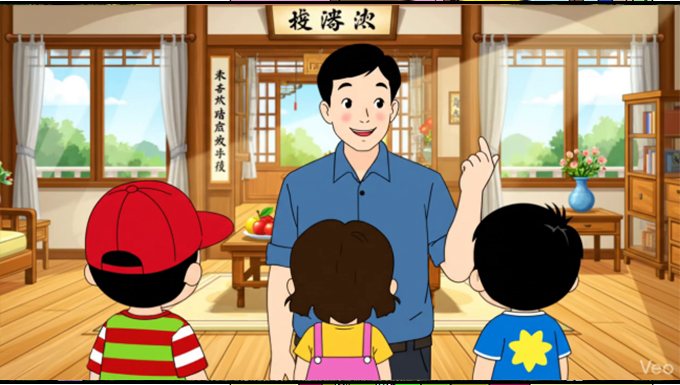
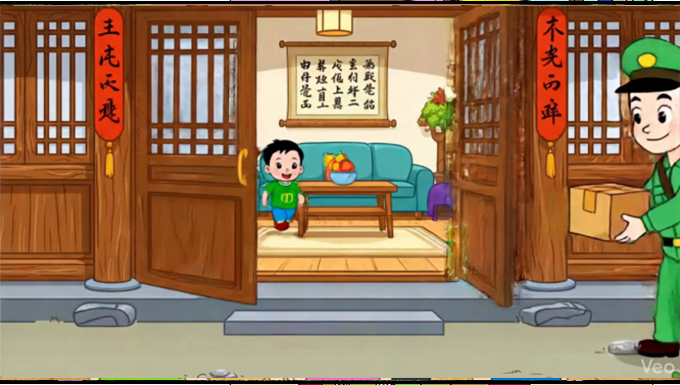
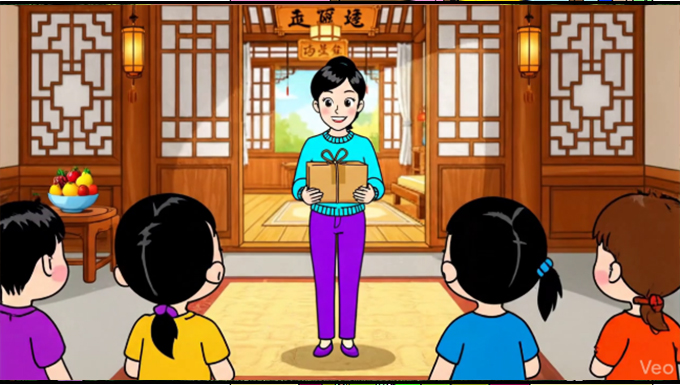
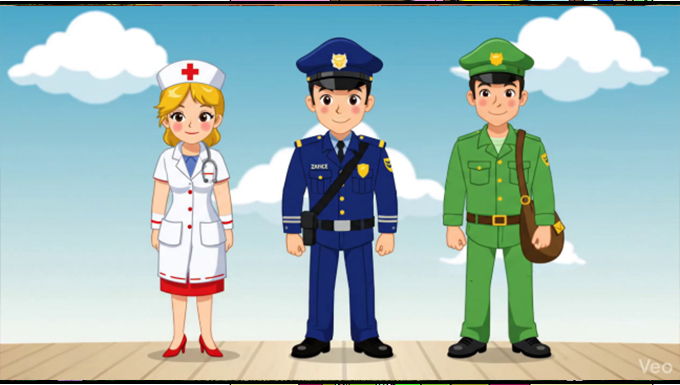
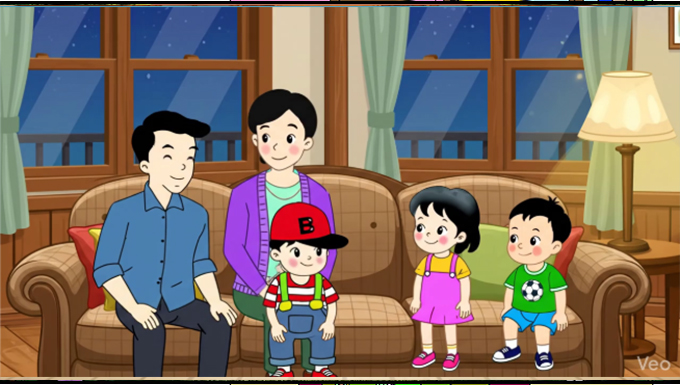
(宝宝Bǎobǎo) recordó que su tía, la (医生yīshēng) , era tan importante como el (警察jǐngchá) o el (邮递员yóudìyuán) . Cada profesión, grande o pequeña, hace del mundo un lugar mejor.
(宝宝Bǎobǎo) remembered that his aunt, the (医生yīshēng) , was just as important as the (警察jǐngchá) or the (邮递员yóudìyuán) . Every profession, big or small, makes the world a better place.
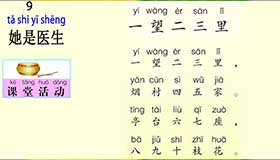
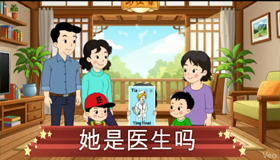
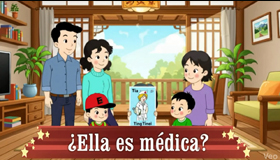
1) 她tā是shì医生yīshēng吗ma?/¿Ella es médica?/Is she a doctor?
2) 她tā是shì医生yīshēng/Ella es médica/She is a doctor
3) 警察jǐngchá/Policía/Police officer
4) 邮递员yóudìyuán/Cartero(a)/Mail carrier, postman
5) 竖shù弯wān钩gōu/Trazo vertical con gancho curvo/Vertical bend hook stroke
6) 猜cāi一yi猜cāi/Adivinar/Guess
7) 一yī望wàng二èr三sān里lǐ/Mira a 2 o 3 millas/A distant view of 2-3 li
▶ 📝 评论 / Comentarios / Comments
1. 正确的英语表达: 在英语中,‘doctor’ 这个词是中性的,男女通用。 2. 拼音的分词连写: 在现代标准汉语中,复合词的拼音是连写的。例如,lǎo shī 拼写为 lǎoshī,yī shēng 拼写为 yīshēng,yóu dì yuán 拼写为 yóudìyuán。这极大地帮助了学生识别哪些音节组成了一个完整的单词。 3. ’一’ (yi) 的规则一致性: 在第6项 (说一说) ,拼音改为了中间读轻声的 cāi yi cāi,这遵循了我们之前学过的关于动词重叠时的语音规则。 4. 现代西班牙语正字法:‘2 ó 3’ 改为了 ‘2 o 3’。根据西班牙皇家语言学院 (RAE) 的现行规范,数字之间的连词 ‘o’ 不再加重音符号,因为在现代排版中它已不再有与数字零混淆的风险。
1. Inglés correcto: En inglés, la palabra ‘doctor’ es neutra y sirve tanto para hombres como para mujeres. 2. Agrupación del pinyin: En el chino moderno estándar, las palabras compuestas se escriben juntas en pinyin. Por ejemplo, lǎo shī pasa a ser lǎoshī, yī shēng a yīshēng, y yóu dì yuán a yóudìyuán. Esto ayuda mucho a los alumnos a identificar qué sílabas forman una sola palabra. 3. Consistencia en ‘一’ (yi) : En los ítems 6 (说一说) se cambia el pinyin a cāi yi cāi con tono neutro en el medio, respetando la regla fonética que ya hemos aprendido sobre los verbos duplicados. 4. Ortografía moderna (Español):‘2 ó 3’ por ‘2 o 3’. Según la normativa actual de la RAE, la conjunción ‘o’ ya no lleva tilde entre números porque ya no hay riesgo de confundirla con un cero en las tipografías modernas.
1. Correct English: In English, the word ‘doctor’ is neutral and is used for both men and women. 2. Pinyin grouping: In standard modern Chinese, compound words are written together in pinyin. For example, lǎo shī becomes lǎoshī, yī shēng becomes yīshēng, and yóu dì yuán becomes yóudìyuán. This greatly helps students identify which syllables form a single word. 3. Consistency of ‘一’ (yi) : In item 6 (说一说) , the pinyin is changed to cāi yi cāi with a neutral tone in the middle, respecting the phonetic rule we have already learned about duplicated verbs. 4. Modern Spanish orthography:‘2 ó 3’ to ‘2 o 3’. According to the current RAE regulations, the conjunction ‘o’ no longer carries an accent mark between numbers because there is no longer a risk of confusing it with a zero in modern typography.
** 职业 1/Zhíyè 1/Profesiones 1/Professions 1 **
中文/Chino/Chinese
西班牙语/Español/Spanish
英语/inglés/English
1) 会计kuàijì/Contable/Accountant
• 会计Kuàijì在zài核对héduì公司gōngsī的de账目zhàngmù。/El contable está revisando las cuentas de la empresa./The accountant is checking the company's accounts.
2) 建筑师jiànzhùshī/Arquitecto(a)/Architect
• 建筑师Jiànzhùshī设计shèjì了le一yí栋dòng环保huánbǎo大楼dàlóu。/El arquitecto diseñó un edificio ecológico./The architect designed an eco-friendly building.
3) 牙医yáyī/Dentista/Dentist
• 牙医Yáyī建议jiànyì我wǒ每天měitiān刷牙shuāyá两liǎng次cì。/El dentista me recomienda cepillarme los dientes dos veces al día./The dentist advises me to brush my teeth twice a day.
4) 飞行员fēixíngyuán/Piloto/Pilot
• 飞行员Fēixíngyuán安全ānquán地de降落jiàngluò了le飞机fēijī。/El piloto aterrizó el avión de forma segura./The pilot landed the plane safely.
5) 程序员chéngxùyuán/Programador(a)/Programmer
• 程序员Chéngxùyuán正在zhèngzài编写biānxiě一yí个ge新xīn软件ruǎnjiàn。/El programador está escribiendo un nuevo software./The programmer is writing new software.
6) 科学家kēxuéjiā/Científico(a)/Scientist
• 科学家Kēxuéjiā在zài实验室shíyànshì里lǐ做zuò实验shíyàn。/El científico hace experimentos en el laboratorio./The scientist does experiments in the laboratory.
7) 画家huàjiā/Pintor(a), Artista/Painter, Artist
• 画家Huàjiā画huà了le一yì幅fú美丽měilì的de风景画fēngjǐnghuà。/El pintor dibujó un hermoso paisaje./The painter drew a beautiful landscape.
8) 摄影师shèyǐngshī/Fotógrafo(a)/Photographer
• 摄影师Shèyǐngshī拍下pāixià了le婚礼hūnlǐ的de精彩jīngcǎi瞬间shùnjiān。/El fotógrafo capturó los momentos maravillosos de la boda./The photographer captured the wonderful moments of the wedding.
9) 作家zuòjiā/Escritor(a), Autor(a)/Writer, Author
• 这Zhè位wèi作家zuòjiā刚刚gānggāng出版chūbǎn了le一yì本běn新xīn小说xiǎoshuō。/Este escritor acaba de publicar una nueva novela./This writer just published a new novel.
10) 音乐家yīnyuèjiā/Músico/Musician
• 音乐家Yīnyuèjiā在zài音乐会yīnyuèhuì上shàng演奏yǎnzòu了le钢琴gāngqín。/El músico tocó el piano en el concierto./The musician played the piano at the concert.
• 翻译Fānyì把bǎ这zhè份fèn文件wénjiàn翻fān成chéng了le中文Zhōngwén。/El traductor tradujo este documento al chino./The translator translated this document into Chinese.
12) 导演dǎoyǎn/Director(a) de cine/Film director
• 导演Dǎoyǎn正在zhèngzài指导zhǐdǎo演员们yǎnyuánmen拍戏pāixì。/El director está guiando a los actores en la filmación./The director is guiding the actors in filming.
13) 兽医shòuyī/Veterinario(a)/Veterinarian
• 兽医Shòuyī治好zhìhǎo了le我wǒ的de宠物chǒngwù狗gǒu。/El veterinario curó a mi perro mascota./The veterinarian cured my pet dog.
14) 理发师lǐfàshī/Peluquero(a)/Hairdresser, Barber
• 理发师Lǐfàshī给gěi我wǒ剪jiǎn了le一yí个ge新xīn发型fàxíng。/El peluquero me hizo un corte de pelo nuevo./The hairdresser gave me a new haircut.
15) 导游dǎoyóu/Guía turístico/Tour guide
• 导游Dǎoyóu带领dàilǐng游客yóukè参观cānguān了le故宫Gùgōng。/El guía turístico llevó a los turistas a visitar la Ciudad Prohibida./The tour guide led the tourists to visit the Forbidden City.
16) 秘书mìshū/Secretario(a)/Secretary
• 秘书Mìshū帮bāng经理jīnglǐ安排ānpái了le明天míngtiān的de会议huìyì。/La secretaria ayudó al gerente a organizar la reunión de mañana./The secretary helped the manager arrange tomorrow's meeting.
• 教授Jiàoshòu在zài大学dàxué里lǐ教jiāo历史lìshǐ。/El profesor enseña historia en la universidad./The professor teaches history at the university.
18) 老板lǎobǎn/Jefe(a), Dueño(a)/Boss, Owner
• 老板Lǎobǎn今天jīntiān给gěi员工yuángōng发fā了le奖金jiǎngjīn。/El jefe dio un bono a los empleados hoy./The boss gave a bonus to the employees today.
19) 店员diànyuán/Empleado(a) de tienda/Store clerk
• 店员Diànyuán热情rèqíng地de欢迎huānyíng了le顾客gùkè。/El dependiente dio una cálida bienvenida a los clientes./The store clerk warmly welcomed the customers.
20) 模特mótè/Modelo/Model
• 模特Mótè在zàiT台T-tái上shàng展示zhǎnshì了le最新zuìxīn款kuǎn的de服装fúzhuāng。/La modelo exhibió la ropa de última colección en la pasarela./The model showcased the latest clothing on the catwalk.
• 水管工Shuǐguǎngōng修好xiūhǎo了le漏水lòushuǐ的de水槽shuǐcáo。/El fontanero arregló el fregadero que goteaba./The plumber fixed the leaking sink.
2) 木匠mùjiàng/Carpintero(a)/Carpenter
• 木匠Mùjiàng用yòng木头mùtou做zuò了le一yì张zhāng漂亮piàoliang的de桌子zhuōzi。/El carpintero hizo una hermosa mesa con madera./The carpenter made a beautiful table out of wood.
• 裁缝Cáifeng为wèi我wǒ量身liángshēn定制dìngzhì了le一yí套tào西装xīzhuāng。/El sastre me hizo un traje a medida./The tailor made a custom suit for me.
4) 药剂师yàojìshī/Farmacéutico(a)/Pharmacist
• 药剂师Yàojìshī告诉gàosu我wǒ怎么zěnme按时ànshí吃药chīyào。/El farmacéutico me explicó cómo tomar la medicina a tiempo./The pharmacist told me how to take the medicine on time.
5) 空乘kōngchéng/Auxiliar de vuelo, Azafato(a)/Flight attendant
• 空乘Kōngchéng为wèi乘客chéngkè提供tígōng了le饮料yǐnliào和hé毛毯máotǎn。/El auxiliar de vuelo proporcionó bebidas y mantas a los pasajeros./The flight attendant provided drinks and blankets for the passengers.
6) 银行家yínhángjiā/Banquero(a)/Banker
• 银行家Yínhángjiā帮助bāngzhù客户kèhù管理guǎnlǐ投资tóuzī。/El banquero ayuda a los clientes a gestionar sus inversiones./The banker helps clients manage their investments.
7) 顾问gùwèn/Consultor(a), Asesor(a)/Consultant
• 顾问Gùwèn给gěi公司gōngsī提出tíchū了le宝贵bǎoguì的de建议jiànyì。/El consultor dio valiosas sugerencias a la empresa./The consultant gave valuable suggestions to the company.
8) 猎头liètóu/Cazatalentos/Headhunter
• 猎头Liètóu帮bāng我wǒ找到zhǎodào了le一yí份fèn理想lǐxiǎng的de工作gōngzuò。/El cazatalentos me ayudó a encontrar un trabajo ideal./The headhunter helped me find an ideal job.
9) 营养师yíngyǎngshī/Nutricionista/Nutritionist
• 营养师Yíngyǎngshī为wèi我wǒ制定zhìdìng了le健康jiànkāng的de饮食yǐnshí计划jìhuà。/El nutricionista me elaboró un plan de alimentación saludable./The nutritionist made a healthy diet plan for me.
• 健身Jiànshēn教练jiàoliàn教jiāo我wǒ如何rúhé正确zhèngquè举重jǔzhòng。/El entrenador personal me enseñó cómo levantar pesas correctamente./The personal trainer taught me how to lift weights correctly.
• 清洁工Qīngjiégōng把bǎ办公室bàngōngshì打扫dǎsǎo得de很hěn干净gānjìng。/El limpiador dejó la oficina muy limpia./The cleaner cleaned the office very well.
12) 保安bǎoān/Guardia de seguridad/Security guard
• 保安Bǎoān在zài商场shāngchǎng入口处rùkǒuchù巡逻xúnluó。/El guardia de seguridad patrulla en la entrada del centro comercial./The security guard patrols at the mall entrance.
13) 法官fǎguān/Juez(a)/Judge
• 法官Fǎguān在zài法庭fǎtíng上shàng做出zuòchū了le公正gōngzhèng的de判决pànjué。/El juez dictó una sentencia justa en el tribunal./The judge made a fair ruling in court.
14) 政治家zhèngzhìjiā/Político(a)/Politician
• 政治家Zhèngzhìjiā在zài电视diànshì上shàng发表fābiǎo了le演讲yǎnjiǎng。/El político dio un discurso en la televisión./The politician gave a speech on TV.
15) 魔术师móshùshī/Mago(a)/Magician
• 魔术师Móshùshī从cóng帽子màozi里lǐ变出biànchū了le一yì只zhī兔子tùzi。/El mago sacó un conejo del sombrero./The magician produced a rabbit from the hat.
16) 宇航员yǔhángyuán/Astronauta/Astronaut
• 宇航员Yǔhángyuán乘坐chéngzuò宇宙yǔzhòu飞船fēichuán进入jìnrù了le太空tàikōng。/El astronauta viajó al espacio en una nave espacial./The astronaut traveled to space in a spaceship.
17) 考古学家kǎogǔxuéjiā/Arqueólogo(a)/Archaeologist
• 考古学家Kǎogǔxuéjiā发现fāxiàn了le一yí座zuò古老gǔlǎo的de陵墓língmù。/El arqueólogo descubrió una antigua tumba./The archaeologist discovered an ancient tomb.
• 气象学家Qìxiàngxuéjiā预测yùcè明天míngtiān会huì有yǒu大雨dàyǔ。/El meteorólogo predice que mañana habrá lluvia fuerte./The meteorologist predicts there will be heavy rain tomorrow.
• 房地产Fángdìchǎn经纪人jīngjìrén带dài我们wǒmen去qù看kàn了le一yí套tào新xīn公寓gōngyù。/El agente inmobiliario nos llevó a ver un apartamento nuevo./The real estate agent took us to see a new apartment.
20) 面包师miànbāoshī/Panadero(a)/Baker
• 面包师Miànbāoshī早上zǎoshang烤kǎo了le新鲜xīnxiān的de面包miànbāo。/El panadero horneó pan fresco por la mañana./The baker baked fresh bread in the morning.