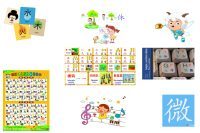
** 08_她是我妈妈/Tā shì wǒ māmā/Ella es mi madre/She is my mom **
** 材料/cái liào/Materiales/Materials **

PDF: 中文/ESPAÑOL/English

PDF: 中文/Chino/Chinese

PDF: 练习卡片/Fichas/Flashcards

AVI: 主题/Tema/Topic

AVI: 歌曲/Canción/Song

AVI: 书写汉字/Escribe caracteres/Writing Chinese characters

AVI: 听与重复/Escucha y repite/Listen and repeat

AVI: 词汇/Vocabulario/Vocabulary

AVI: 听写/Dictado/Dictation

PDF: 材料, Materiales

PDF: 书法练习/Caligrafia/Handwriting practice
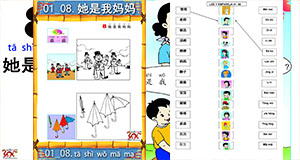
PDF: 材料, Materials
** 历史/Lìshǐ/La historia/history **
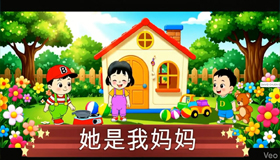
AVI: 中文/En chino /En Chinese
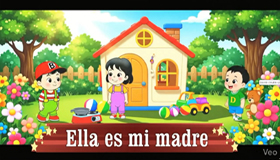
AVI: 西班牙语/En español/En Spanish
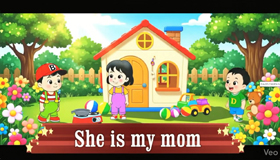
AVI: 英语/En inglés /En English
** Youtube **

1

2

3

4

5

6
** 卡通/kǎ tōng/Dibujos animados/Cartoons **

1

2

3
** 目录/mù lù/Indice de la página/Table of contents **
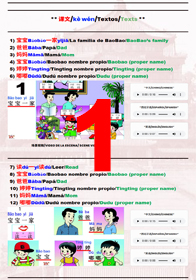
课文/Textos/Texts
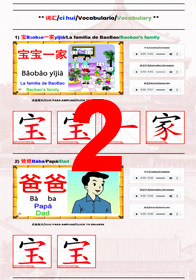
词汇/Vocabulario/Vocabulary
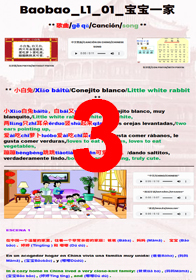
补充材料/Materiales adicionales/Additional Materials
PDF与视频/PDF y videos/PDF and Videos
边玩边学/Aprenda jugando/Learn by Playing
学习西班牙语/Aprenda Español/Learn Spanish
