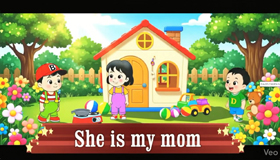
** 08_她是我妈妈/Tā shì wǒ māmā/Ella es mi madre/She is my mom **
** 额外内容/Contenido adicional/Additional Content **
** 歌曲/gē qǔ/Canción/song **

无拼音/Sin pinyin/Without pinyin
中文歌曲/Canción en chino/Chinese song
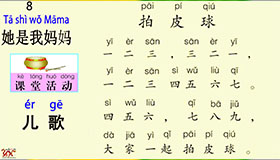
有拼音/Con pinyin/With pinyin
** 拍皮球/Pāi píqiú/Botar la pelota/Bounce the ball **
一Yī二èr三sān,三sān二èr一yī,/Uno, dos, tres; tres, dos, uno,/One, two, three; three, two, one,
一Yī二èr三sān四sì五wǔ六liù七qī。/Uno, dos, tres, cuatro, cinco, seis, siete./One, two, three, four, five, six, seven.
四Sì五wǔ六liù,七qī八bā九jiǔ,/Cuatro, cinco, seis; siete, ocho, nueve,/Four, five, six; seven, eight, nine,
大家Dàjiā一起yìqǐ拍pāi皮球píqiú。/Todos juntos botamos la pelota./Let's all bounce the ball together.
▶ 📝 评论 / Comentarios / Comments
2. “一” (yī) 的变调:当 “一” (yī) 出现在第三声音节(如 “起” - qǐ )前面时,会自动变成第四声 (yì) 。
2. Cambio de tono en 一 (yī) : Cuando ‘一’ (yī) va delante de un tercer tono como ‘起’ (qǐ) , cambia automáticamente al cuarto tono (yì) .
2. Tone change of 一 (yī) : When ‘一’ (yī) precedes a third-tone syllable like ‘起’ (qǐ) , it automatically changes to the fourth tone (yì) .
** 历史/Lìshǐ/La historia/history **
** 她是我妈妈/Tā shì wǒ māmā/Ella es mi madre/She is my mom **
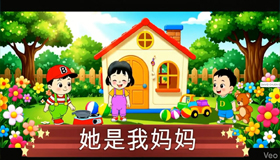
AVI: 中文/En chino /En Chinese
中文/Chino/Chinese
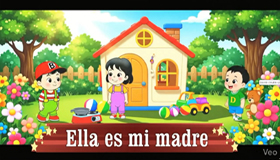
AVI: 西班牙语/En español/En Spanish
西班牙语/Español/Spanish
AVI: 英语/En inglés /En English
英语/inglés/English
中文/Chino/Chinese
西班牙语/Español/Spanish
英语/inglés/English
Escena 1
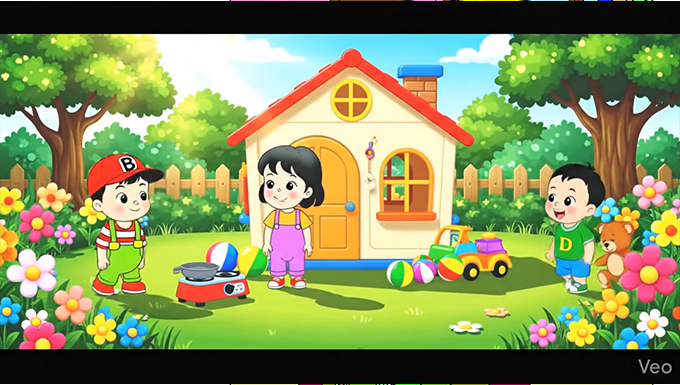
(Baobao) 、 (Tíngting) ((Hermana menor/Younger sister) )和 (Dudú) ((Hermano menor/Younger brother) )在花园里玩 (Jugando a la casita/playing house) 。
(宝宝Bǎobǎo) , (婷婷Tíngtíng) (la (妹妹mèimei) ) y (嘟嘟Dūdū) (el (弟弟dìdi) ) estaban (过guò家家jiājia) en el jardín.
(宝宝Bǎobǎo) , (婷婷Tíngtíng) (the (妹妹mèimei) ), and (嘟嘟Dūdū) (the (弟弟dìdi) ) were (过guò家家jiājia) in the garden.
中文/Chino/Chinese
西班牙语/Español/Spanish
英语/inglés/English
Escena 2
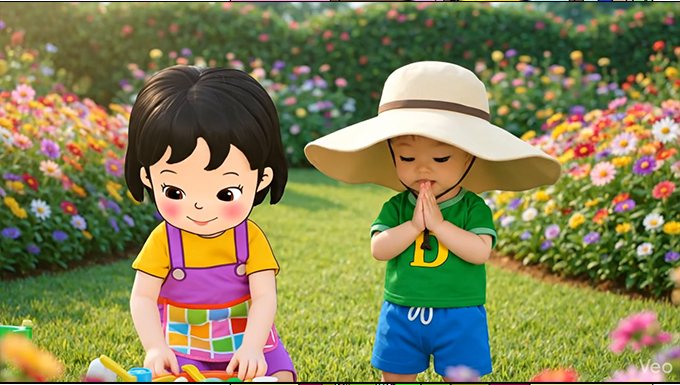
(Tíngting) 系着玩具围裙扮演 (Mamá,madre/Mom,mother) , (Dudú) 戴着大帽子扮演 (Papá,padre/Dad,father) 。
(婷婷Tíngtíng) , con un delantal de juguete, hacía de (妈妈Māmā) , y (嘟嘟Dūdū) , con un sombrero grande, de (爸爸Bàba) .
(婷婷Tíngtíng) , wearing a toy apron, played the role of the (妈妈Māmā) , and (嘟嘟Dūdū) , wearing a big hat, played the role of the (爸爸Bàba) .
中文/Chino/Chinese
西班牙语/Español/Spanish
英语/inglés/English
Escena 3
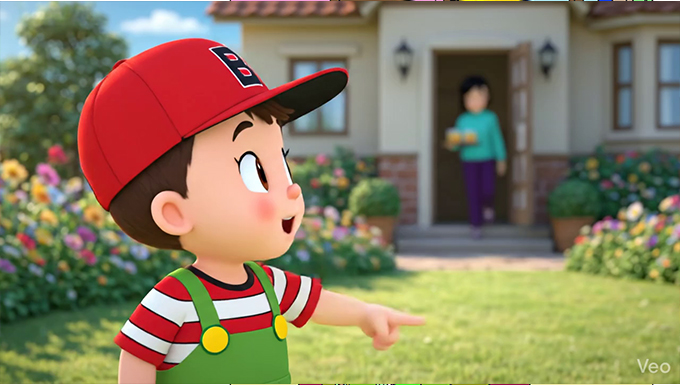
中文/Chino/Chinese
西班牙语/Español/Spanish
英语/inglés/English
Escena 4
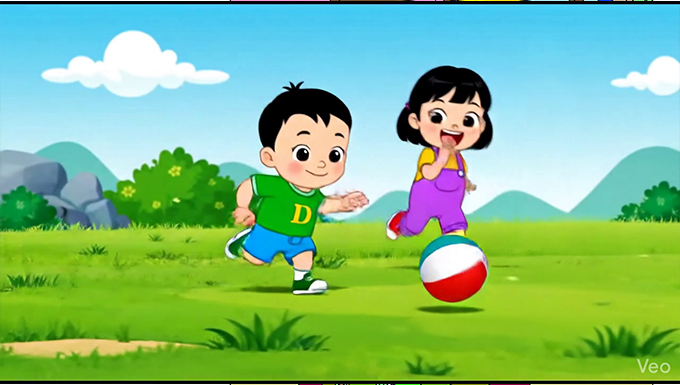
中文/Chino/Chinese
西班牙语/Español/Spanish
英语/inglés/English
Escena 5
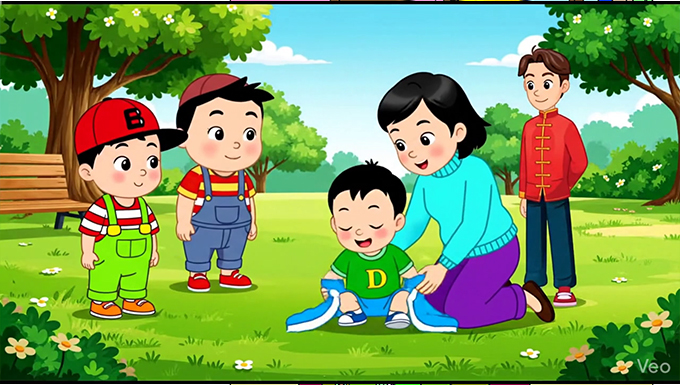
中文/Chino/Chinese
西班牙语/Español/Spanish
英语/inglés/English
Escena 6
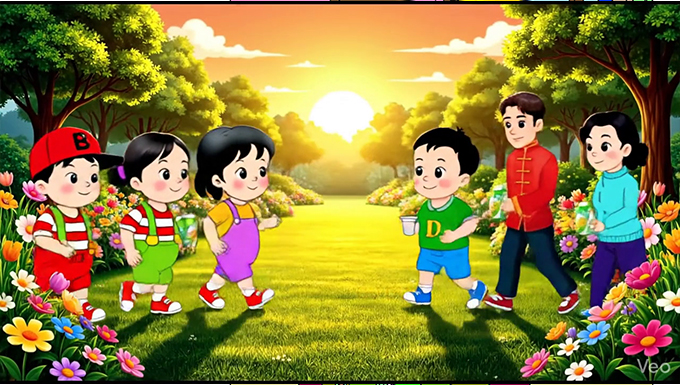
中文/Chino/Chinese
西班牙语/Español/Spanish
英语/inglés/English
Escena 7
** 词汇+/cí huì+/Vocabulario +/Vocabulary + **
▶ 📝 评论 / Comentarios / Comments
• Father / Mother (父亲 / 母亲): 这些是正式的标准术语。用于官方场合(文件、学校、医生)、正式写作,或以更疏远、更概括的方式谈论父母时。
o 例子:‘His mother is a teacher’ (他的母亲是一位老师) 。
• Dad / Mom (爸爸 / 妈妈): 这些是非正式的、亲切的称呼。通常用于日常对话中,尤其是当你直接对父母说话或亲切地谈论他们时。
o 例子:‘Hi Mom, where is Dad?’ (嗨妈妈,爸爸在哪儿?) 。
2. ’You’ vs. ‘Your’ 这里的区别纯粹是语法上的,就像西班牙语中的 ‘tú’(代词)和 ‘tu’(物主代词)之间的区别一样:
• You (你 / 您 / 你们): 这是一个人称代词。用于指代正在与之交谈的人(句子的主语)。它后面跟着的是动词,而不是事物。
o 例子:‘You are tall’ (你很高) 。
o 例子:‘Are you studying?’ (你在学习吗?) 。
• Your (你的 / 您的 / 你们的): 这是一个形容词性物主代词。用于表示所属或关系。它后面必须跟着一个名词,因为它表示那个东西或人是谁的。它不能单独使用。
o 例子:‘Is she your mom?’ (她是你的妈妈吗?) 。
o 例子:‘Where is your book?’ (你的书在哪里?) 。
• Father / Mother (Padre / Madre): Son los términos formales y estándar. Se utilizan en contextos oficiales (documentos, escuela, médicos), en la escritura formal, o cuando se habla de los padres de una manera más distante o general.
o Ejemplo: ‘His mother is a teacher’ (Su madre es profesora) .
• Dad / Mom (Papá / Mamá): Son términos informales, familiares y cariñosos. Son los que se usan habitualmente en la conversación del día a día y, sobre todo, cuando te diriges directamente a tus propios padres o hablas de ellos con confianza.
o Ejemplo: ‘Hi Mom, where is Dad?’ (¡Hola mamá! ¿Dónde está papá?) .
2. ’You’ vs. ‘Your’ Aquí la diferencia es estrictamente gramatical, exactamente igual a la que existe en español entre ‘tú’ (pronombre) y ‘tu’ (posesivo sin tilde):
• You (Tú / Usted / Vosotros / Ustedes): Es un pronombre personal. Se usa para referirse a la persona con la que se está hablando (el sujeto de la oración). Va acompañado de un verbo, no de una cosa.
o Ejemplo: ‘You are tall’ (Tú eres alto) .
o Ejemplo: ‘Are you studying?’ (¿Estás tú estudiando?) .
• Your (Tu / Tus / Su de usted): Es un adjetivo posesivo. Se utiliza para indicar pertenencia o relación. Siempre debe ir seguido de un sustantivo, ya que indica de quién es esa cosa o persona. Nunca puede ir solo.
o Ejemplo: ‘Is she your mom?’ (¿Es ella tu mamá?) .
o Ejemplo: ‘Where is your book?’ (¿Dónde está tu libro?) .
• Father / Mother (Padre / Madre): These are formal and standard terms. They are used in official contexts (documents, school, medical), formal writing, or when speaking about parents in a more distant or general way.
o Example: ‘His mother is a teacher’ (Su madre es profesora) .
• Dad / Mom (Papá / Mamá): These are informal, familiar, and affectionate terms. They are commonly used in everyday conversation, especially when addressing your parents directly or speaking about them with confidence.
o Example: ‘Hi Mom, where is Dad?’ (¡Hola mamá! ¿Dónde está papá?) .
2. ’You’ vs. ‘Your’ The difference here is strictly grammatical, exactly like the difference in Spanish between ‘tú’ (pronoun) and ‘tu’ (possessive):
• You (Tú / Usted / Vosotros / Ustedes): It is a personal pronoun. It is used to refer to the person being spoken to (the subject of the sentence). It is followed by a verb, not a noun.
o Example: ‘You are tall’ (Tú eres alto) .
o Example: ‘Are you studying?’ (¿Estás tú estudiando?) .
• Your (Tu / Tus / Su de usted): It is a possessive adjective. It is used to indicate ownership or relationship. It must always be followed by a noun, as it indicates who that thing or person belongs to. It cannot stand alone.
o Example: ‘Is she your mom?’ (¿Es ella tu mamá?) .
o Example: ‘Where is your book?’ (¿Dónde está tu libro?) .
** 词汇/cí huì/Vocabulario/Vocabulary **

AVI: 词汇/Vocabulario/Vocabulary
中文/Chino/Chinese
西班牙语/Español/Spanish
英语/inglés/English

AVI: 听与重复/Escucha y repite/Listen and repeat
▶ 📝 评论 / Comentarios / Comments
2. 轻声:正如我们之前解释过的,家庭成员 (dìdi, mèimei) 和 “家” (jiājia) 的第二个音节不带声调符号。
3. 领属助词 (的 - de):领属助词 “的” 使得这些词既可以作为定语修饰名词 (如“我的书” / my),也可以作为代词单独使用 (如“是我的” / mine) 。
2. Tonos neutros: La segunda sílaba de los miembros de la familia (dìdi, mèimei) y de ‘casa’ (jiājia) no lleva marca de tono, tal como explicamos anteriormente.
3. Posesivos (的 - de): La partícula posesiva ‘的’ permite que estas palabras funcionen tanto acompañando a un sustantivo (‘mi libro’ / my) como sustituyéndolo (‘es mío’ / mine) .
2. Neutral tones: The second syllable of family members (dìdi, mèimei) and ‘house/home’ (jiājia) does not carry a tone mark, just as we explained previously.
3. Possessives (的 - de): The possessive particle ‘的’ allows these words to function both accompanying a noun (‘my book’ / my) and replacing it (‘it is mine’ / mine) .
** 听写/Tīngxiě/Dictado/Dictation **
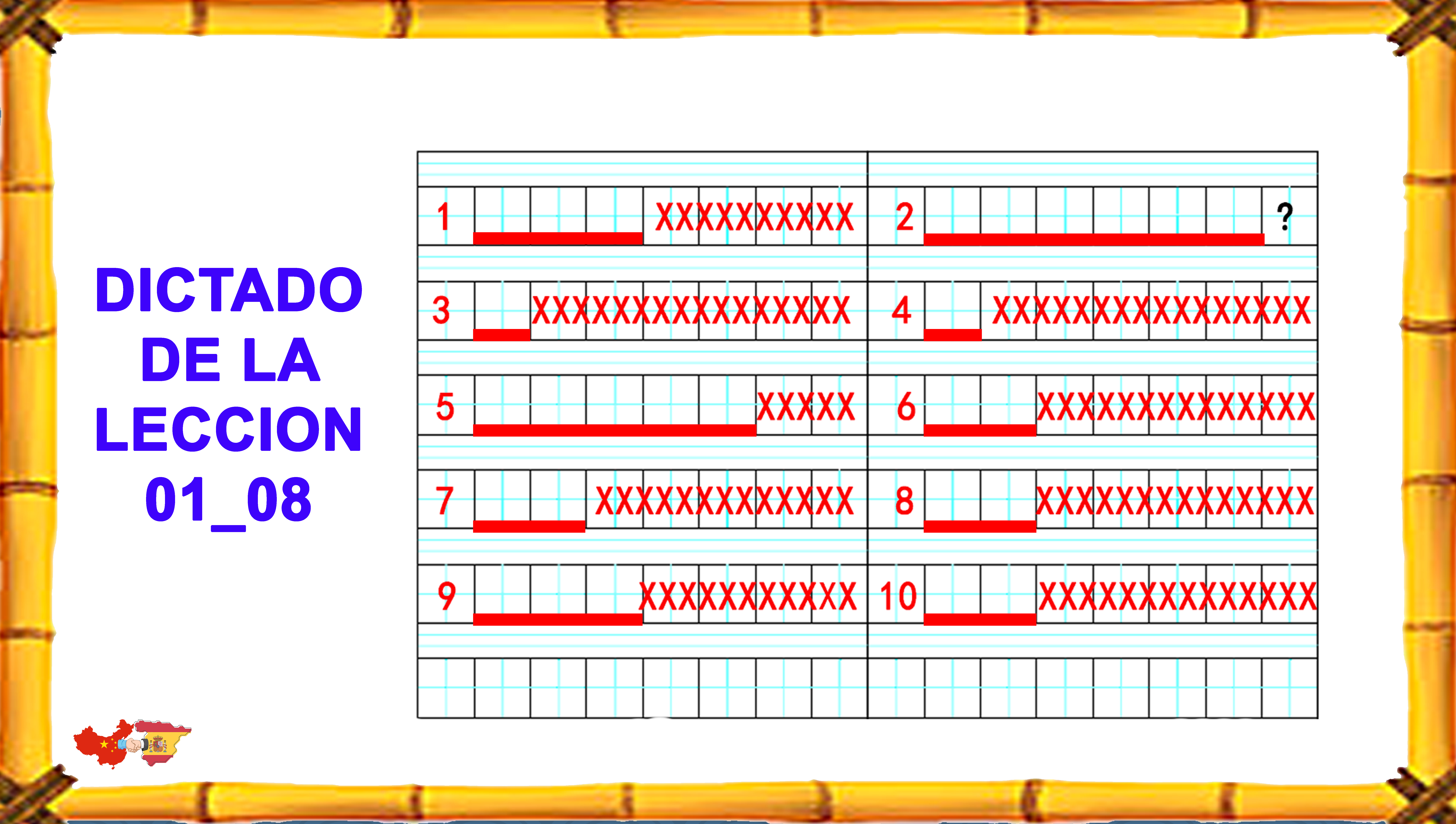
点击放大/clic para ampliar/click to enlarge
听写音频/Audio del dictado/Dictation audio

AVI: 听写/Dictado/Dictation

DICTADO VOCABULARIO
** 目录/mù lù/Indice de la página/Table of contents **
课文/Textos/Texts
词汇/Vocabulario/Vocabulary
补充材料/Materiales adicionales/Additional Materials
PDF与视频/PDF y videos/PDF and Videos
边玩边学/Aprenda jugando/Learn by Playing
学习西班牙语/Aprenda Español/Learn Spanish
