
** 04_对不起/duìbuqǐ/Lo siento/Sorry **

点击放大/clic para ampliar/click to enlarge

点击放大/clic para ampliar/click to enlarge

AVI: 词汇/Vocabulario/Vocabulary
** 词汇/cí huì/Vocabulario/Vocabulary **
1) 对不起duìbuqǐ/Lo siento/Sorry

点击放大/clic para ampliar/click to enlarge
中文/Chino/Chinese
西班牙语/Español/Spanish
英语/inglés/English
2) 没关系méiguānxi/No importa/It's okay
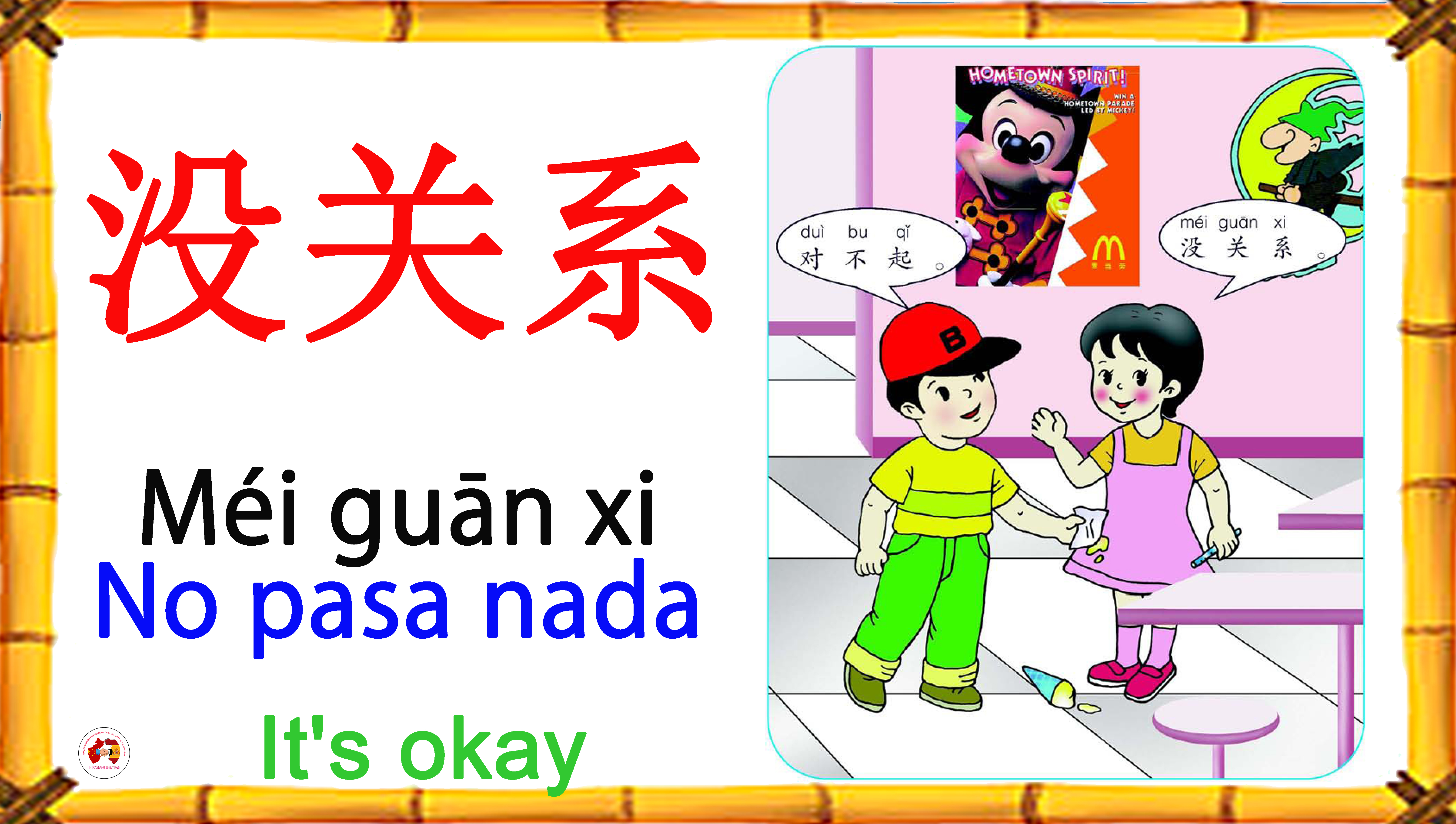
点击放大/clic para ampliar/click to enlarge
中文/Chino/Chinese
西班牙语/Español/Spanish
英语/inglés/English
3) 读dú一yi读dú/Lee un poco/Read a bit

点击放大/clic para ampliar/click to enlarge
中文/Chino/Chinese
西班牙语/Español/Spanish
英语/inglés/English
4) 说shuō一yi说shuō/Habla un poco/Practice speaking
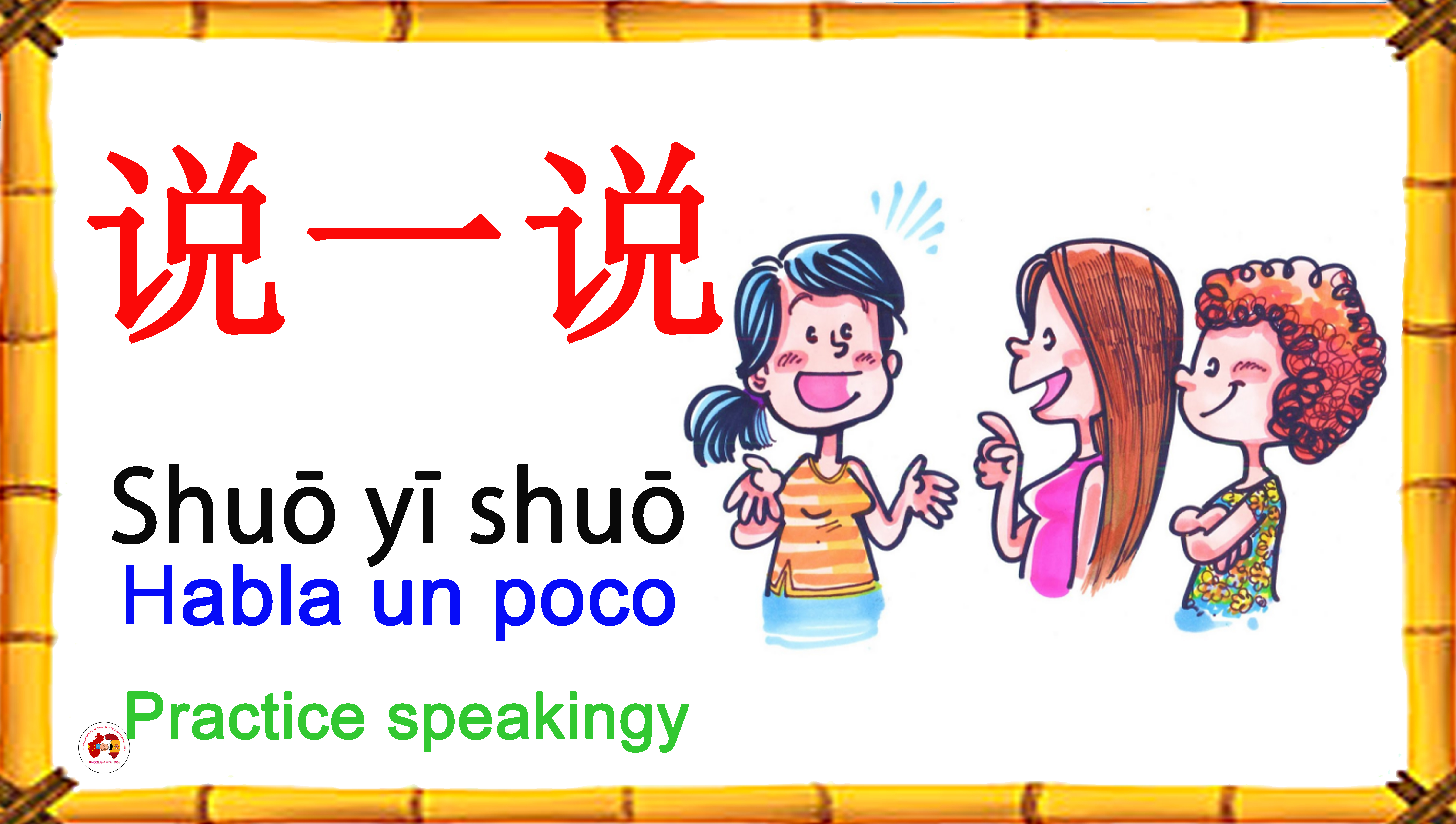
点击放大/clic para ampliar/click to enlarge
中文/Chino/Chinese
西班牙语/Español/Spanish
英语/inglés/English
5) 捺nà/Trazo descendente a la derecha/Right-falling stroke
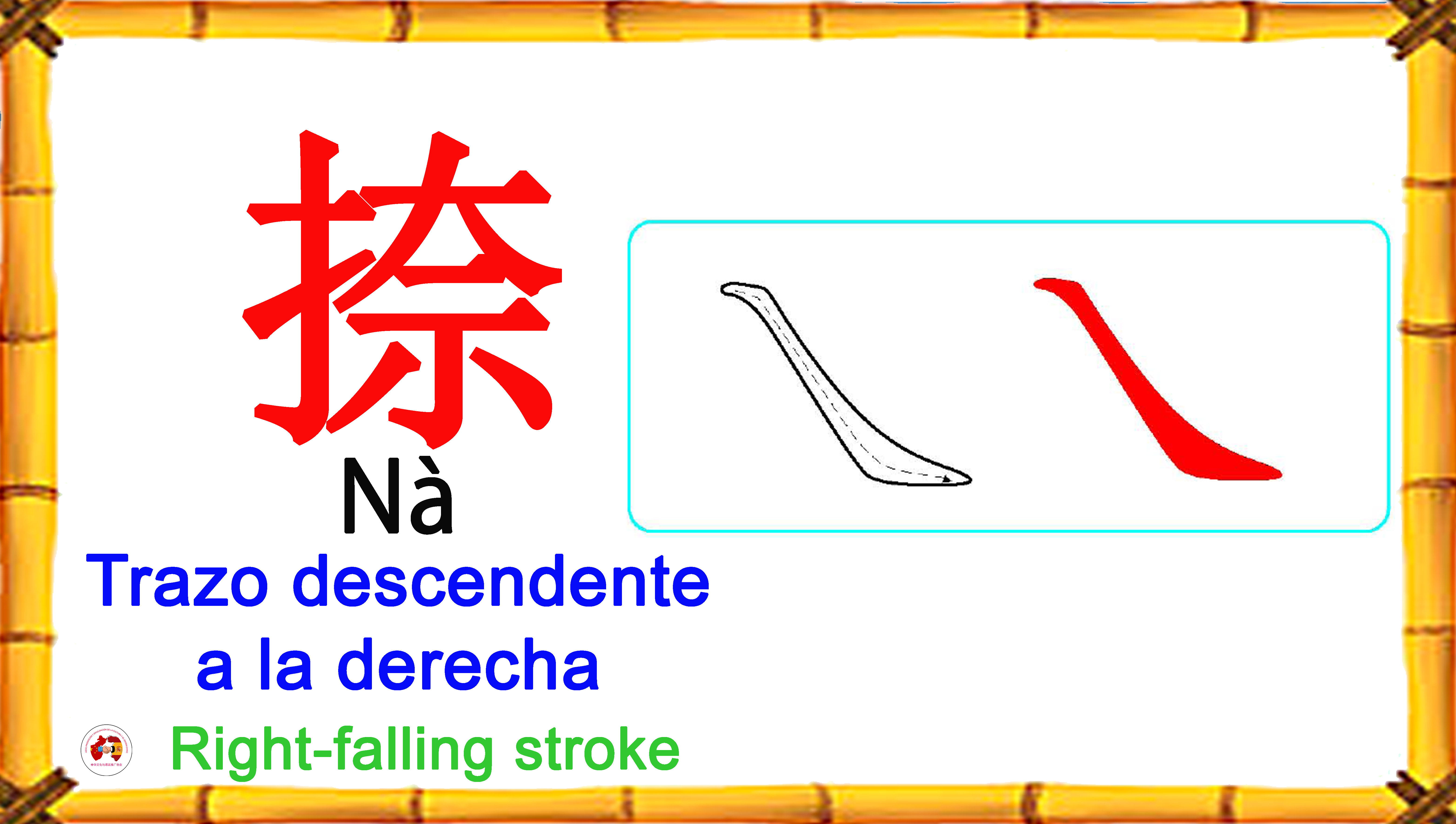
点击放大/clic para ampliar/click to enlarge
中文/Chino/Chinese
西班牙语/Español/Spanish
英语/inglés/English
** 部首/bù shǒu/Radical/Radical **

点击放大/clic para ampliar/click to enlarge
中文
Español
English
▶ 📝 评论 / Comentarios / Comments
• 与’撇’(piě)的完美组合: 在许多汉字中,’捺’起到了平衡左撇(’撇’ - piě)的作用。它们一起形成了一个稳固的基座,视觉上就像张开的双腿或房子的屋顶(如在’人’、’大’、’八’或’天’中)。
• 平捺(píng nà): 有时,这个笔画会变得更平缓,像一只’小船’或底座,用来承托汉字的其他部分。这在走之旁’辶’中非常具有代表性(如在’这’或’走’中)。
• 书法黄金法则: 中国书法中有一条经典规则叫’一字无两捺’(一个字中不应有两个突出的捺)。为了保持平衡和优雅,如果一个字的结构需要两个捺,其中一个通常会变成长点(’点’ - diǎn)。
• La pareja perfecta del ‘撇’ (piě): En muchísimos caracteres, el ‘捺’ actúa como el contrapeso del trazo descendente a la izquierda (‘撇’ - piě). Juntos forman una base estable, visualmente similar a unas piernas abiertas o al techo de una casa (como vemos en 人, 大, 八 o 天).
• La variante plana (平捺 - píng nà): A veces, este trazo se vuelve más horizontal y sirve como una ‘barca’ o base que sostiene otros componentes del carácter. Esto es muy característico del radical de movimiento ‘辶’ (como en 这 o 走).
• Regla de oro de la caligrafía: Hay una regla clásica en la escritura china que dice ‘un carácter no debe tener dos nà prominentes’. Para mantener el equilibrio y la elegancia, si un carácter debería tener dos, uno de ellos suele convertirse en un punto largo (‘点’ - diǎn).
• The perfect pair for ‘撇’ (piě): In many characters, the ‘捺’ acts as a counterbalance to the left-falling stroke (‘撇’ - piě). Together they form a stable base, visually similar to open legs or the roof of a house (as seen in 人, 大, 八, or 天).
• The flat variant (平捺 - píng nà): Sometimes, this stroke becomes more horizontal and serves as a ‘boat’ or base holding other components of the character. This is very characteristic of the movement radical ‘辶’ (as in 这 or 走).
• Golden rule of calligraphy: There is a classic rule in Chinese writing that says ‘a character should not have two prominent nà strokes’. To maintain balance and elegance, if a character is supposed to have two, one of them is usually changed into a long dot (‘点’ - diǎn).
6) 看kàn谁shéi有yǒu礼貌lǐmào/A ver quién es más educado/Let's see who is more polite
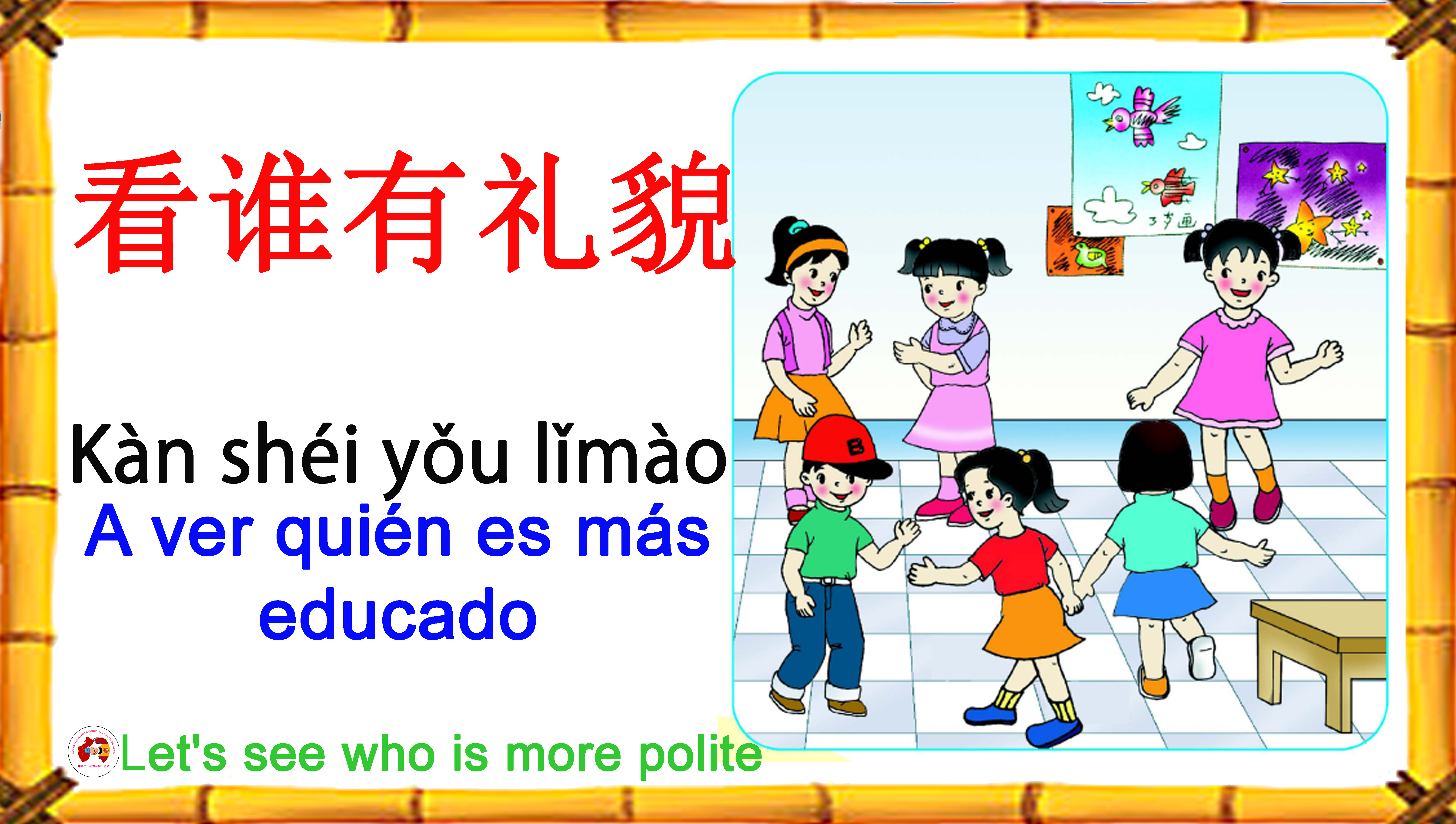
点击放大/clic para ampliar/click to enlarge
中文/Chino/Chinese
西班牙语/Español/Spanish
英语/inglés/English
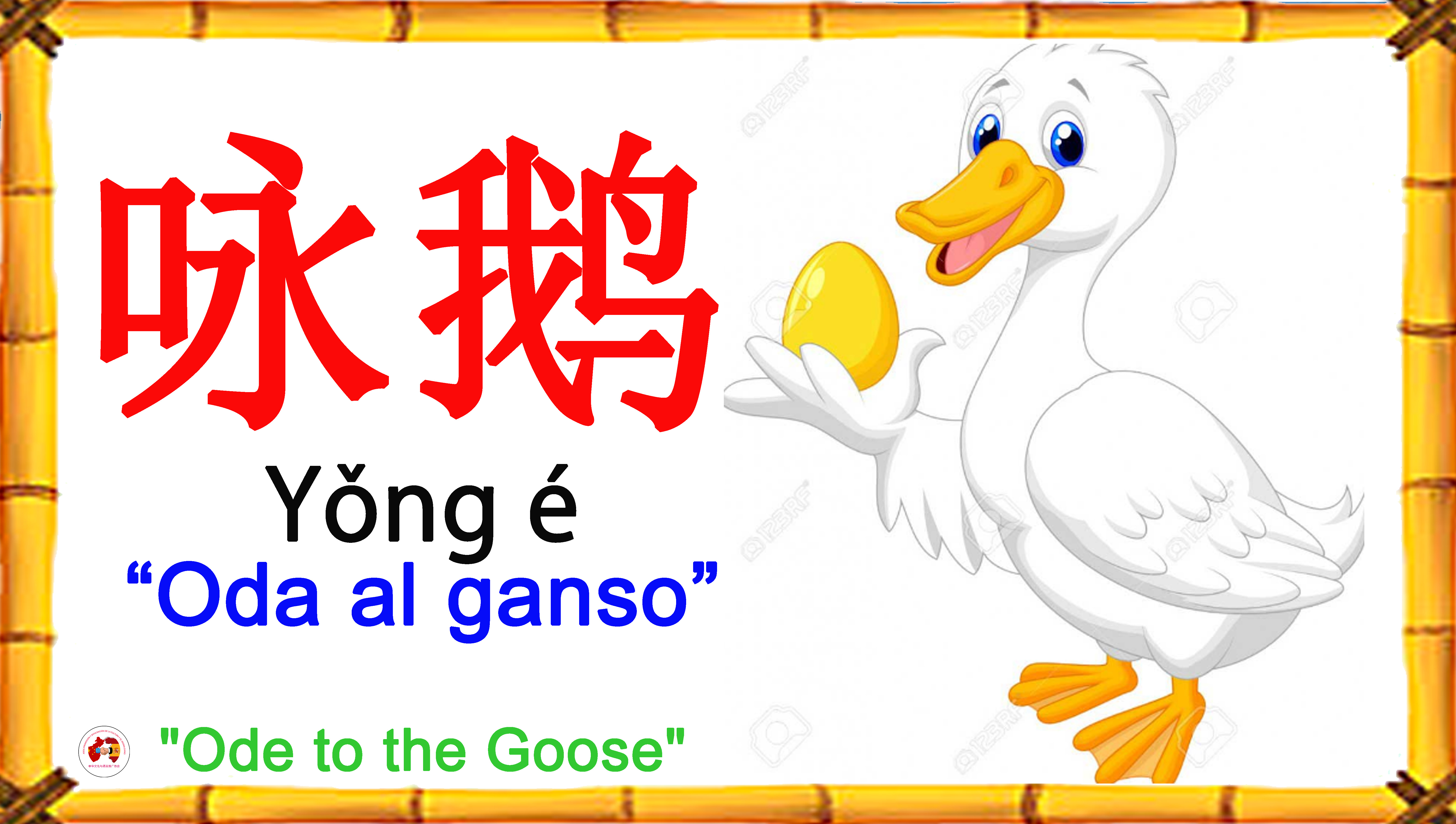
点击放大/clic para ampliar/click to enlarge
中文/Chino/Chinese
西班牙语/Español/Spanish
英语/inglés/English
** 字/zì/Caracteres/Characters **
(次/veces/times:1,2,3,4,5,6,7,8,9)
了解更多信息,请点击汉字。 Para más información clik en el Hanzi. For more information, click on the Hanzi.
汉字的音频/Audio de los Hanzi/Audio of the Hanzi
** 词汇/cí huì/Vocabulario/Vocabulary **
AVI: 词汇/Vocabulario/Vocabulary
中文/Chino/Chinese
西班牙语/Español/Spanish
英语/inglés/English

AVI: 听与重复/Escucha y repite/Listen and repeat
▶ 📝 评论 / Comentarios / Comments
• 规则的一致性: 继续保持当’一’(yi)位于两个动词之间时读轻声的规则,以及在 Yǒng'é(咏鹅)中强制使用隔音符号的规定。
• Consistencia en las reglas: Se mantiene el tono neutro en el ‘一’ (yi) cuando va entre verbos y el uso obligatorio del apóstrofo en Yǒng'é.
• Consistency in rules: The neutral tone rule for ‘一’ (yi) when placed between verbs is maintained, as well as the mandatory use of the apostrophe in Yǒng'é.
** 目录/mù lù/Indice de la página/Table of contents **
课文/Textos/Texts
词汇/Vocabulario/Vocabulary
补充材料/Materiales adicionales/Additional Materials

PDF与视频/PDF y videos/PDF and Videos
边玩边学/Aprenda jugando/Learn by Playing
学习西班牙语/Aprenda Español/Learn Spanish
