** 12_那是什么/Nà shì shénme?/¿Qué es eso?/What is that? **
点击放大/clic para ampliar/click to enlarge
点击放大/clic para ampliar/click to enlarge

AVI: 词汇/Vocabulario/Vocabulary
** 词汇/cí huì/Vocabulario/Vocabulary **
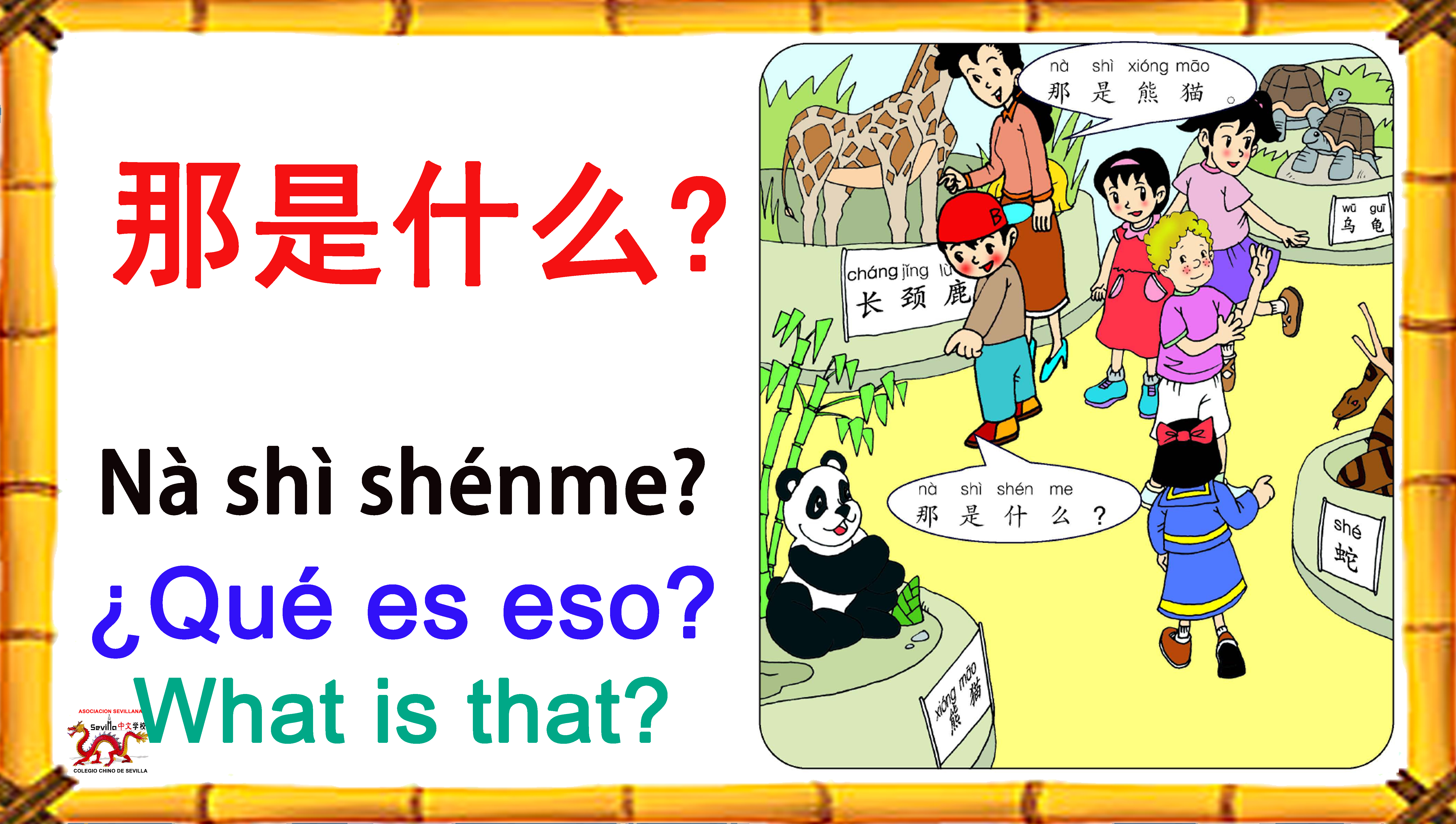
1) 那Nà是shì什么shénme?/¿Qué es eso?/What is that?
点击放大/clic para ampliar/click to enlarge
中文/Chino/Chinese
西班牙语/Español/Spanish
英语/inglés/English
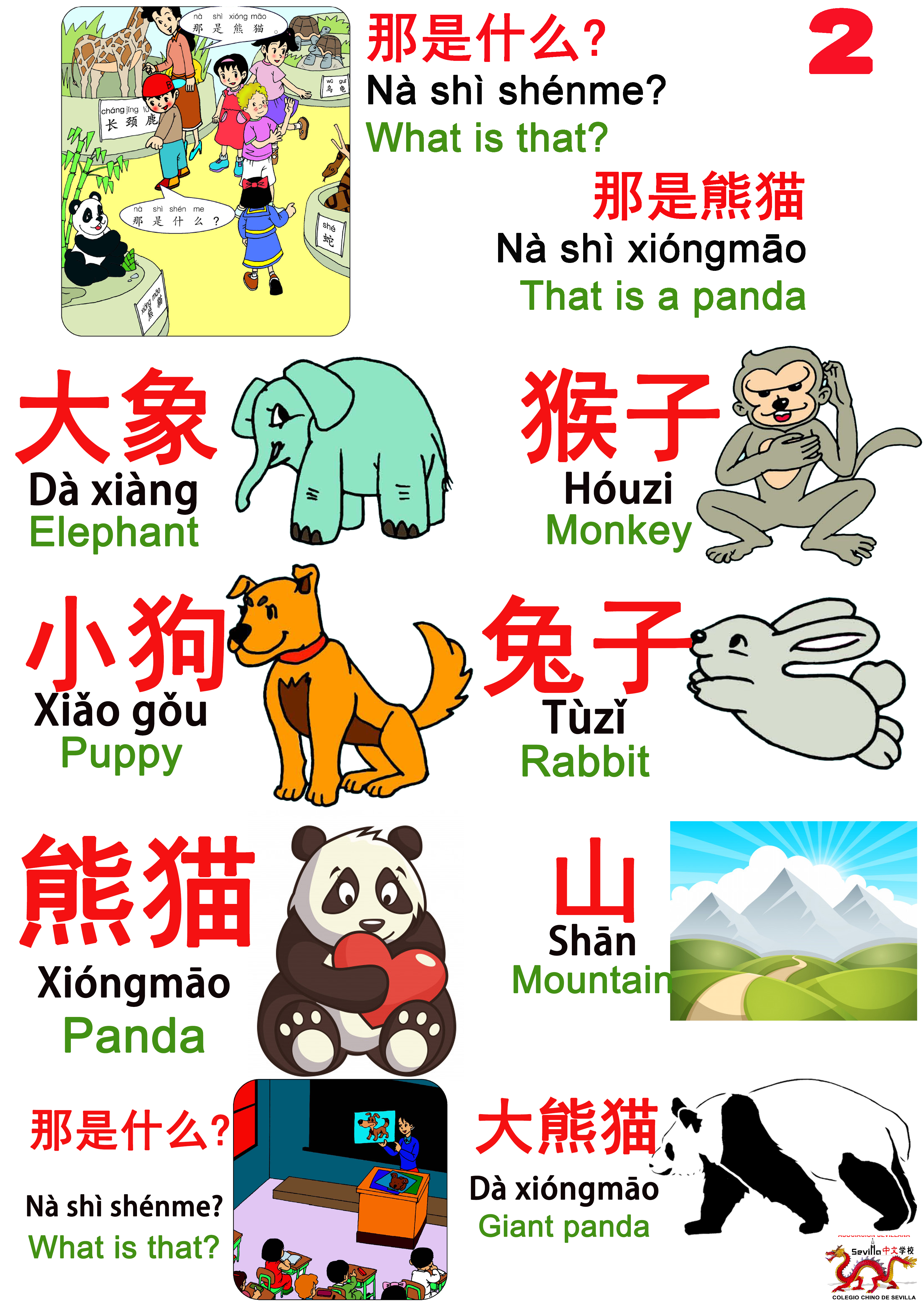
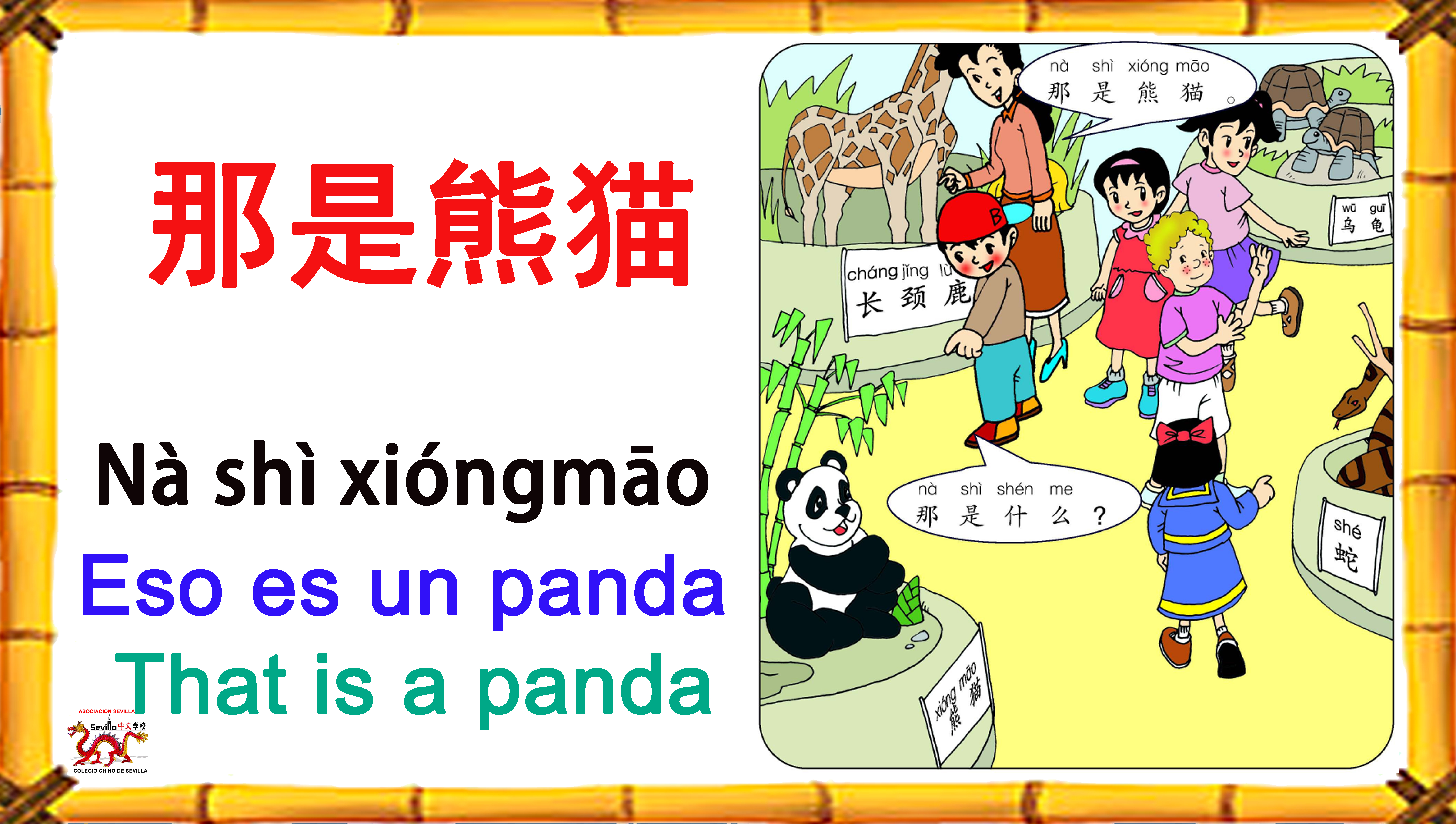
2) 那Nà是shì熊猫xióngmāo/Eso es un panda/That is a panda
点击放大/clic para ampliar/click to enlarge
中文/Chino/Chinese
西班牙语/Español/Spanish
英语/inglés/English
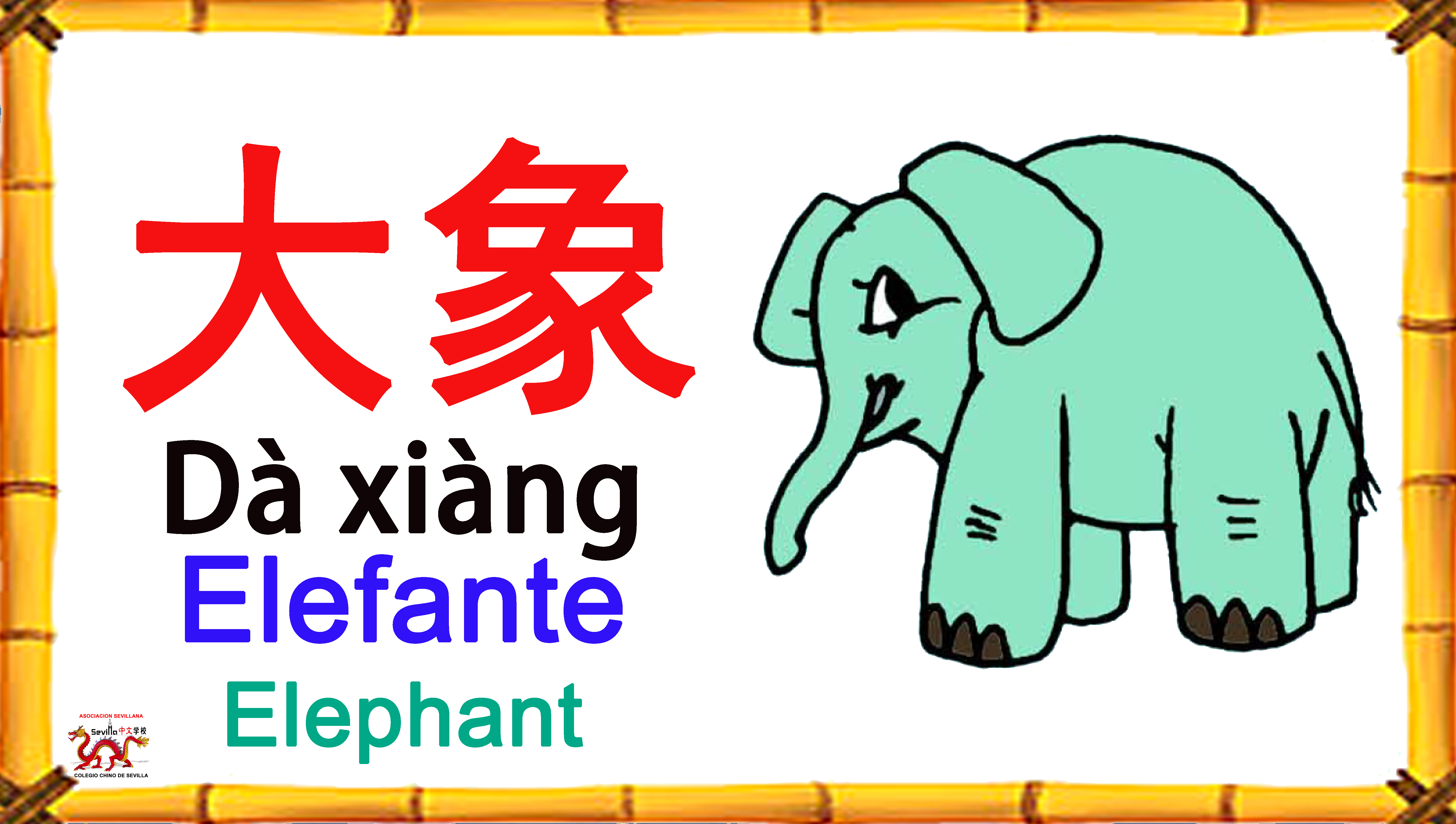
3) 大象Dàxiàng/Elefante/Elephant
点击放大/clic para ampliar/click to enlarge
中文/Chino/Chinese
西班牙语/Español/Spanish
英语/inglés/English
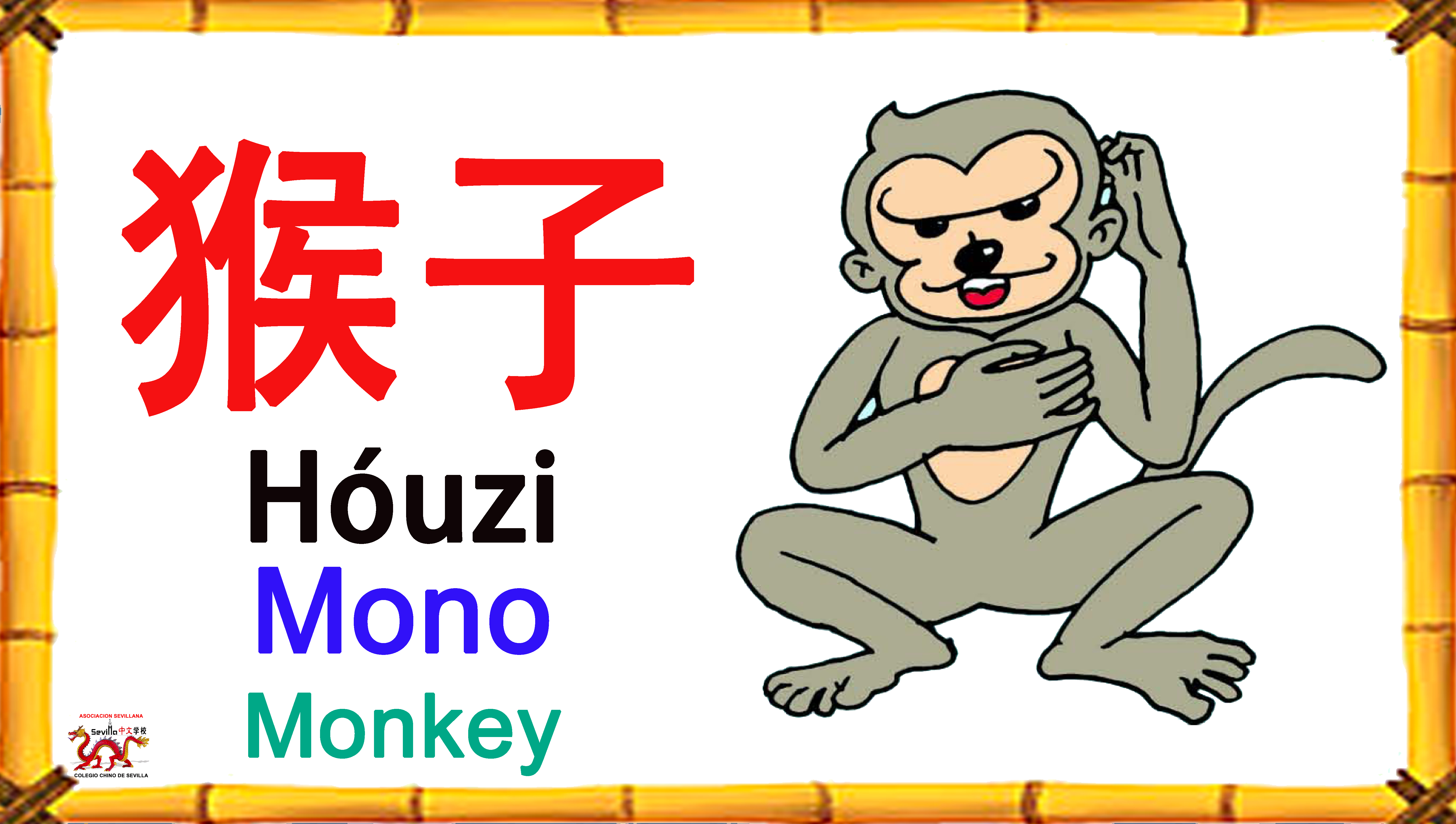
4) 猴子Hóuzi/Mono/Monkey
点击放大/clic para ampliar/click to enlarge
中文/Chino/Chinese
西班牙语/Español/Spanish
英语/inglés/English
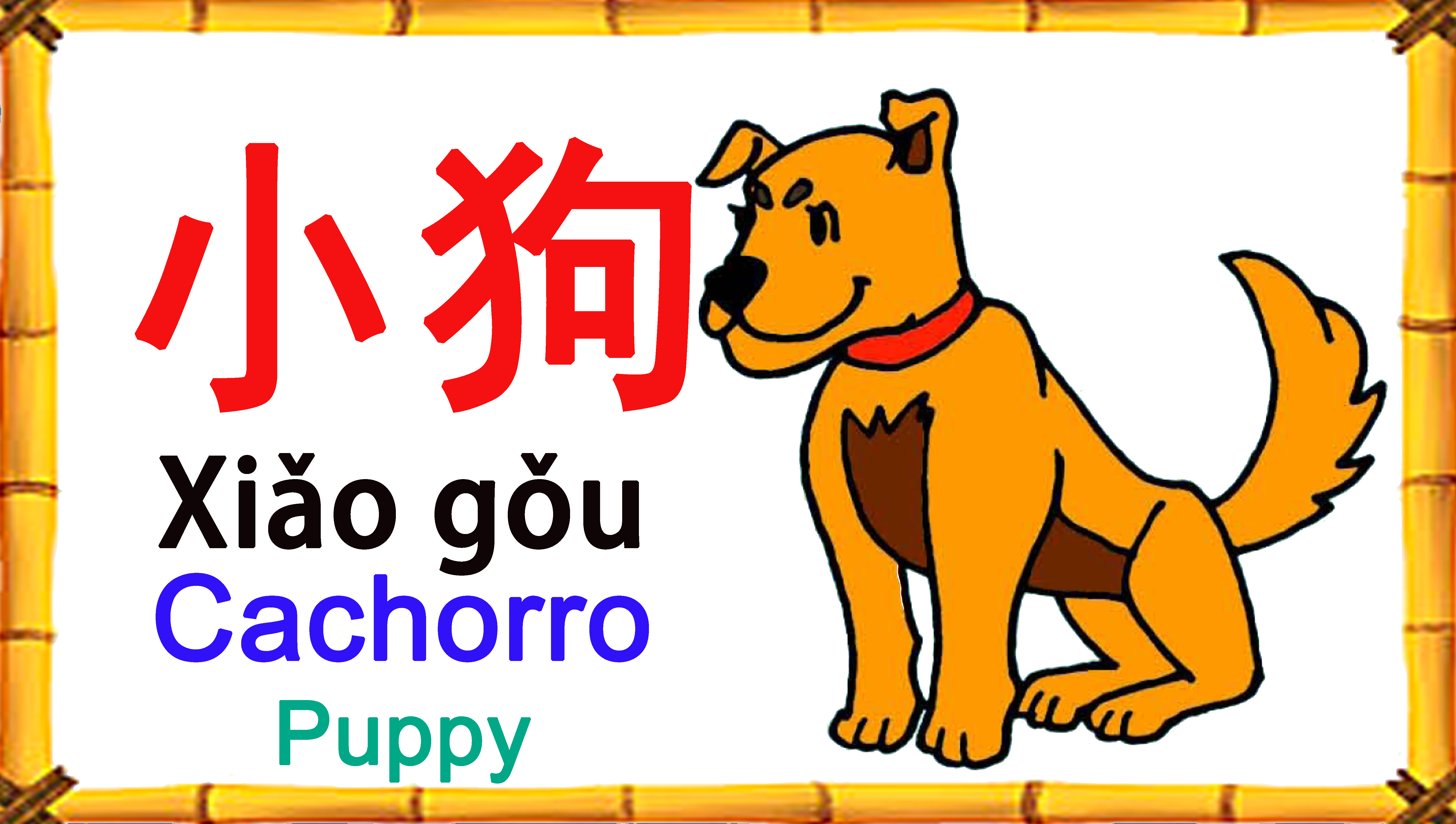
5) 小狗Xiǎogǒu/Cachorro/Puppy
点击放大/clic para ampliar/click to enlarge
中文/Chino/Chinese
西班牙语/Español/Spanish
英语/inglés/English
6) 兔子Tùzi/Conejo/Rabbit
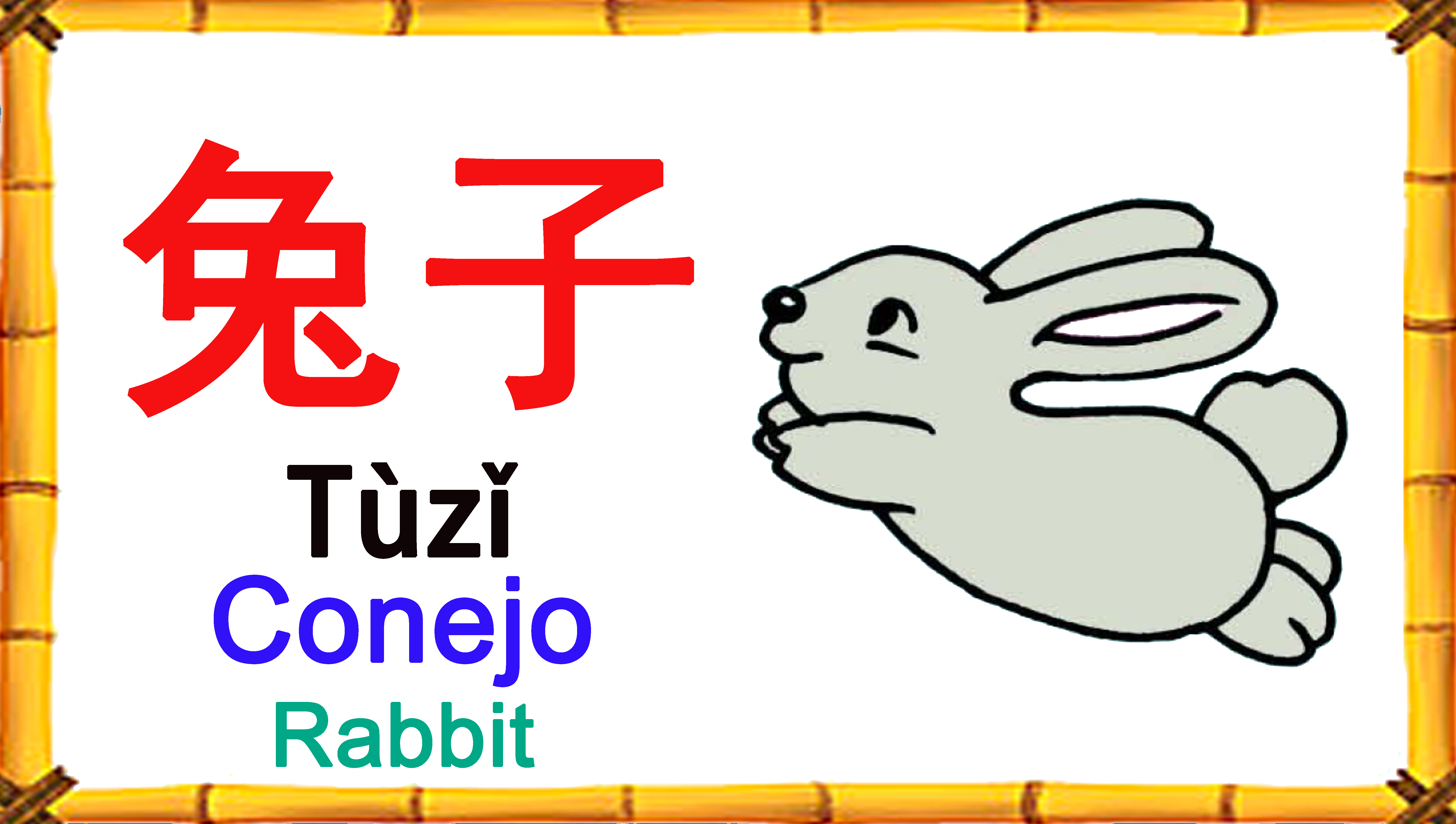
点击放大/clic para ampliar/click to enlarge
中文/Chino/Chinese
西班牙语/Español/Spanish
英语/inglés/English
7) 熊猫Xióngmāo/Panda/Panda
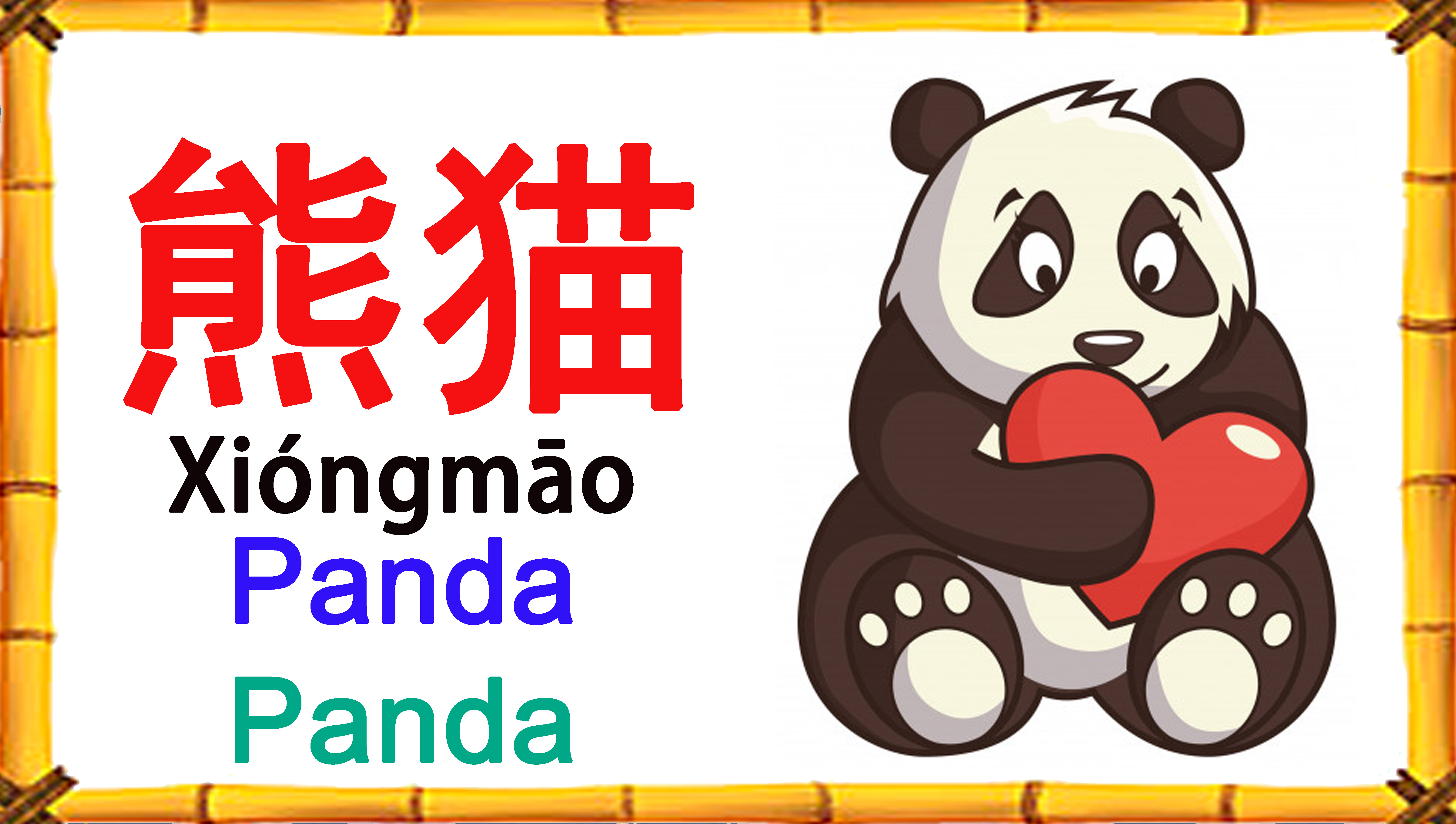
点击放大/clic para ampliar/click to enlarge
中文/Chino/Chinese
西班牙语/Español/Spanish
英语/inglés/English
8) 山Shān/Montaña/Mountain
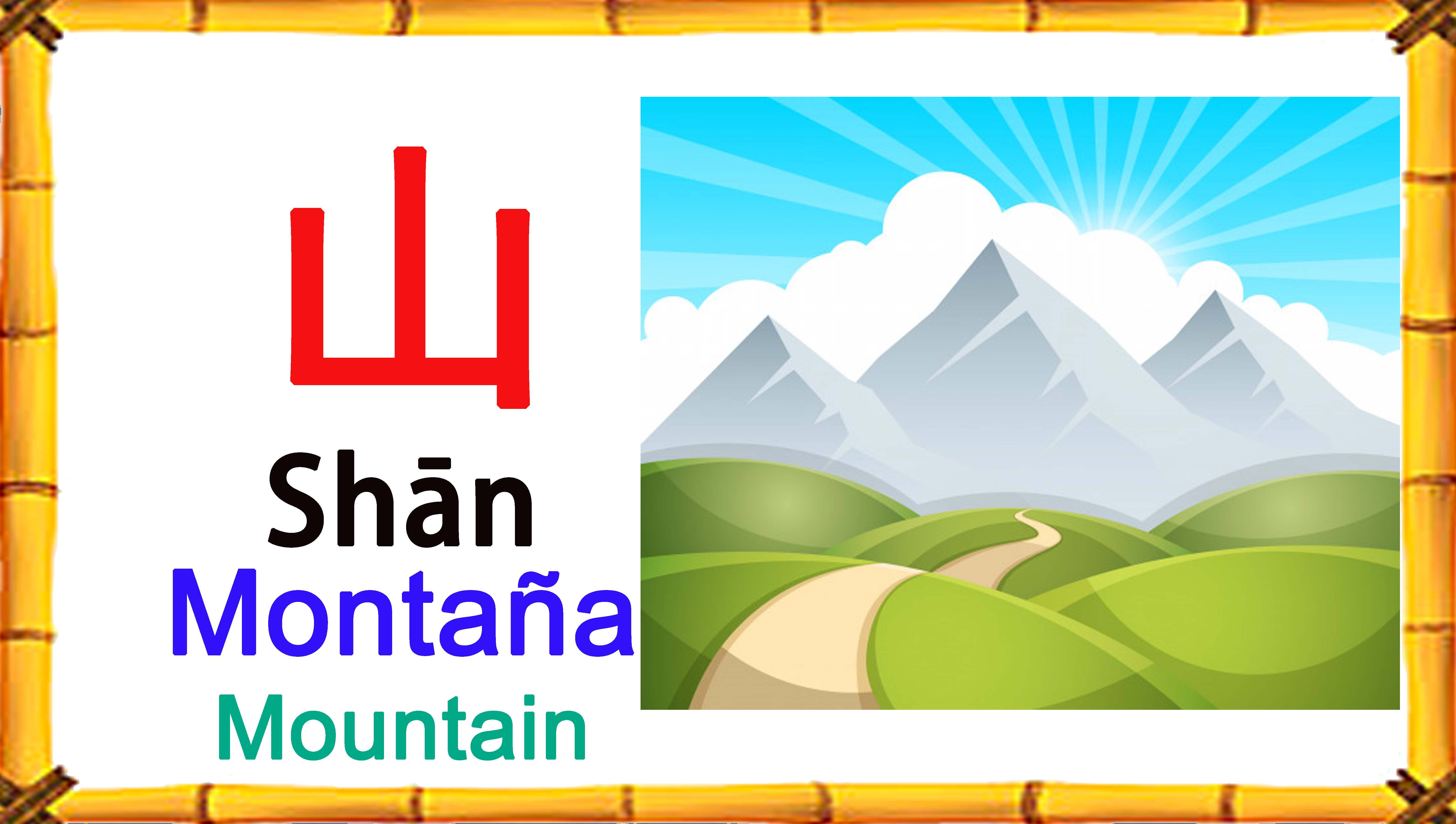
点击放大/clic para ampliar/click to enlarge
中文/Chino/Chinese
西班牙语/Español/Spanish
英语/inglés/English
** 超级汉字/chāojí hànzì/Super Carácter/super character **
中文/Chino/Chinese
西班牙语/Español/Spanish
英语/inglés/English
山
中文/Chino/Chinese
西班牙语/Español/Spanish
英语/inglés/English
▶ 📝 评论 / Comentarios / Comments
2. 笔顺规则(先写主峰): 尽管一般规则是从左往右写,但这个字的正确笔顺是:1)先写中间的竖画,2)接着写左边向下并向右折的复合笔画 (竖折 - shùzhé) ,3)最后写右边的短竖。
3. 作为偏旁部首(岩石与自然): 当 ‘山’ 作为偏旁 (山字旁) 时,它赋予了汉字山脉、岩石或自然地貌的含义。你会在 峰 (山峰) 、岩 (岩石) 或 岛 (岛屿) 等常见字中看到它。
4. 空间上的‘避让’原则: 当 ‘山’ 作为偏旁出现在汉字的左侧时 (如在 峰 中),它会变得更窄更长。这样做是为了给右侧的部件留出空间,体现了汉字书法中讲究的空间平衡与优雅。
2. Regla del orden de los trazos (El pico central primero): Aunque la regla general es escribir de izquierda a derecha, la forma correcta de escribir este carácter es: 1) primero el trazo vertical central, 2) luego el trazo izquierdo que baja y forma la base (un trazo compuesto llamado shùzhé), y 3) por último el trazo vertical de la derecha.
3. Como radical (La naturaleza rocosa: Cuando ‘山’ funciona como radical (山字旁) , aporta el significado de montaña, roca o relieve natural. Lo verás en caracteres muy comunes como 峰 (cima) , 岩 (roca) o 岛 (isla) .
4. El principio de ‘cortesía’ espacial: Al colocarse como radical en el lado izquierdo de un carácter (como en 峰) , el ‘山’ se vuelve más estrecho y alargado. Esto se hace para dejar espacio a los demás componentes, demostrando el equilibrio y la elegancia del espacio en la caligrafía china.
2. Stroke order rule (Center peak first): Although the general rule is to write from left to right, the correct way to write this character is: 1) first the central vertical stroke, 2) then the left stroke that goes down and forms the base (a compound stroke called shùzhé) , and 3) finally the vertical stroke on the right.
3. As a radical (Rocky nature): When ‘山’ acts as a radical (山字旁) , it adds the meaning of a mountain, rock, or natural terrain. You will see it in very common characters like 峰 (peak) , 岩 (rock) , or 岛 (island) .
4. The principle of spatial ‘courtesy’: When ‘山’ is placed as a radical on the left side of a character (as in 峰) , it becomes narrower and taller. This is done to leave room for the other components, demonstrating the spatial balance and elegance of Chinese calligraphy.
9) 那Nà是shì什么shénme?/¿Qué es eso?/What is that?
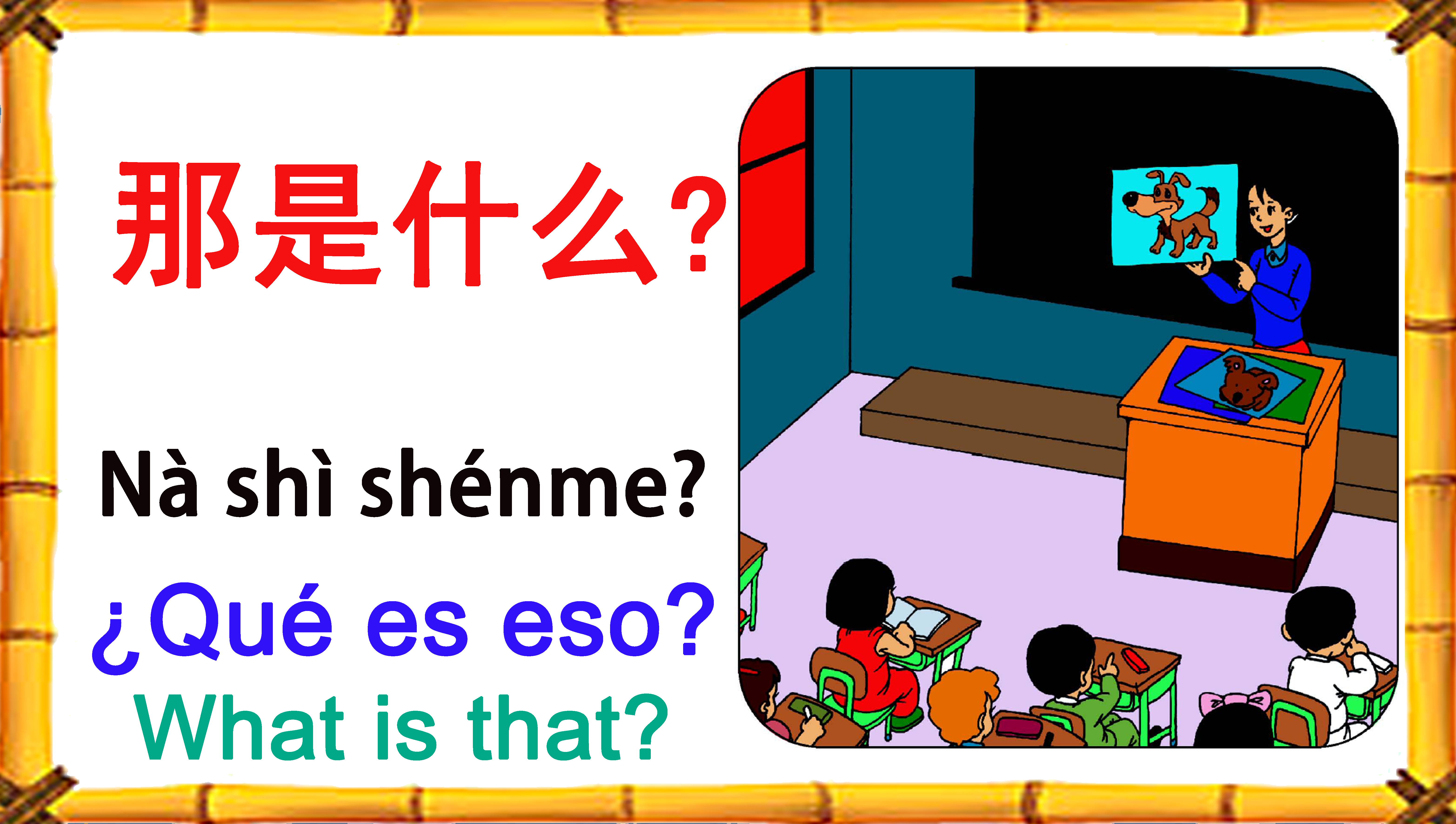
点击放大/clic para ampliar/click to enlarge
中文/Chino/Chinese
西班牙语/Español/Spanish
英语/inglés/English
10) 大熊猫Dàxióngmāo/Panda gigante/Giant panda
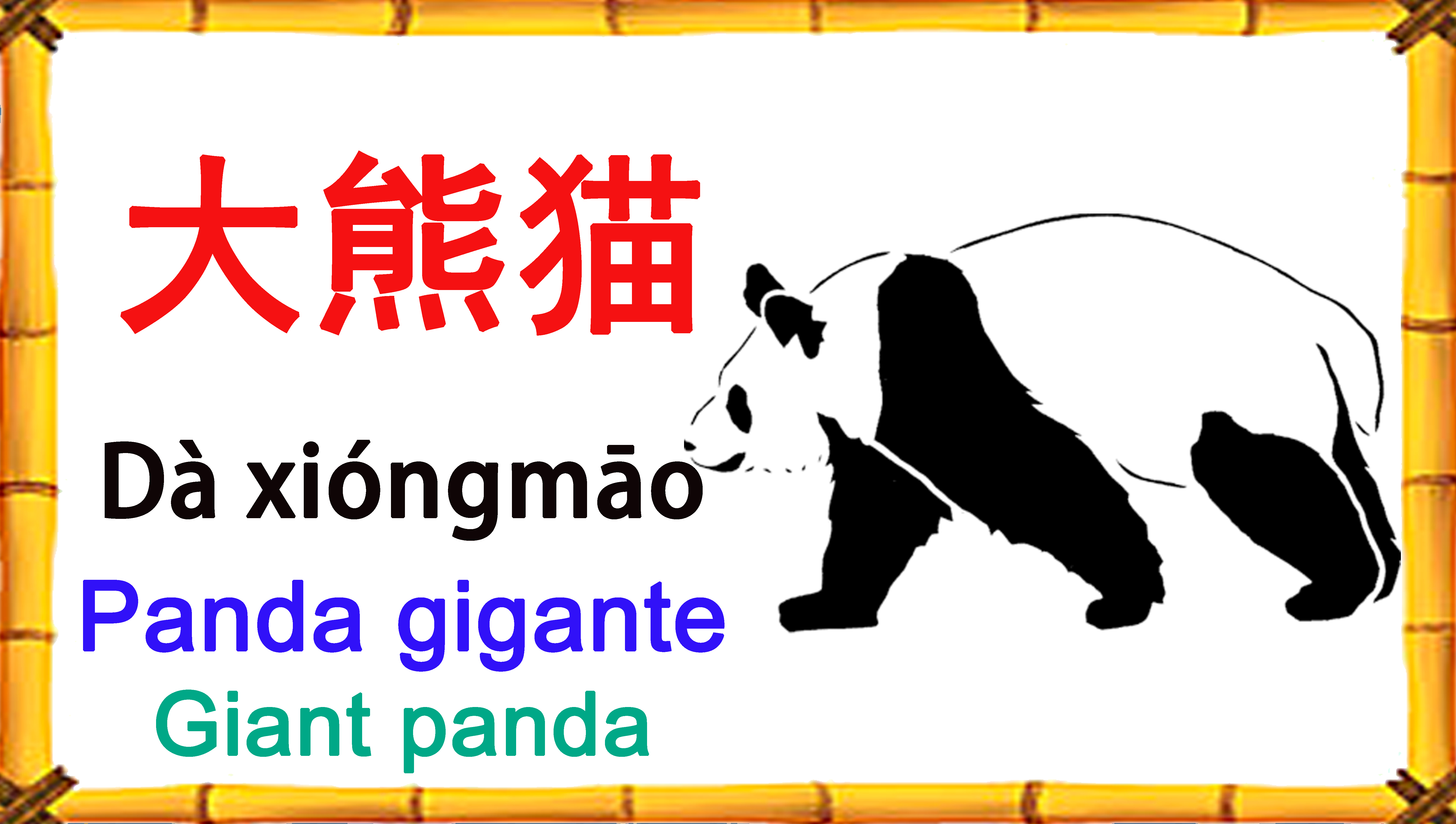
点击放大/clic para ampliar/click to enlarge
中文/Chino/Chinese
西班牙语/Español/Spanish
英语/inglés/English
** 字/zì/Caracteres/Characters **
(次/veces/times:1,2,3,4,5,6,7,8,9)
了解更多信息,请点击汉字。 Para más información clik en el Hanzi. For more information, click on the Hanzi.
汉字的音频/Audio de los Hanzi/Audio of the Hanzi
** 词汇/cí huì/Vocabulario/Vocabulary **
AVI: 词汇/Vocabulario/Vocabulary
中文/Chino/Chinese
西班牙语/Español/Spanish
英语/inglés/English

AVI: 听与重复/Escucha y repite/Listen and repeat
▶ 📝 评论 / Comentarios / Comments
2. 熊猫还是大熊猫?: 列表中同时出现了 熊猫 和 大熊猫。在前面加上 大 (dà) 字,特指标志性的黑白大熊猫。这样做是为了将它与其他动物区分开来,比如可爱的小熊猫 小熊猫 (xiǎoxióngmāo) 。
2. ¿Panda o Panda Gigante?: En la lista aparecen tanto 熊猫 (Panda) como 大熊猫 (Panda gigante) . Al añadir el carácter 大 (dà - grande) al principio, nos referimos específicamente al icónico oso panda. Esto se hace para diferenciarlo de otros animales, como el simpático panda rojo 小熊猫 – xiǎoxióngmāo, literalmente ‘panda pequeño’.
2. Panda or Giant Panda?: Both 熊猫 (Panda) and 大熊猫 (Giant panda) appear on the list. By adding the character 大 (dà - big) at the beginning, we specifically refer to the iconic giant panda. This is done to distinguish it from other animals, such as the cute red panda 小熊猫 - xiǎoxióngmāo, literally ‘little panda’.
** 目录/mù lù/Indice de la página/Table of contents **
课文/Textos/Texts
词汇/Vocabulario/Vocabulary
补充材料/Materiales adicionales/Additional Materials

PDF与视频/PDF y videos/PDF and Videos
边玩边学/Aprenda jugando/Learn by Playing
学习西班牙语/Aprenda Español/Learn Spanish
