** 07_我叫宝宝/Wǒ jiào Bǎobao/Mi nombre es Baobao/My name is Baobao **
** 跟宝宝学西班牙语/Gēn bǎobǎo xué xībānyá yǔ/Aprenda Español con Baobao/Learn Spanish with Baobao **
BaoBao 的材料使用 3种语言 (中文/西班牙语/英语) 编写,专为让西班牙和英国的儿童以轻松有趣的方式学习中文而设计。但它也适合年龄较大的中国孩子 (成人) 学习英语,特别是西班牙语,为此我们将在这个 子页面 中提供 专属材料。
El material de BaoBao está escrito en 3 idiomas (chino/español/inglés) , pensado especialmente para que los niños españoles e ingleses aprendan chino de forma amena y divertida. Pero también sirve para que niños mayores (adultos) de nacionalidad china aprendan inglés y, especialmente, español, para lo cual en esta subpágina pondremos materiales específicos para ello.
The BaoBao material is written in 3 languages (Chinese/Spanish/English) , specially designed for Spanish and English children to learn Chinese in a fun and enjoyable way. But it is also useful for older Chinese children (adults) to learn English and, especially, Spanish, for which we will include specific materials on this subpage.
Lección 06 / 第6课
La letra N
字母 N · 第一课** 词汇/cíhuì/Vocabulario/Vocabulary **
** 书法/shūfǎ/Caligrafía/Calligraphy **
Trazos para la n
** 歌曲/gēqǔ/Canción/Song **
** 发音/fāyīn/Pronunciación/Pronunciation **
** 测验/cèyàn/Quiz/Quiz **
** 城市/chéngshì/Ciudades/cities **
Lección 7 / 第7课
La letra 什么
字母 什么 · 第一课Aprenda también Español con Baobao/也和宝宝一起学习西班牙语吧!
你Nǐ叫jiào什么shénme名字míngzi?/¿Cuál es tu nombre?/What's your name?
** 词汇/cíhuì/Vocabulario/Vocabulary **
** 歌曲/gēqǔ/Canción/Song **
** 测验/cèyàn/Quiz/Quiz **
** 书法/shūfǎ/Caligrafía/Calligraphy **

PDF: 书法练习/Caligrafia/Handwriting practice
▶ 📝 评论 / Comentarios / Comments
熟悉发音带来的轻松感:与学习 P 或 T 时面临的挑战不同,字母 N 对中国学生来说是一股清新的空气。它的发音实际上与拼音中的’n’(如在’年,nián’中)完全相同。这有助于建立学生的自信心,向他们证明西班牙语中也有非常容易掌握的发音。
2. 鼻音与延续音:值得强调的是,N 是一个延续音。T 是干脆的爆破音,而 N 则可以把声音拉长(’nnnn’)。在发 nieve (雪) 、noche (夜晚) 或 nido (鸟巢) 等词时,感受鼻子里的轻微振动,能帮助孩子们更好地感知自己的发音器官。
3. 诗意与自然:本课的歌曲极具诗意,并引入了自然环境的词汇。通过吟唱看着 nube (云朵) 和 noche (黑夜) 的 niño (男孩) ,我们激发了想象力,将文字与强烈的视觉图像联系起来,从而大大降低了记忆词汇的难度。
4. 第七课评论 (什么 / 歌曲:小兔乖乖)
身份与社交:¿Cuál es tu nombre? (你叫什么名字?) 这句话是结交新朋友的万能钥匙。掌握这句话,连同回答 Mi nombre es... (我叫...) ,能让学生在任何西班牙语环境中自信地介绍自己,迈出真实对话的第一步。
5. 童年经典回忆:小兔乖乖 (Conejito bueno) 这首歌无疑是中国文化中根深蒂固的童谣之一。将这个关于安全防范(不给陌生人开门)的传统故事翻译成西班牙语,能瞬间产生情感共鸣。孩子们可以把这首歌演出来,假装敲门,或者在说 no abro, no voy a abrir (不开不开,我不开) 时摇头,这将课堂变成了一个令人难忘的互动剧场。
El alivio de un sonido familiar: A diferencia de los retos que presentaban la P o la T, la letra N es un soplo de aire fresco para los estudiantes chinos. Su pronunciación es prácticamente idéntica a la ‘n’ del pinyin (como en 年, nián). Esto ayuda a construir confianza en los alumnos, demostrando que el español también tiene sonidos muy accesibles y familiares.
2. La vibración nasal y continua: Es importante destacar que la N es un sonido continuo. Mientras que la T es una explosión seca, la N permite alargar el sonido (‘nnnn’). Sentir esa ligera vibración en la nariz al pronunciar palabras como nieve, noche o nido ayuda a los niños a tomar conciencia de su propio aparato fonador.
3. Poesía y naturaleza: La canción de esta lección es muy poética e introduce vocabulario del entorno natural. Al cantar sobre el niño que mira la nube y la noche, fomentamos la imaginación y conectamos las palabras con imágenes visuales fuertes, facilitando enormemente la memorización del vocabulario.
4. Comentario de la Lección 07 (什么 / Canción: 小兔乖乖)
Identidad y socialización: La pregunta ¿Cuál es tu nombre? (你叫什么名字?) es la llave maestra para hacer nuevos amigos. Dominar esta frase, junto con la respuesta Mi nombre es... (我叫...) , empodera a los estudiantes para presentarse con seguridad en cualquier entorno hispanohablante, dando el primer paso hacia una conversación real.
5. Un clásico de la infancia: La canción del Conejito bueno (小兔乖乖) es, sin duda, una de las melodías más arraigadas en la cultura china. Utilizar este cuento tradicional sobre la precaución (no abrir la puerta a extraños) y traducirlo al español genera una conexión emocional instantánea. Los niños pueden actuar la canción, simulando llamar a la puerta o negando con la cabeza al decir no abro, no voy a abrir (不开不开,我不开) , lo que convierte la clase en un teatro interactivo y memorable.
The relief of a familiar sound: Unlike the challenges presented by the P or the T, the letter N is a breath of fresh air for Chinese students. Its pronunciation is practically identical to the ‘n’ in pinyin (as in 年, nián). This helps build confidence in the students, showing them that Spanish also has very accessible and familiar sounds.
2) Nasal and continuous vibration: It is important to note that the N is a continuous sound. While the T is a dry explosion, the N allows you to stretch the sound (‘nnnn’). Feeling that slight vibration in the nose when pronouncing words like nieve (snow) , noche (night) , or nido (nest) helps children become aware of their own vocal apparatus.
3) Poetry and nature: The song in this lesson is very poetic and introduces vocabulary from the natural environment. By singing about the niño (boy) looking at the nube (cloud) and the noche (night) , we foster imagination and connect words with strong visual images, making vocabulary memorization much easier.
4) Commentary for Lesson 07 (什么 / Song: 小兔乖乖)
Identity and socialization: The question ¿Cuál es tu nombre? (你叫什么名字?) is the master key to making new friends. Mastering this phrase, along with the answer Mi nombre es... (我叫...) , empowers students to confidently introduce themselves in any Spanish-speaking environment, taking the first step towards a real conversation.
5) A childhood classic: The song Conejito bueno (小兔乖乖) is undoubtedly one of the most deeply rooted melodies in Chinese culture. Using this traditional tale about caution (not opening the door to strangers) and translating it into Spanish generates an instant emotional connection. Children can act out the song, pretending to knock on the door or shaking their heads when saying no abro, no voy a abrir (不开不开,我不开) , which turns the class into a memorable interactive theater.
** 目录/mù lù/Indice de la página/Table of contents **
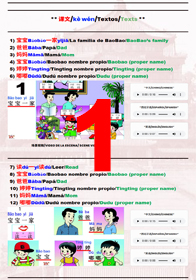
课文/Textos/Texts
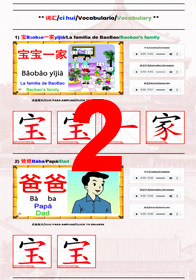
词汇/Vocabulario/Vocabulary
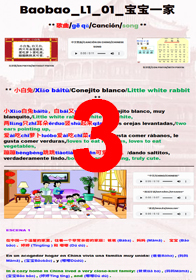
补充材料/Materiales adicionales/Additional Materials

PDF与视频/PDF y videos/PDF and Videos
边玩边学/Aprenda jugando/Learn by Playing
学习西班牙语/Aprenda Español/Learn Spanish
