** 07_我叫宝宝/Wǒ jiào Bǎobao/Mi nombre es Baobao/My name is Baobao **
** 额外内容/Contenido adicional/Additional Content **
** 歌曲/gē qǔ/Canción/song **

无拼音/Sin pinyin/Without pinyin
中文歌曲/Canción en chino/Chinese song
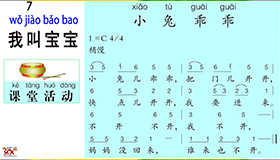
有拼音/Con pinyin/With pinyin
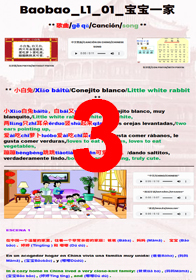
** 小兔乖乖/Xiǎotù guāiguāiConejito bueno/Good little bunny **
兔儿Xiǎotùr乖乖guāiguāi,/Conejito bueno,/Good little bunny,
把Bǎ门儿ménr开开kāikai,/Abre la puerta,/Open the door,
快点儿Kuàidiǎnr开开kāikai,/Ábrela rápido,/Open it quickly,
我Wǒ要yào进来jìnlái。/Quiero entrar./I want to come in.
不Bù开kāi不bù开kāi,我wǒ不bù开kāi。/No abro, no abro, no voy a abrir./No, no, I won't open it.
妈妈Māma没méi回来huílái,/Mamá no ha vuelto,/Mom isn't back yet,
谁Shéi来lái也yě不bù开kāi。/No abriré a nadie./I won't open it for anyone.
▶ 📝 评论 / Comentarios / Comments
2. 动词 开 (kāi) 的重叠:就像我们之前学过的 wòwo shǒu (握握手) 一样,当重复动词’开’ (开开 - kāikai) 时,第二个音节通常读得更轻,并且在拼音中连写成一个词。
2. Repetición del verbo 开 (kāi) : Igual que vimos con wòwo shǒu (dar la mano) , al repetir el verbo abrir (开开 - kāikai) , la segunda sílaba suele pronunciarse de forma más ligera y se agrupa en una sola palabra.
2. Repetition of the verb 开 (kāi) : Just as we saw with wòwo shǒu (to shake hands) , when the verb to open is repeated (开开 - kāikai) , the second syllable is usually pronounced more lightly and they are grouped together as a single word in pinyin.
** 历史/Lìshǐ/La historia/history **
** 我叫宝宝/Wǒ jiào Bǎobao/Me llamo Baobao/My name is Baobao **
AVI: 中文/En chino /En Chinese
中文/Chino/Chinese
AVI: 西班牙语/En español/En Spanish
西班牙语/Español/Spanish
AVI: 英语/En inglés /En English
英语/inglés/English
中文/Chino/Chinese
西班牙语/Español/Spanish
英语/inglés/English
ESCENA 1:
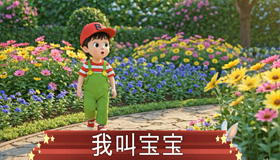
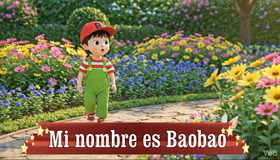
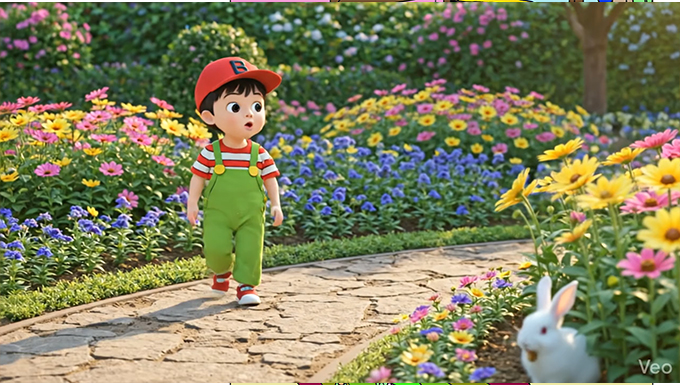
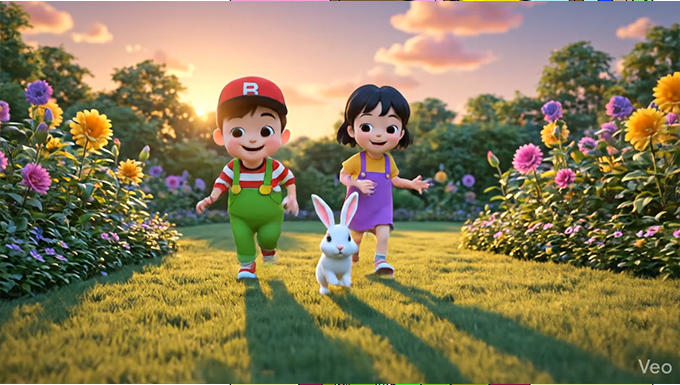
(Baobao) 在花园里散步时,看到一只小白兔在花丛间蹦跳。
Mientras paseaba por el jardín, (宝宝Bǎobǎo) vio un conejito blanco saltando entre las flores.
While strolling in the garden, (宝宝Bǎobǎo) saw a white rabbit hopping among the flowers.
中文/Chino/Chinese
西班牙语/Español/Spanish
英语/inglés/English
ESCENA 2:
中文/Chino/Chinese
西班牙语/Español/Spanish
英语/inglés/English
ESCENA 3:

中文/Chino/Chinese
西班牙语/Español/Spanish
英语/inglés/English
ESCENA 4:
中文/Chino/Chinese
西班牙语/Español/Spanish
英语/inglés/English
Escena 5:
他们一起玩到黄昏,为有了一个能称呼 (Nombre/Name) 的朋友而感到开心。
Juntos jugaron hasta el atardecer, felices de haber encontrado un amigo al (什么shénme) (叫jiào) por su (名字míngzi) .
Together, they played until dusk, happy to have found a friend (叫jiào) by (名字míngzi) .

中文/Chino/Chinese
西班牙语/Español/Spanish
英语/inglés/English
ESCENA 6:
** 未替换/wèi tìhuàn/No sustituidas/Not substituted **
** 词汇/cí huì/Vocabulario/Vocabulary **

AVI: 词汇/Vocabulario/Vocabulary
中文/Chino/Chinese
西班牙语/Español/Spanish
英语/inglés/English

AVI: 听与重复/Escucha y repite/Listen and repeat
▶ 📝 评论 / Comentarios / Comments
2. 词语组合: 复合词汇被连接在一起,例如 jièshào (介绍) 、zìjǐ (自己) 、Xiǎotù (小兔) 和 guāiguāi (乖乖/听话) 。
3. 乖兔子: 当在你的文本中使用 (’你是一只小兔乖乖’) 时,它起到了一个非常甜美的概括性描述的作用。就像是在对小动物说: ‘你是童话里那种经典的乖乖兔’ 。如果我们使用 (好 / Hǎo = bueno;兔兔 / tù tu = conejito,充满童趣的说法) ,它就是一个专有名词或昵称。通过重叠兔子的汉字 (tu tu) ,听起来完全就是小孩子的语气。它更加亲切和直接。
2. Agrupación de palabras: Se han unido los términos compuestos como jièshào (presentar), zìjǐ (uno mismo) , Xiǎotù (conejito) y guāiguāi (bueno/obediente) .
3. Conejito bueno: Cuando se usa en tu texto ('eres un 小兔乖乖') , funciona como una descripción general muy dulce. Es como decirle al animalito: 'Eres el clásico conejito bueno de los cuentos' . Y si usamos (好 / Hǎo = bueno; 兔兔 / tù tu = conejito, dicho de forma infantil) , es un nombre propio o apodo. Al repetir el carácter del conejo (tu tu) , suena exactamente a cómo hablaría un niño pequeño. Es más personal y directo.
2. Word grouping: Compound terms have been joined together, such as jièshào (to introduce) , zìjǐ (oneself) , Xiǎotù (little rabbit) , and guāiguāi (good/obedient) .
3. Good bunny: When used in your text ('you are a 小兔乖乖') , it works as a very sweet general description. It's like telling the little animal: 'You are the classic good bunny from the fairy tales' . And if we use (好 / Hǎo = good; 兔兔 / tù tu = bunny, said in a childish way) , it is a proper name or nickname. By repeating the rabbit character (tu tu) , it sounds exactly like how a little kid would speak. It's more personal and direct.
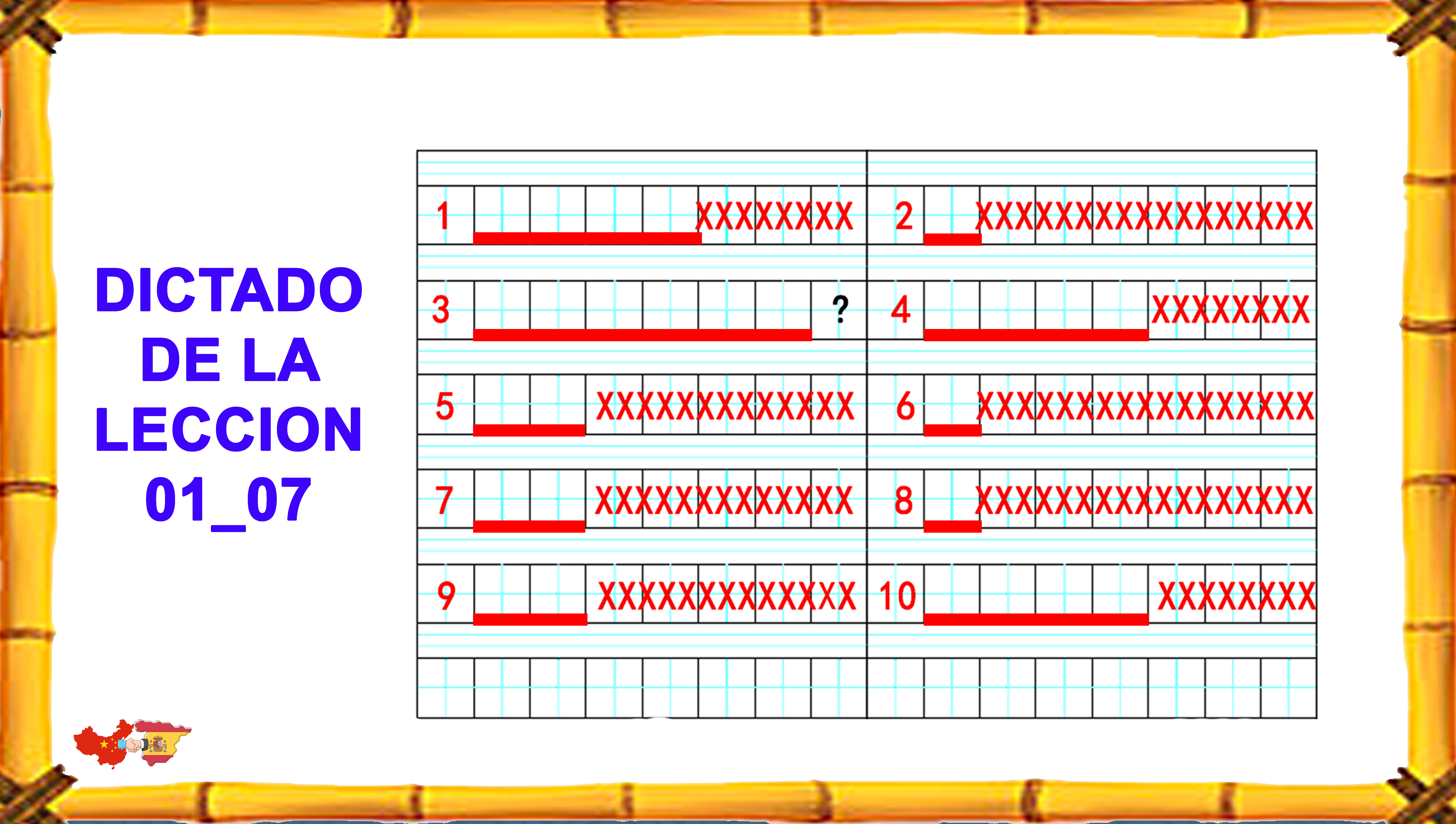
** 听写/Tīngxiě/Dictado/Dictation **
点击放大/clic para ampliar/click to enlarge
听写音频/Audio del dictado/Dictation audio

AVI: 听写/Dictado/Dictation

DICTADO VOCABULARIO
** 目录/mù lù/Indice de la página/Table of contents **
课文/Textos/Texts
词汇/Vocabulario/Vocabulary
补充材料/Materiales adicionales/Additional Materials

PDF与视频/PDF y videos/PDF and Videos
边玩边学/Aprenda jugando/Learn by Playing
学习西班牙语/Aprenda Español/Learn Spanish
