** 05_再见/zàijiàn/Adiós/Goodbye **
** 跟宝宝学西班牙语/Gēn bǎobǎo xué xībānyá yǔ/Aprenda Español con Baobao/Learn Spanish with Baobao **
BaoBao 的材料使用 3种语言 (中文/西班牙语/英语) 编写,专为让西班牙和英国的儿童以轻松有趣的方式学习中文而设计。但它也适合年龄较大的中国孩子 (成人) 学习英语,特别是西班牙语,为此我们将在这个 子页面 中提供 专属材料。
El material de BaoBao está escrito en 3 idiomas (chino/español/inglés) , pensado especialmente para que los niños españoles e ingleses aprendan chino de forma amena y divertida. Pero también sirve para que niños mayores (adultos) de nacionalidad china aprendan inglés y, especialmente, español, para lo cual en esta subpágina pondremos materiales específicos para ello.
The BaoBao material is written in 3 languages (Chinese/Spanish/English) , specially designed for Spanish and English children to learn Chinese in a fun and enjoyable way. But it is also useful for older Chinese children (adults) to learn English and, especially, Spanish, for which we will include specific materials on this subpage.
Lección 04 / 第四课
La letra P
字母 P · 第一课** 词汇/cíhuì/Vocabulario/Vocabulary **
** 书法/shūfǎ/Caligrafía/Calligraphy **
Trazos para la p
** 歌曲/gēqǔ/Canción/Song **
** 发音/fāyīn/Pronunciación/Pronunciation **
** 测验/cèyàn/Quiz/Quiz **
** 城市/chéngshì/Ciudades/cities **





Lección 5 / 第五课
La letra 再见
字母 再见 · 第一课Aprenda también Español con Baobao /也和宝宝一起学习西班牙语。
再见zàijiàn/Adiós/Goodbye
** 词汇/cíhuì/Vocabulario/Vocabulary **
** 歌曲/gēqǔ/Canción/Song **
** 测验/cèyàn/Quiz/Quiz **
** 书法/shūfǎ/Caligrafía/Calligraphy **
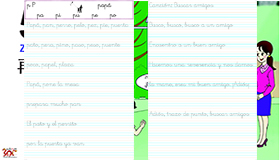
PDF: 书法练习/Caligrafia/Handwriting practice
▶ 📝 评论 / Comentarios / Comments
不送气’P’的秘密:中国学生在学习西班牙语字母 P 时,最大的挑战是避免送气。与拼音中的 p 不同,西班牙语的 P 是一种 ‘干脆的爆破’。让学生明白它的发音更接近他们的 爸 (bà) 而不是 怕 (pà) 是至关重要的。对着一张 纸 (papel) 或蜡烛的火焰练习是一个极好的窍门:在说 pato 或 puerta 时,气流不应该吹动任何东西。
2. 训练听力的最小对立体:为了巩固这一发音,本课使用了直接对比。将 pato 与 gato,或 peso 与 queso 进行比较,迫使学生注意到在干净利落地发出声音且声带不振动之前,双唇必须紧紧闭合 (闭紧) 。
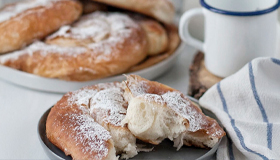
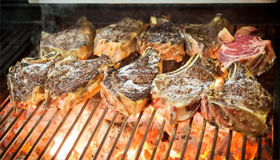
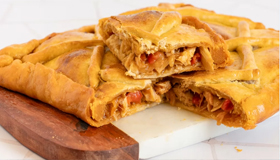
3. 字母 P 的文化与地理:我们利用字母表在西班牙进行一次美食与文化之旅。将字母与真实地点联系起来能激发兴趣。因此,学生们从 帕伦西亚 (Palencia) 的卡斯蒂利亚汤开始,品尝 帕尔马 (Palma) 甜美的 ensaimada,在 潘普洛纳 (Pamplona) 斗牛场著名的牛排,最后在 蓬特韦德拉 (Pontevedra) 品尝加利西亚馅饼。学习语言也是发现其文化的过程。
4. 第五课评论 (字母 / 歌曲:再见)
音乐记忆的力量:找朋友 这首歌是中国任何一个孩子童年时代的绝对经典。将其改编成西班牙语,让学生们能够利用一首他们母语中已经非常熟悉的旋律来内化新词汇。这减少了摩擦,帮助他们轻松记住 amigo (朋友) 等概念以及告别语 ¡Adiós! (再见) 。
5. 通过动作学习 (TPR):本课非常适合应用全身反应法 (TPR)。歌词鼓励行动和社交:寻找,鞠躬 敬个礼 和握手 握握手。将这些肢体动作与西班牙语短语联系起来,有助于肌肉记忆以一种自然、互动且非常有趣的方式巩固学习成果。
El secreto de la ‘P’ sin aire: El mayor desafío para los estudiantes chinos al aprender la letra P en español es evitar expulsar aire. A diferencia de la p del pinyin, la P española es una ‘explosión seca’. Es fundamental que los alumnos comprendan que suena mucho más parecido a su 爸 (bà) que a su 怕 (pà) . Practicar frente a un trozo de papel o la llama de una vela es un truco excelente: al decir pato o puerta, el aire no debe mover nada.
2. Los pares mínimos para educar el oído: Para asentar esta pronunciación, la lección utiliza contrastes directos. Comparar pato con gato, o peso con queso, obliga al alumno a notar cómo los labios deben apretarse firmemente (闭紧) antes de liberar el sonido de forma limpia y sin vibración de las cuerdas vocales.
3. Cultura y geografía con la letra P: Aprovechamos el abecedario para hacer un viaje gastronómico y cultural por España. Asociar la letra con lugares reales fomenta el interés. Así, los alumnos viajan desde la sopa castellana en Palencia, pasando por la dulce ensaimada de Palma, el famoso chuletón en la Plaza de Toros de Pamplona, hasta terminar saboreando la empanada gallega en Pontevedra. Aprender el idioma es también descubrir su cultura.
4. Comentario de la Lección 05 (La letra / Canción: 再见)
El poder de la memoria musical: La canción de Buscar amigos (找朋友) es un clásico absoluto en la infancia de cualquier niño chino. Adaptarla al español permite que los alumnos utilicen una melodía que ya conocen profundamente en su idioma materno para interiorizar el vocabulario nuevo. Esto reduce la fricción y les ayuda a recordar fácilmente conceptos como amigo, y la despedida ¡Adiós! (再见) .
5. Aprender mediante el movimiento (TPR): Esta lección es perfecta para aplicar la Respuesta Física Total. La letra de la canción invita a la acción y a la socialización: buscar, hacer una reverencia 敬个礼 y darse la mano 握握手. Relacionar estos movimientos físicos con las frases en español ayuda a que la memoria muscular fije el aprendizaje de forma natural, interactiva y muy divertida.
The secret of the airless ‘P’: The biggest challenge for Chinese students when learning the letter P in Spanish is to avoid expelling air. Unlike the p in pinyin, the Spanish P is a ‘dry explosion’. It is fundamental for students to understand that it sounds much more like their 爸 (bà) than their 怕 (pà) . Practicing in front of a piece of paper (papel) or a candle flame is an excellent trick: when saying pato or puerta, the air shouldn't move anything.
2. Minimal pairs to train the ear: To establish this pronunciation, the lesson uses direct contrasts. Comparing pato with gato, or peso with queso, forces the student to notice how the lips must be pressed tightly together (闭紧) before releasing the sound cleanly and without vibration of the vocal cords.
3. Culture and geography with the letter P: We take advantage of the alphabet to go on a gastronomic and cultural journey through Spain. Associating the letter with real places fosters interest. Thus, students travel from Castilian soup in Palencia, passing through the sweet ensaimada of Palma, the famous T-bone steak at the Bullring in Pamplona, to finally savor the Galician empanada in Pontevedra. Learning the language is also discovering its culture.
4. Commentary for Lesson 05 (The letter / Song: 再见)
The power of musical memory: The song Buscar amigos (找朋友) is an absolute classic in the childhood of any Chinese child. Adapting it to Spanish allows students to use a melody they already know deeply in their mother tongue to internalize the new vocabulary. This reduces friction and helps them easily remember concepts like amigo (friend) , and the farewell ¡Adiós! (再见) .
5. Learning through movement (TPR): This lesson is perfect for applying Total Physical Response (TPR). The lyrics of the song invite action and socialization: looking for, bowing 敬个礼 and shaking hands 握握手. Relating these physical movements to the Spanish phrases helps muscle memory lock in the learning in a natural, interactive, and very fun way.
** 目录/mù lù/Indice de la página/Table of contents **
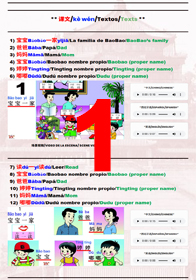
课文/Textos/Texts
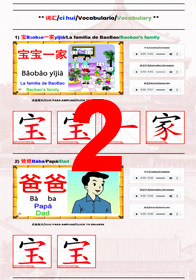
词汇/Vocabulario/Vocabulary
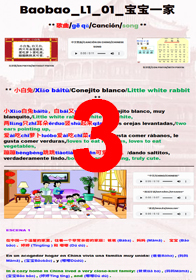
补充材料/Materiales adicionales/Additional Materials
PDF与视频/PDF y videos/PDF and Videos
边玩边学/Aprenda jugando/Learn by Playing
学习西班牙语/Aprenda Español/Learn Spanish
