** 02_你好/Nǐ hǎo/Hola/Hello **
** 额外内容/Contenido adicional/Additional Content **
** 歌曲/gē qǔ/Canción/song **

无拼音/Sin pinyin/Without pinyin
中文歌曲/Canción en chino/Chinese song
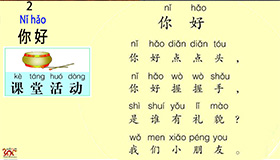
有拼音/Con pinyin/With pinyin
** 你好/Nǐ hǎo/Hola/Hello **
你Nǐ好hǎo点点diǎndian头tóu/Hola, asiente con la cabeza/Hello, nod your head
你Nǐ好hǎo握握wòwo手shǒu/Hola, da la mano/Hello, shake hands
是Shì谁shéi有yǒu礼貌lǐmào?/¿Quién es educado?/Who is polite?
我们Wǒmen小朋友xiǎopéngyǒu/¡Nosotros los niños!/We, the little children!
▶ 📝 评论 / Comentarios / Comments
• 在’点点头’(diǎndian tóu)和’握握手’(wòwo shǒu)中,我们看到了’动词-动词-名词’的结构。重复动词会使动作听起来更短暂、轻柔和友好。重叠的动词总是失去原调,读作轻声。
• 小朋友 (xiǎopéngyǒu): 字面意思是’小小的朋友’。在中国文化中,这是成年人(尤其是老师)称呼孩子们时最标准、亲切和礼貌的方式。
• 们 (men): 它加在人称代词(或某些指人的名词)后面表示复数。因此,’我’(wǒ)变成了’我们’(wǒmen)。这个后缀总是读作轻声。
• En ‘点点头’ (diǎndian tóu - asentir) y ‘握握手’ (wòwo shǒu - dar la mano), vemos la estructura Verbo-Verbo-Sustantivo. Repetir el verbo hace que la acción suene más breve, suave y amigable. El verbo repetido siempre pierde su tono y se pronuncia en tono neutro.
• 小朋友 (xiǎopéngyǒu): Literalmente se traduce como ‘pequeños amigos’. En la cultura china, esta es la forma estándar, cariñosa y respetuosa en la que los adultos (especialmente los profesores) llaman o se dirigen a los niños.
• 们 (men): Se añade a los pronombres personales (o a ciertas personas) para formar el plural. Así, ‘我’ (wǒ - yo) se convierte en ‘我们’ (wǒmen - nosotros). Este sufijo siempre se pronuncia en tono neutro.
• In ‘点点头’ (diǎndian tóu - to nod) and ‘握握手’ (wòwo shǒu - to shake hands), we see a Verb-Verb-Noun structure. Repeating the verb makes the action sound briefer, softer, and more friendly. The repeated verb always loses its tone and is pronounced in a neutral tone.
• 小朋友 (xiǎopéngyǒu): It literally translates to ‘little friends’. In Chinese culture, this is the standard, affectionate, and polite way for adults (especially teachers) to address or refer to children.
• 们 (men): It is added to personal pronouns (or certain nouns referring to people) to form the plural. Thus, ‘我’ (wǒ - I/me) becomes ‘我们’ (wǒmen - we/us). This suffix is always pronounced in a neutral tone.
** 历史/Lìshǐ/La historia/history **
** 你好/Nǐ hǎo/Hola/Hello **
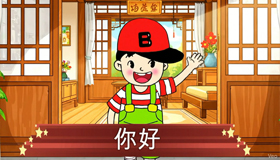
AVI: 中文/En chino /En Chinese
中文/Chino/Chinese
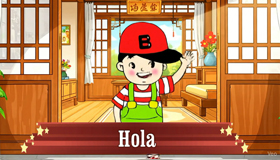
AVI: 西班牙语/En español/En Spanish
西班牙语/Español/Spanish
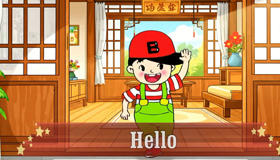
AVI: 英语/En inglés /En English
英语/inglés/English
中文/Chino/Chinese
西班牙语/Español/Spanish
英语/inglés/English
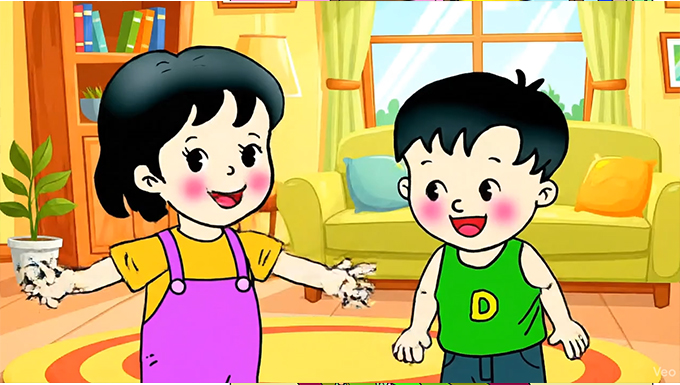
Escena 1
中文/Chino/Chinese
西班牙语/Español/Spanish
英语/inglés/English
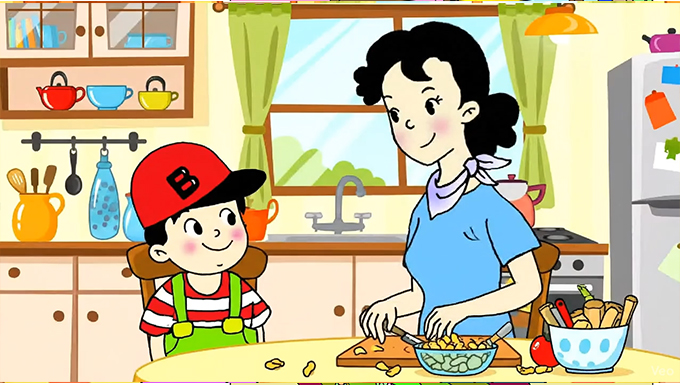
Escena 2
中文/Chino/Chinese
西班牙语/Español/Spanish
英语/inglés/English
Escena 3
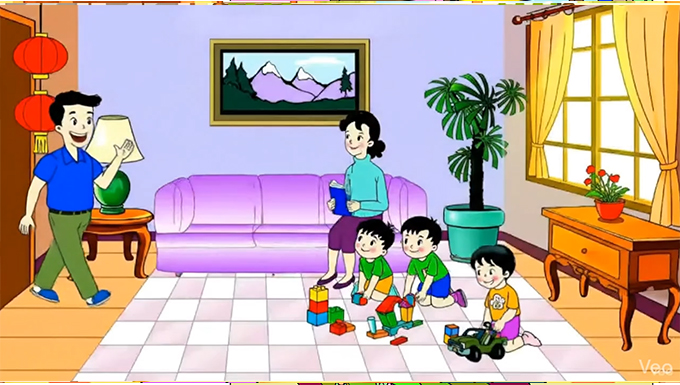
中文/Chino/Chinese
西班牙语/Español/Spanish
英语/inglés/English
Escena 4
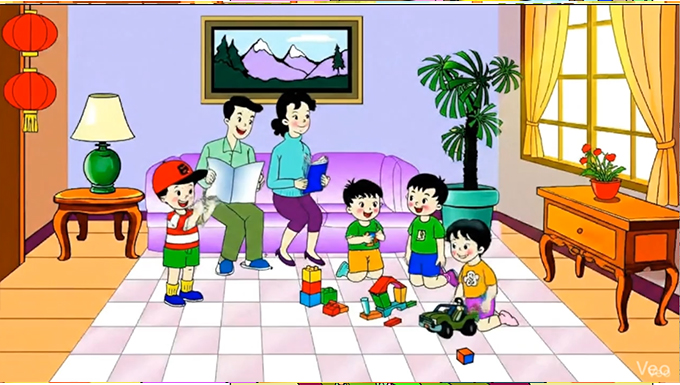
中文/Chino/Chinese
西班牙语/Español/Spanish
英语/inglés/English
Escena 5
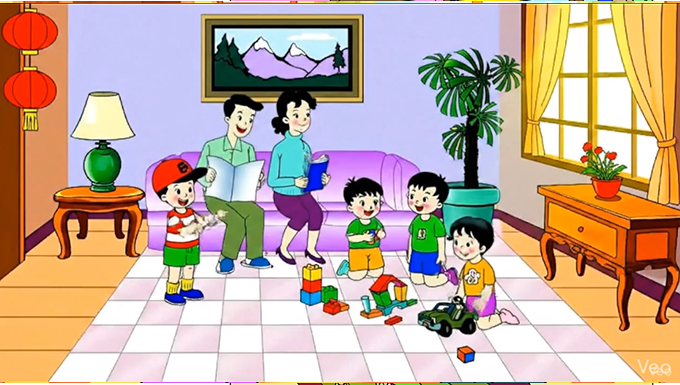
中文/Chino/Chinese
西班牙语/Español/Spanish
英语/inglés/English
Escena 6
那天晚上,他们明白了,一个简单的 (Saludar/Greet) ,如果用心说出,可以拉近心与心的距离。
Esa noche, comprendieron que un simple (打dǎ招呼zhāohū) , dicho con cariño, une corazones y borra distancias.
That night, they understood that a simple (打dǎ招呼zhāohū) , said with affection, brings hearts together and erases distances.
** 未替换/wèi tìhuàn/No sustituidas/Not substituted **
** 词汇/cí huì/Vocabulario/Vocabulary **

AVI: 词汇/Vocabulario/Vocabulary
中文/Chino/Chinese
西班牙语/Español/Spanish
英语/inglés/English

AVI: 听与重复/Escucha y repite/Listen and repeat



▶ 📝 评论 / Comentarios / Comments
• 动词的重叠 (Dòngcí de chóngdié): 像 说一说 (shuō yī shuō) 这样的结构是中文里一个非常有趣且常用的语法点。重复一个动词并在中间加上‘一 (yī - 一)’,可以软化语气,表示动作时间很短或很轻松,字面意思是‘说一说/聊一聊’。
• 尊师重道 (Zūn shī zhòng dào): 在中国文化中,教师是非常受尊敬的。(老师 (Lǎoshī))) 不仅仅是一个职业名词,它本身就被当作一个称呼或头衔来使用。学生们通常不会直接叫老师的名字,而是直接称呼他们’老师’或’老师好!’(老师您好!)。
• La reduplicación de verbos: La estructura 说一说 (shuō yī shuō) es un patrón gramatical muy interesante y común en el chino. Repetir un verbo con un ‘一 (yī - uno)’ en medio suaviza el tono de la frase, indicando que la acción es breve o relajada, como ‘hablar un poquito’ o ‘dar una charladita’.
• El respeto al maestro: En la cultura china, la figura del profesor es sumamente respetada. 老师 (Lǎoshī) no es solo el nombre de la profesión, sino que se usa directamente como título o pronombre. Los estudiantes rara vez usan el nombre de pila del profesor; simplemente le llaman ‘¡Profesor!’ o lo usan para saludar: ‘老师好!’ (¡Hola, profesor!).
• Verb reduplication: The structure 说一说 (shuō yī shuō) is a very interesting and common grammatical pattern in Chinese. Repeating a verb with a ‘一 (yī - one)’ in the middle softens the tone of the sentence, indicating that the action is brief or relaxed, meaning ‘to talk a little’ or ‘to have a quick chat’.
• Respect for the teacher: In Chinese culture, the figure of the teacher is highly respected. 老师 (Lǎoshī) is not just the name of the profession; it is used directly as a title or pronoun. Students rarely use a teacher's first name; they simply call them ‘Teacher!’ or use it as a greeting: ‘老师好!’ (Hello, teacher!).
** 家人 1/jiārén1/la familia (los familiares) 1/the family (family members) 1 **
中文/Chino/Chinese
西班牙语/Español/Spanish
英语/inglés/English
▶ 📝 评论 / Comentarios / Comments
• 长幼有别 (Zhǎngyòu yǒubié): 中文还会区分亲属比父母年长还是年幼。例如,伯伯 是爸爸的哥哥,而 叔叔 是爸爸的弟弟。这反映了传统中国文化中对家庭结构、长幼秩序和尊老传统的极大重视。
• La importancia de la edad y la jerarquía: El chino también distingue si el familiar es mayor o menor que nuestro progenitor. Por ejemplo, 伯伯 (Bóbo) es el hermano mayor del padre, mientras que 叔叔 (Shūshu) es el hermano menor. Aprender estos términos ayuda a los alumnos a entender que la sociedad tradicional china valora muchísimo la estructura familiar, el orden y el respeto a los mayores.
• The importance of age and hierarchy: Chinese also distinguishes whether the relative is older or younger than the parent. For example, 伯伯 (Bóbo) is the father's older brother, while 叔叔 (Shūshu) is the younger brother. Learning these terms helps students understand that traditional Chinese society highly values family structure, order, and respect for elders.
** 家人 2/jiārén2/la familia (los familiares) 2/the family (family members) 2 **
中文/Chino/Chinese
西班牙语/Español/Spanish
英语/inglés/English
▶ 📝 评论 / Comentarios / Comments
• ’外’字的含义 (‘Wài’ zì de hányì): 对于孙辈,中文同样作了区分。如果是儿子的孩子,直接叫 孙子/孙女;但如果是女儿的孩子,则会加上 外 (wài - 外面/fuera) 字(外孙/外孙女)。这源于传统的父系社会观念,即女儿出嫁后,她的孩子属于另一个家族(’外家’)。
• 正式与口语的配偶称谓 (Zhèngshì yǔ kǒuyǔ de pèiqǒu chēngwèi): 称呼配偶有两种常见方式:先生/太太 比较正式和礼貌,而 老公/老婆 则非常口语化、亲昵,是现代年轻人在日常生活中最常用的称呼。
• El concepto de ‘fuera’ (外): Para los nietos, el chino también hace distinciones. Si son hijos del hijo, se usa 孙子/孙女; pero si son hijos de la hija, se añade el carácter 外 (wài - fuera), formando 外孙/外孙女. Esto proviene de la estructura patrilineal tradicional, donde los hijos de las hijas se consideraban parte de una familia ‘externa’ (la familia del marido).
• Esposos: Formal vs. Informal: Hay dos formas principales de referirse al cónyuge. 先生 / 太太 (Xiānsheng / Tàitai) es más formal y educado, mientras que 老公 / 老婆 (Lǎogōng / Lǎopo) es muy coloquial, cariñoso y es la forma más común que usan las parejas en su día a día.
• The concept of ‘outside’ (外): For grandchildren, Chinese also makes distinctions. If they are the son's children, you use 孙子/孙女; but if they are the daughter's children, the character 外 (wài - outside) is added to form 外孙/外孙女. This stems from the traditional patrilineal structure, where a daughter's children were considered part of an ‘outside’ family (the husband's family).
• Spouses: Formal vs. Informal: There are two main ways to refer to a spouse. 先生 / 太太 (Xiānsheng / Tàitai) is more formal and polite, whereas 老公 / 老婆 (Lǎogōng / Lǎopo) is very colloquial, affectionate, and the most common way couples refer to each other in daily life.
** 听写/Tīngxiě/Dictado/Dictation **
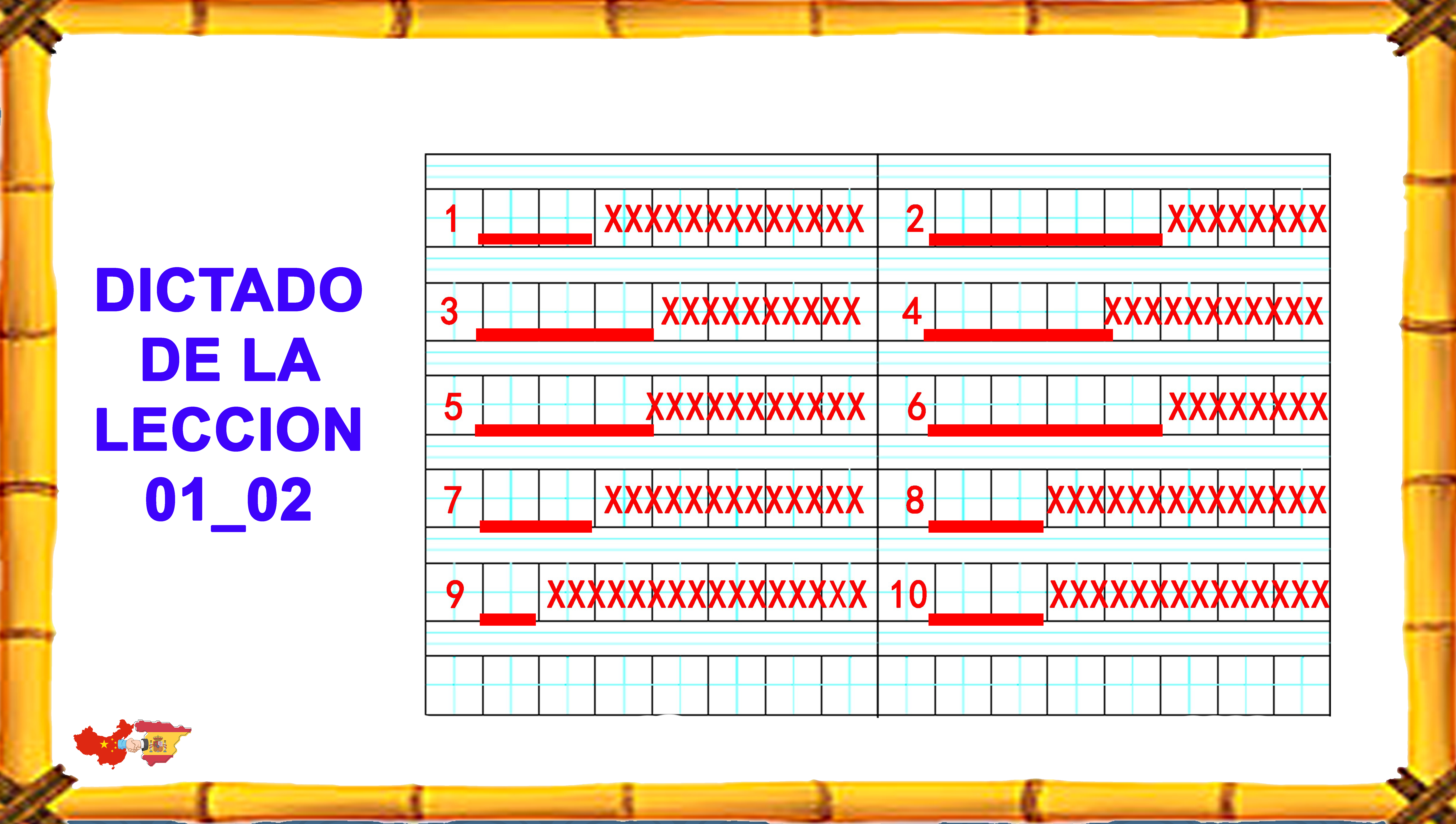
点击放大/clic para ampliar/click to enlarge
听写音频/Audio del dictado/Dictation audio

AVI: 听写/Dictado/Dictation

DICTADO VOCABULARIO
** 目录/mù lù/Indice de la página/Table of contents **
课文/Textos/Texts
词汇/Vocabulario/Vocabulary
补充材料/Materiales adicionales/Additional Materials

PDF与视频/PDF y videos/PDF and Videos
边玩边学/Aprenda jugando/Learn by Playing
学习西班牙语/Aprenda Español/Learn Spanish
