** 13_你吃什么?/Nǐ chī shénme?/¿Qué comes?/What do you eat? **
点击放大/clic para ampliar/click to enlarge
点击放大/clic para ampliar/click to enlarge
AVI: 词汇/Vocabulario/Vocabulary
** 词汇/cí huì/Vocabulario/Vocabulary **
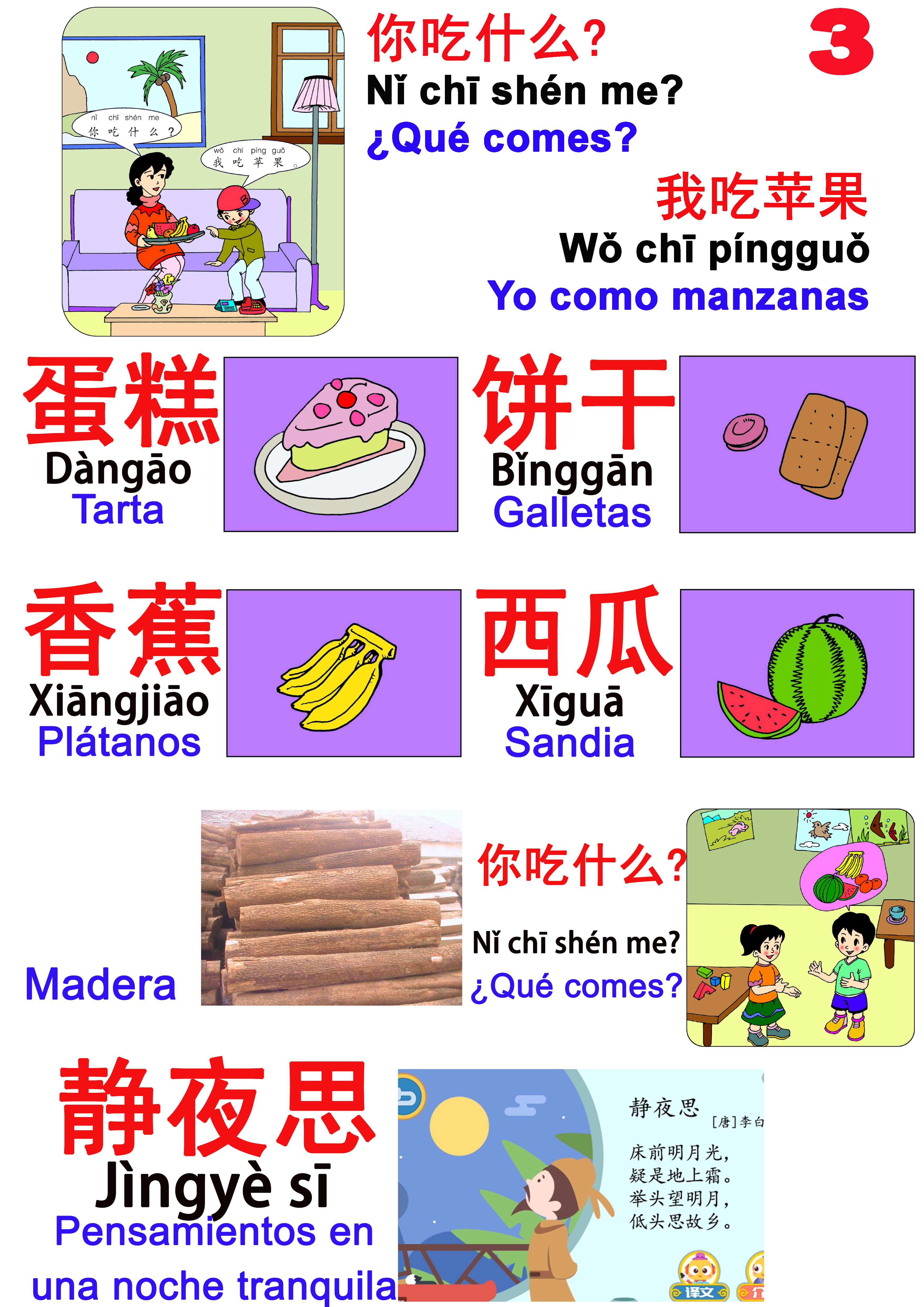
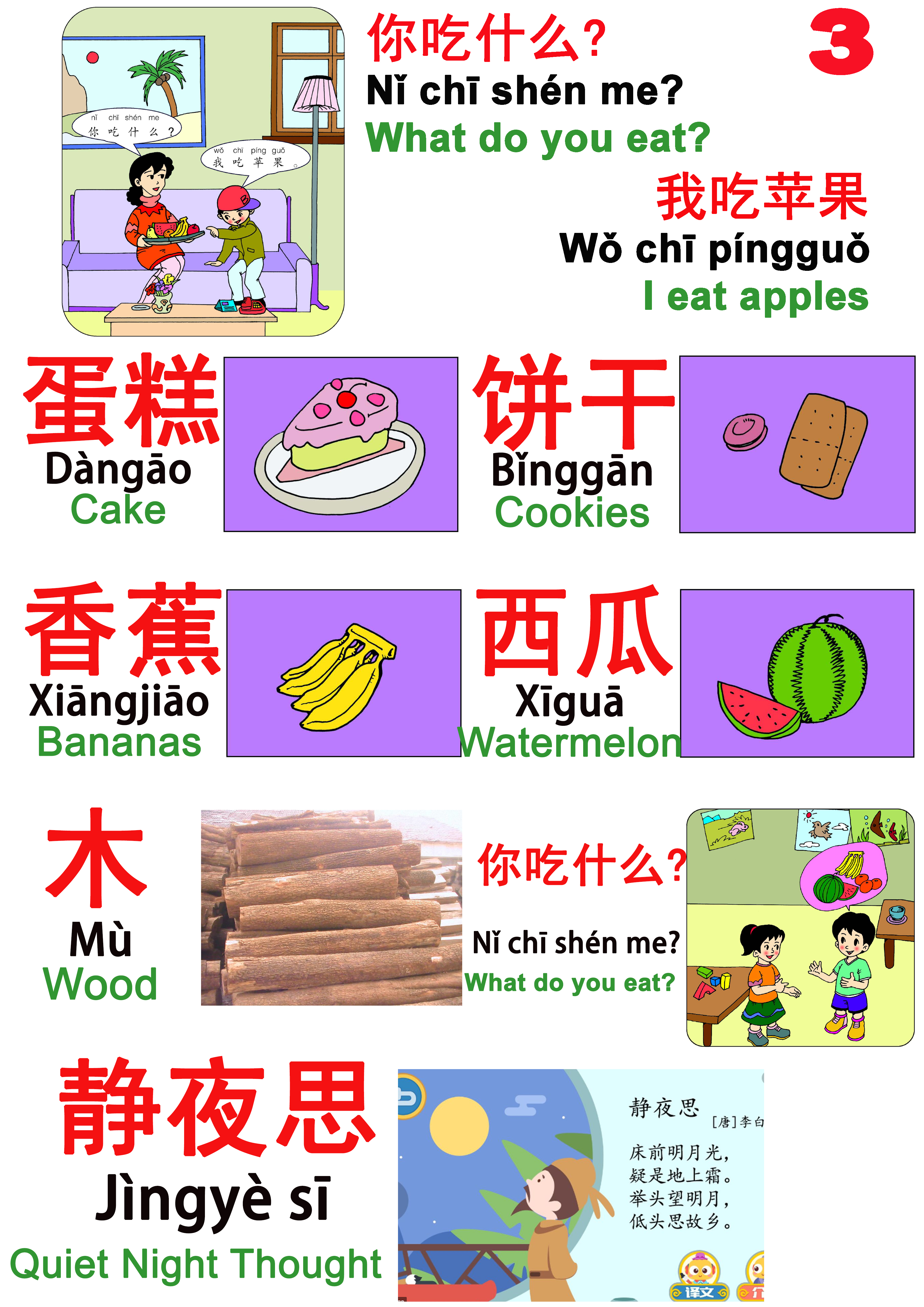
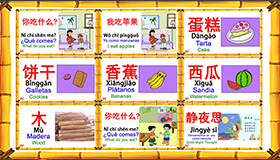
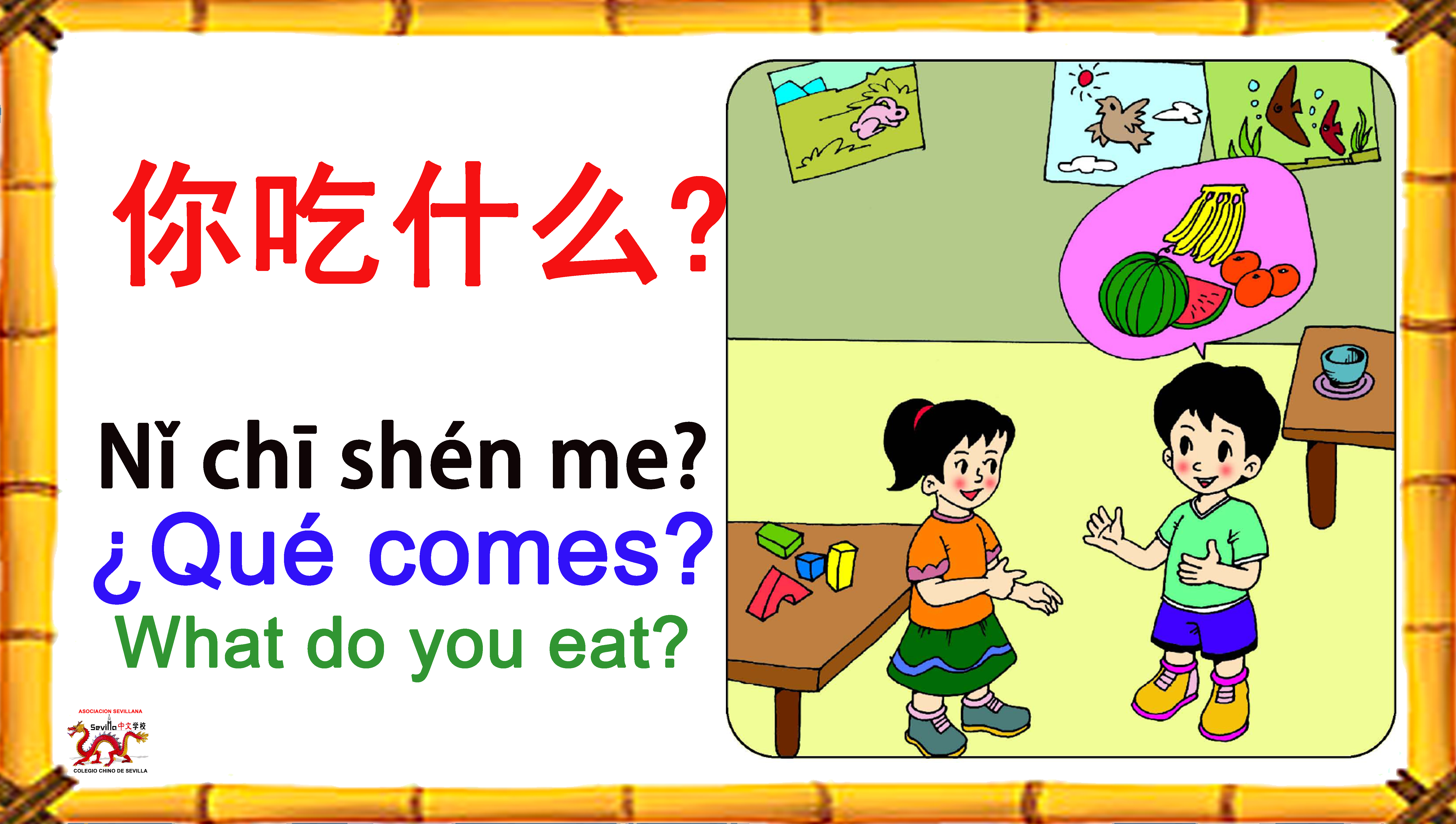
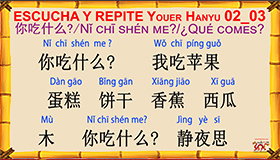
1) 你Nǐ吃chī什么shénme?/¿Qué comes?/What do you eat?
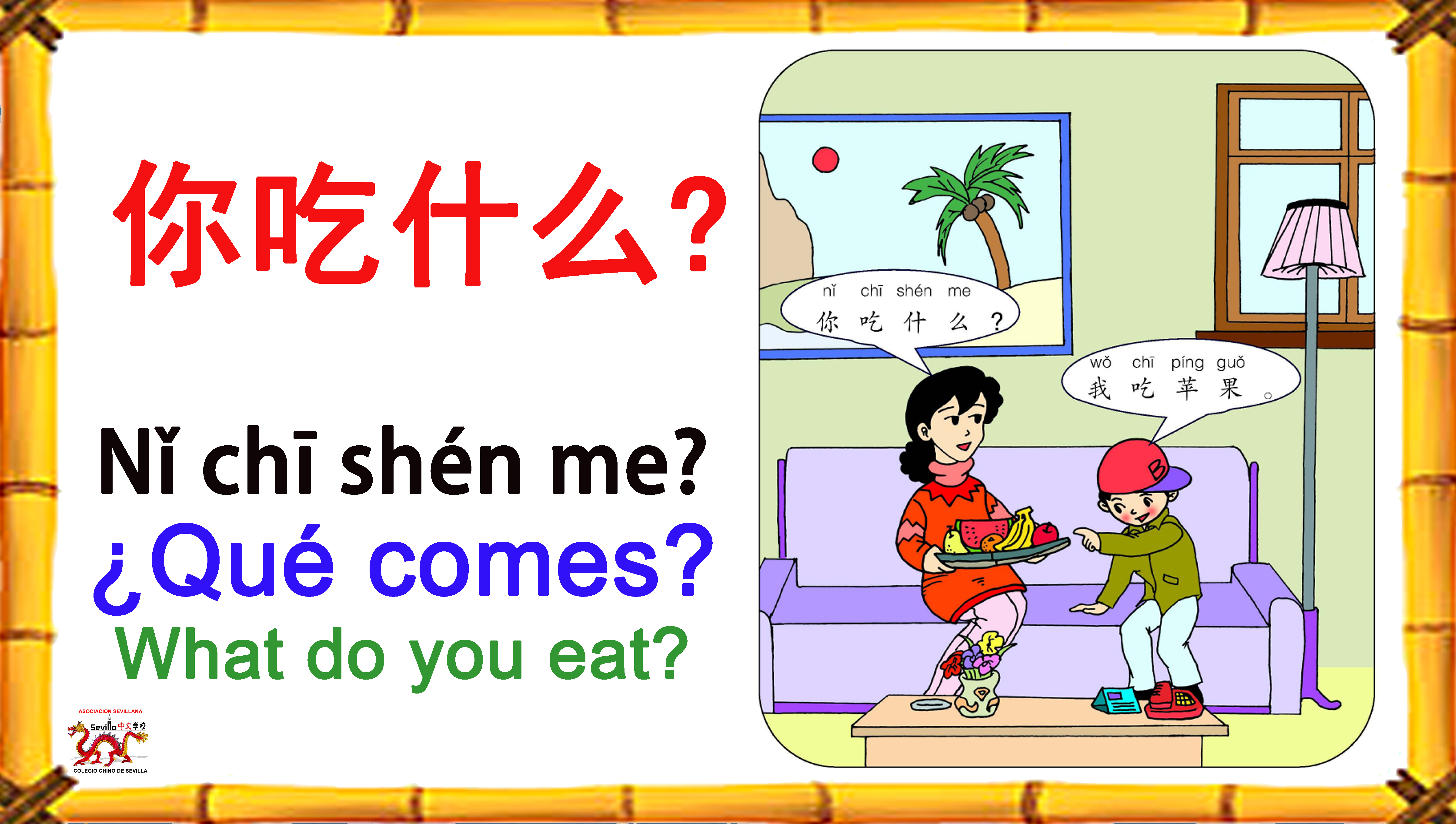
点击放大/clic para ampliar/click to enlarge
中文/Chino/Chinese
西班牙语/Español/Spanish
英语/inglés/English
2) 我Wǒ吃chī苹果píngguǒ/Yo como manzanas/I eat apples
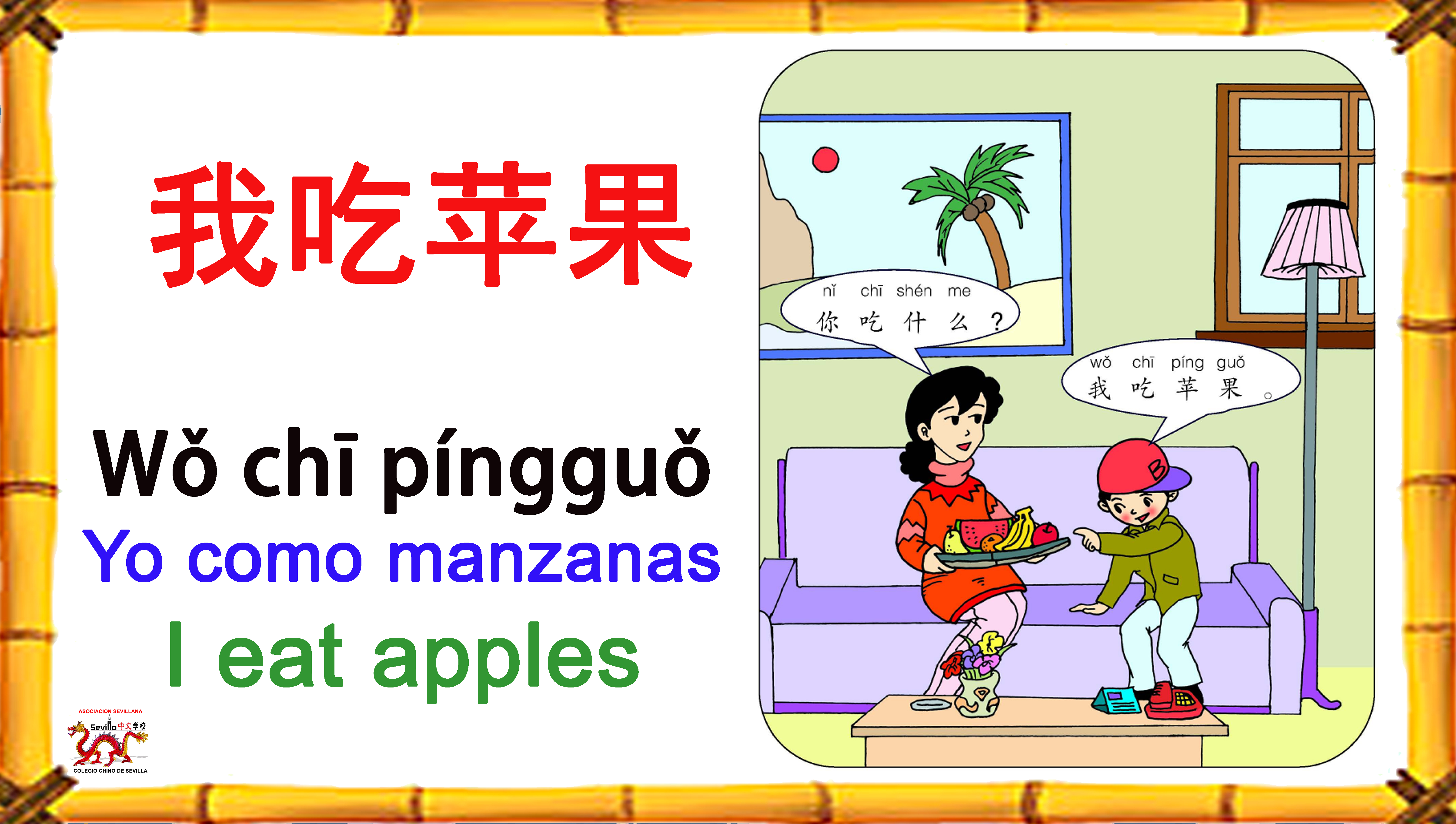
点击放大/clic para ampliar/click to enlarge
中文/Chino/Chinese
西班牙语/Español/Spanish
英语/inglés/English
3) 蛋糕Dàngāo/Tarta (o pastel)/Cake
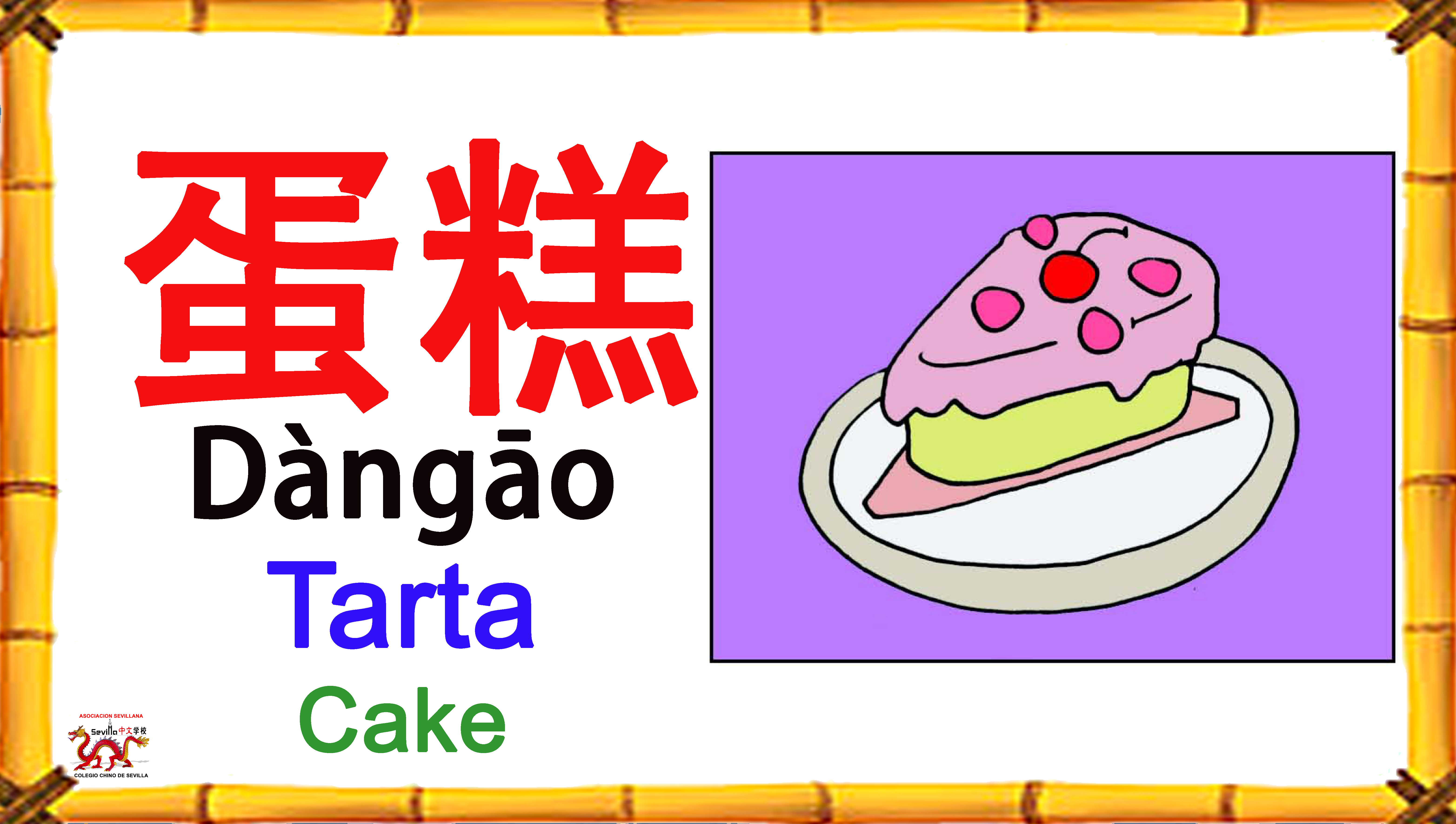
点击放大/clic para ampliar/click to enlarge
中文/Chino/Chinese
西班牙语/Español/Spanish
英语/inglés/English
4) 饼干Bǐnggān/Galletas/Cookies
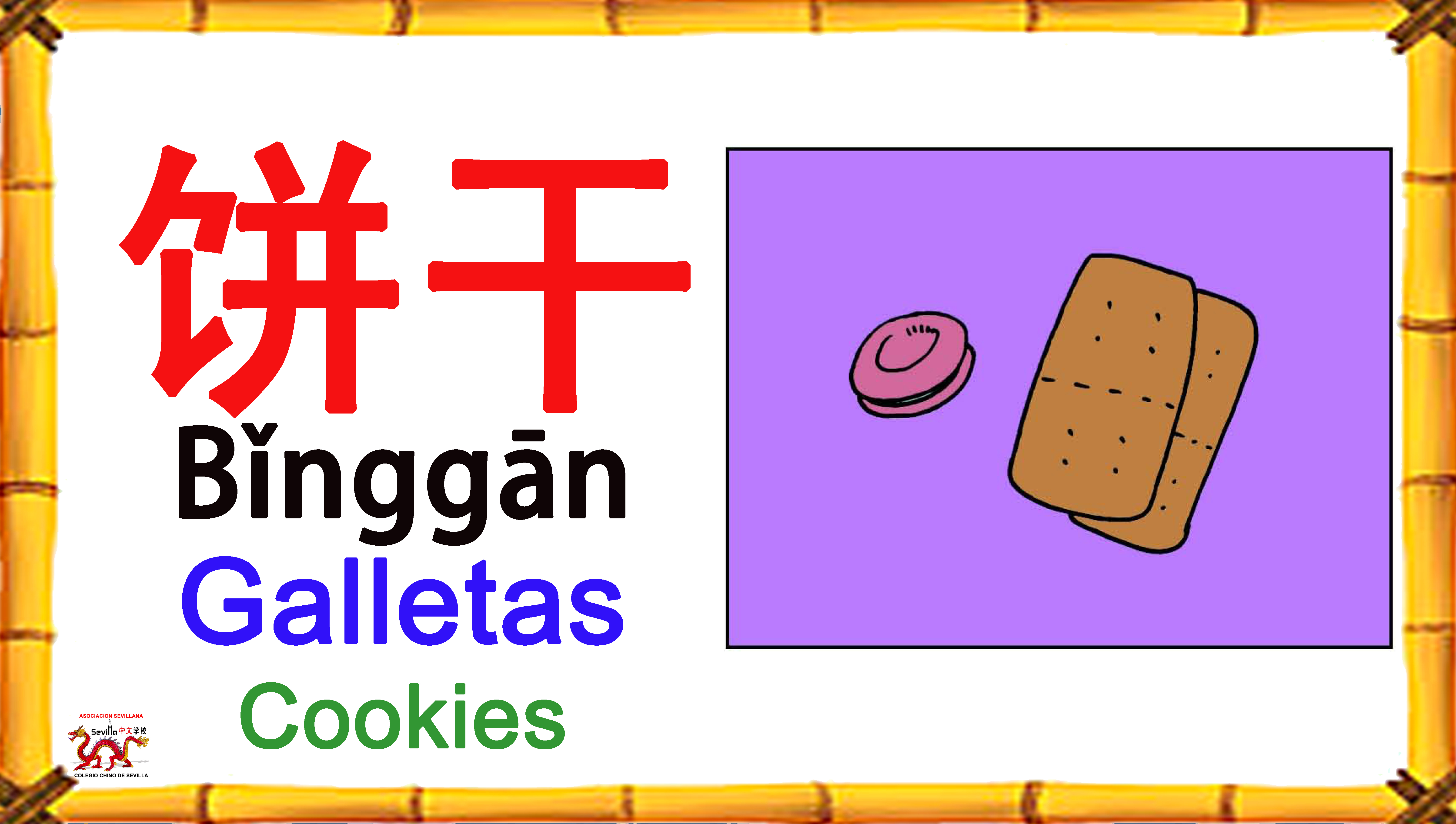
点击放大/clic para ampliar/click to enlarge
中文/Chino/Chinese
西班牙语/Español/Spanish
英语/inglés/English
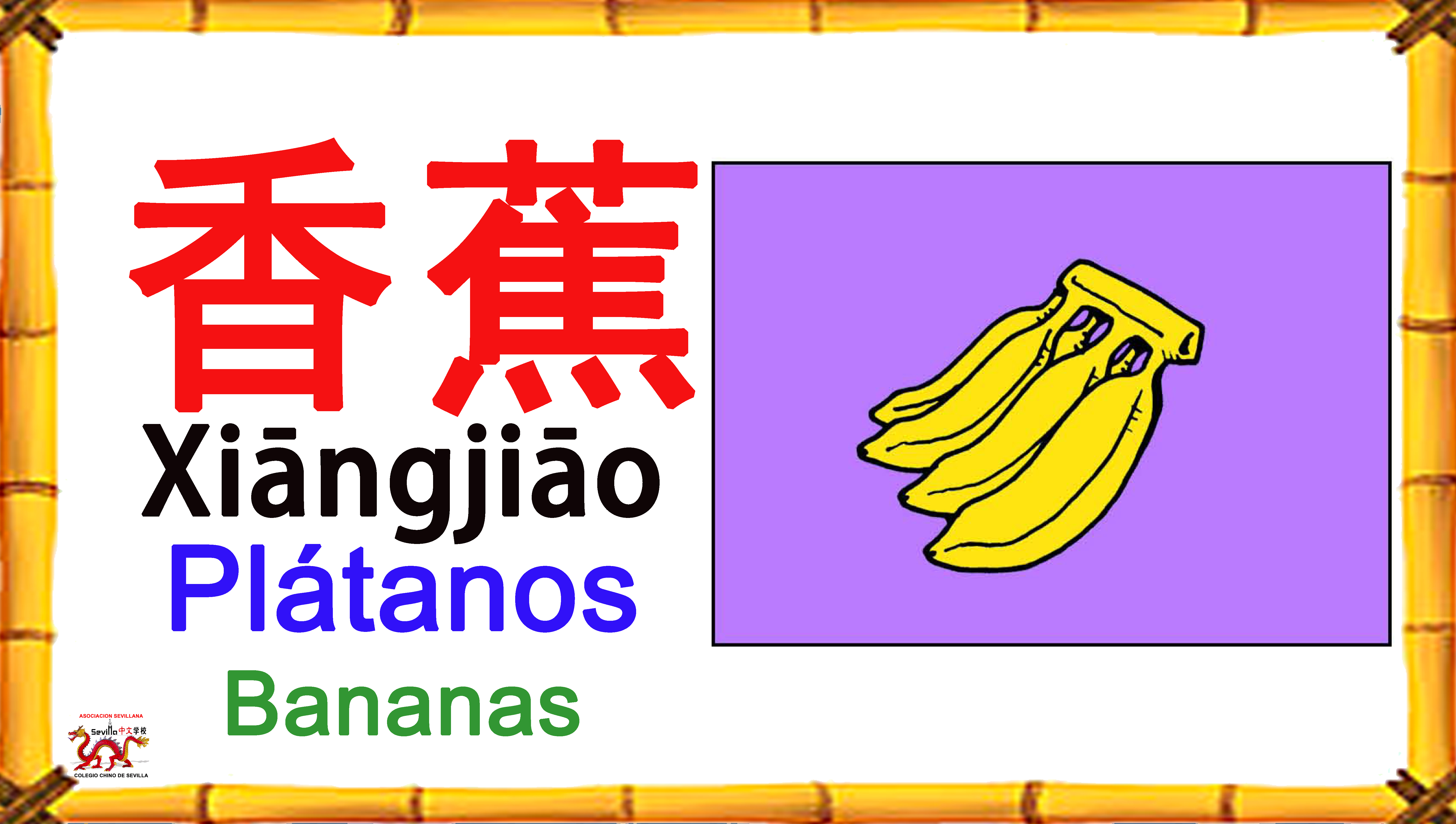
5) 香蕉Xiāngjiāo/Plátanos/Bananas
点击放大/clic para ampliar/click to enlarge
中文/Chino/Chinese
西班牙语/Español/Spanish
英语/inglés/English
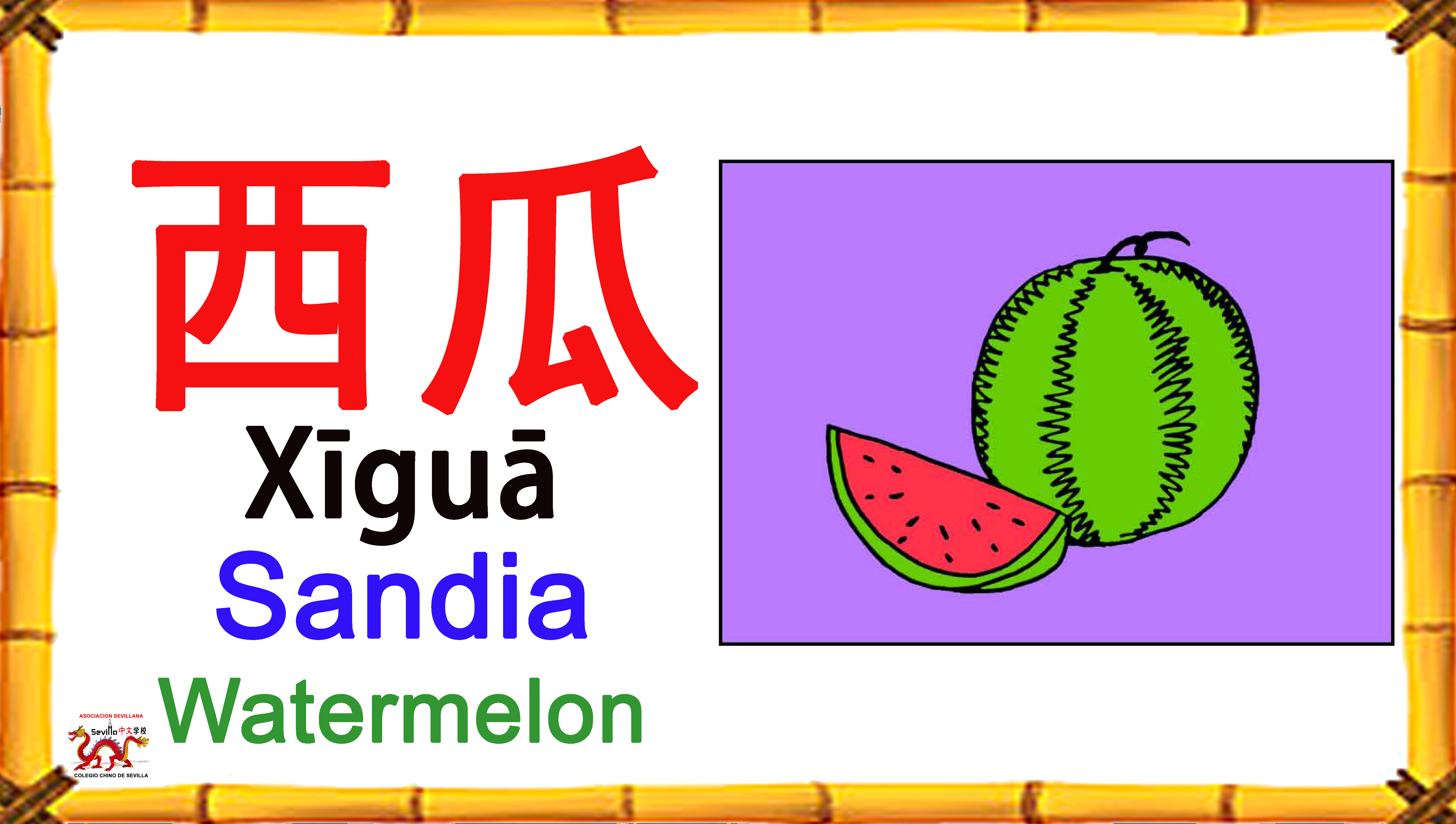
6) 西瓜Xīguā/Sandía/Watermelon
点击放大/clic para ampliar/click to enlarge
中文/Chino/Chinese
西班牙语/Español/Spanish
英语/inglés/English
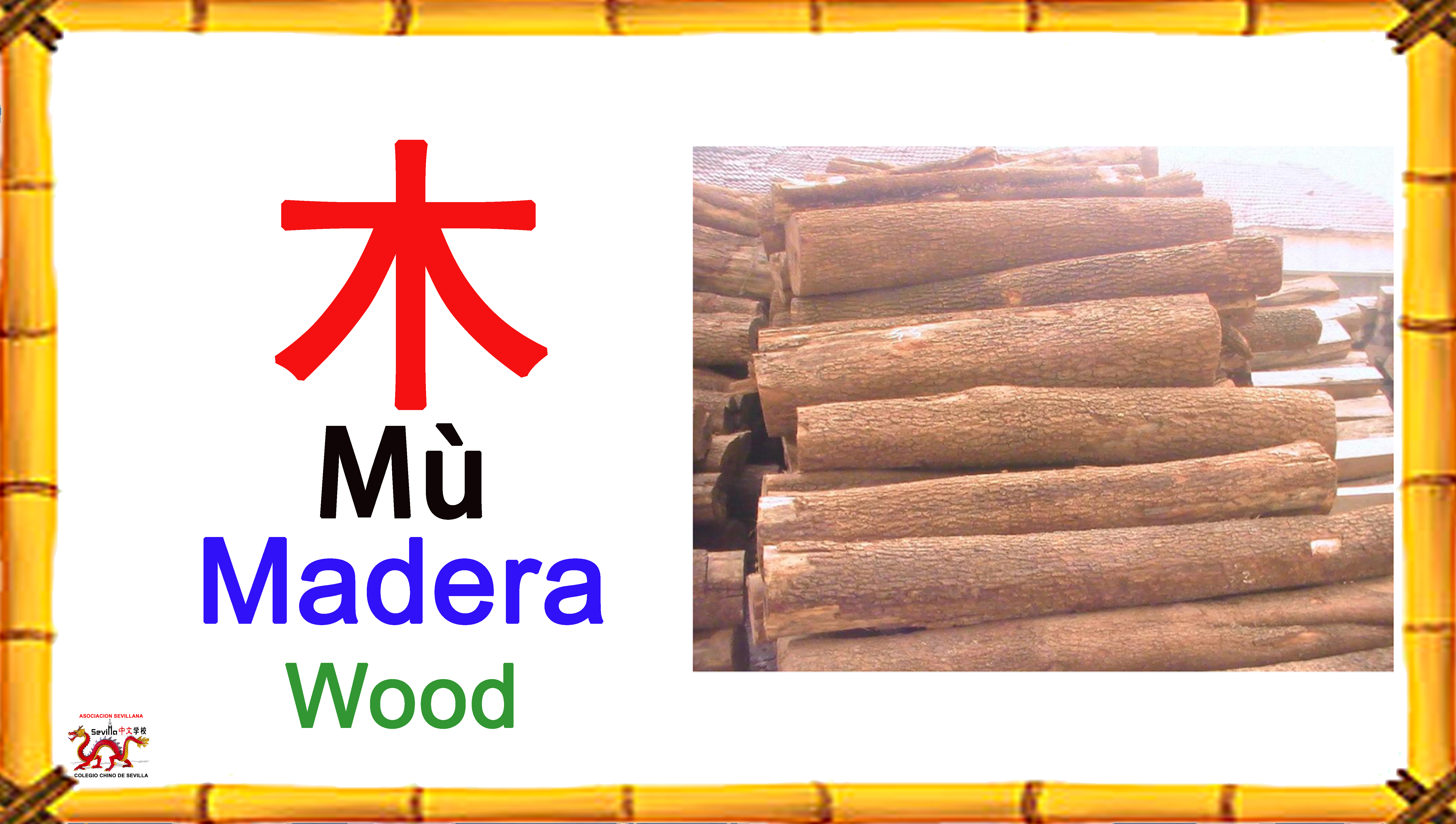
7) 木Mù/Madera/Wood
点击放大/clic para ampliar/click to enlarge
中文/Chino/Chinese
西班牙语/Español/Spanish
英语/inglés/English
** 超级汉字/chāojí hànzì/Super Carácter/super character **
中文/Chino/Chinese
西班牙语/Español/Spanish
英语/inglés/English
木
中文/Chino/Chinese
西班牙语/Español/Spanish
英语/inglés/English
▶ 📝 评论 / Comentarios / Comments
2. 笔顺规则(对称): 它的书写遵循两条经典的黄金法则:’先横后竖’(xiān héng hòu shù),以及写树根时的’先撇后捺’(xiān piě hòu nà)。
3. 作为偏旁部首(木材与树木): 它是中文里最常见的偏旁之一(木字旁)。你会在数百个与树木、木材、自然或家具相关的汉字中看到它,例如’林’(树林)、’树’(树木)或’桌’(桌子)。
4. 字形变化(避让原则): 当’木’作为偏旁出现在汉字的左侧时(如在’林’中),它的最后一笔(向右延伸的捺)会变短,成为一个 ’点’(diǎn)。这是为了空间上的避让,以免与右侧的部件’打架’。
2. Regla del orden de los trazos (Simetría): Su escritura sigue dos reglas clásicas de oro: ‘primero el horizontal, luego el vertical’ (先横后竖 - xiān héng hòu shù) , y para las raíces, ‘primero a la izquierda, luego a la derecha’ (先撇后捺 - xiān piě hòu nà) .
3. Como radical (La madera y los bosques): Es uno de los radicales más prolíficos del chino (木字旁) . Lo encontrarás en cientos de caracteres relacionados con árboles, madera, naturaleza o muebles, como 林 (bosque) , 树 (árbol) o 桌 (mesa) .
4. El cambio de forma (La regla de cortesía): Cuando ‘木’ actúa como radical en el lado izquierdo de un carácter (como en 林) , su último trazo (el nà que se extiende hacia la derecha) se acorta y se convierte en un pequeño punto (‘点’ - diǎn) . Esto se hace por cortesía espacial, para no ‘chocar’ con el componente que va a su derecha.
2. Stroke order rule (Symmetry): Its writing follows two classic golden rules: ‘horizontal first, then vertical’ (先横后竖 - xiān héng hòu shù) , and for the roots, ‘left first, then right’ (先撇后捺 - xiān piě hòu nà) .
3. As a radical (Wood and forests): It is one of the most prolific radicals in Chinese (木字旁) . You will find it in hundreds of characters related to trees, wood, nature, or furniture, such as 林 (woods/forest) , 树 (tree) , or 桌 (table) .
4. Shape change (The courtesy rule): When ‘木’ acts as a radical on the left side of a character (as in 林) , its last stroke (the nà that extends to the right) is shortened and turns into a small dot (‘点’ - diǎn) . This is done for spatial courtesy, to avoid ‘crashing’ into the component on its right.
8) 我Wǒ吃chī苹果píngguǒ/Yo como manzanas/I eat apples
点击放大/clic para ampliar/click to enlarge
中文/Chino/Chinese
西班牙语/Español/Spanish
英语/inglés/English
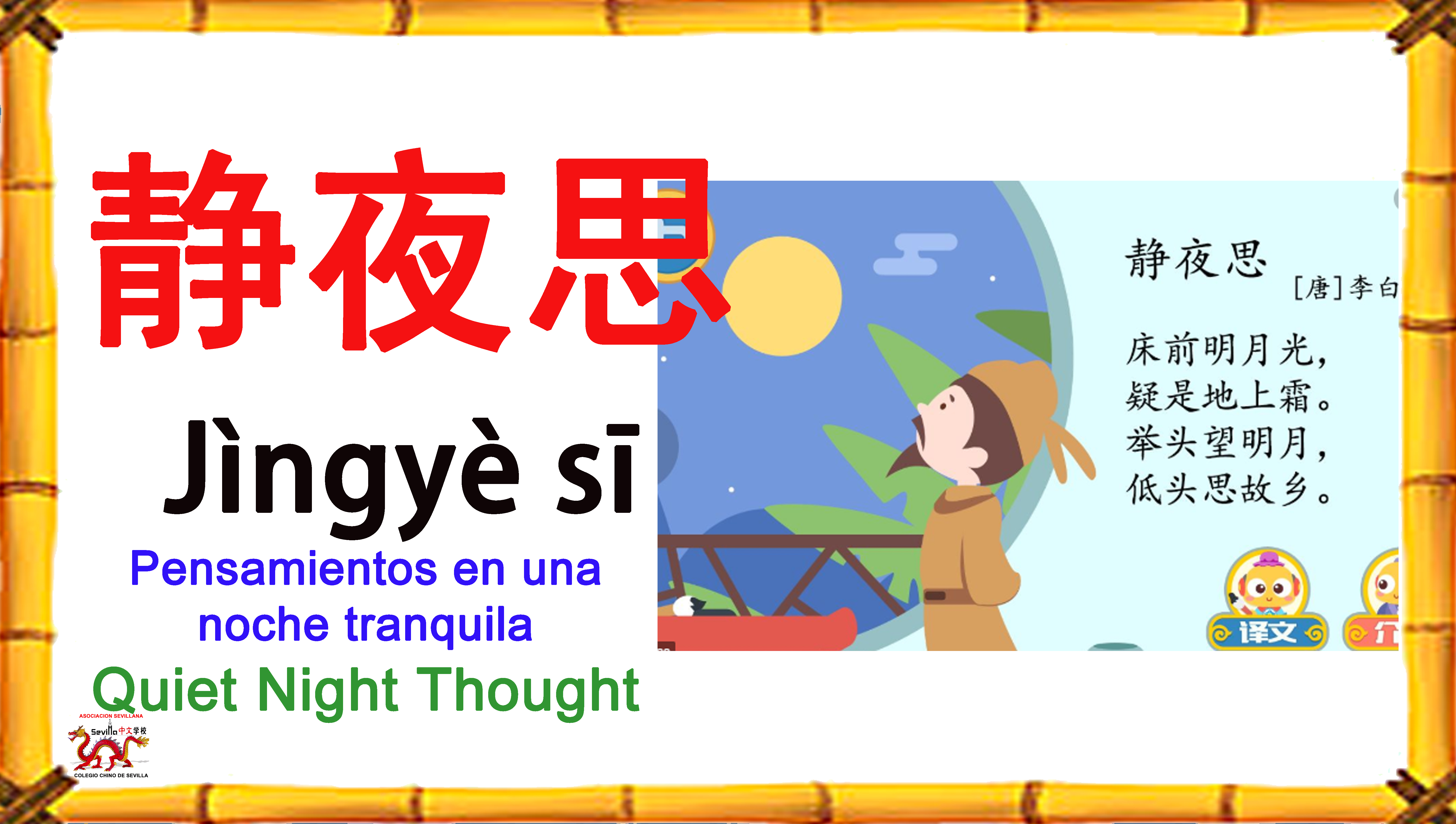
9) 静夜Jìngyè思sī/Pensamientos en una noche tranquila/Quiet Night Thought
点击放大/clic para ampliar/click to enlarge
中文/Chino/Chinese
西班牙语/Español/Spanish
英语/inglés/English
** 字/zì/Caracteres/Characters **
(次/veces/times:1,2,3,4,5,6,7,8,9)
了解更多信息,请点击汉字。 Para más información clik en el Hanzi. For more information, click on the Hanzi.
汉字的音频/Audio de los Hanzi/Audio of the Hanzi
** 词汇/cí huì/Vocabulario/Vocabulary **
AVI: 词汇/Vocabulario/Vocabulary
中文/Chino/Chinese
西班牙语/Español/Spanish
英语/inglés/English
AVI: 听与重复/Escucha y repite/Listen and repeat
▶ 📝 评论 / Comentarios / Comments
2. 这节课为我们展示了中国传统文化的美丽一瞥,引入了汉字’木’(木头),它是中国哲学中自然界的五大基本元素之一。
2. La lección nos da una hermosa pincelada de la cultura tradicional china introduciendo el carácter 木 (madera) , que es uno de los cinco elementos fundamentales de la naturaleza en su filosofía.
2. The lesson gives us a beautiful brushstroke of traditional Chinese culture by introducing the character 木 (wood) , which is one of the five fundamental elements of nature in its philosophy.
** 目录/mù lù/Indice de la página/Table of contents **
课文/Textos/Texts
词汇/Vocabulario/Vocabulary
补充材料/Materiales adicionales/Additional Materials

PDF与视频/PDF y videos/PDF and Videos
边玩边学/Aprenda jugando/Learn by Playing
学习西班牙语/Aprenda Español/Learn Spanish
