** 11_这是电脑/zhè shì diànnǎo/Esto es un ordenador/This is a computer **

点击放大/clic para ampliar/click to enlarge

点击放大/clic para ampliar/click to enlarge

AVI: 词汇/Vocabulario/Vocabulary
** 词汇/cí huì/Vocabulario/Vocabulary **
1) 这zhè是shì电脑diànnǎo吗ma?/¿Es esto un ordenador?/Is this a computer?

点击放大/clic para ampliar/click to enlarge
中文/Chino/Chinese
西班牙语/Español/Spanish
英语/inglés/English
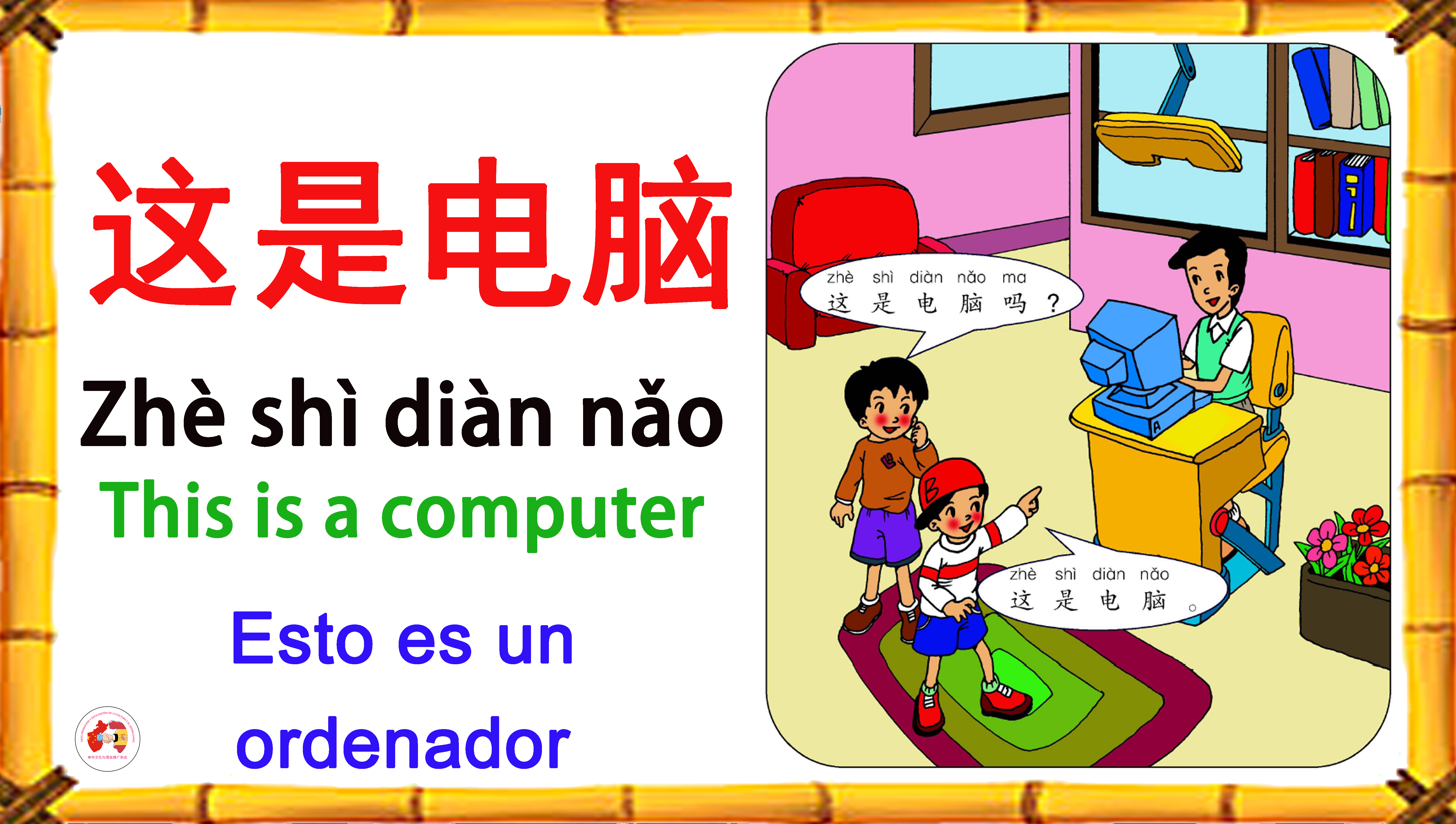
2) 这zhè是shì电脑diànnǎo。/Esto es un ordenador./This is a computer.
点击放大/clic para ampliar/click to enlarge
中文/Chino/Chinese
西班牙语/Español/Spanish
英语/inglés/English
3) 电视diànshì/Televisión, televisor/Television, TV

点击放大/clic para ampliar/click to enlarge
中文/Chino/Chinese
西班牙语/Español/Spanish
英语/inglés/English
4) 电话diànhuà/Teléfono/Telephone, phone

点击放大/clic para ampliar/click to enlarge
中文/Chino/Chinese
西班牙语/Español/Spanish
英语/inglés/English
5) 冰箱bīngxiāng/Frigorífico/Refrigerator, fridge

点击放大/clic para ampliar/click to enlarge
中文/Chino/Chinese
西班牙语/Español/Spanish
英语/inglés/English
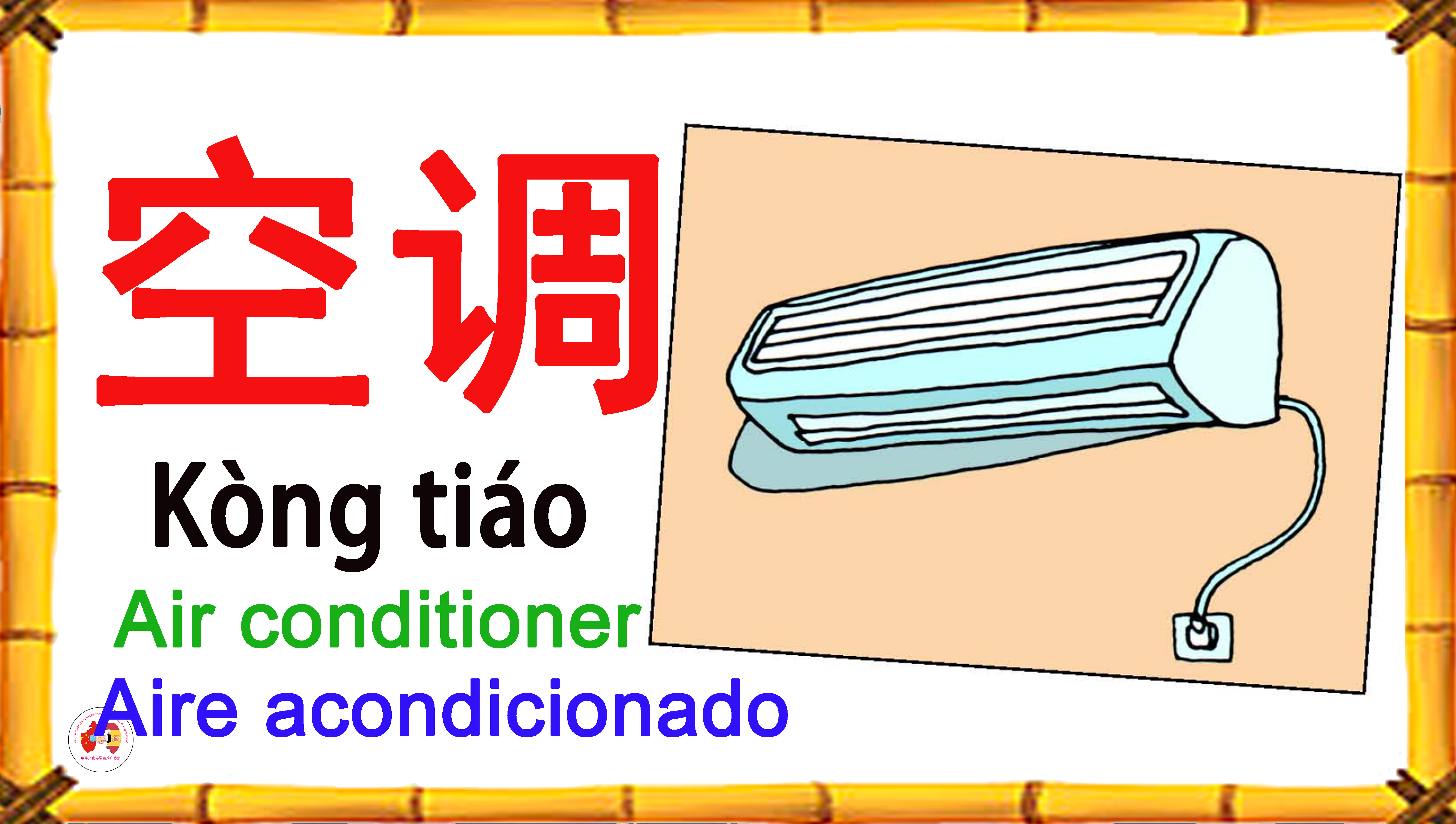
6) 空调kōngtiáo/Aire acondicionado/Air conditioning, AC
点击放大/clic para ampliar/click to enlarge
中文/Chino/Chinese
西班牙语/Español/Spanish
英语/inglés/English
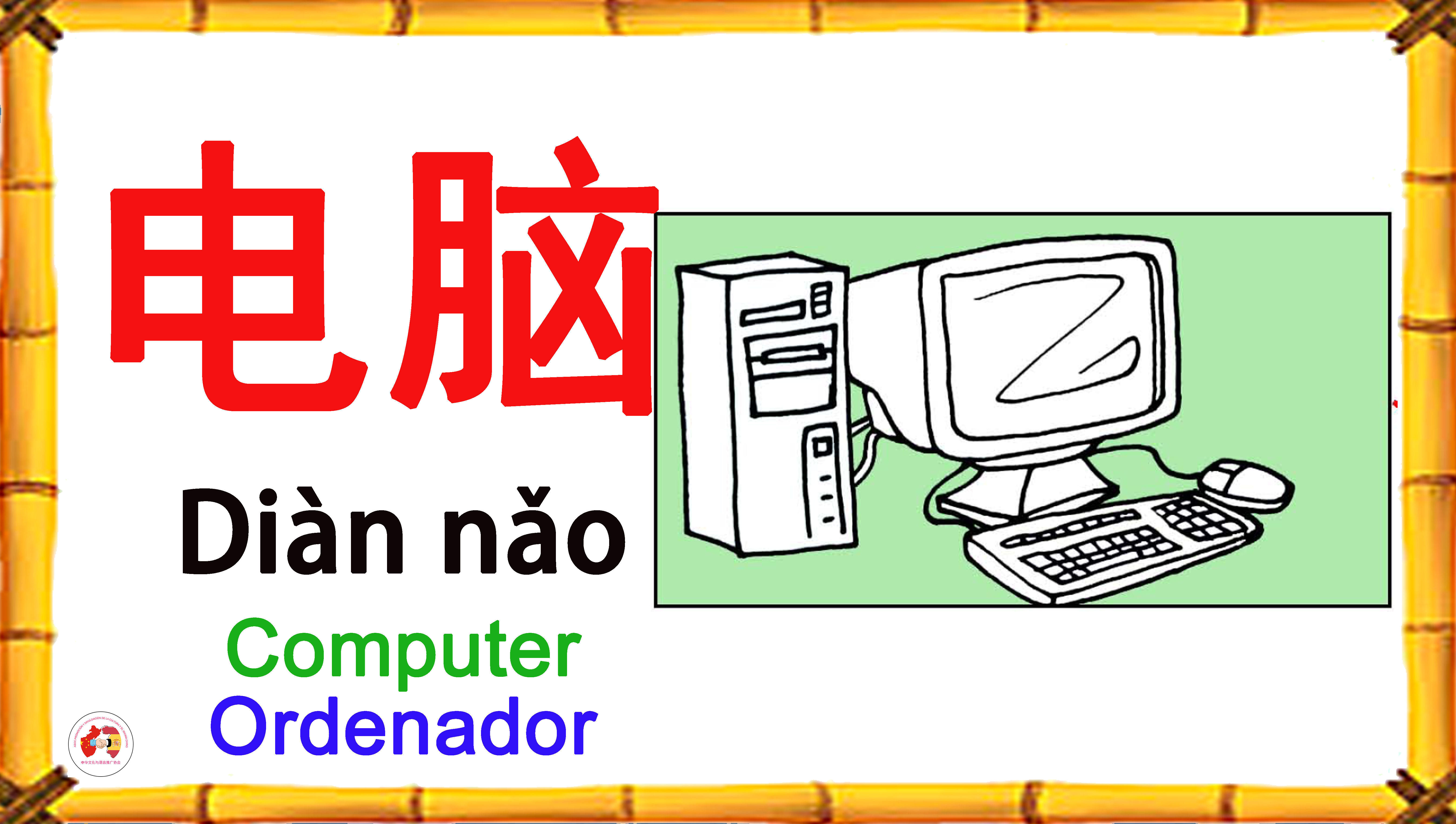
7) 电脑diànnǎo/Ordenador/Computer
点击放大/clic para ampliar/click to enlarge
中文/Chino/Chinese
西班牙语/Español/Spanish
英语/inglés/English
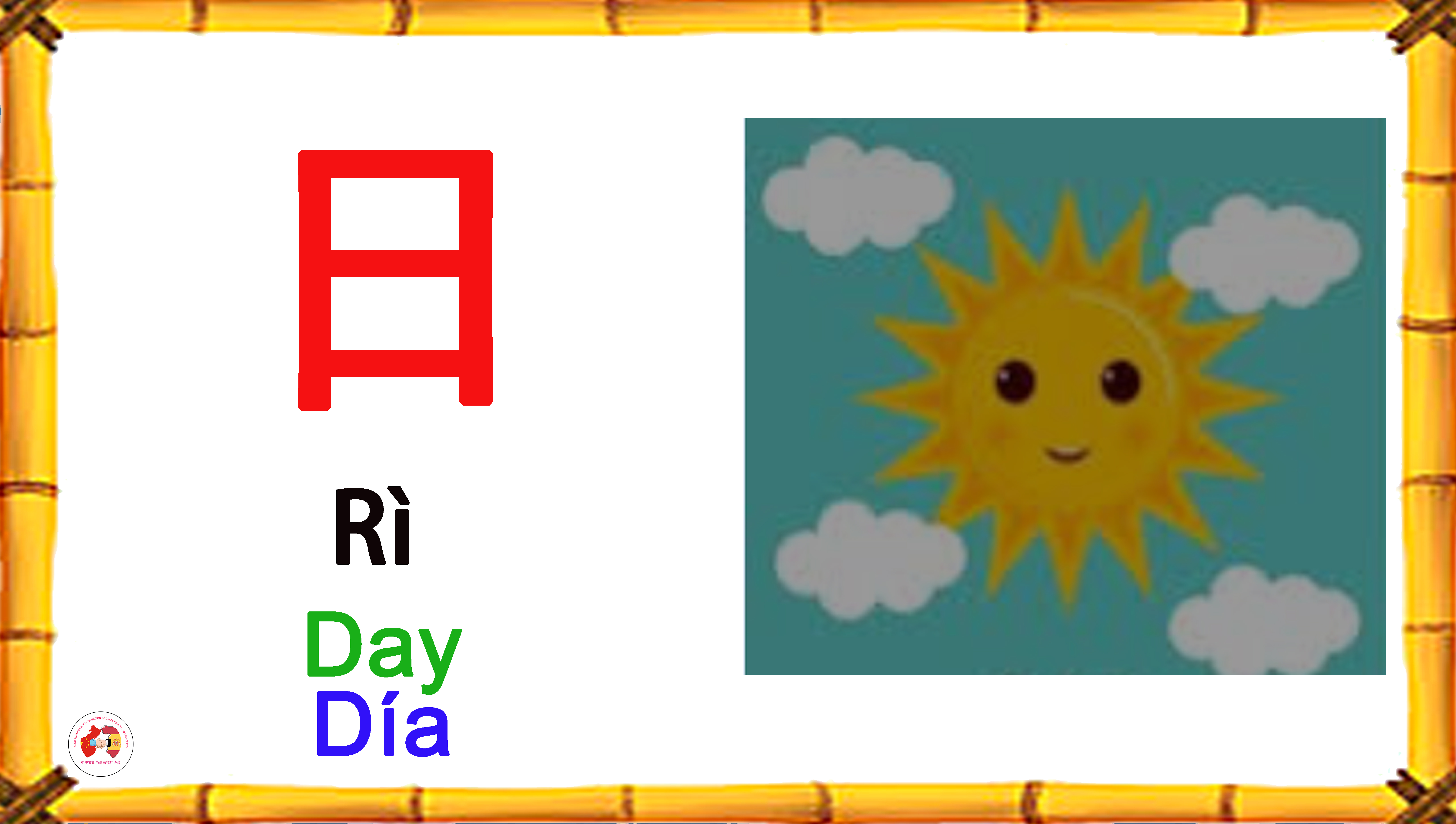
8) 日rì/Día, sol/Day, sun
点击放大/clic para ampliar/click to enlarge
中文/Chino/Chinese
西班牙语/Español/Spanish
英语/inglés/English
** 超级汉字/chāojí hànzì/Super Carácter/super character **
中文/Chino/Chinese
西班牙语/Español/Spanish
英语/inglés/English
日
中文/Chino/Chinese
西班牙语/Español/Spanish
英语/inglés/English
▶ 📝 评论 / Comentarios / Comments
2. 作为偏旁部首(时间与光线): 当’日’作为偏旁(日字旁)出现在其他汉字中时,几乎总是与太阳、时间、光线或天气有关。你会在’明’(明亮)、’早’(早晨)或’时’(时间)等常见字中看到它。
3. 框型结构规则(先里头,后封口): ‘日’是我们练习包围结构规则的完美范例。它由4个笔画组成,顺序为:1)左边的竖,2)横折(屋顶和右墙),3)中间的横,4)最后用底部的横’封口’。
4. 小心’双胞胎’字! ‘日’很容易与其他相似的汉字混淆。如果写得更宽更扁,它就变成了’曰’(yuē - 说)。如果写得更高,并且里面多加一横,它就变成了’目’(mù - 眼睛)。
2. Como radical (El tiempo y la luz) : Cuando ‘日’ actúa como radical en la composición de otros caracteres, casi siempre indica una relación estrecha con el sol, el tiempo, la luz o el clima. Lo verás en palabras muy comunes como 明 (brillante) , 早 (temprano) o 时 (tiempo/hora) .
3. La regla de la caja (Cerrar la puerta al final) : ‘日’ es el ejemplo perfecto para practicar la regla de las cajas cerradas. El orden de sus 4 trazos es: 1) trazo vertical izquierdo, 2) el héngzhé (techo y pared derecha), 3) el trazo horizontal de en medio y, por último, 4) el trazo horizontal de la base para ‘cerrar la puerta’.
4. ¡Cuidado con los ‘gemelos’! Es muy fácil confundir ‘日’ con otros caracteres de proporciones similares. Si lo dibujas un poco más ancho y aplastado, se convierte en 曰 (yuē - decir) . Si lo haces un poco más alto y le añades una línea horizontal más en su interior, se convierte en 目 (mù - ojo) .
2. As a radical (Time and light) : When ‘日’ acts as a radical in the composition of other characters, it almost always indicates a close relationship with the sun, time, light, or weather. You will see it in very common words like 明 (bright), 早 (early), or 时 (time/hour).
3. The box rule (Close the door last) : ‘日’ is the perfect example to practice the closed box rule. The order of its 4 strokes is: 1) left vertical stroke, 2) the héngzhé (roof and right wall), 3) the middle horizontal stroke, and finally, 4) the bottom horizontal stroke to ‘close the door.’
4. Beware of the ‘twins’! It is very easy to confuse ‘日’ with other characters of similar proportions. If you draw it a little wider and flatter, it becomes 曰 (yuē - to say). If you make it a bit taller and add an extra horizontal line inside, it becomes 目 (mù - eye) .
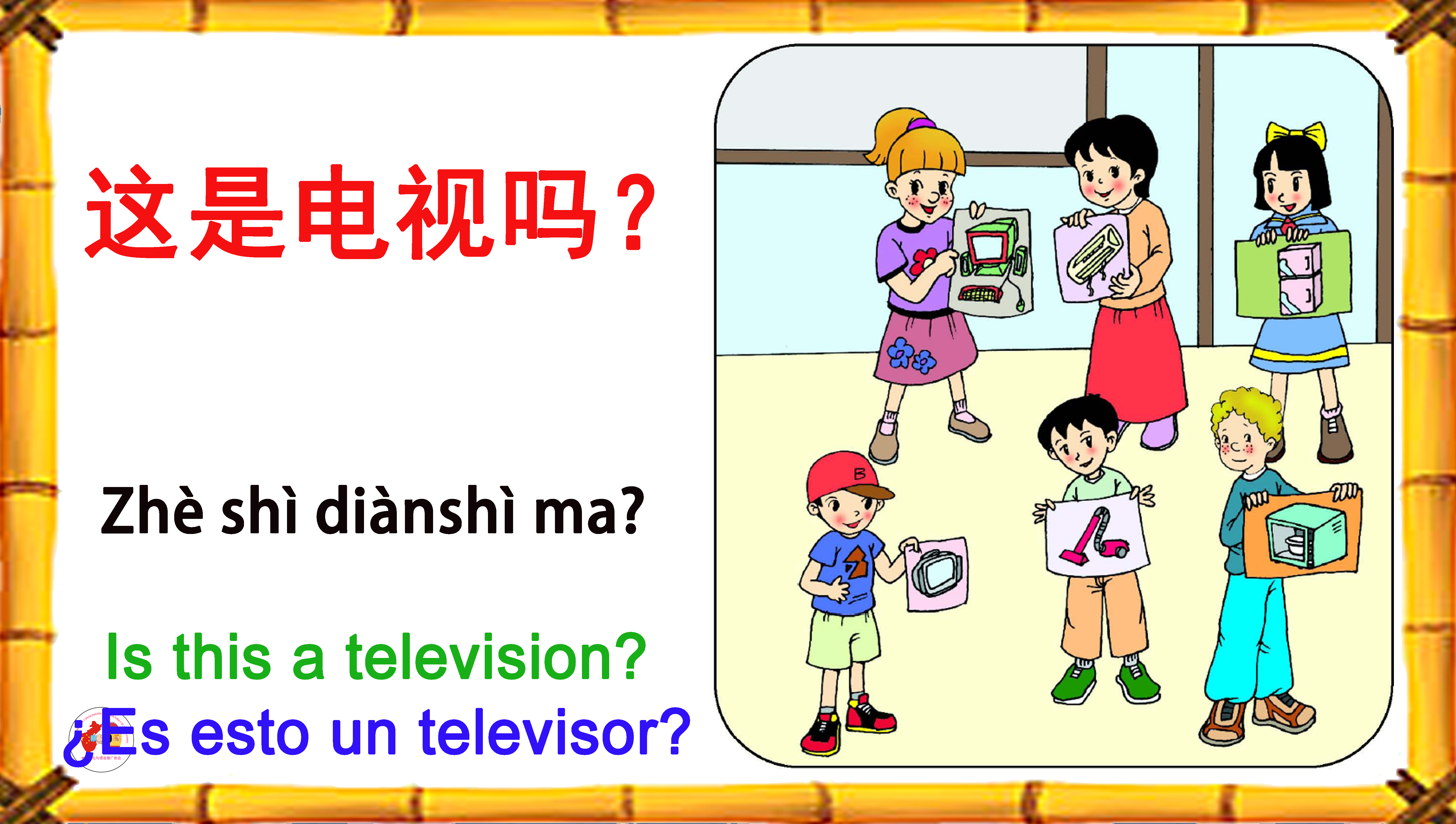
9) 这zhè是shì电视diànshì吗ma?/¿Es esto un televisor?/Is this a television?
点击放大/clic para ampliar/click to enlarge
中文/Chino/Chinese
西班牙语/Español/Spanish
英语/inglés/English
10) 打dǎ电话diànhuà/Llamar por teléfono/To make a phone call

点击放大/clic para ampliar/click to enlarge
中文/Chino/Chinese
西班牙语/Español/Spanish
英语/inglés/English
11) 这zhè/Este, esto/This
点击放大/clic para ampliar/click to enlarge
中文/Chino/Chinese
西班牙语/Español/Spanish
英语/inglés/English
** 字/zì/Caracteres/Characters **
(次/veces/times:1,2,3,4,5,6,7,8,9)
了解更多信息,请点击汉字。 Para más información clik en el Hanzi. For more information, click on the Hanzi.
汉字的音频/Audio de los Hanzi/Audio of the Hanzi
** 词汇/cí huì/Vocabulario/Vocabulary **
AVI: 词汇/Vocabulario/Vocabulary
中文/Chino/Chinese
西班牙语/Español/Spanish
英语/inglés/English

AVI: 听与重复/Escucha y repite/Listen and repeat
▶ 📝 评论 / Comentarios / Comments
** 目录/mù lù/Indice de la página/Table of contents **
课文/Textos/Texts
词汇/Vocabulario/Vocabulary
补充材料/Materiales adicionales/Additional Materials

PDF与视频/PDF y videos/PDF and Videos
边玩边学/Aprenda jugando/Learn by Playing
学习西班牙语/Aprenda Español/Learn Spanish
