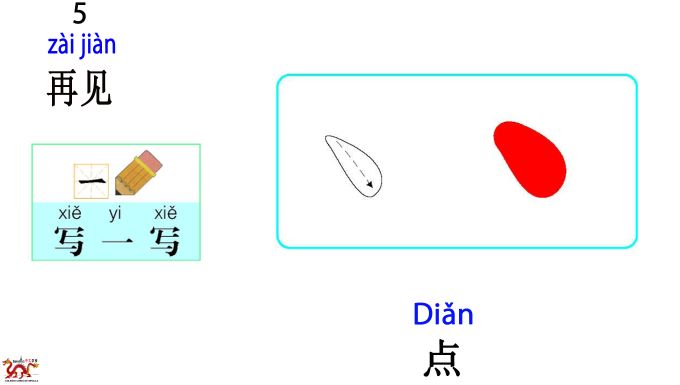
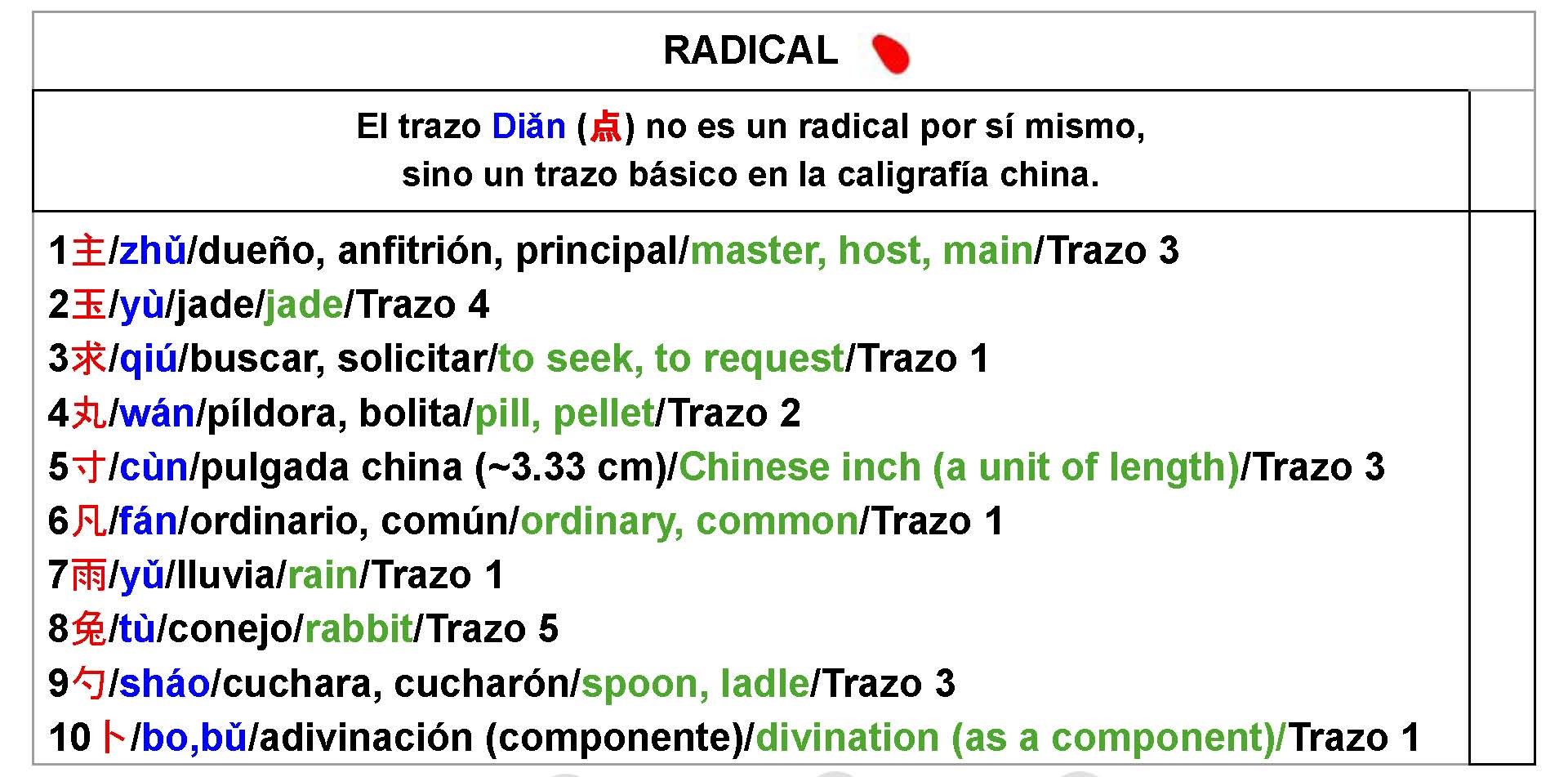
• 1. Como trazo básico (丶): El ‘点’ (diǎn) o ‘punto’ es uno de los trazos fundamentales de la escritura china. Aunque es pequeño, su dirección es vital; suele escribirse de arriba hacia abajo, inclinándose a la derecha o a la izquierda según la estructura del carácter (como vemos en 六 o 主).
2. El radical de los cuatro puntos (灬): Cuando encontramos cuatro puntos seguidos en la parte inferior de un carácter (como en 热 – calor, o 黑 – negro), forman el radical (‘灬’ (sìdiǎn dǐ)). Es importante saber que este radical es una variante de ‘fuego’ (火), por lo que suele aparecer en caracteres relacionados con el calor o la cocción.
3. Uso gramatical (‘un poco’): Como palabra, ‘点’ se usa frecuentemente después de verbos o adjetivos para indicar ‘un poco’ o una cantidad pequeña (ej: 吃点 - chī diǎn, comer un poco; 快点 - kuài diǎn, un poco más rápido).
4. Para decir la hora: ‘点’ también es la palabra clave para dar la hora en chino, funcionando como ‘en punto’ (ej: 两点 - liǎng diǎn, las dos en punto).
• 1. As a basic stroke (丶): The ‘点’ (diǎn) or ‘dot’ is one of the fundamental strokes in Chinese writing. Although small, its direction is vital; it is usually written from top to bottom, slanting right or left depending on the structure of the character (as seen in 六 or 主).
2. The four-dot radical (灬): When we find four consecutive dots at the bottom of a character (as in 热 – hot, or 黑 - black), they form the radical ‘灬’ (sìdiǎn dǐ). It is important to know that this radical is a variant of ‘fire’ (火), so it often appears in characters related to heat or cooking.
3. Grammatical use (‘a little’): As a word, ‘点’ is frequently used after verbs or adjectives to indicate ‘a little bit’ or a small amount (e.g., 吃点 - chī diǎn, eat a little; 快点 - kuài diǎn, a little faster).
4. Telling time: ‘点’ is also the key word for telling time on the clock, meaning ‘o'clock’ (e.g., 两点 - liǎng diǎn, two o'clock).
** 字符/zìfú/caracteres/characters **
AVI: 书写汉字/Escribir caracteres/ Writing Chinese characters
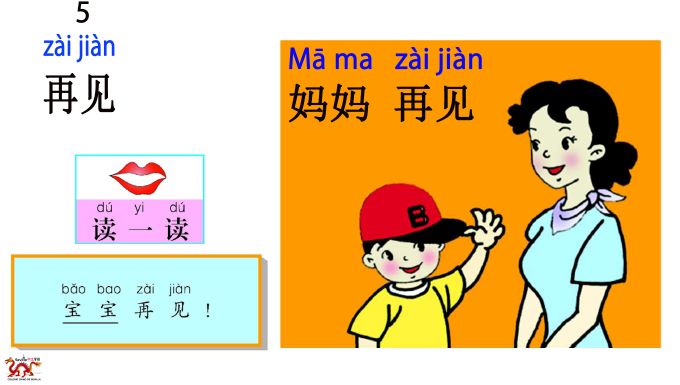
1) 再zài/Otra vez, de nuevo/Again/HSK 1
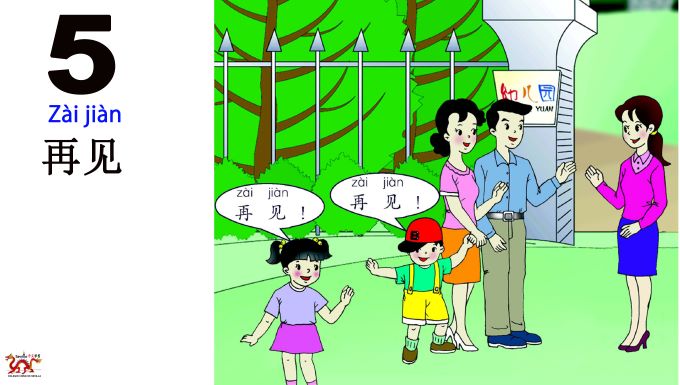
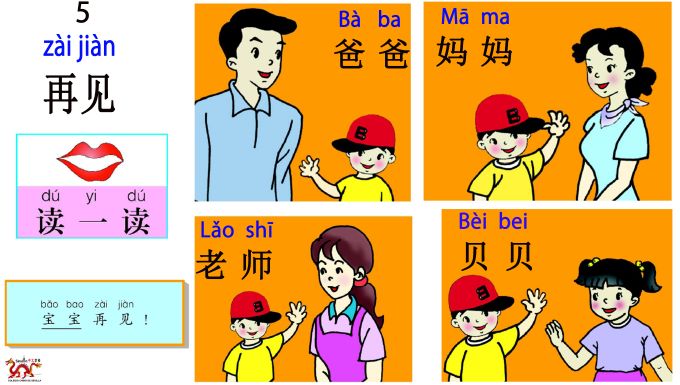
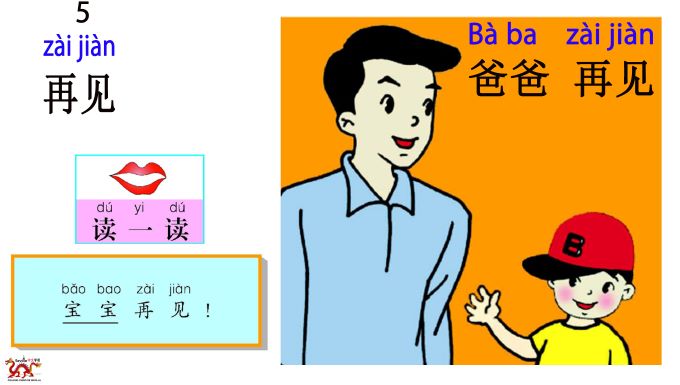
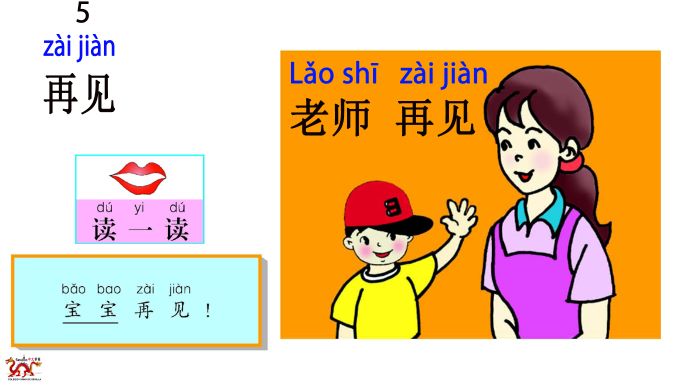
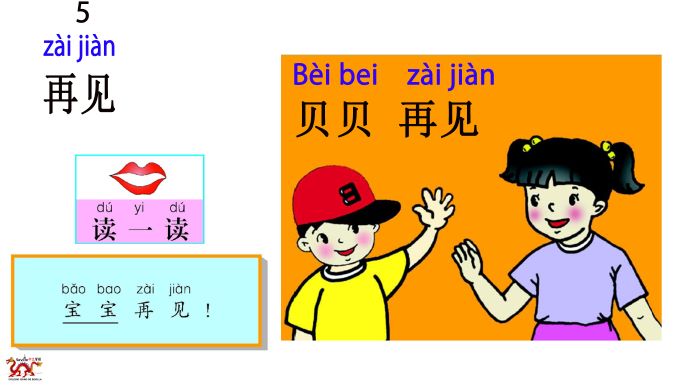
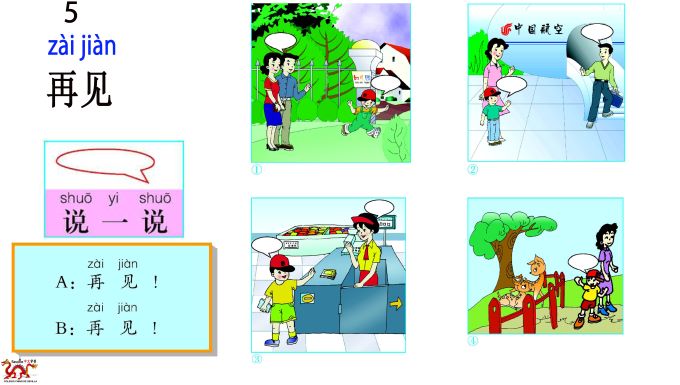
• 再见zàijiàn/adiós/goodbye/HSK 1
• 再次zàicì/otra vez/once again/HSK 4
• 再说zàishuō/además, hablar más tarde/moreover, talk later/HSK 4
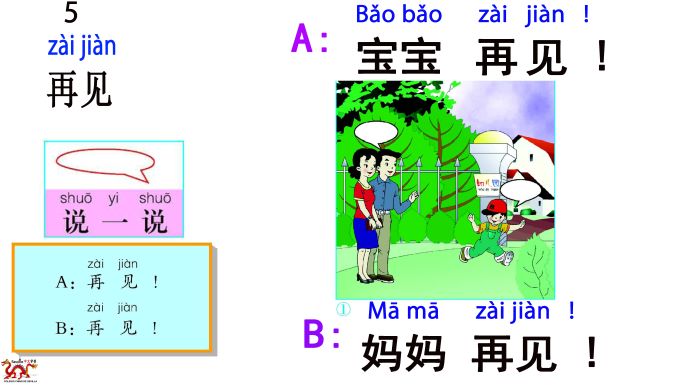
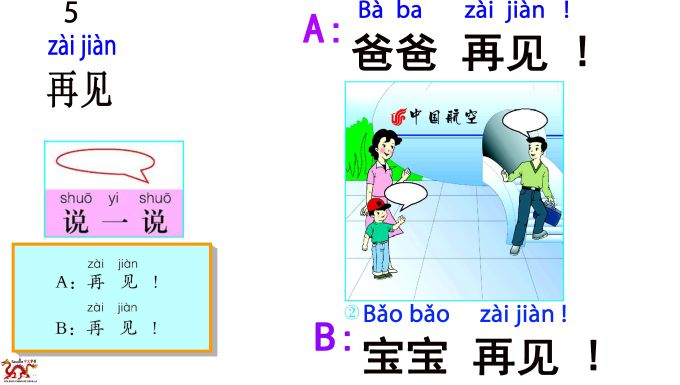
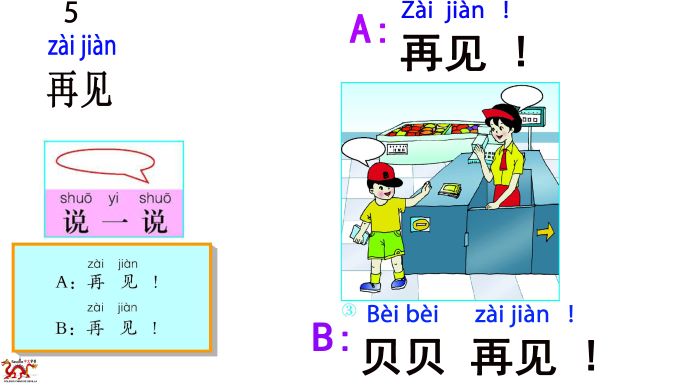
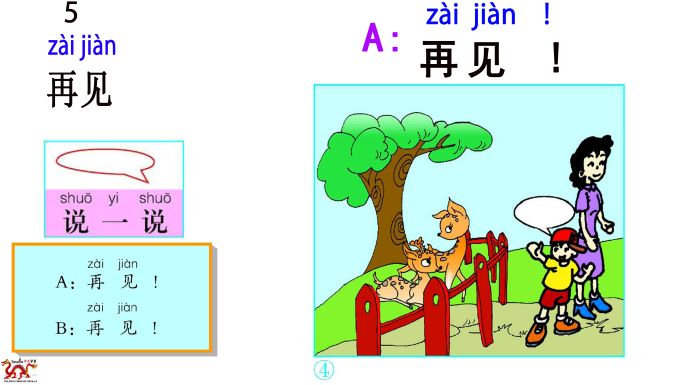
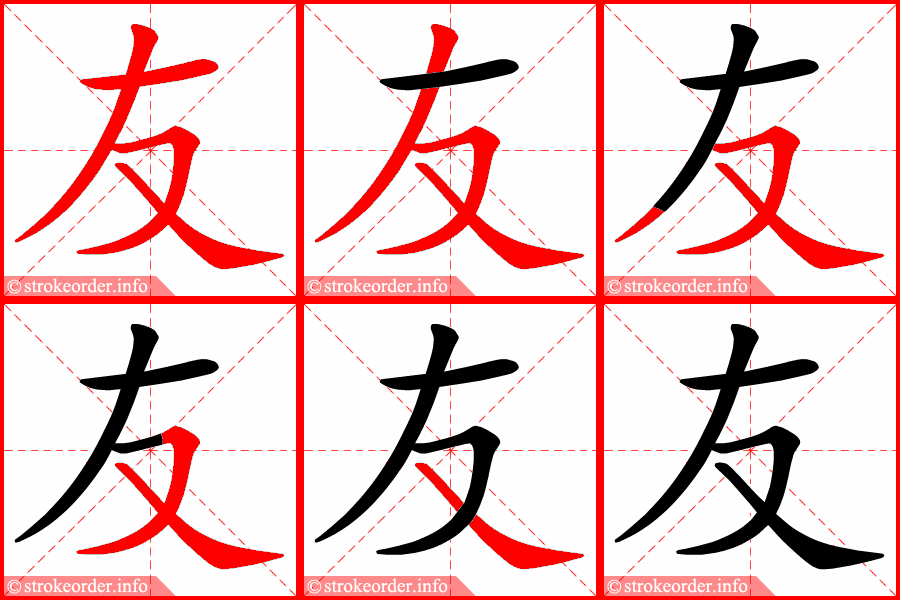
• 1. 再见 (zàijiàn): Esta es la palabra compuesta para ‘adiós’. ‘再’ por sí solo significa ‘otra vez’.
2. 老师 (lǎoshī): Esta es la palabra compuesta para ‘maestro, profesor’. ‘老’ también es un apellido común.
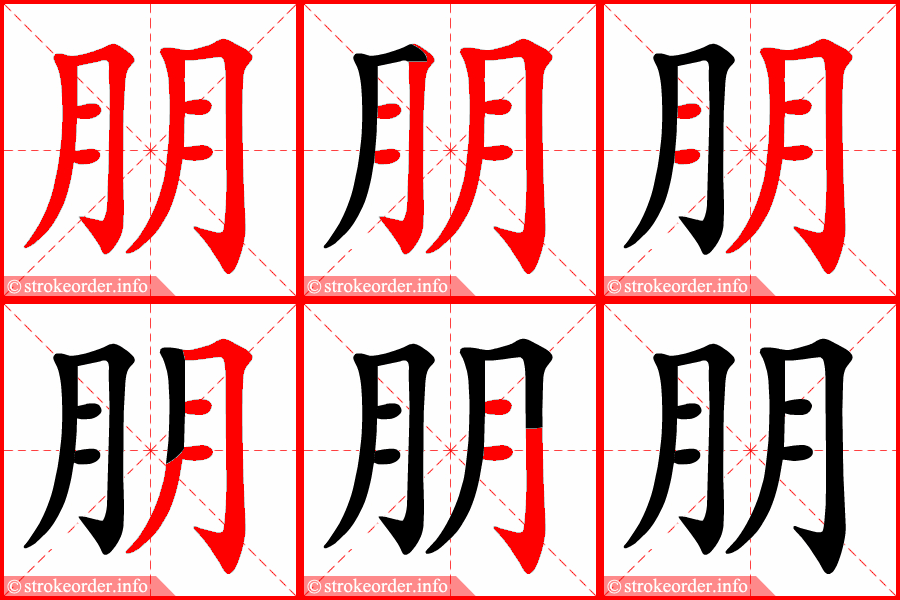
3. 朋友 (péngyou): Esta es la palabra compuesta para ‘amigo’. Raramente se usan ‘朋’ o ‘友’ por separado en el lenguaje cotidiano moderno.
4. 宝贝 (bǎobèi): Juntos forman la palabra para ‘tesoro, querido(a)’. ‘贝’ por sí solo se refiere a una concha marina y es un componente radical común.
5. 爸妈 (bà mā): Juntos significan ‘papá y mamá’, ‘padres’.
• 1. 再见 (zàijiàn): This is the compound word for ‘goodbye’. ‘再’ by itself means ‘again’.
2. 老师 (lǎoshī): This is the compound word for ‘teacher’. ‘老’ primarily means ‘old’ or ‘senior’ (used here as a prefix of respect), although it also exists as a surname.
3. 朋友 (péngyou): This is the compound word for ‘friend’. ‘朋’ and ‘友’ are rarely used separately in modern everyday language.
4. 宝贝 (bǎobèi): Together, they form the word for ‘treasure’ or ‘darling’. ‘贝’ by itself refers to a seashell and is a common Chinese radical.
5. 爸妈 (bàmā): Together, they mean ‘mom and dad’ or ‘parents’.
** 词汇/cí huì/Vocabulario/Vocabulary **
AVI: 词汇/Vocabulario/Vocabulary
中文/Chino/Chinese
西班牙语/Español/Spanish
英语/inglés/English
AVI: 听与重复/Escucha y repite/Listen and repeat
1) 再见zàijiàn/Adiós/Goodbye
2) 点diǎn/Trazo de punto/Dot stroke
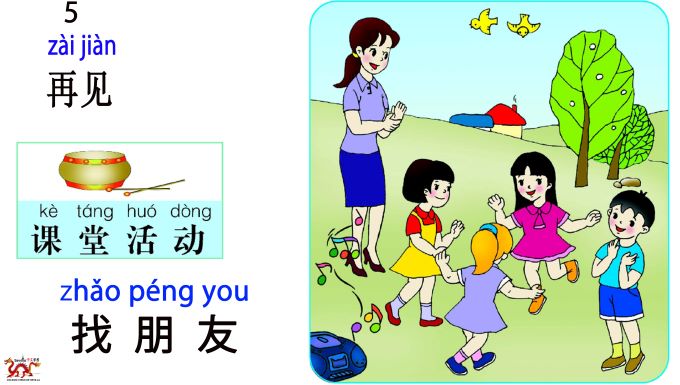
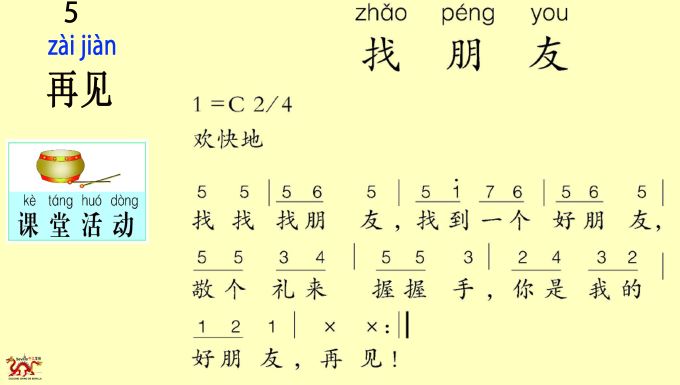
3) 找zhǎo朋友péngyou/Buscar amigos/Looking for friends
• 1. 再见 (zàijiàn): Se escribe todo junto por ser una sola palabra conceptual.
2. 找朋友 (zhǎo péngyou): Se aplica el tono neutro en la última sílaba (you), y se mantiene ‘Buscar amigos / Looking for friends’ como la traducción más precisa para el verbo 找 (zhǎo, buscar).
• 1. 再见 (zàijiàn): It is written as a single word in pinyin because it is a single conceptual unit.
2. 找朋友 (zhǎo péngyou): The neutral tone is applied to the last syllable (you), and ‘Buscar amigos / Looking for friends’ is maintained as the most accurate translation for the verb 找 (zhǎo, to look for).
** 目录/mù lù/Indice de la página/Table of contents **