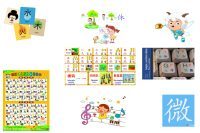
ZHONGWEN_L02_01
** 1_在中文学校/Zài zhōngwén xuéxiào/En la escuela de chino/At the Chinese School **
我在中文学校学习。/Estudio en la escuela de chino./I study at a Chinese school.
老师教我们说汉语,写汉字,读儿歌,画画儿。/El profesor nos enseña a hablar chino, a escribir caracteres chinos, a leer canciones infantiles y a dibujar./The teacher teaches us to speak Chinese, write Chinese characters, read children's songs, and draw pictures.
我喜欢学中文。/Me gusta aprender chino./I like learning Chinese.
** 字/zì/Caracteres/Characters **
1) 在/estar en, en/be at, in/HSK 1
• 在家/estar en casa/be at home/HSK 1
• 在学校/estar en la escuela/be at school/HSK 1
• 现在/ahora/now/HSK 1
• 我现在在家/Ahora estoy en casa./I am at home now.
2) 教/enseñar/teach/HSK 2
• 教汉语/enseñar chino/teach Chinese/HSK 2
• 教汉字/enseñar caracteres chinos/teach Chinese characters/HSK 2
• 教书/dar clases/teach (a subject)/HSK 4
• 老师教我们汉语。/El profesor nos enseña chino./The teacher teaches us Chinese.
3) 汉/han (etnia), chino/Han (ethnicity), Chinese/HSK 2
• 汉语/idioma chino/Chinese language/HSK 1
• 汉字/carácter chino/Chinese character/HSK 2
• 汉族/etnia Han/Han ethnicity/HSK 4
• 汉语很有意思/El chino es muy interesante./Chinese is very interesting.
4) 语/idioma, lengua/language/HSK 1
• 汉语/idioma chino/Chinese language/HSK 1
• 语言/idioma/language/HSK 3
• 英语/inglés/English (language)/HSK 1
• 她会说三种语言/Ella sabe hablar tres idiomas./She can speak three languages.
5) 写/escribir/write/HSK 1
• 写字/escribir caracteres/write characters/HSK 2
• 写一写/escribir un poco/write a bit/HSK 1
• 书写/escritura (formal)/writing (formal)/HSK 5
• 我每天练习写字/Practico escribir caracteres todos los días./I practice writing characters every day.
6) 字/carácter/character/HSK 1
• 汉字/carácter chino/Chinese character/HSK 2
• 写字/escribir caracteres/write characters/HSK 2
• 文字/escritura/script, writing/HSK 4
• 这个字很难写/Este carácter es difícil de escribir./This character is hard to write.
7) 读/leer/read/HSK 1
• 读儿歌/leer canciones infantiles/read nursery rhymes/HSK 1
• 读书/leer, estudiar/read, study/HSK 1
• 读一读/leer un poco/read a bit/HSK 1
• 我们一起读书吧/Leamos juntos./Let's read together.
8) 歌/canción/song/HSK 2
• 唱歌/cantar/sing/HSK 1
• 歌曲/canción (formal)/song (formal)/HSK 4
• 儿歌/canción infantil/nursery rhyme/HSK 1
• 孩子们喜欢唱歌/A los niños les gusta cantar./Children like to sing.
9) 画/dibujar, pintura/draw, painting/HSK 2
• 画画儿/dibujar/draw a picture/HSK 1
• 年画/pintura de Año Nuevo/New Year picture/HSK 6
• 山水画/pintura de paisaje/landscape painting/HSK 5
• 妹妹喜欢画画儿/A mi hermana menor le gusta dibujar./My younger sister likes to draw.
10) 喜/alegría, gustar/joy, like/HSK 1
• 喜欢/gustar/like/HSK 1
• 喜爱/apreciar, encantar/be fond of/HSK 4
• 喜庆/festivo, jubiloso/festive, joyous/HSK 6
• 我喜欢学习汉语/Me gusta aprender chino./I like learning Chinese.
11) 欢/alegre/joyful/HSK 3
• 欢乐/alegría, júbilo/joy, merriment/HSK 5
• 欢快/alegre y animado/cheerful/HSK 6
• 喜欢/gustar/like/HSK 1
• 大家在一起很欢乐/Todos juntos se divierten mucho./Everyone has a lot of fun together.
--------------------------------------------------------------------------------
** 词语/Cíyǔ/Palabras y expresiones/Words and expressions **
我们/Nosotros/We
汉语/Idioma chino/Chinese language
汉字/Caracteres chinos/Chinese characters 喜欢Xǐhuan/Gustar
--------------------------------------------------------------------------------
** 句子/Jùzi/Oración/Sentence **
我在中文学校学习/Yo estudio en la escuela de chino./I study at a Chinese schoo
** 朗读/Lǎngdú/Leer en voz alta/Read aloud **
在家/En casa/At home
在学校/En la escuela/At school
在花园/En el jardín/In the garden
教汉语/Enseñar chino/Teach Chinese
教汉字/Enseñar caracteres chinos/Teach Chinese characters
写字/Escribir caracteres/Write characters
写一写/Escribir un poco/Write a little
写汉字/Escribir caracteres chinos/Write Chinese characters
说汉语/Hablar chino/Speak Chinese
读儿歌/Leer canciones infantiles/Read children's songs
读书/Leer un libro/Read a book
读一读/Leer un poco/Read a little
画一画/Dibujar un poco/Draw a little
画太阳/Dibujar el sol/Draw the sun
画小马/Dibujar un caballito/Draw a little horse
画红花/Dibujar flores rojas/Draw red flowers
山水画儿/Pintura de paisajes/Landscape painting
年画儿/Pintura de Año Nuevo/New Year painting
喜欢写字/Gustar escribir/Like to write characters
喜欢说汉语/Gustar hablar chino/Like to speak Chinese
喜欢去学校/Gustar ir a la escuela/Like to go to school
** 扩大和替换/Kuòdà hé tìhuàn/Ampliar y sustituir/Expand and substitute. **
在/En/In (o at)
在中文学校/En la escuela de chino/At a Chinese school
在中文学校学习/Estudiar en la escuela de chino/Study at a Chinese school
我在中文学校学习/Yo estudio en la escuela de chino./I study at a Chinese school.
喜欢/Gustar/Like
喜欢写汉字/Gustar escribir caracteres chinos/Like to write Chinese characters
我喜欢写汉字/Me gusta escribir caracteres chinos./I like to write Chinese characters.
--------------------------------------------------------------------------------
我在中文学校学习/Yo estudio en la escuela de chino./I study at a Chinese school.
--------------------------------------------------------------------------------
家/Casa/Home
写字/Escribir/Write characters
花园/Jardín/Garden
画画儿/Dibujar/Draw pictures
草地上/En el césped/On the grass
读儿歌/Leer canciones infantiles/Read children's songs
** 对话/Duìhuà/Diálogo/Dialogue **
方方你们在中文学校学习吗/Fangfang: ¿Ustedes estudian en la escuela de chino?/Fangfang: Do you study at a Chinese school?
冬冬云云是的/Dongdong, Yunyun: Sí./Dongdong, Yunyun: Yes.
方方老师教你们写汉字读儿歌吗/Fangfang: ¿El profesor les enseña a escribir caracteres chinos y a leer canciones infantiles?/Fangfang: Does the teacher teach you to write Chinese characters and read children's songs?
冬冬是的黄老师教我们写汉字/Dongdong: Sí. El profesor Huang nos enseña a escribir caracteres chinos./Dongdong: Yes. Teacher Huang teaches us to write Chinese characters.
云云马老师教我们读儿歌/Yunyun: El profesor Ma nos enseña a leer canciones infantiles./Yunyun: Teacher Ma teaches us to read children's songs.
方方你们喜欢学中文吗/Fangfang: ¿Les gusta aprender chino?/Fangfang: Do you like learning Chinese?
冬冬云云喜欢/Dongdong, Yunyun: Nos gusta (Sí)./Dongdong, Yunyun: We like it.
** 想一想, 说一说/Xiǎng yi xiǎng, shuō yi shuō/Piensa y responde/Think and answer the following questions **
你的老师教你学什么/¿Qué te enseña tu profesor?/What does your teacher teach you?
你喜欢学什么/¿Qué te gusta aprender?/What do you like to learn?
你喜欢做什么/¿Qué te gusta hacer?/What do you like to do?
** 阅读/Yuèdú/Lectura/Reading **
中文学校真是好/Qué buena es la escuela de chino/What a Great Chinese School
中文学校真是好/La escuela de chino es realmente buena,/The Chinese school is really great,
小朋友们可不少/Hay muchos niños./There are quite a few children.
一起跑来一起跳/Corren juntos, saltan juntos,/Run together, jump together,
一起唱来一起笑/Cantan juntos, ríen juntos./Sing together, laugh together.
又学写字又画画儿/También aprenden a escribir y a dibujar,/Also learn to write and draw pictures,
长大以后本领高/Al crecer tendrán grandes habilidades./When grown up, abilities will be high.
--------------------------------------------------------------------------------
** 生字/Shēngzì/Caracteres nuevos/Characters **
跑/Correr/Run 跳Tiào/Saltar
笑/Reír/Laugh
以/Usar, por/Use, by
本/Raíz, origen/Root, origin
领/Liderar, cuello/Lead, neck
--------------------------------------------------------------------------------
** 词语/Cíyǔ/Palabras y expresiones/Words and expressions **
画画儿/Dibujar/Draw pictures
长大/Crecer/Grow up
以后/Después, en el futuro/After, later
本领/Habilidad, capacidad/Ability, skill
** 额外/Éwài/Adicional/Additional **
中国的汉字是世界上最古老的文字之一/Los caracteres chinos son uno de los sistemas de escritura más antiguos del mundo,/Chinese characters are one of the oldest writing systems in the world,
每个汉字都有独特的意义与不同的形态/cada carácter chino tiene un significado único y una forma diferente./each Chinese character has a unique meaning and a different form.
北京奥运会开幕式上就曾展示了汉字和的演变历史和不同形态/En la ceremonia de apertura de los Juegos Olímpicos de Beijing se mostró la historia de la evolución y las diferentes formas del carácter chino "he" (armonía)./At the opening ceremony of the Beijing Olympic Games, the evolutionary history and different forms of the Chinese character "he" (harmony) were displayed.
▶ 📝 评论 / Comentarios / Comments
在中文学校:学习动词与语言本身:
1. 字形的直观性: 观察 在 (zài) 或 教 (jiāo) ,能帮助学生联系字形与字义,而不是死记硬背。
2. 从单字到词语的跳跃: 这些字很少单独使用,而是作为构词的'零件'出现在很多常用词中。认识一个字,就能打开认识十几个词的大门。
3. 语境记忆: 结合具体的例句来学习 汉 (hàn) 这样的字,比孤立地背诵字义更容易记住。
1. 字形的直观性: 观察 在 (zài) 或 教 (jiāo) ,能帮助学生联系字形与字义,而不是死记硬背。
2. 从单字到词语的跳跃: 这些字很少单独使用,而是作为构词的'零件'出现在很多常用词中。认识一个字,就能打开认识十几个词的大门。
3. 语境记忆: 结合具体的例句来学习 汉 (hàn) 这样的字,比孤立地背诵字义更容易记住。
Comentario Pedagógico: En la escuela de chino: verbos de aprendizaje y el idioma mismo:
1. La transparencia de la forma: Observar 在 (zài) o 教 (jiāo) ayuda a conectar la forma del carácter con su significado, en vez de memorizarlo a ciegas.
2. El salto de carácter a palabra: Estos caracteres rara vez se usan solos; aprender uno abre la puerta a muchas palabras nuevas.
3. Memoria por contexto: Aprender un carácter como 汉 (hàn) junto con una frase real ayuda mucho más que memorizar su significado de forma aislada.
1. La transparencia de la forma: Observar 在 (zài) o 教 (jiāo) ayuda a conectar la forma del carácter con su significado, en vez de memorizarlo a ciegas.
2. El salto de carácter a palabra: Estos caracteres rara vez se usan solos; aprender uno abre la puerta a muchas palabras nuevas.
3. Memoria por contexto: Aprender un carácter como 汉 (hàn) junto con una frase real ayuda mucho más que memorizar su significado de forma aislada.
Pedagogical Commentary: At the Chinese school: learning verbs and the language itself:
1. The transparency of form: Observing 在 (zài) or 教 (jiāo) helps connect the character's shape to its meaning, instead of memorizing it blindly.
2. The leap from character to word: These characters are rarely used alone; learning one opens the door to many new words.
3. Memory through context: Learning a character like 汉 (hàn) together with a real sentence helps far more than memorizing its meaning in isolation.
1. The transparency of form: Observing 在 (zài) or 教 (jiāo) helps connect the character's shape to its meaning, instead of memorizing it blindly.
2. The leap from character to word: These characters are rarely used alone; learning one opens the door to many new words.
3. Memory through context: Learning a character like 汉 (hàn) together with a real sentence helps far more than memorizing its meaning in isolation.
